



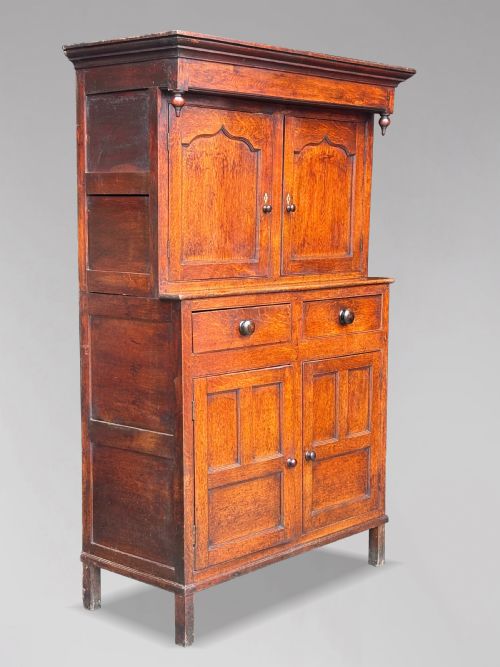

Brown Oak Bread Cupboard
These brown oak bread cupboards offer robust vernacular storage formed in rich timber, bringing centuries of practical rural heritage directly into the modern interior.
Brown Oak Bread Cupboard
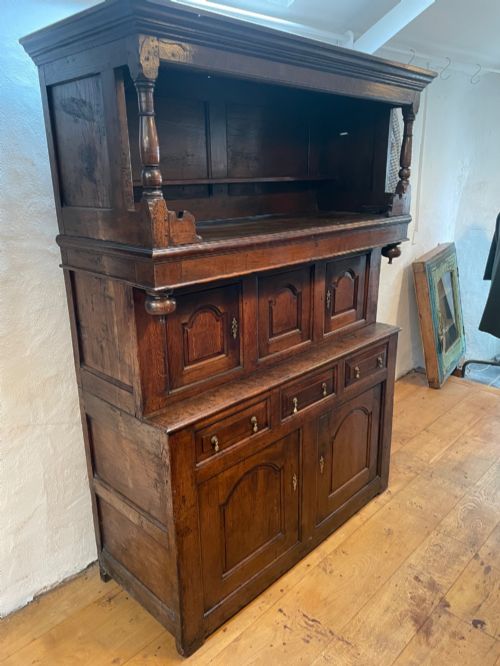
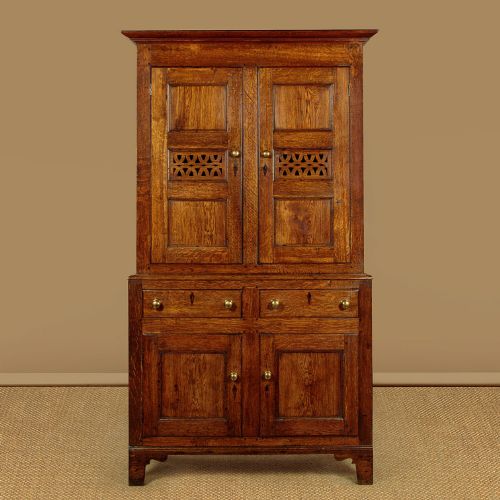
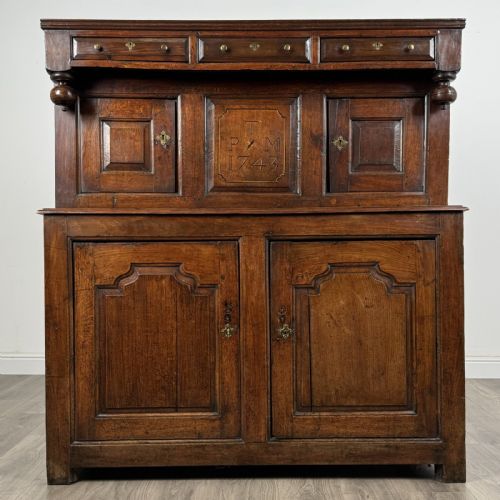
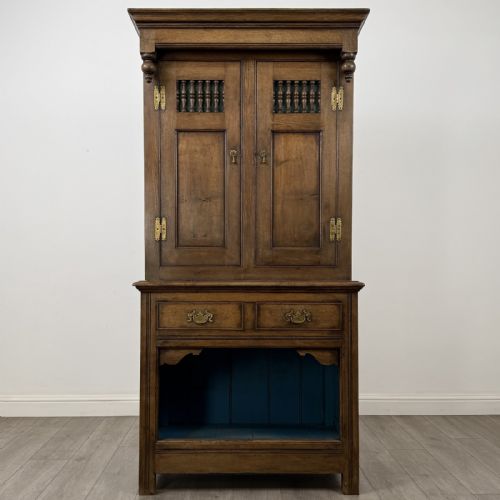
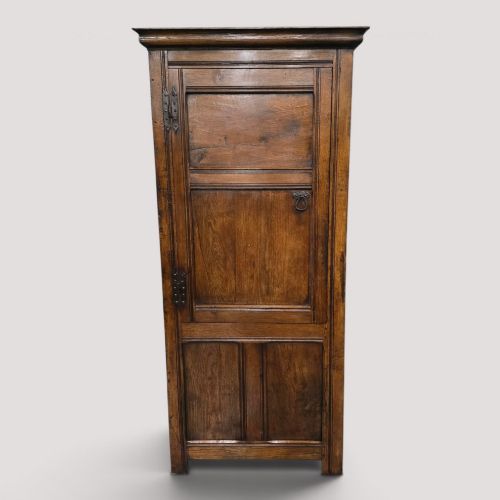
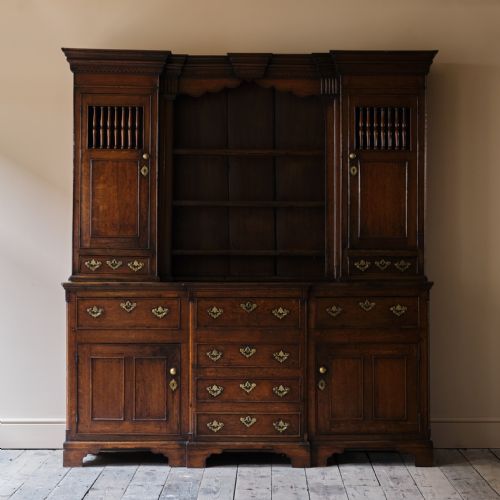
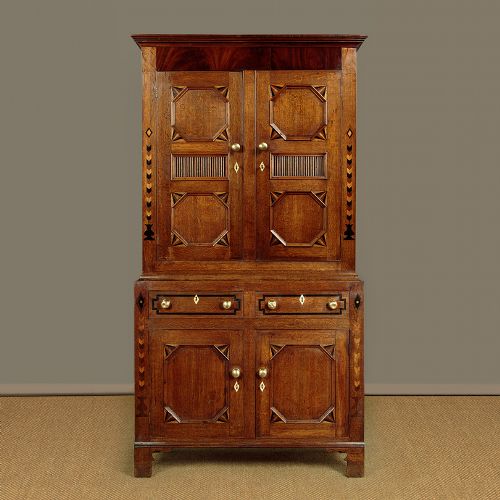
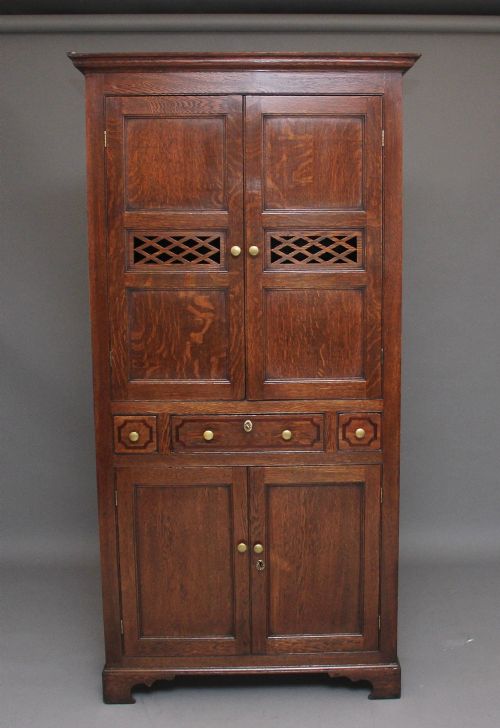
When you search for a brown oak bread cupboard, you encounter substantial utilitarian furniture designed to store provisions in traditional households. The pieces appearing here span vernacular regional forms from the sixteenth century onwards, including food cupboards, court cupboards, and dressers.
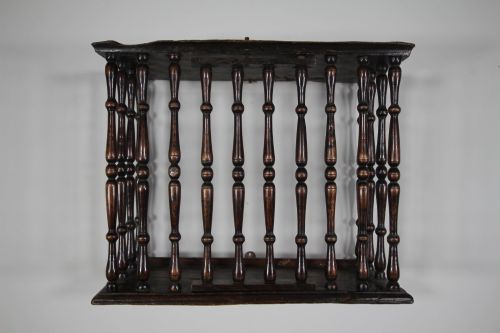
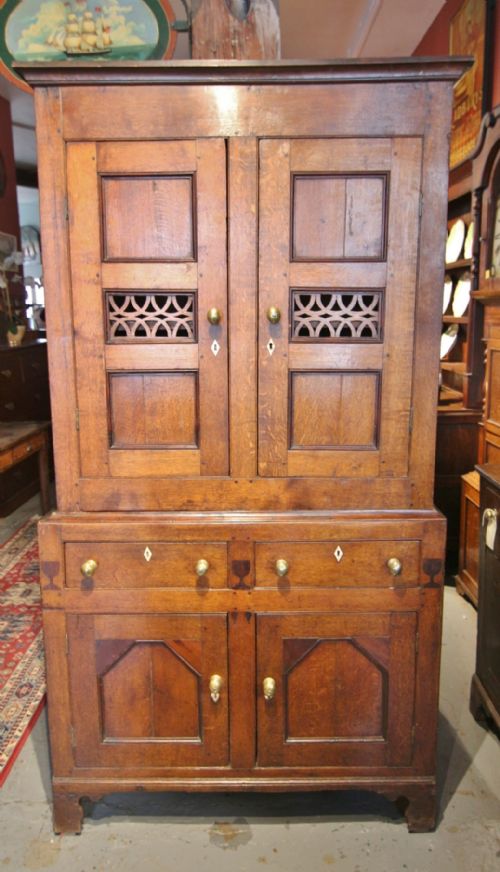
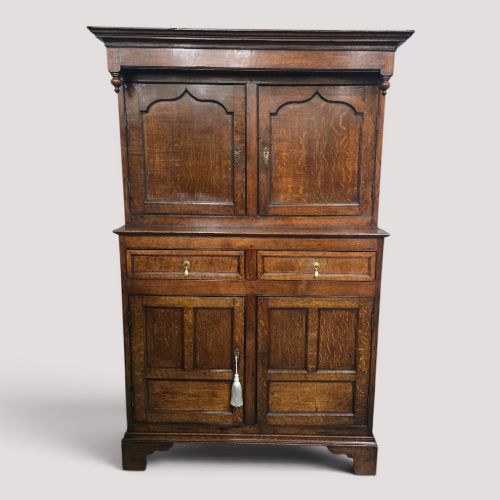
The version most commonly met on this page is the regional Welsh or English country cupboard executed in solid oak, frequently featuring panelled doors or ventilated sections for provisions. These forms range from wall-hanging cabinets to large two-part floor cupboards with distinctive local joinery.
Distinctions in craftsmanship and survival
Quality rests in the integrity of the original timber surfaces and the restraint of the carving or inlay. Pieces retaining their primary blacksmith-held ironwork and untouched patination stand apart from those altered or overly restored during later revivals.
Proportion and regional character dictate desirability, with vernacular examples demonstrating local joinery traditions displaying greater individuality than later revival pieces produced in volume.
Brown Oak Bread Cupboard Retail Price Guide 2026
Typical asking prices for brown oak bread cupboard among the pieces listed under this phrase on Sellingantiques today, from the lower quarter to the upper quarter. They describe what is for sale here now, not the wider market.
Early village blacksmiths secured these provisions with heavy iron locks built to deter hungry farmhands rather than professional thieves.
The Brown Oak Bread Cupboard Glossary
- Court cupboard
- A traditional English or Welsh two-tier storage piece used for displaying plate and storing food. These frequently feature carved decoration and enclosed upper sections.
- Cwpwrdd Deuddarn
- A traditional Welsh two-part cupboard featuring enclosed upper and lower compartments. This form represents a staple of regional vernacular cabinet making.
- Panetiere
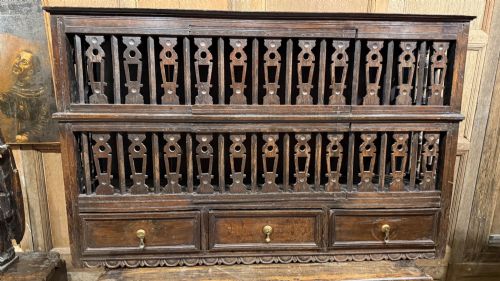
- A small ventilated cabinet traditionally used for storing bread. These pieces often incorporate turned spindles or pierced panels to allow air circulation.
- Vernacular
- Furniture built by local country joiners using regional styles and readily available timbers. These objects prioritise practical function over academic design.
Brown Oak Bread Cupboard: Frequently Asked Questions
What was a bread cupboard used for?
These cupboards provided cool, enclosed storage for daily provisions like bread and cheese in traditional households. Ventilation holes or spindle panels allowed air circulation while keeping pests away.
Over time, these utilitarian pieces evolved into focal points of country dining rooms and kitchens, combining domestic storage with regional decorative carving.
How do I date an oak cupboard?
Dating relies on examining construction marks, joint types, and timber patination. Early pieces use hand-split oak with pegged mortise and tenon joints, showing tool marks from adzes and pitsaws.
Revival pieces from the nineteenth century often display machine-sawn timber and standardised fixings that differ from seventeenth or eighteenth-century examples.
Where were these cupboards made?
Many examples originate from rural workshops in Wales and regional English counties. Local joiners adapted standard forms to suit regional preferences and available materials.
Particular areas, such as Llanrwst, developed distinct vernacular styles visible in the carving motifs and proportions of the surviving furniture.
How do I care for antique oak?
Maintain antique oak by placing it away from direct heat sources and dramatic humidity fluctuations. This prevents the solid timber from splitting or warping.
Apply a traditional beeswax polish occasionally to nourish the grain and preserve the surface patination built up over centuries of handling.