


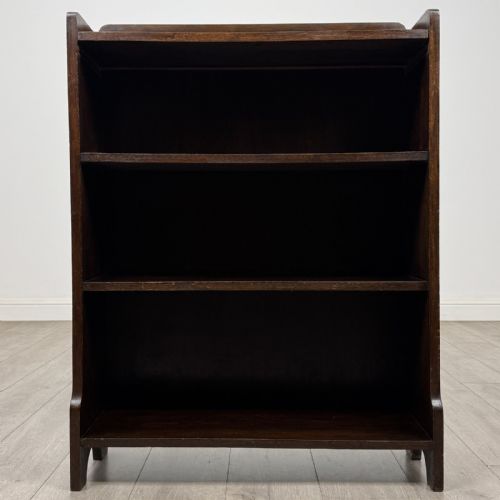

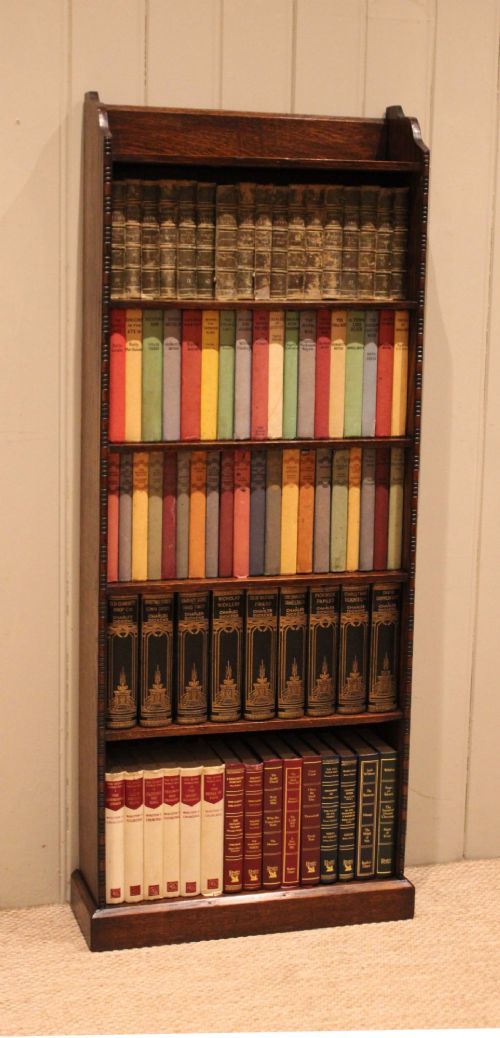
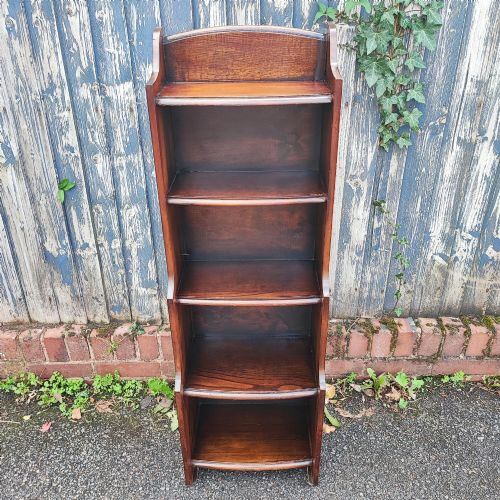
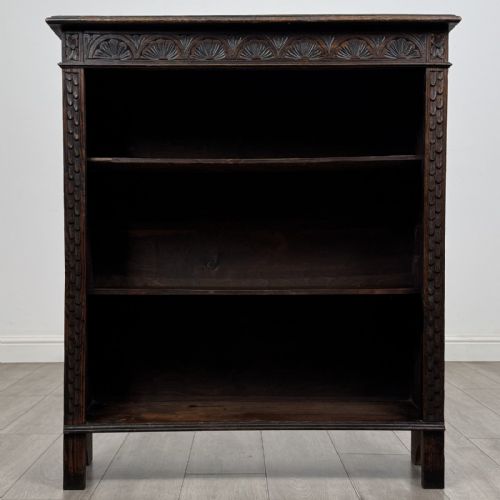
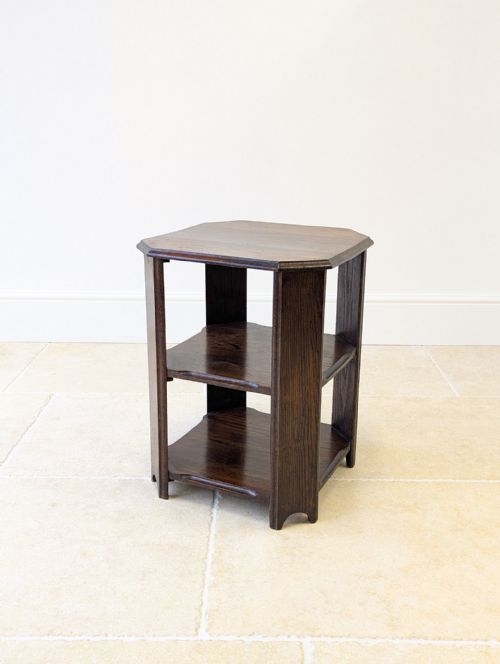
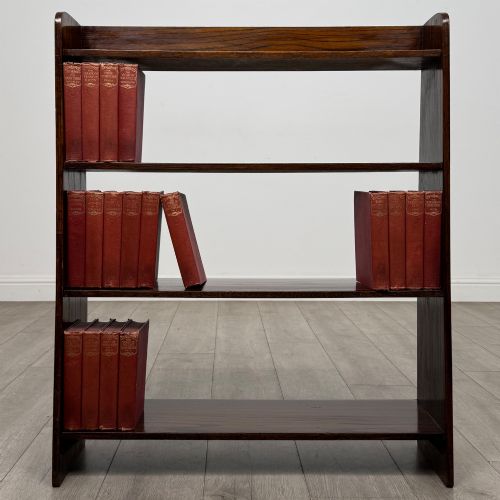
Brown Oak Book Stand
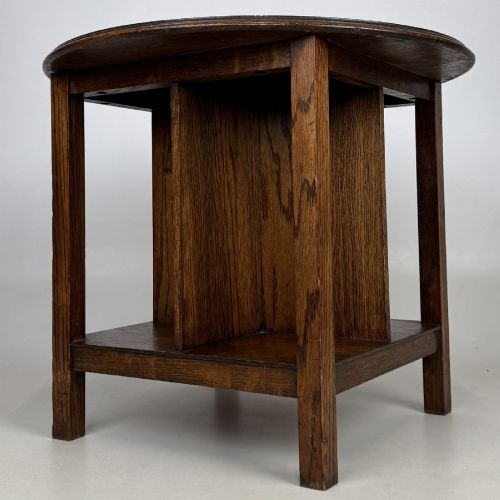
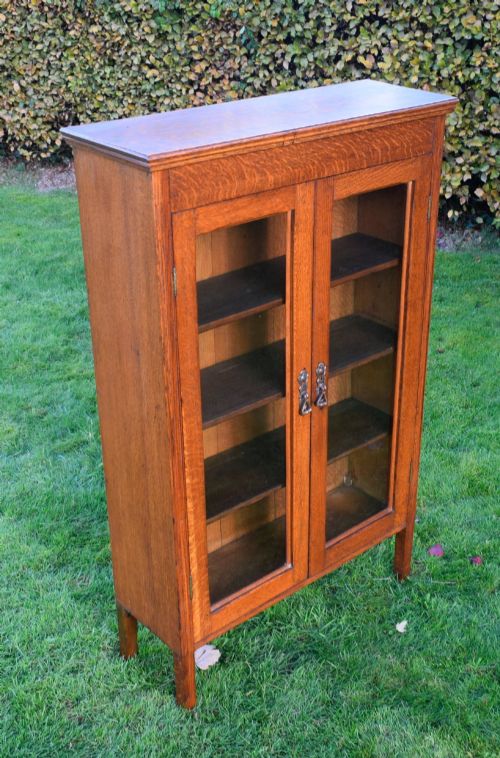
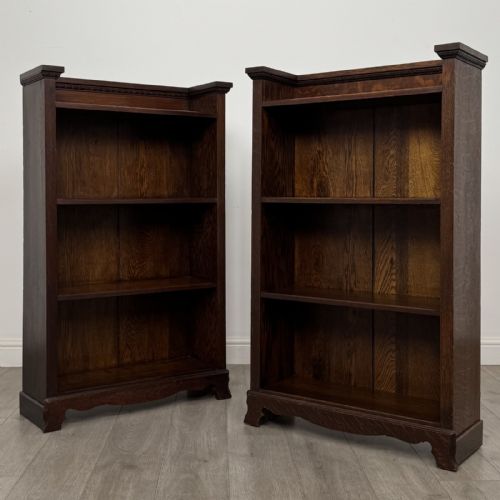
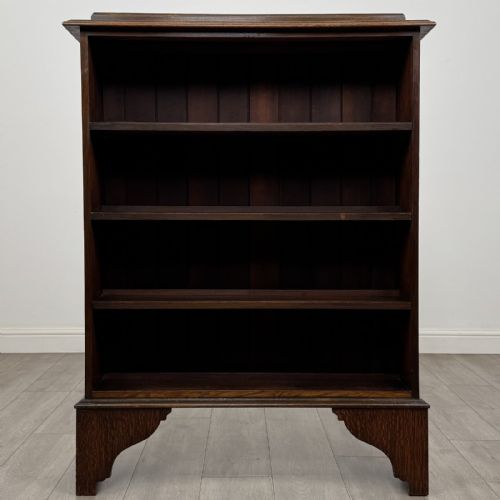
A brown oak book stand brings warm timber grain and functional utility to a study, with revolving designs and open shelves most commonly seen.
Brown Oak Book Stand
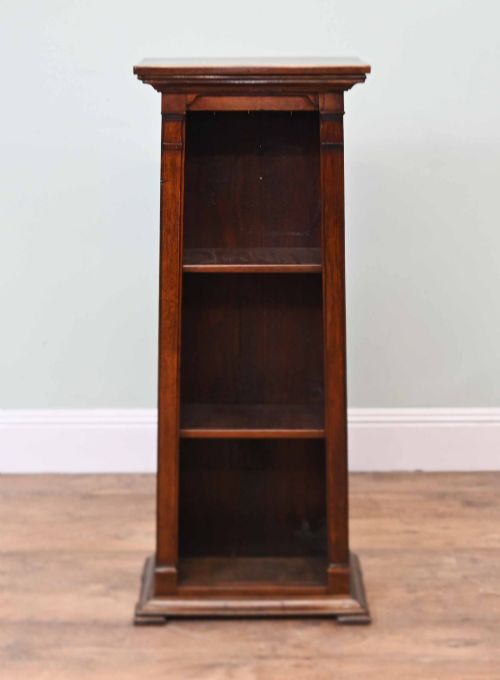
A brown oak book stand serves as a practical repository for volumes, appearing across periods from the Victorian era through the Art Deco years. Buyers searching for a brown oak book stand encounter everything from revolving table-top models to open bookcases and floor-standing lecterns.
The pieces originating from the Edwardian period and the Arts and Crafts movement dominate the selection, bringing distinctive joinery and warm timber tones to domestic libraries and studies. Open shelves, adjustable heights, and revolving mechanisms define the practical forms available on this page.

How they were made
Cabinet makers utilised solid oak and mahogany alongside brass hardware, leather inserts, and glass panels to construct these library pieces. Natural timber grain was often highlighted through polishing, while specialist variations incorporated marquetry and limed finishes.
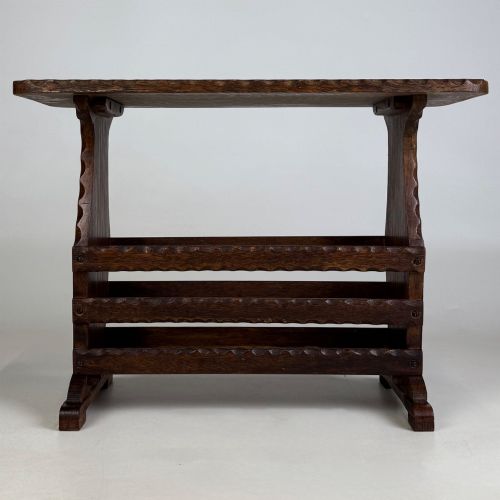
Structural elements frequently combined traditional joinery with cast iron mechanisms in revolving variants and library steps. Carved detailing, fret-cut panels, and moulded edges demonstrate the hand-working methods typical of the late nineteenth and early twentieth centuries.
Brown Oak Book Stand Retail Price Guide 2026
Typical asking prices for brown oak book stand among the pieces listed under this phrase on Sellingantiques today, from the lower quarter to the upper quarter. They describe what is for sale here now, not the wider market.
An eighteenth-century Italian lectern carved as an eagle with outstretched wings stands ready to guard your reading.
What varies in quality
The standard of execution separates workshop pieces from standard commercial output, particularly in the crispness of carved ornament and the smoothness of revolving actions. Superior examples display thoughtful proportion, integrated brass fittings, and deliberate timber selection that accentuates the natural figure of the oak.
Construction methods also dictate longevity, where pieces featuring tight joints and stable shelving outlast simpler alternatives. The presence of hand-carved details or distinctive Arts and Crafts cut-outs indicates a higher degree of craftsmanship than plain utility items.
WYLIE LOCHHEAD of GLASGOW·E.A. TAYLOR
The Brown Oak Book Stand Glossary
- Revolving bookcase
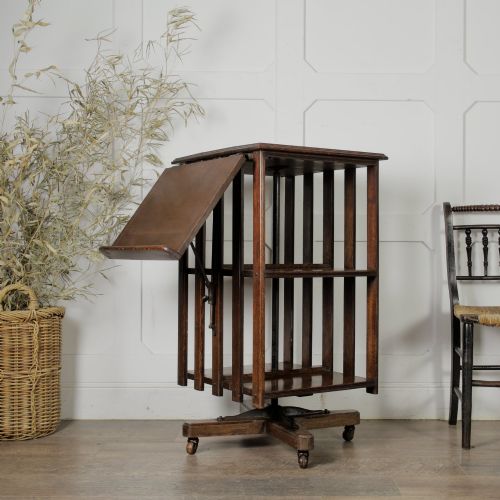
- A freestanding or table-top case mounted on a spindle and spider base allowing access to books from all sides. These pieces turn smoothly on concealed ball bearings or wooden pivots.
- Arts and Crafts
- A design movement spanning the late nineteenth and early twentieth centuries emphasising honest construction, plain surfaces, and visible handcraft. Pieces from this tradition often display decorative cut-outs and subtle chamfering.
- Lectern
- A slanted stand designed to support a book at an angle for reading aloud or reference. These reading stands frequently appear in oak and sometimes feature carved supports or adjustable heights.
- Waterfall bookcase
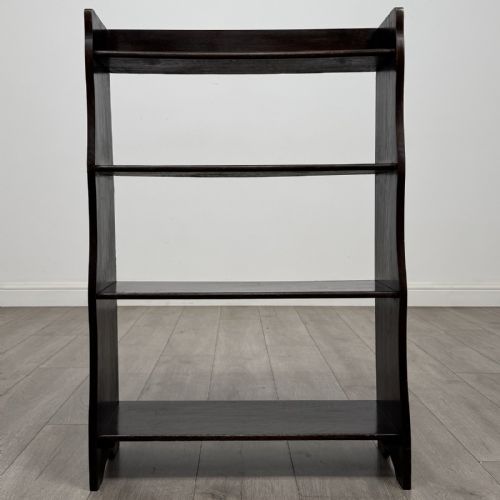
- A tiered shelving unit where each upper shelf is set back from the one below, creating a stepped profile. This form gained popularity during the Edwardian period for displaying smaller collections.
Brown Oak Book Stand: Frequently Asked Questions
How do I date an oak book stand?
Dating relies upon stylistic markers, construction techniques, and timber characteristics associated with specific periods such as the Edwardian era or the Arts and Crafts movement. Machine-cut screws and standardised fixings typically point toward later twentieth-century production.
Examining the backboards and interior joinery reveals how the piece was assembled. Hand-planed surfaces and pegged joints generally indicate earlier Victorian or nineteenth-century craftsmanship.
Are revolving book stands stable?
Most revolving stands utilise a heavy internal iron or wooden spider base designed to counterbalance loaded shelves. Properly adjusted mechanisms allow smooth rotation without tipping.
Placing heavier folios on the lower tiers maintains a safe centre of gravity. Regular dusting of the concealed bearing mechanism ensures the rotation remains balanced over time.
How do I care for antique oak furniture?
Maintaining oak furniture involves keeping pieces away from direct heat sources and drastic humidity changes to prevent timber splitting. Gentle dusting with a dry lint-free cloth preserves the polished surface.
Applying a traditional beeswax polish periodically nourishes the grain without building up heavy residues. Avoid modern silicone sprays that can penetrate and alter the timber finish.