
Brown Marquetry Display Stand
A brown marquetry display stand combines intricate wood inlay with elevated display space, bringing warmth and decorative interest to a room.
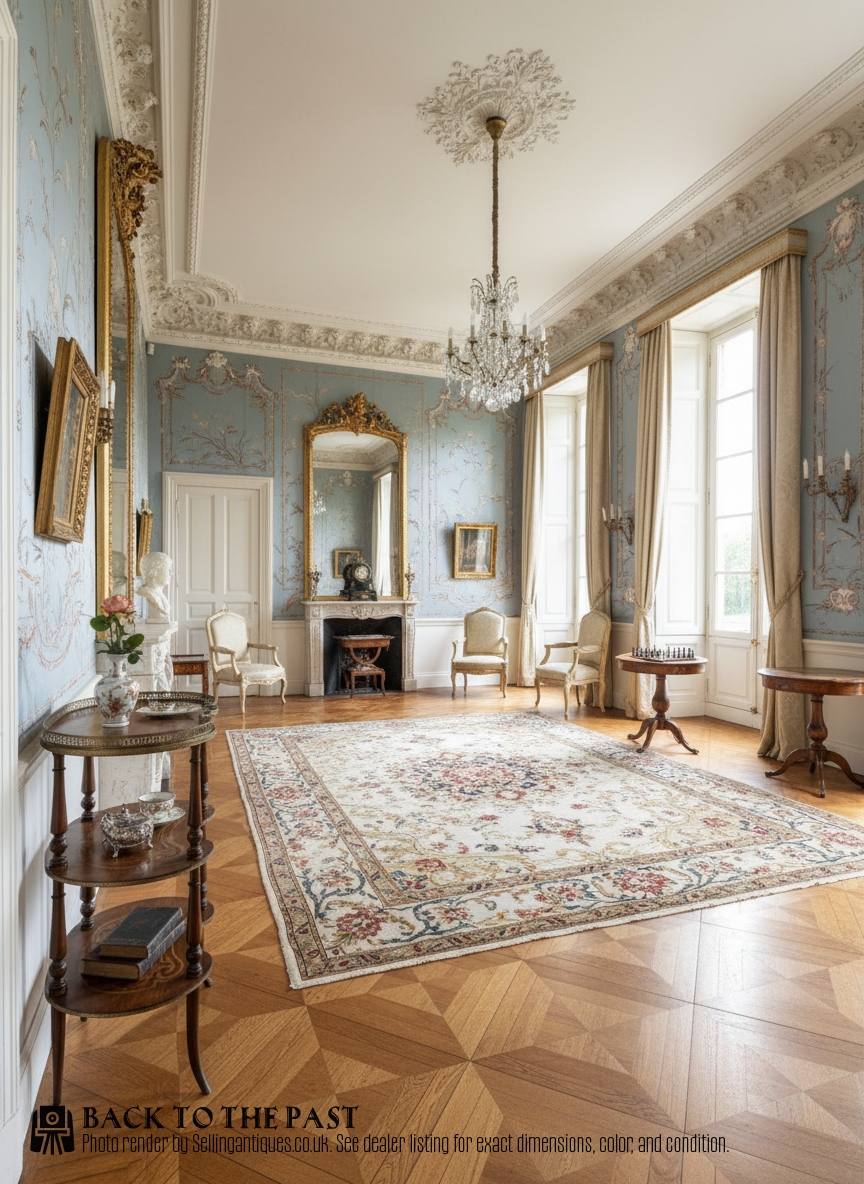
Brown Marquetry Display Stand
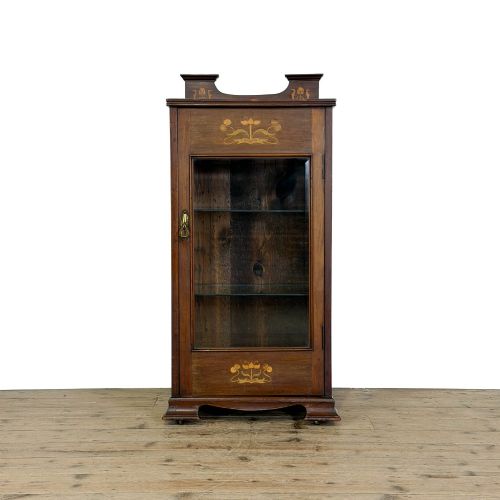
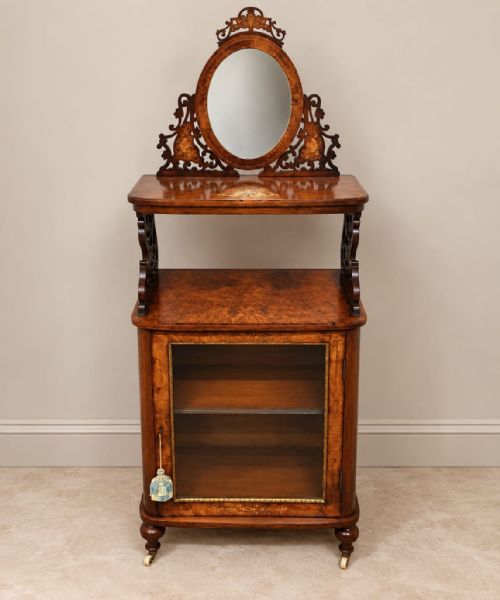
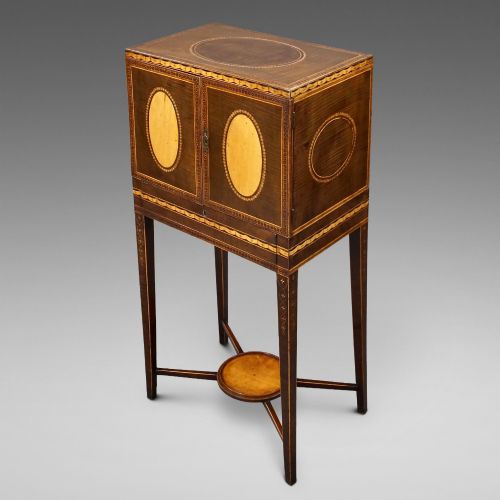
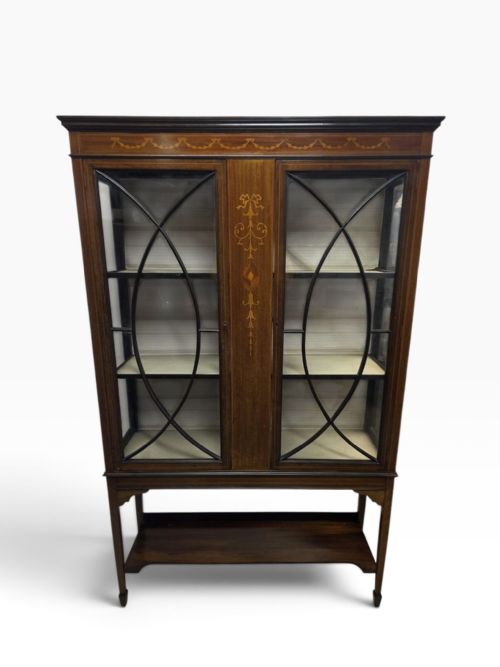
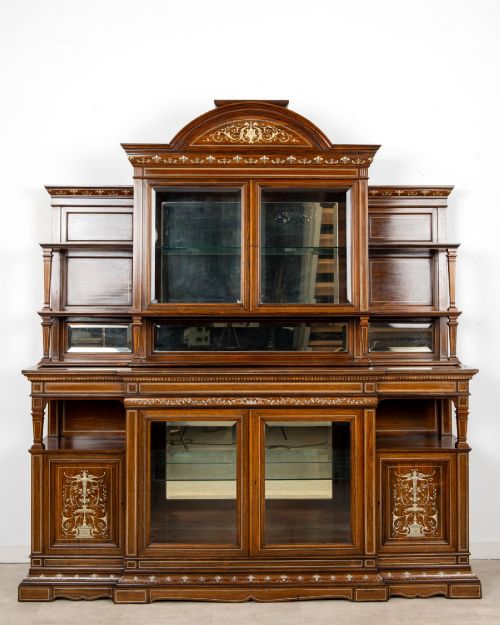
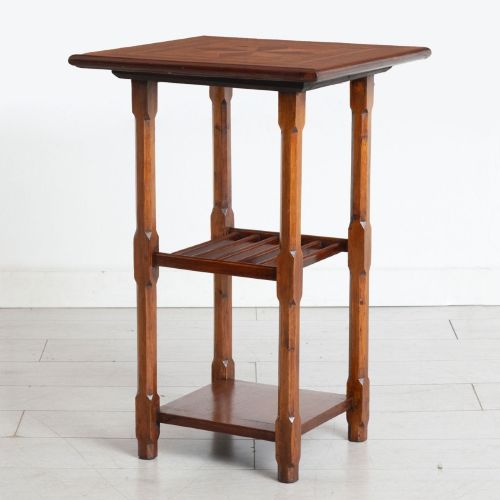
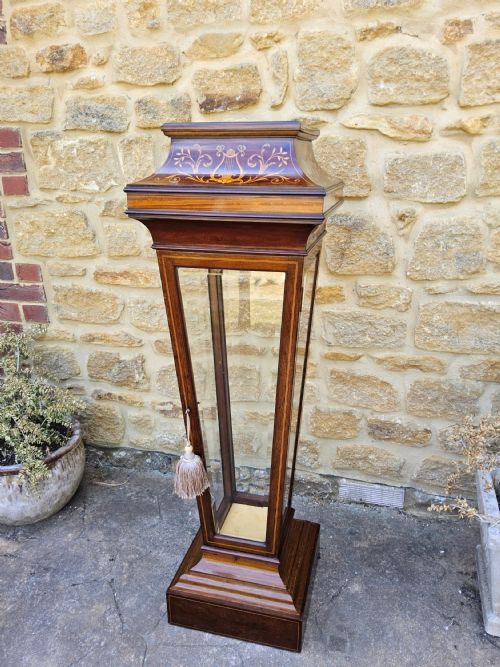
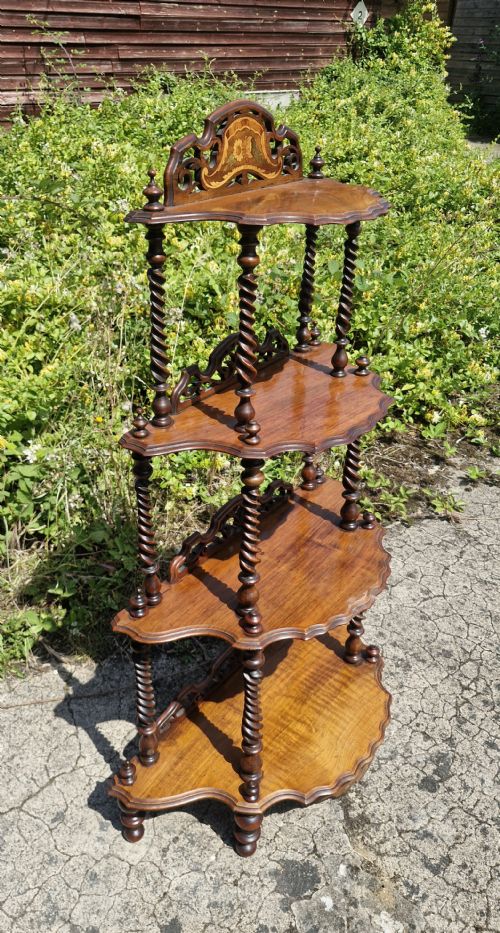
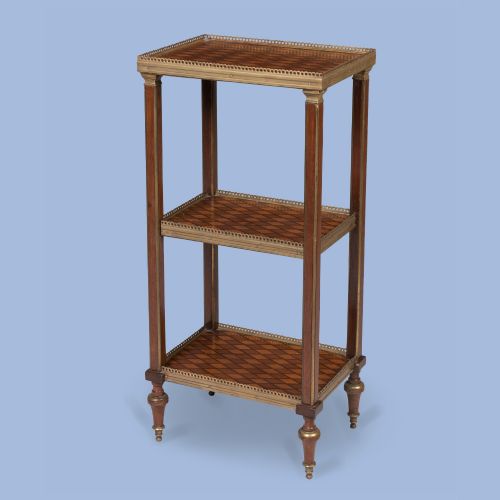
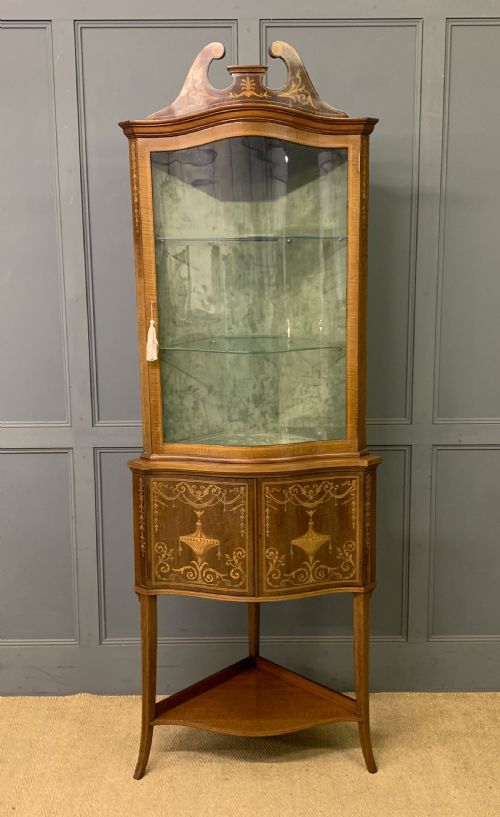
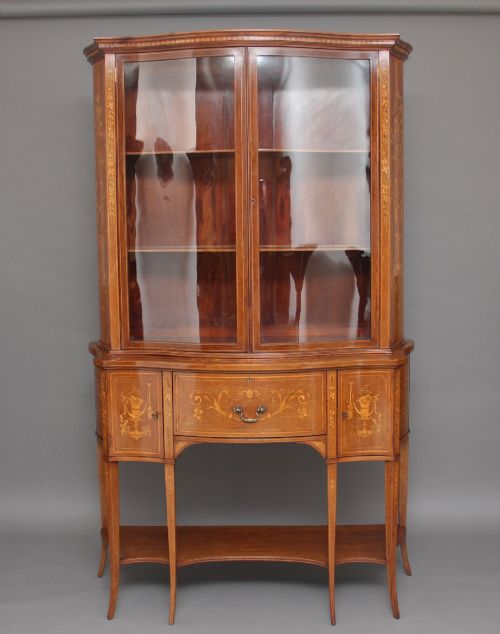
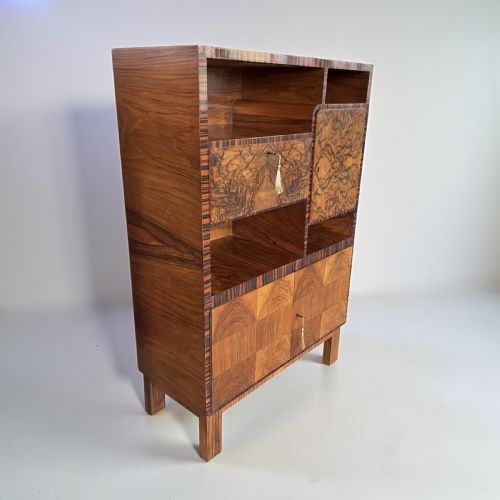
A brown marquetry display stand encompasses a variety of elevated wooden furniture forms designed to showcase objects, ranging from freestanding cabinets and corner units to multi-tiered etageres and occasional tables. These pieces frequently feature rich brown timbers ornamented with contrasting patterns of inlaid wood.
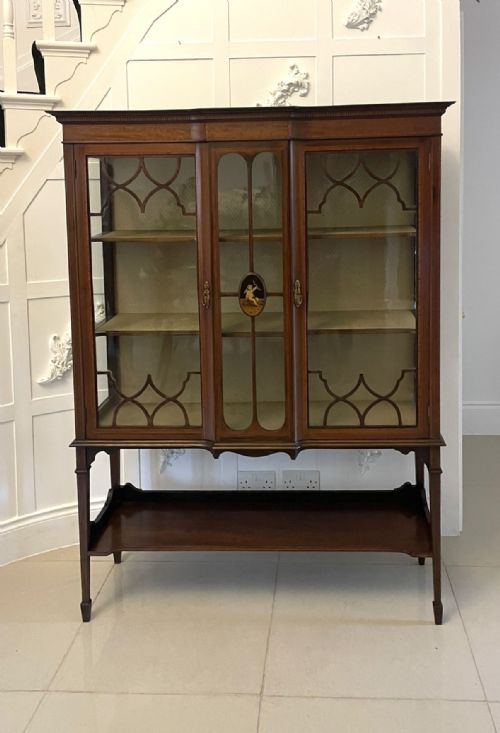
The selections on this page are dominated by Edwardian and Victorian examples, alongside 18th-century and 1930s pieces. Makers and workshops of these periods utilised forms such as glazed display cabinets, side tables, and standing whatnots to display precious items while introducing distinct styles like Sheraton Revival and French Louis XV into domestic interiors.
How they were made
The construction of these stands relies on dense, durable primary timbers such as mahogany, walnut, rosewood, and harewood. These woods provide a stable carcase or frame capable of supporting glass panels and multiple tiers.
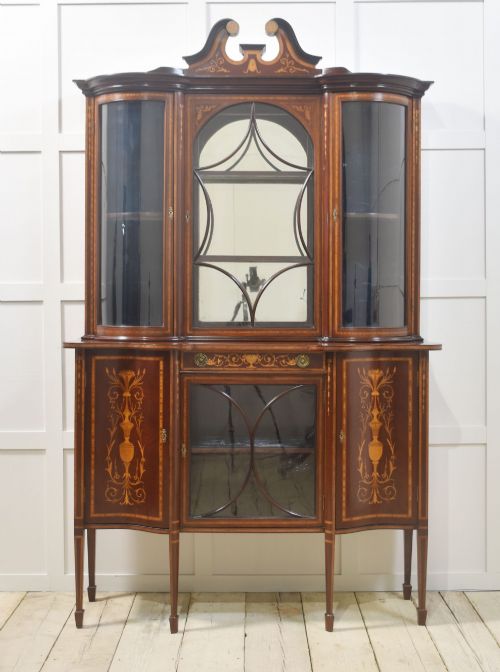
Decorative surfaces are achieved through detailed marquetry and satinwood inlay, often incorporating boxwood and brass elements. Craftsmen cut contrasting veneers to form floral, geometric, or classical motifs, which were then fitted precisely into the primary wood background.
Even a humble corner stand can transform an awkward empty nook into a stage for your favourite curiosities.
What varies in quality
Quality in these pieces is rooted in the precision of the marquetry work and the choice of timbers. Finer examples display tight, seamless veneer joints and subtle tonal shifts within the inlaid motifs, whereas simpler items rely on more repetitive or stamped patterns.
Structural harmony also dictates value, seen in how well glazing bars are proportioned, how securely tiers are joined, and whether secondary woods are chosen with care. Pieces attributed to notable workshops demonstrate a superior refinement in carving and overall silhouette.
Collinson & Lock·Edwards & Roberts·Shapland & Petter
The Brown Marquetry Display Stand Glossary
- Marquetry
- Decorative veneer work forming pictures or patterns by fitting together small pieces of various woods. It transforms plain wooden surfaces into ornate pictorial panels.
- Etagere
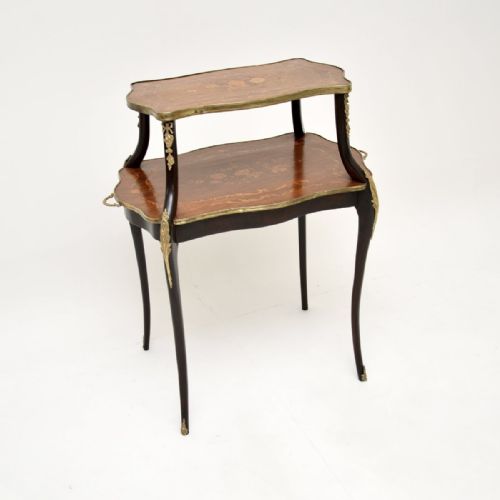
- A piece of furniture consisting of a set of open shelves for displaying small objects. These multi-tiered stands became popular in the 19th century.
- Whatnot
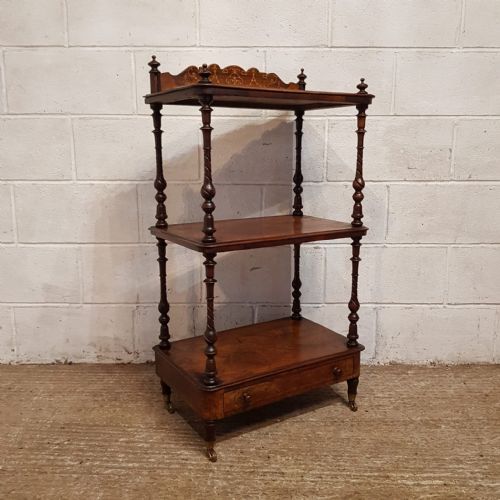
- An open set of shelves used for displaying ornaments or books. Victorian versions often feature three or four tiers supported by slender columns.
- Satinwood
- A pale, lustrous timber native to India and Ceylon, frequently used for contrasting inlay and stringing. Its bright yellow-brown grain highlights darker woods.
- Harewood
- Sycamore wood stained green, often associated with high-end 18th-century cabinet making. It provides a distinctive soft grey-green hue to marquetry details.
Brown Marquetry Display Stand: Frequently Asked Questions
What is a brown marquetry display stand used for?
These stands are designed to elevate and exhibit decorative objects, porcelain, or books within a living space. Their open shelves or glazed cabinets protect treasured items while adding visual texture to a room.
Historically, they served as both functional storage and polite display pieces in drawing rooms and parlours. Today, they continue to function as focal points that organise and highlight collections.
How do I date a display stand?
Dating relies on observing the primary wood, the style of inlay, and structural construction methods. Pieces from the Victorian era often feature burr walnut and heavier proportions, while Edwardian examples frequently show lighter mahogany frames influenced by Sheraton Revival designs.
Details such as the cut of the veneer, the presence of specific brass hardware, and stylistic hints like Art Nouveau or French Louis XV styling help narrow down the decade of manufacture.
Where should I place a corner display cabinet?
Corner cabinets are shaped to fit neatly into domestic room angles, making them ideal for utilising dead space in dining rooms or studies. They draw the eye upward and frame smaller collections without dominating the floor plan.
When positioning one, consider natural light sources to ensure glazed doors or open shelves illuminate the objects stored inside effectively.
What is the difference between an etagere and a whatnot?
While both refer to multi-tiered shelving units, an etagere often leans toward lighter, more decorative French-influenced designs intended for occasional display. A whatnot typically describes sturdy Victorian multi-tier stands with three or four fixed shelves.
Both forms utilise slender upright supports, but whatnots frequently incorporate cabinet space or drawers at the base.
How do I care for inlaid wood furniture?
Inlaid surfaces require stable indoor humidity levels and protection from direct sunlight to prevent the delicate veneers from lifting or fading. Regular dusting with a soft, dry cloth maintains the finish without moisture damage.
Avoid placing these stands near direct heat sources, which can dry out the historic glues holding the marquetry and satinwood inlay in place.