
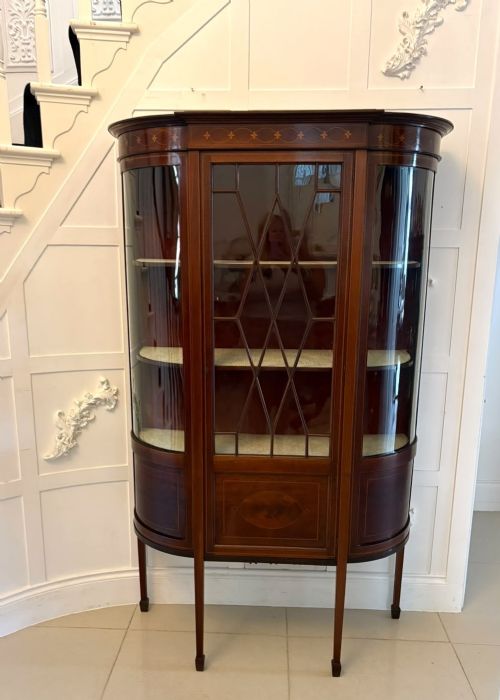
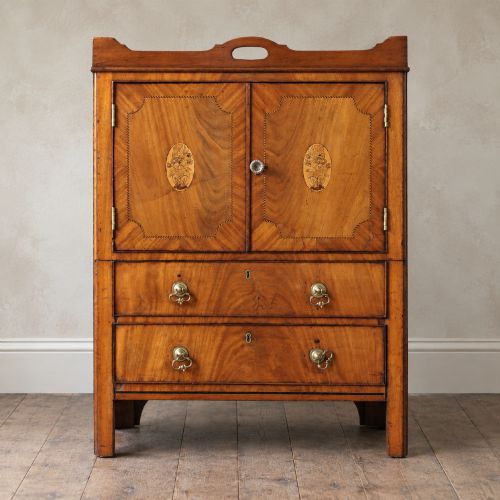
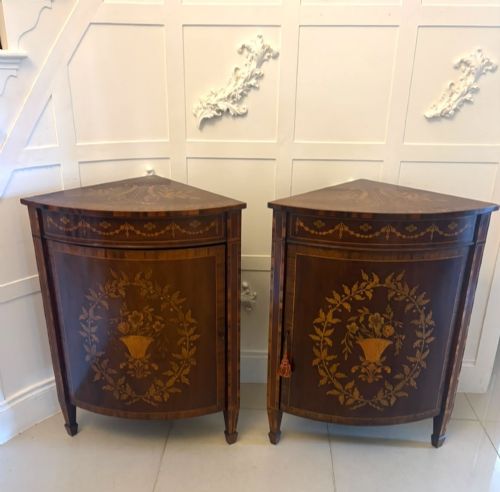
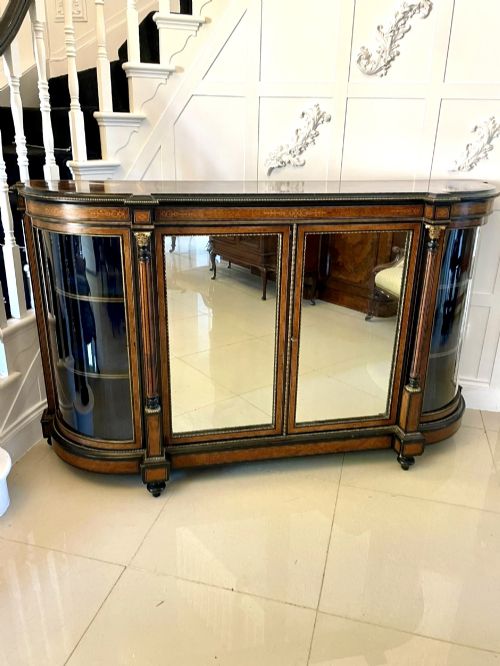
Brown Marquetry Cabinet
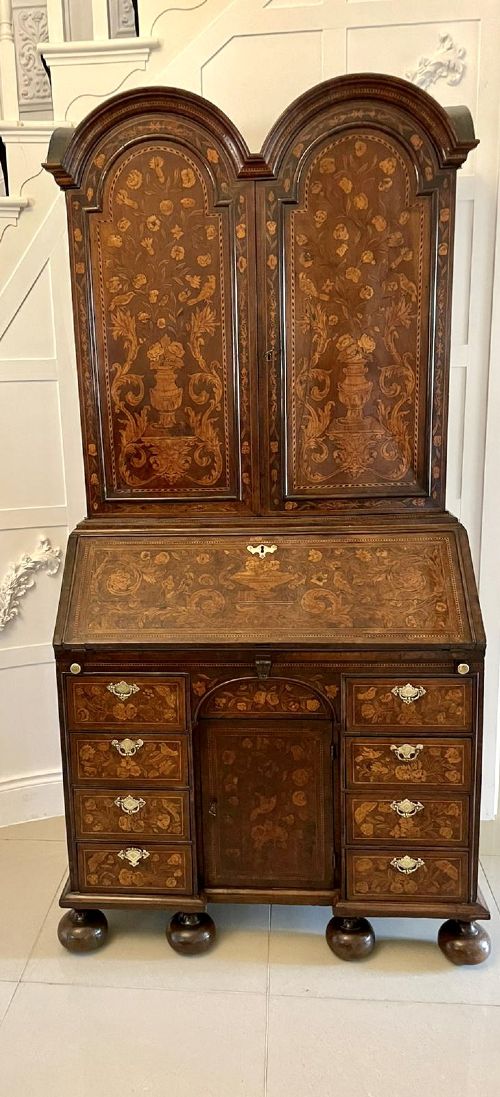
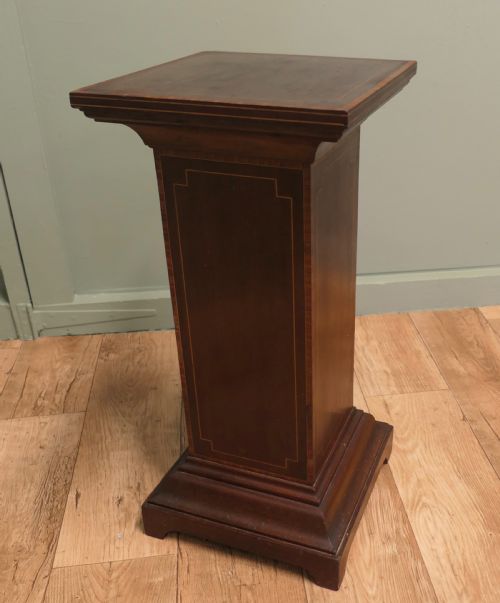
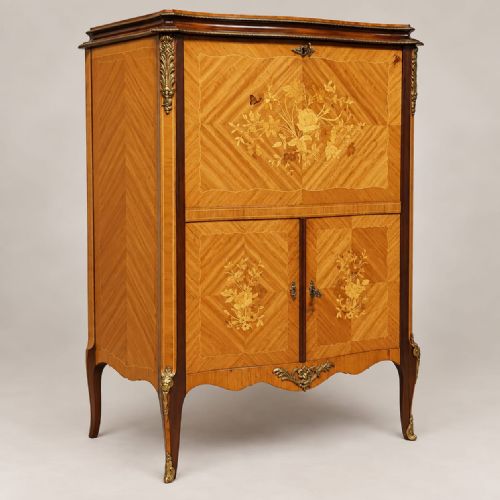
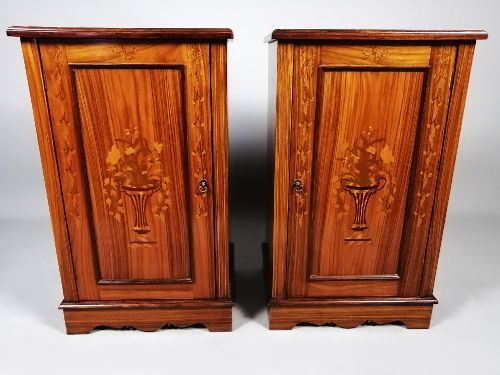
A brown marquetry cabinet brings together rich woods and detailed floral or pictorial inlay across centuries of cabinet-making.
Brown Marquetry Cabinet
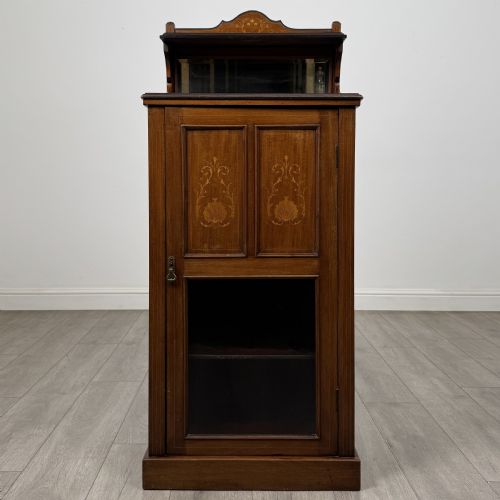
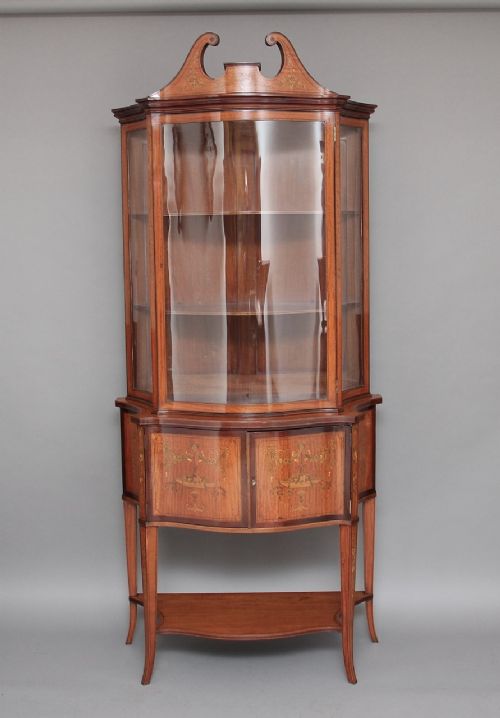
A brown marquetry cabinet encompasses pieces built for storage and display, originating from periods such as the 18th century, the Victorian era, and the Edwardian period.
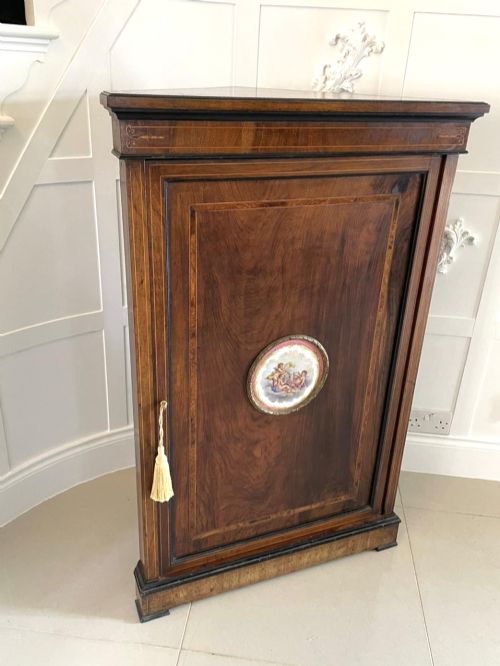
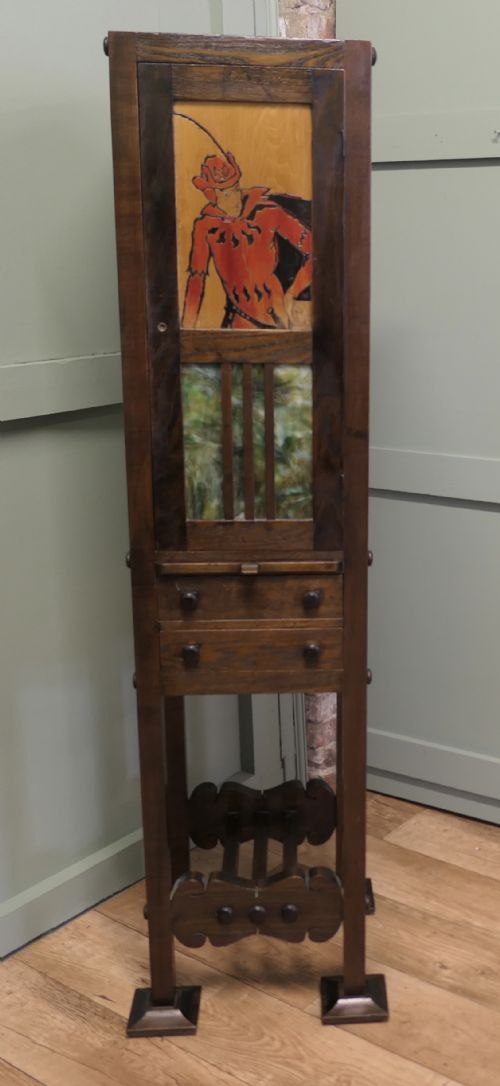
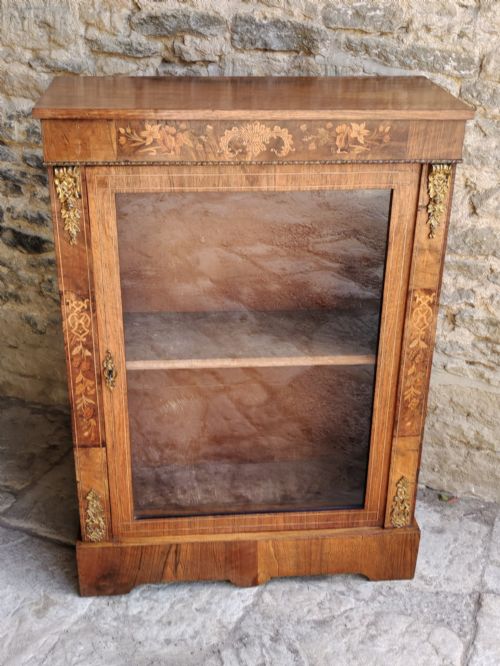
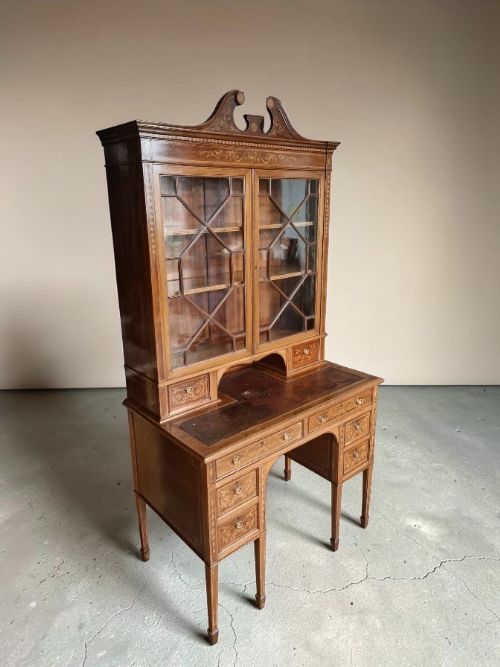
Buyers searching for this phrase encounter various forms, including display cabinets, credenzas, side cabinets, linen presses, and bureau bookcases.
Many examples reflect regional styles such as Dutch Baroque, Dutch Rococo, Georgian, Sheraton Revival, and French Louis XV Revival.
Materials and Techniques
Craftsmen built these pieces using foundational timbers such as mahogany, walnut, burr walnut, rosewood, and satinwood, often enhanced with contrasting veneers for floral and geometric marquetry.
Surface decoration frequently incorporates brass mounts, ormolu, glass panels, and marble tops, paired with hand-cut inlay work that defines the marquetry technique.
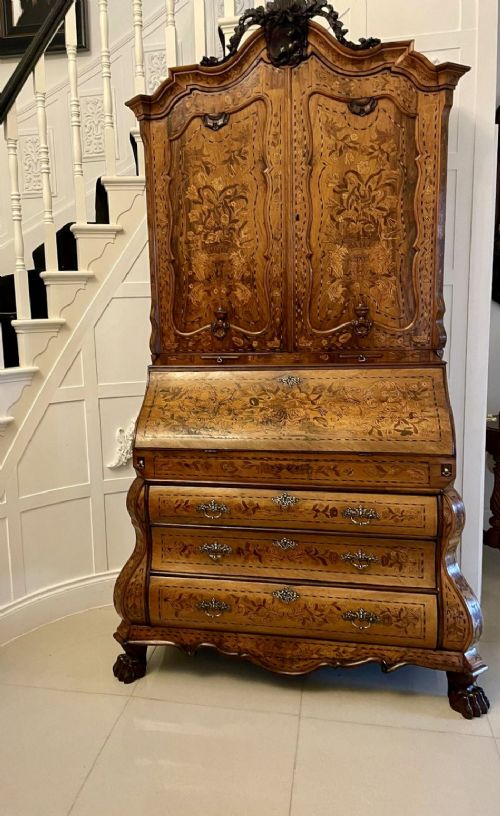
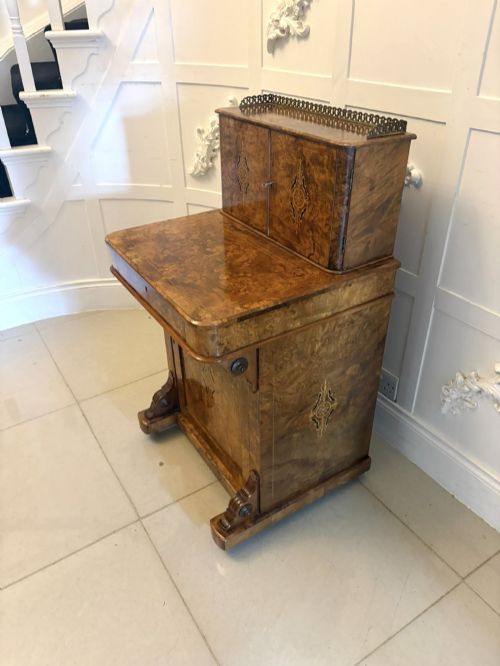
Several cabinets manage to hide entire writing desks and secret compartments beneath layers of cheerful Dutch floral marquetry.
Judging Quality
The standard of a piece depends on the precision of the marquetry cutting and the choice of timbers, where burr walnut, satinwood, and rosewood create greater visual depth.
Construction methods, such as the integration of matching brass hardware, fine timber secondary woods, and well-balanced proportions, distinguish finer examples from simpler workshop output.
Hewetsons London·Collinson and Lock·Edwards and Roberts
The Brown Marquetry Cabinet Glossary
- Marquetry
- Decorative veneer work arranged in pictorial or floral patterns on a wooden ground. This technique uses contrasting woods to create detailed surface designs.
- Credenza
- A sideboard or low cabinet, often enclosed with doors, popular in the Victorian period. These pieces frequently incorporate marquetry inlay and glass doors.
- Bombe
- A swollen or bulging convex shape found on the front and sides of certain 18th-century cabinets and chests. This contour requires specialised woodworking skill to execute.
- Ormolu
- Gilt bronze mounts applied to furniture for decorative effect. It appears regularly on French-influenced cabinets and credenzas.
- Pier cabinet
- A narrow cabinet designed to stand against the wall space between windows. They are typically glazed and feature inlaid walnut or mahogany.
Brown Marquetry Cabinet: Frequently Asked Questions
What periods do these cabinets come from?
The pieces span several centuries, including 18th-century Dutch and Georgian examples, as well as 19th-century Victorian and Edwardian items.
Craftsmanship and decorative styles shifted across these periods, moving from Dutch floral marquetry to Victorian revival designs and Edwardian satinwood inlay.
How were these cabinets used originally?
They served multiple domestic functions, from storing household linen and books to displaying porcelain and precious objects.
Credenzas and display cabinets were often placed in formal reception rooms, while smaller bureau cabinets functioned as writing desks.
What woods are typically used?
Primary timbers include mahogany and walnut, alongside highly figured burr walnut, rosewood, and satinwood.
Contrasting woods form the intricate marquetry patterns, set against these darker grounding timbers.
How do I care for marquetry furniture?
Keep wooden pieces away from direct sunlight and steady temperature fluctuations to protect the delicate veneer and inlay.
Apply traditional furniture wax sparingly and polish with a soft cloth to maintain the finish of the wood.
What is the difference between marquetry and inlay?
Marquetry involves assembling a complete picture or pattern from various veneers before gluing it to the carcase surface.
Inlay generally refers to cutting recesses into a solid wood base and fitting contrasting materials directly into those cavities.