

Brown Marquetry Accent Tables
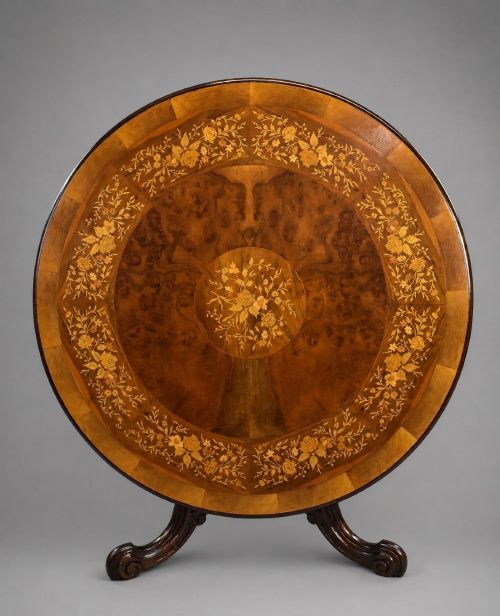
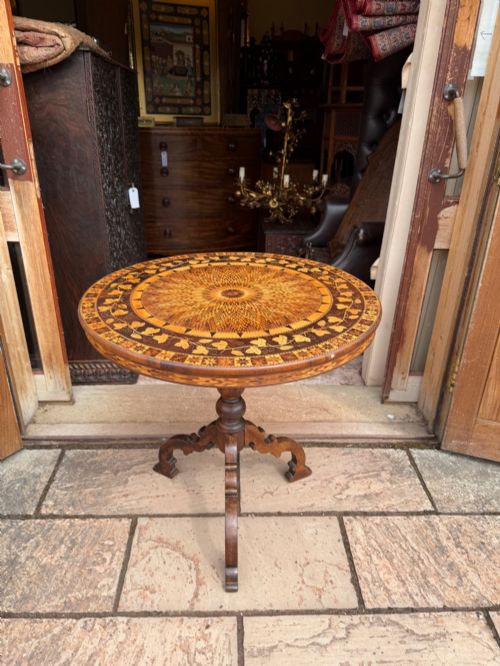
Brown marquetry accent tables bring intricate timber patterns and rich warmth into a room, serving as striking focal points.
Brown Marquetry Accent Tables
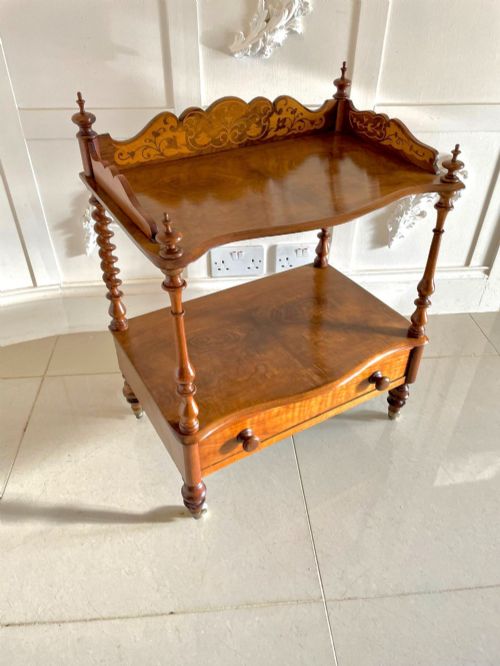
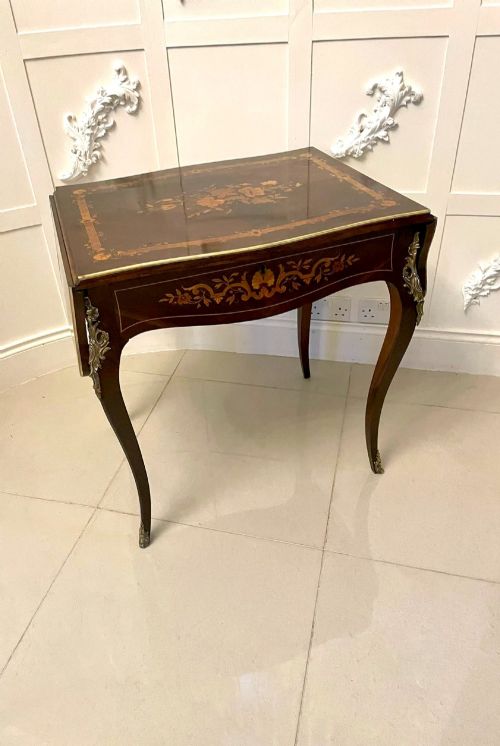
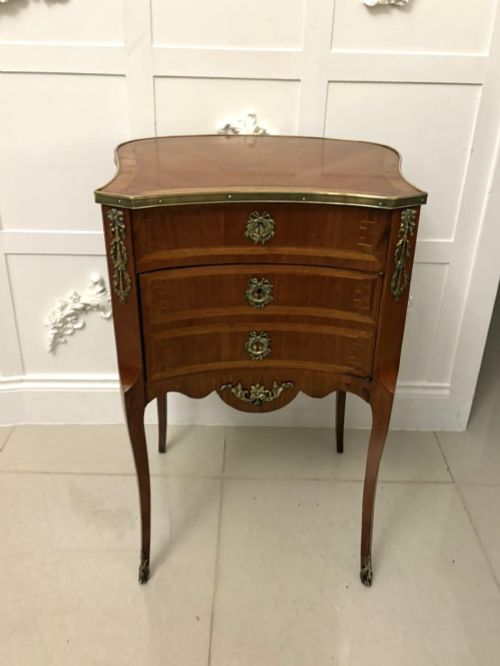
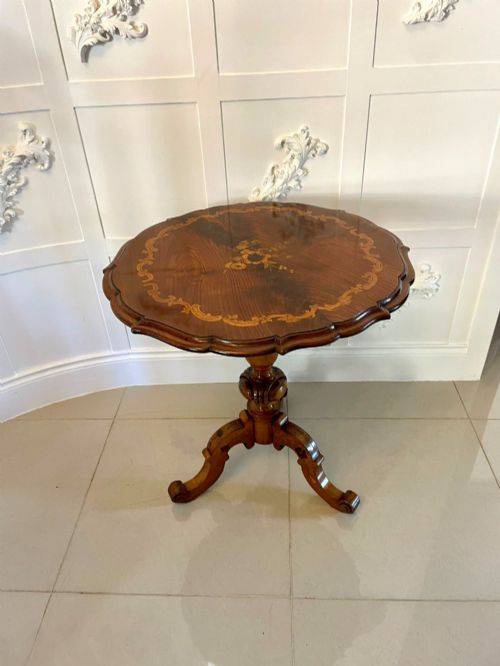
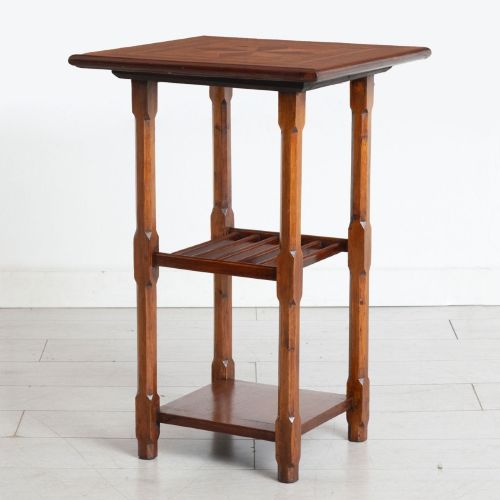
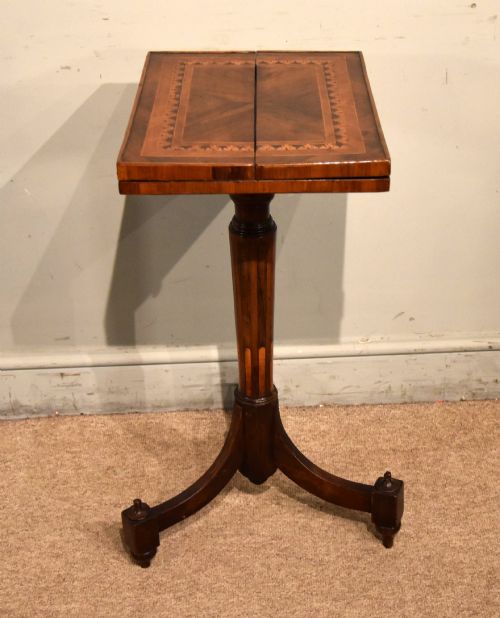
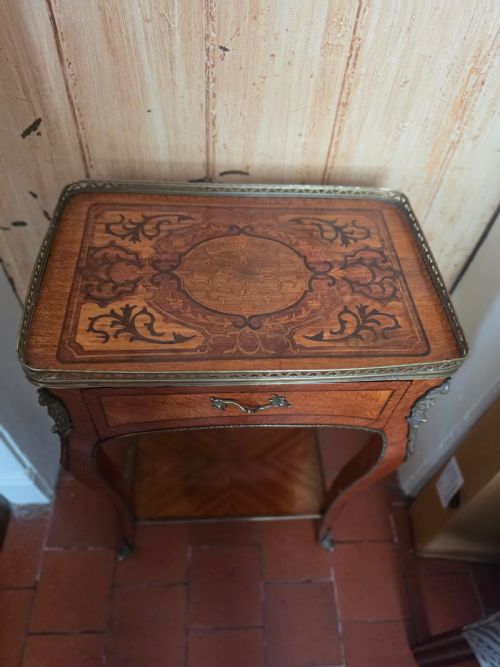
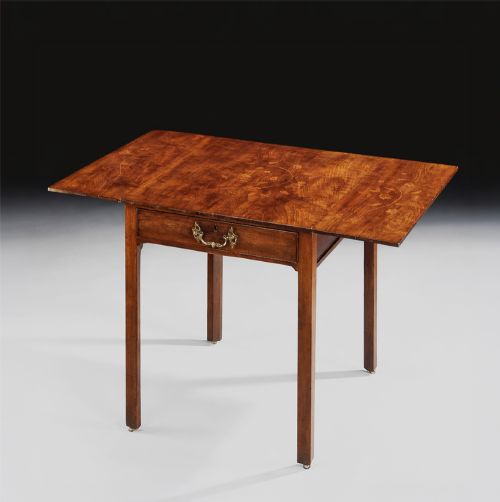
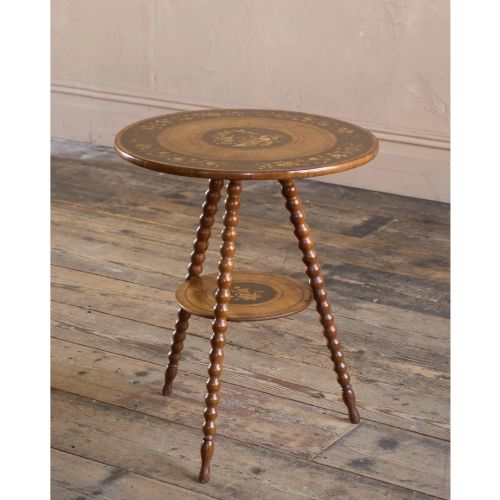
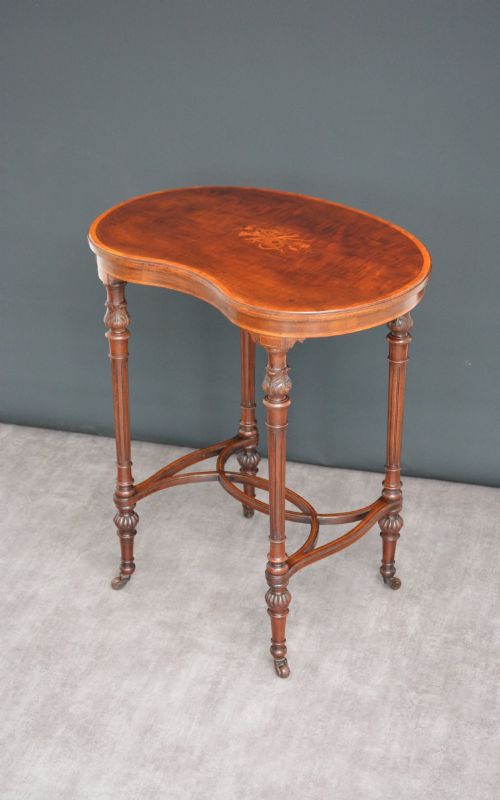
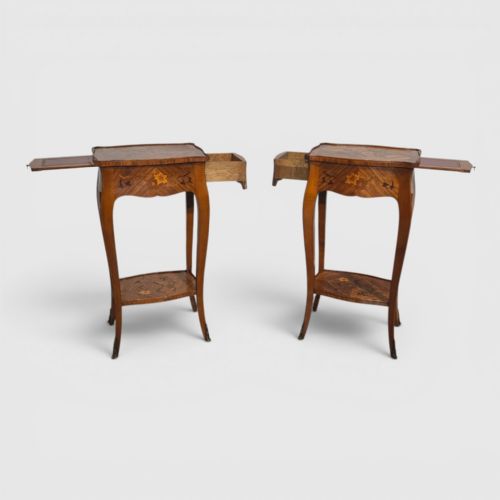
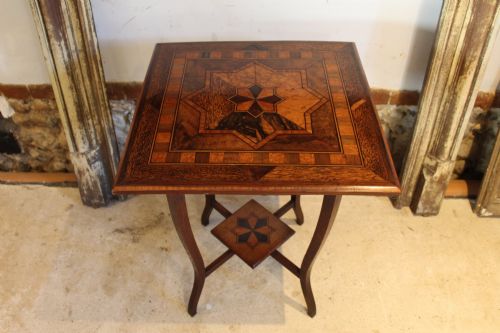
Brown marquetry accent tables encompass a variety of small occasional pieces, including lamp tables, centre tables, nests of tables, and side tables. Buyers seeking these items will encounter numerous examples originating from the Victorian and Edwardian eras, alongside continental French and Dutch productions.
The assortment spans diverse silhouettes, from oval and kidney-shaped surfaces to octagonal and rectangular forms. These pieces function primarily as decorative yet practical furniture designed to hold lamps, books, or decorative objects within a reception room.
Earlier pieces from the eighteenth century appear alongside nineteenth-century revivals of Louis XV and French Rococo styles. Walnut and mahogany serve as the predominant foundational timbers for these designs.
Materials and Technique
Craftsmen built these tables using sturdy carcase timbers such as mahogany, walnut, and satinwood, upon which decorative veneers were applied. Marquetry techniques involved cutting intricate pictorial or floral patterns from contrasting wood veneers like boxwood, kingwood, and rosewood, then fitting them meticulously into a ground veneer.
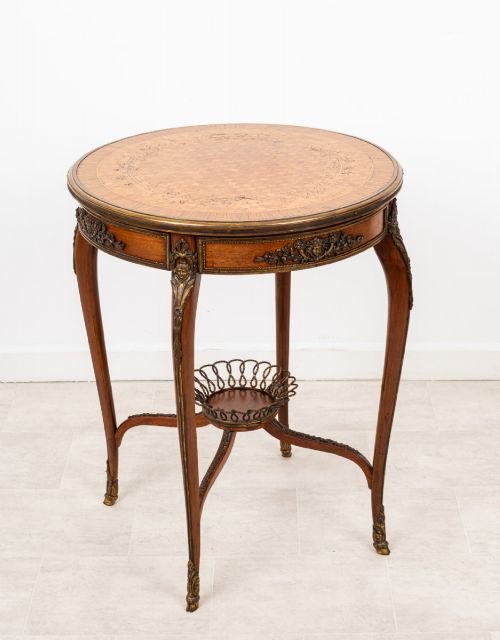
Many continental and revival pieces incorporate cast or gilt orrmolu mounts to accent the curves of the legs and aprons. Secondary timbers such as oak or pine often constitute the internal framing of drawers and carcases.
Listings feature walnut, mahogany, rosewood, and satinwood materials across Victorian, Edwardian, and eighteenth-century periods.
Standard and Execution
The distinction between ordinary and exceptional examples rests upon the precision of the veneer cutting and the complexity of the pictorial inlay. Finer pieces demonstrate seamless integration of contrasting woods, where floral or geometric motifs align harmoniously across the entire table top.
The choice of foundational timber also dictates calibre, with burr walnut and figured mahogany elevating the visual depth of the piece. Furthermore, the crispness of cast ormolu mounts and the fluidity of hand-carved cabriole legs differentiate standard production from exhibition quality work.
Émile Gallé·François Linke
The Brown Marquetry Accent Tables Glossary
- Marquetry
- The decorative art of applying small pieces of veneer to a structure to form intricate designs or pictures. This technique allows artisans to utilise the natural colours and grains of various exotic and domestic woods.
- Veneer
- A thin slice of figured or decorative wood applied to a structurally stable underlying timber. This method provides the rich appearance of costly hardwoods without the instability of solid construction.
- Ormolu
- Gilded bronze mounts used extensively on furniture frames, feet, and edges during the eighteenth and nineteenth centuries. The metalwork adds ornate metallic highlights to the wooden surfaces.
- Cabriole leg
- A furniture leg that curves outward at the knee and tapers inward toward the ankle, mimicking the shape of an animal's limb. It is a defining characteristic of many revival and period tables.
- Satinwood
- A durable, yellowish wood prized for its lustrous sheen and smooth texture. It frequently serves as a contrasting inlay material or primary veneer in lighter furniture designs.
Brown Marquetry Accent Tables: Frequently Asked Questions
How do I care for my table?
Keep these tables away from direct sunlight and strong heat sources to prevent the wood veneers from drying and lifting. Dust them gently with a dry, soft cloth and avoid chemical polishes that may damage the polished finish.
Maintaining a stable room humidity preserves both the wooden structure and any delicate ormolu mounts. Lift the table entirely rather than dragging it when repositioning it within a room.
How are Victorian and Edwardian tables different?
Victorian examples often favour darker, heavily figured burr walnut with elaborate floral marquetry and robust proportions. They frequently manifest rich tones and substantial framing suitable for formal nineteenth-century interiors.
Edwardian pieces tend toward lighter satinwood or mahogany timbers, often reflecting Sheraton or lighter neoclassical revivals. Their silhouettes are frequently more delicate, incorporating slender legs and refined stringing.
Where were these tables placed?
Historically, these tables occupied prominent positions in drawing rooms and parlours to display lamps, porcelain, or decorative objects. Centre tables stood freestanding in the middle of a room, while lamp and side tables rested against walls or beside upholstered seating.
Today, they serve similar functional roles in modern homes as flexible surface areas in sitting rooms and bedrooms. Their decorative tops allow them to function as standalone visual accents even when unoccupied.