


Walnut Occasional Lamp Tables
Walnut occasional lamp tables provide a sturdy surface for lighting and small objects while bringing rich timber grain into a room.
Walnut Occasional Lamp Tables
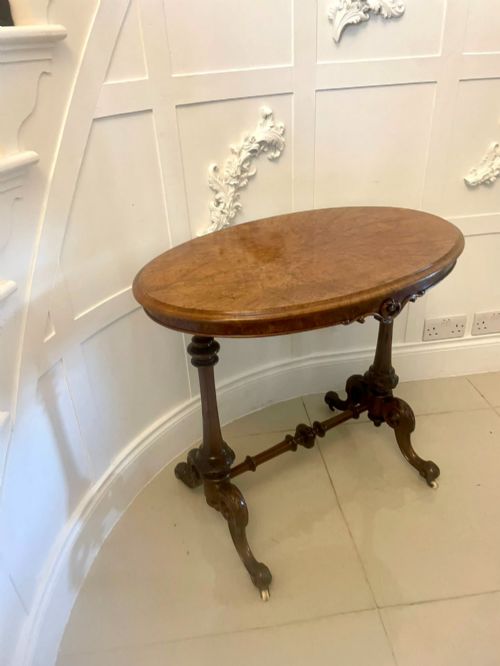
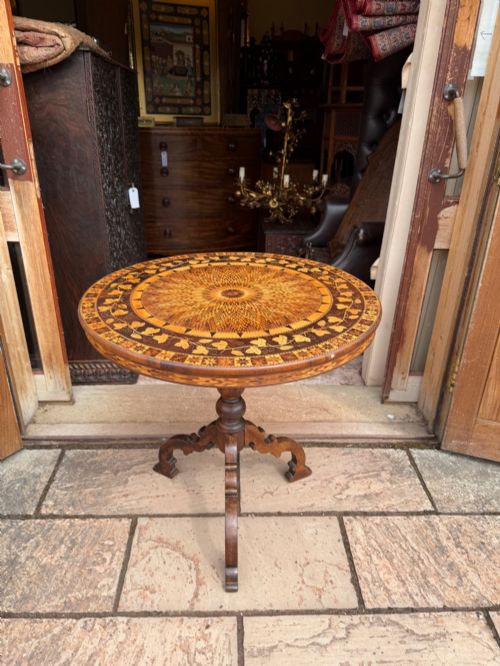
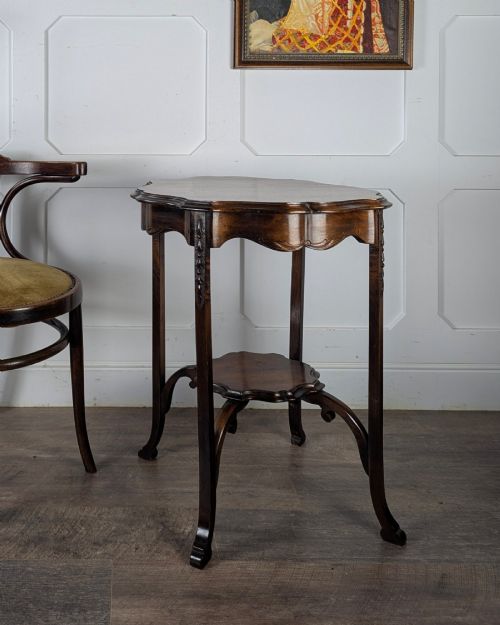
When you search for walnut occasional lamp tables, you find small, movable tables designed to hold lamps, drinks or decorative items beside seating. The pieces on this page span the Victorian era, the Edwardian period and the Art Deco years, alongside various 19th-century designs.
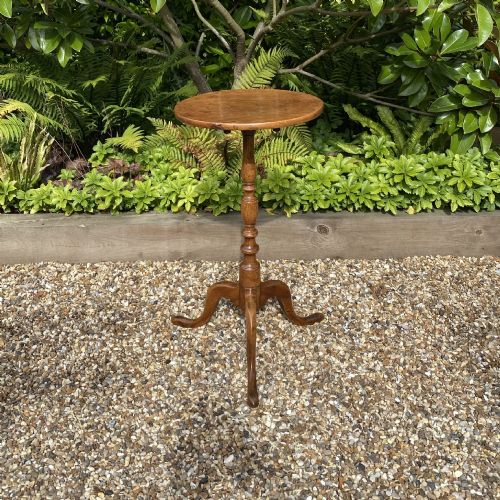
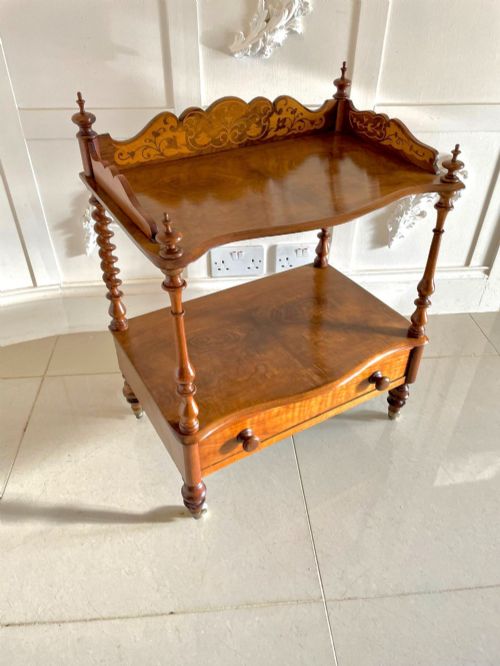
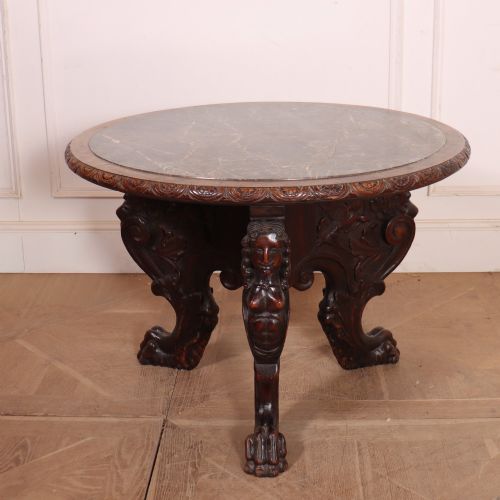
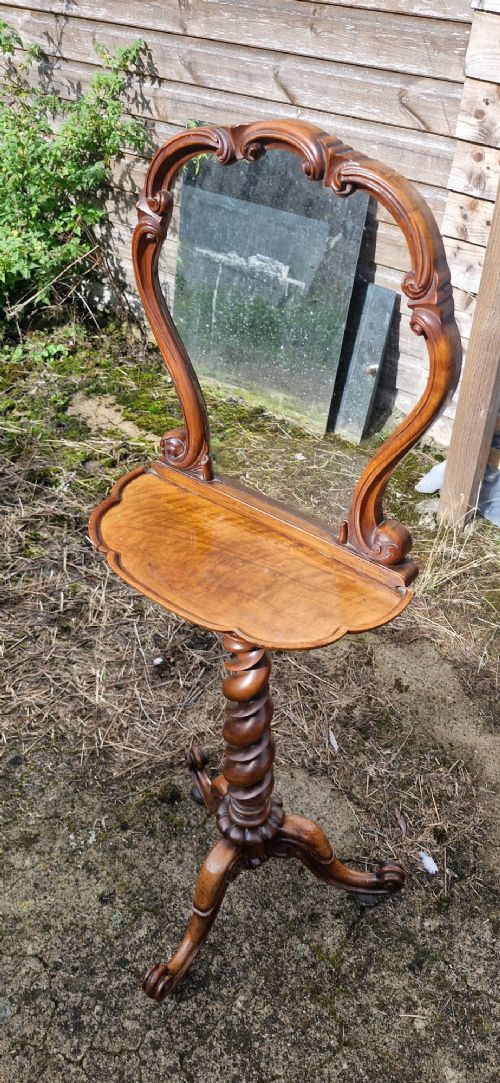
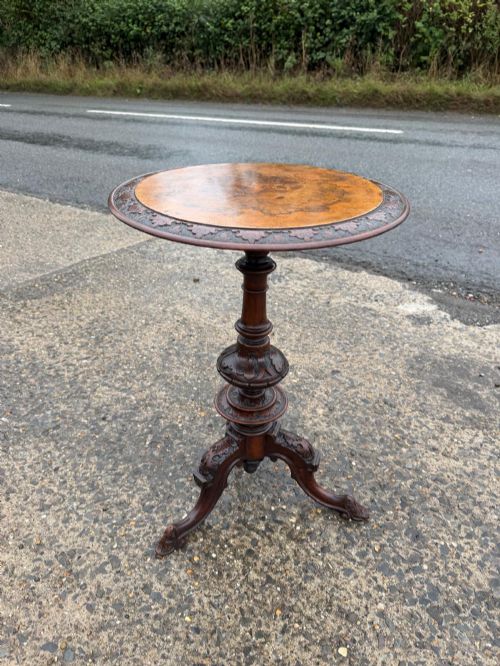
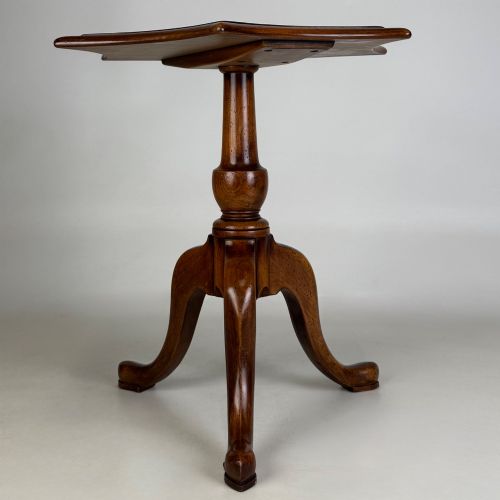
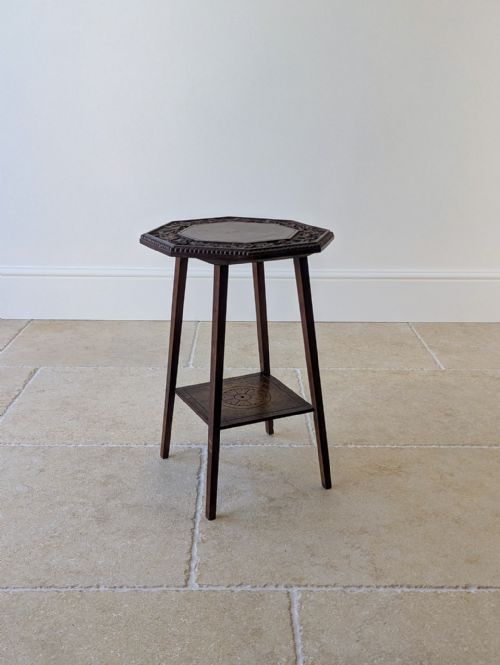
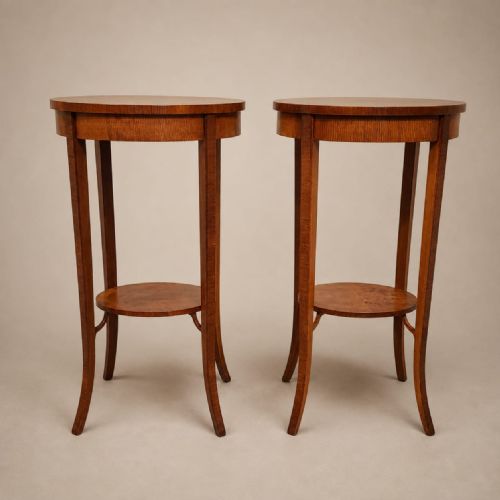
Most examples function as side tables, occasional tables or lamp stands, often featuring pedestal bases or tripod legs. They appear in forms ranging from simple circular tops to elaborate multi-tiered or inlaid surfaces.
Origins stretch across English, French and Italian workshops, capturing styles from Arts and Crafts and the Aesthetic Movement to Queen Anne revival. Buyers seek these items to add functional surface area and historical character to sitting rooms.
How they were made
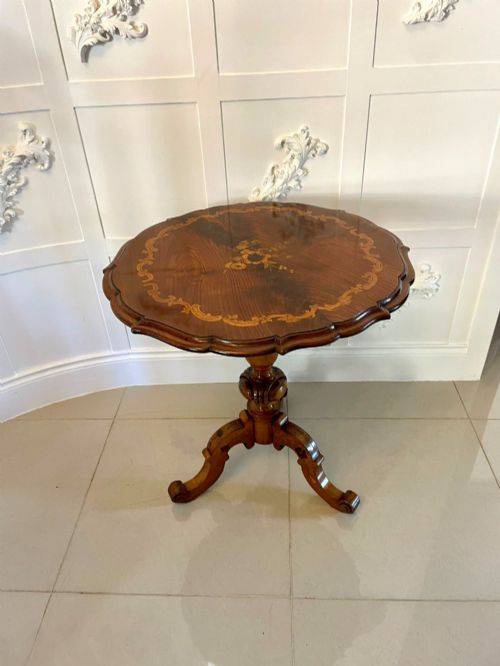
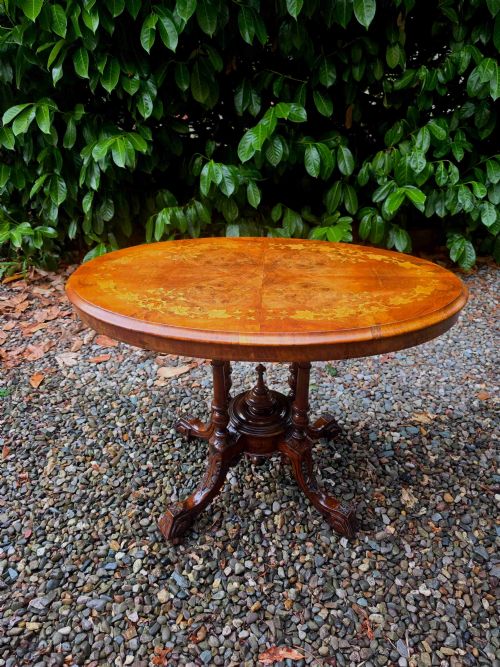
Cabinet makers utilised solid walnut and decorative walnut veneers, frequently selecting burr walnut to create highly figured, swirling patterns across the tops. Marquetry inlay, brass mounts and glass components were often incorporated to add visual contrast and texture to the timber.
Construction techniques combined traditional joinery with specialised wood-turning for pedestals, bobbin galleries and tripod supports. French polishing or similar traditional finishes were applied to seal the wood and highlight the deep brown tones and natural grain of the walnut.
The furniture styles represented span Victorian, Edwardian, Art Deco, Arts and Crafts, and the Aesthetic Movement, reflecting diverse design movements.
What varies in quality
The standard of a piece rests on the choice of timber and the precision of its decorative elements, such as intricate marquetry inlay or finely carved mouldings. Superior examples display carefully matched veneer grains and solid structural integrity in the pedestal or leg joints.
Artisanal execution dictates the overall refinement, from the crispness of the carving to the balance of a tripod base. Pieces originating from notable makers or distinct design movements often exhibit a higher degree of finish in their secondary timbers and joinery.
Liberty of London·William Birch
The Walnut Occasional Lamp Tables Glossary
- Marquetry
- The art of applying thin pieces of wood veneer to a structure to form decorative patterns or pictures. Craftsmen use contrasting timbers to create detailed motifs.
- Tripod base
- A furniture support consisting of three legs joined to a central column or pedestal. This design provides stability on uneven floors.
- Bobbin gallery
- A raised wooden border around a table top featuring turned, spool-shaped segments. It prevents small items from rolling off the edge.
- Aesthetic Movement
- A late 19th-century design philosophy emphasising visual beauty over narrative or moral themes. It drew inspiration from Japanese art and minimalist forms.
- Quartetto nest
- A set of four graduating tables that fit neatly beneath one another when not in use. They became popular in the 19th century for entertaining.
Walnut Occasional Lamp Tables: Frequently Asked Questions
What is the difference between a lamp table and a side table?
Lamp tables are typically compact and built to hold a light source or small decorative object next to a chair or sofa. Side tables often have a broader surface area and serve more general placement duties within a room.
While their functions overlap significantly in modern homes, Victorian and Edwardian cataloguing often distinguished them by their height and the presence of pedestal versus four-leg configurations.
How do I care for a walnut veneer top?
Walnut veneer requires protection from direct sunlight and excessive moisture to prevent fading and lifting of the thin wood layer. Dusting with a soft cloth and applying appropriate wax periodically maintains the finish.
Avoid placing damp glasses or hot items directly onto the polished wood surface to preserve the historical integrity of the polish.
Are Art Deco walnut tables sturdy?
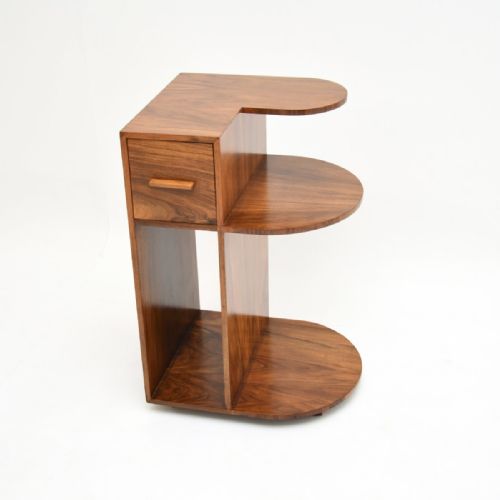
Art Deco pieces from the 1920s and 1930s generally employ robust internal framing combined with figured walnut veneers to achieve clean, geometric silhouettes. Their weight and construction suit daily use as functional furniture.
Makers of this era focused on sleek lines while maintaining structural soundness through solid core construction beneath the decorative outer veneers.
How can I tell a Victorian lamp table from an Edwardian one?
Victorian examples often feature heavier carved details, darker timber tones, and elaborate pedestal or tripod bases with rich burr walnut veneers. Edwardian pieces tend to show lighter construction, simpler geometric lines, and occasional influences from earlier revival styles.
Examining the secondary woods underneath and the style of the turnings helps clarify the manufacturing period.