



Brown Marble Top Chest
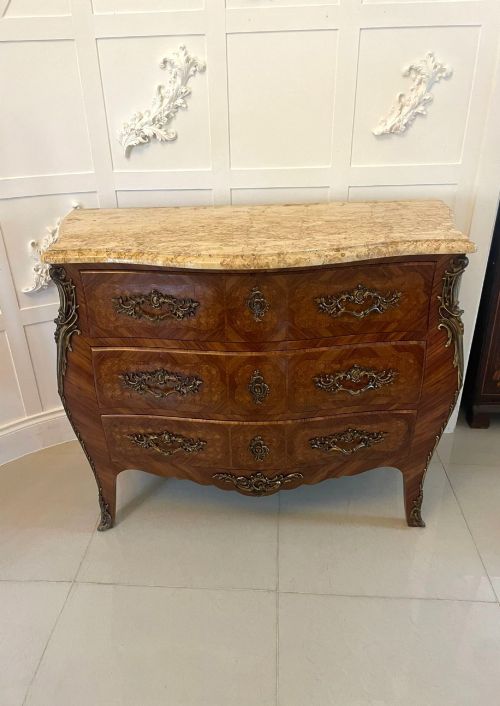
A brown marble top chest brings weight and texture to a room, combining fine timber with a cool, polished stone surface.
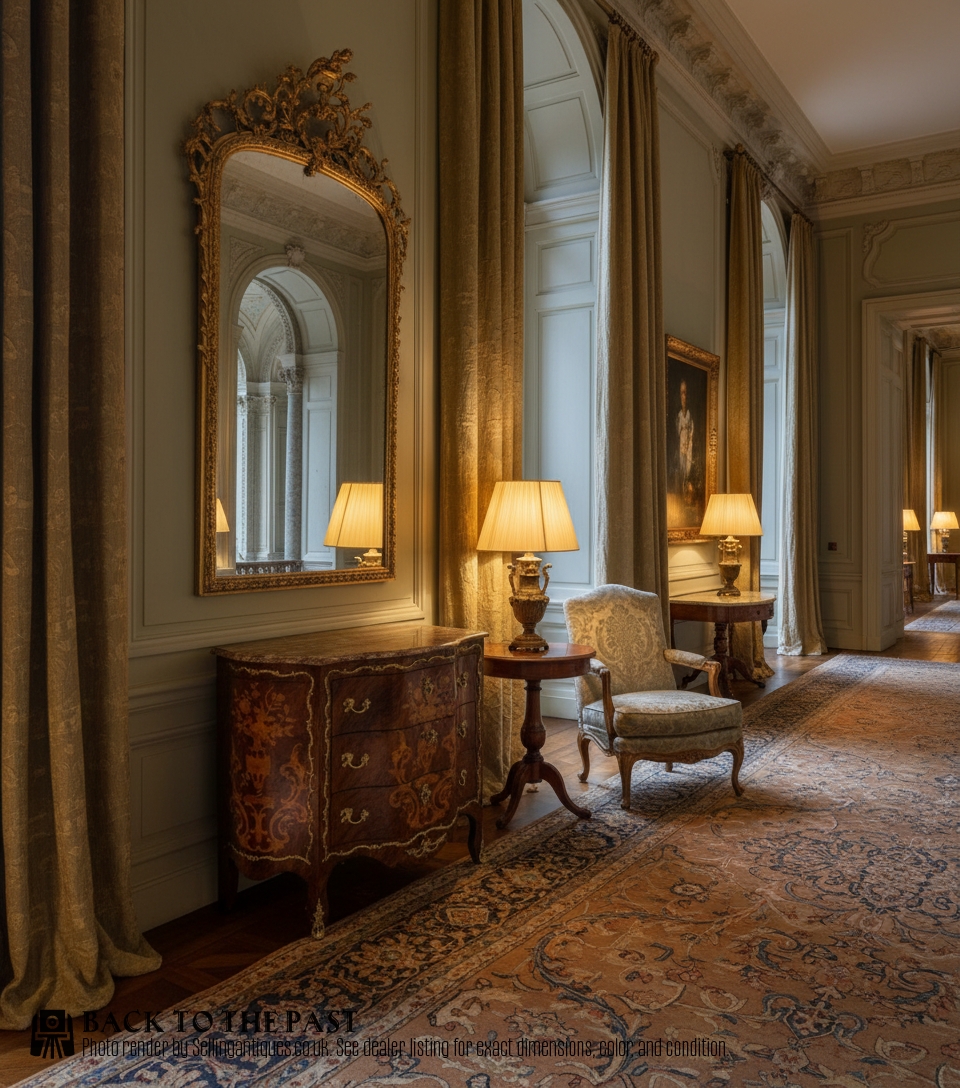
Brown Marble Top Chest
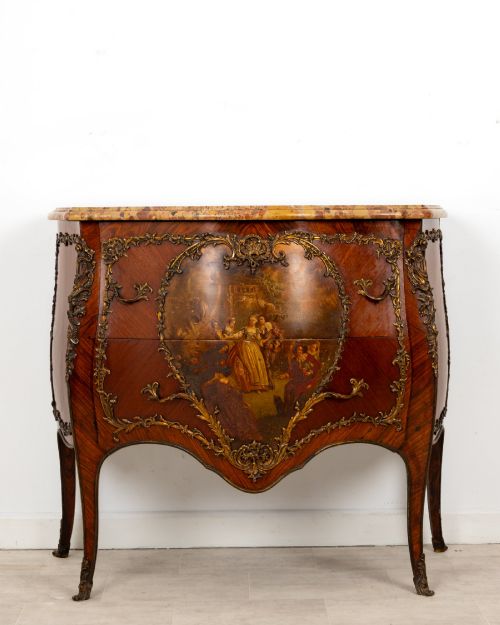
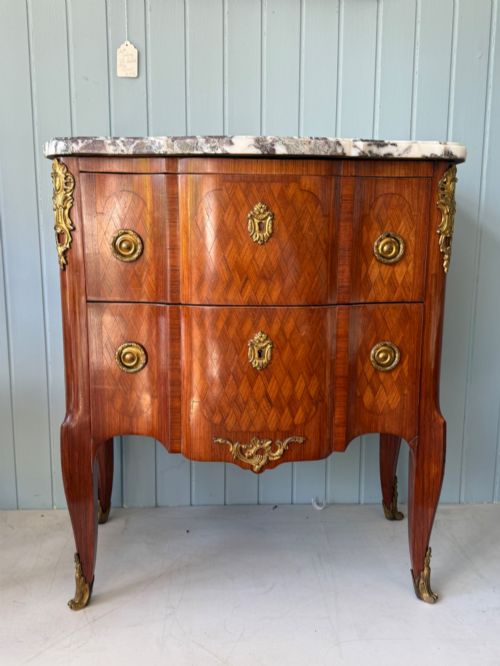
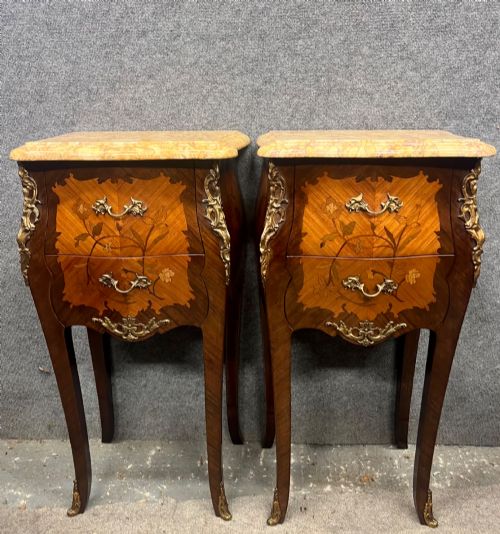
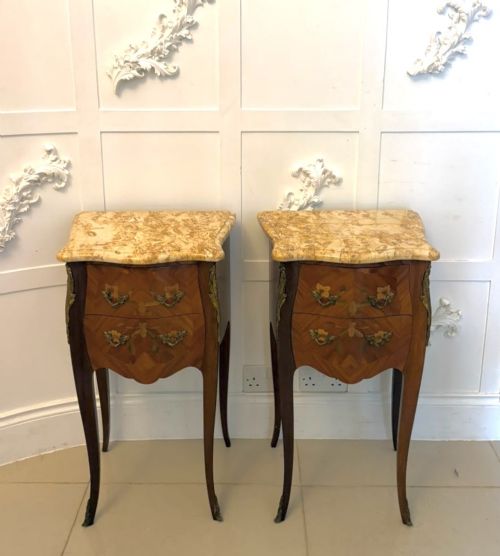
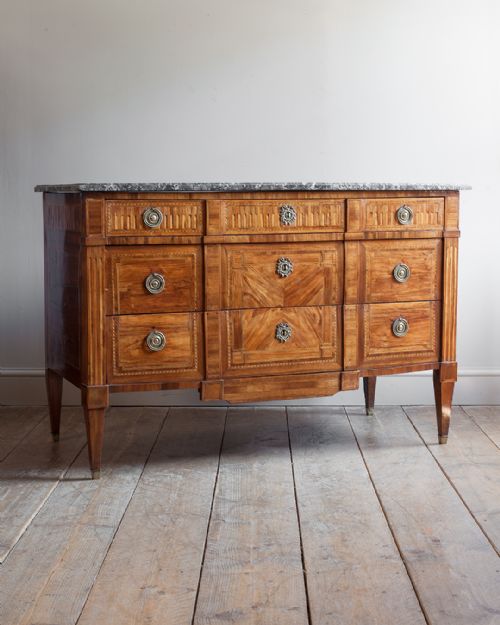
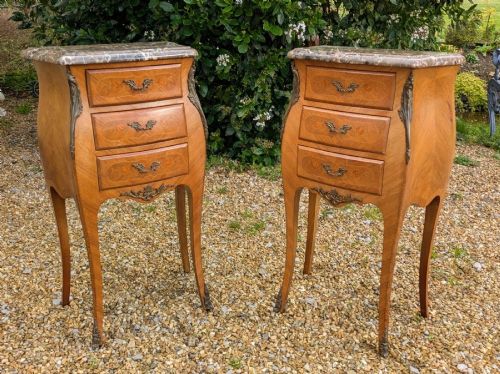
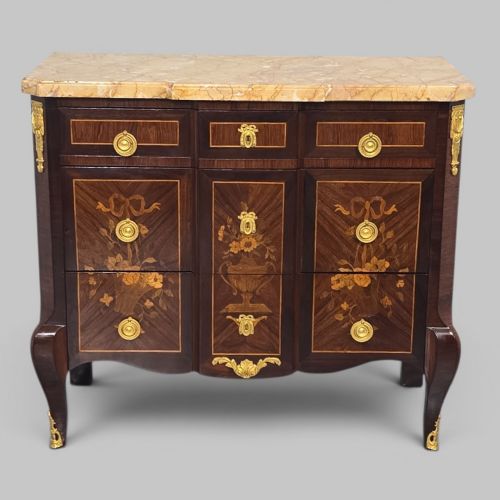
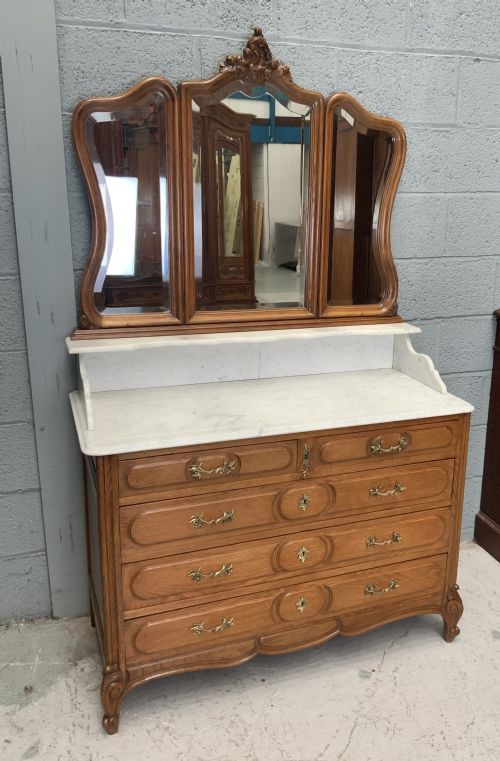
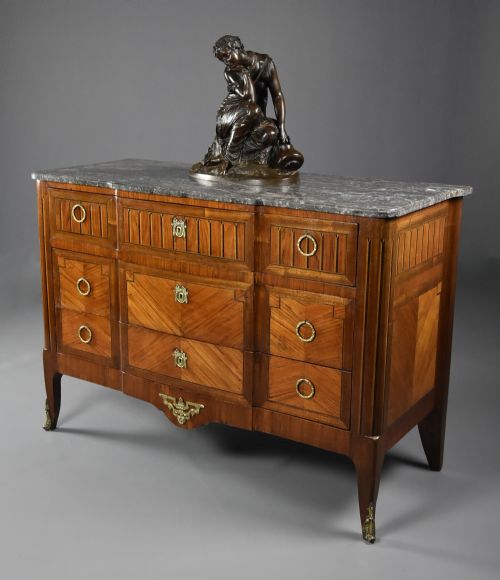
A brown marble top chest appears most frequently as a commode or bedside cabinet originating from France during the eighteenth, nineteenth, and early twentieth centuries. These forms range from serpentine commodes and tall semainiers to compact bedside tables fitted with distinctive stone slabs.
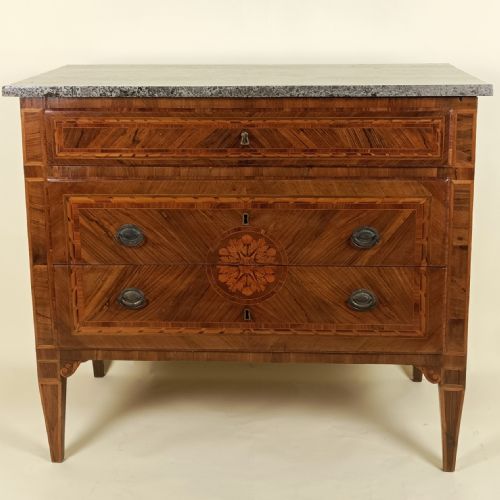
Makers utilised a variety of regional woods such as walnut, cherry, mahogany, and exotic veneers like kingwood and tulipwood to construct the carcase beneath the stone. Styles span from Louis XV and Louis XVI revivals to transitional and early twentieth-century deco designs.
Buyers seeking a brown marble top chest encounter pieces finished with parquetry, marquetry inlay, or plain polished timber grains. The integration of stone provides a durable surface that contrasts with the warmth of the underlying wood.
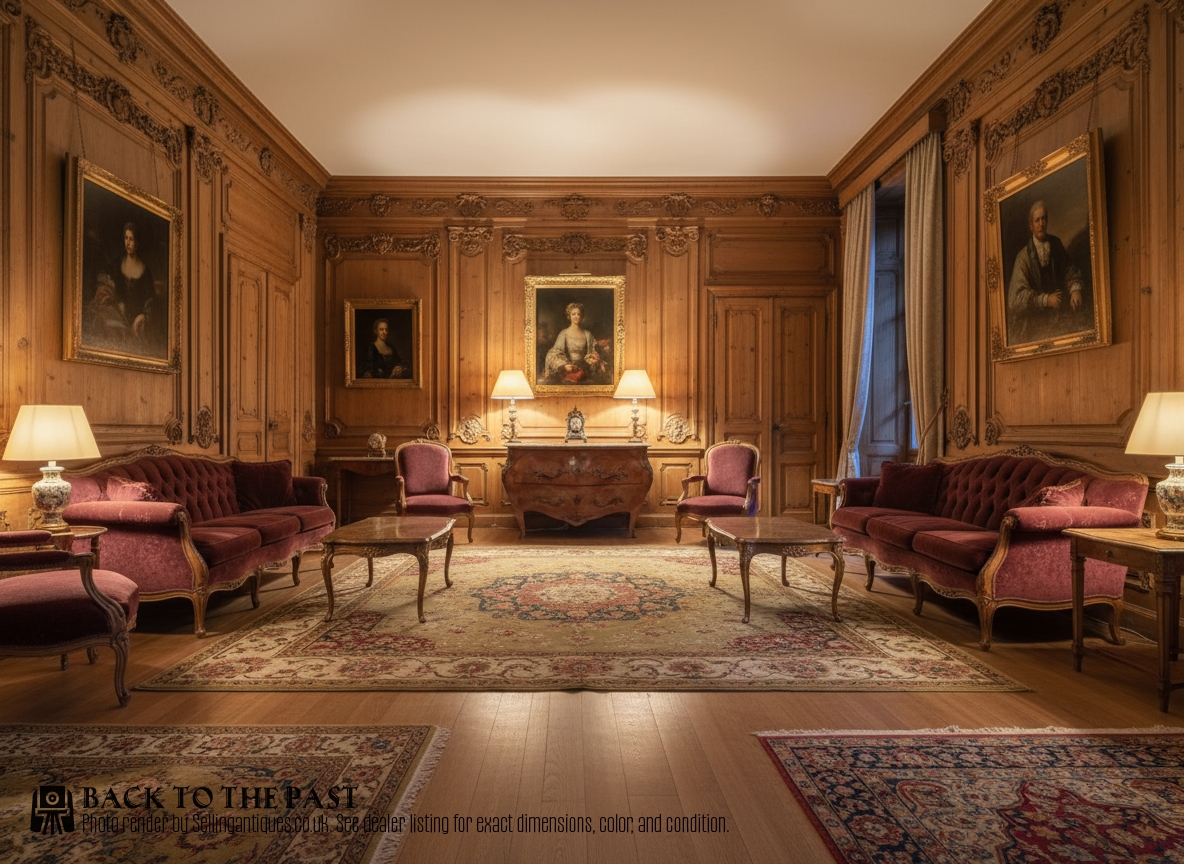
How they were made
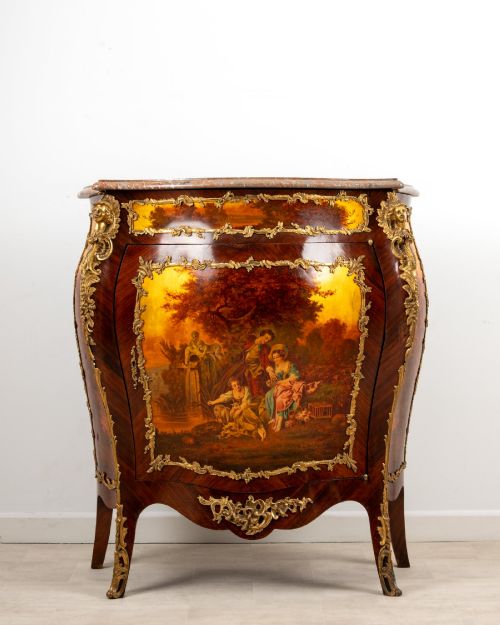
Cabinetmakers constructed the main bodies of these chests using solid timber frames overlaid with carefully arranged veneer patterns, including kingwood, walnut, and mahogany. Ormolu and gilt-bronze mounts were then cast and chased to embellish the corners, handles, and apron mounts.
The stone surfaces, often featuring mottled or brown tones, were cut, shaped to follow the contours of the commode or cabinet, and hand-polished to a smooth finish. Brass hardware and occasional scagliola details completed the construction.
Listings feature pieces spanning the eighteenth century through to the 1930s, constructed from walnut, mahogany, and kingwood.
What varies in quality
The standard of a brown marble top chest depends upon the precision of the marquetry and the crispness of the bronze or ormolu mounts. Finer examples display hand-cut veneers and patination that shows depth in the timber grain.
The thickness and selection of the stone slab also set pieces apart, with superior examples featuring stones shaped specifically to the serpentine or breakfront contours of the carcase rather than simple rectangular cuts.
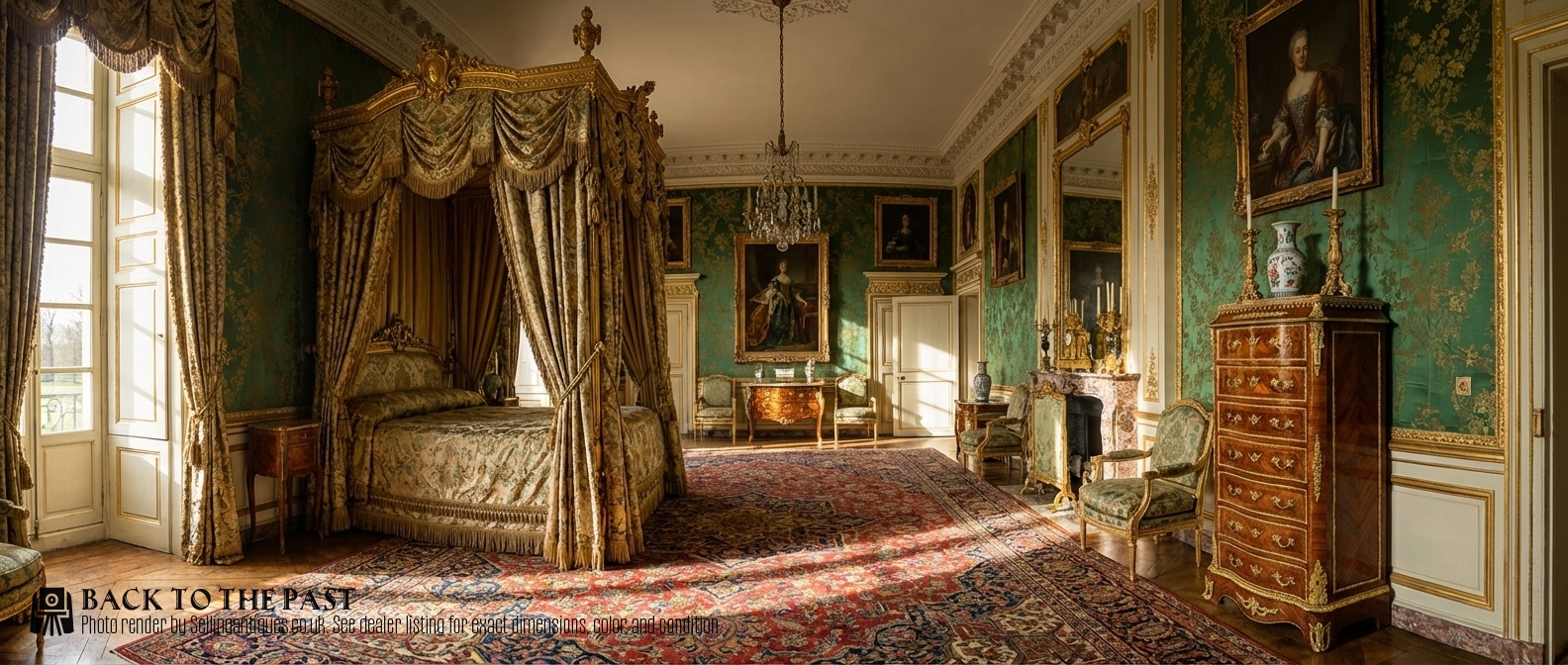
The Brown Marble Top Chest Glossary
- Commode
- A decorative chest of drawers, typically low and squat, originating in France. They often feature elaborate veneer work and stone tops.
- Ormolu
- Gilt bronze mounted on furniture as decorative hardware and trim. The technique involves applying a gold amalgam to bronze.
- Marquetry
- The art of applying pieces of veneer to a structure to form decorative patterns. Craftsmen use contrasting timbers to create pictorial designs.
- Semainier
- A tall, slender chest of drawers traditionally built with seven drawers, one for each day of the week. These pieces maximise vertical storage space.
- Vernis Martin
- A type of simulated Japanese lacquer developed in France. It provides a glossy, translucent finish over painted decoration.
Brown Marble Top Chest: Frequently Asked Questions
How do I clean a brown marble top?
Wipe the stone surface using a soft cloth dampened with warm water and a mild, neutral soap. Avoid acidic cleaners or vinegar, which etch the polished finish.
Dry the stone thoroughly after washing to prevent water spots. Periodic polishing with a specialised stone wax helps maintain the sheen.
Where should I place my commode?
Position the piece in a bedroom, hallway, or living space away from direct heat sources and strong sunlight. Stable indoor temperatures prevent the timber carcase and veneers from drying out.
Ensure the floor beneath is level so the heavy stone top distributes its weight evenly across the frame.
How do I tell Louis XV from Louis XVI style?
Louis XV furniture relies on asymmetrical curves, cabriole legs, and flowing rococo ornamentation. The silhouettes are organic and rounded throughout.
Louis XVI pieces introduce straight lines, symmetrical neoclassical motifs, fluted legs, and geometric restraint, reflecting a return to classical antiquity.