
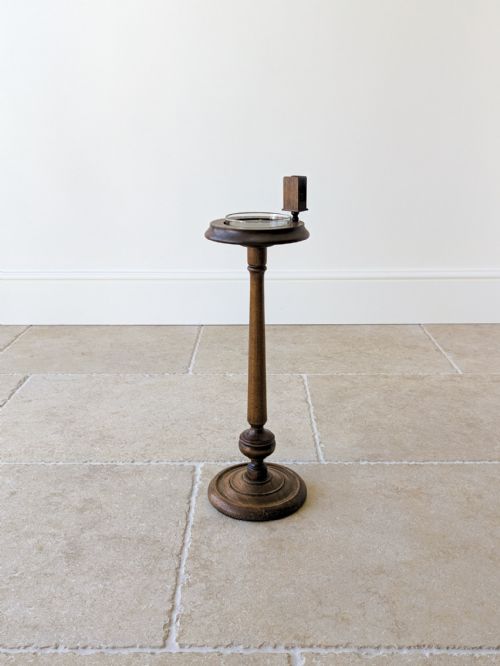
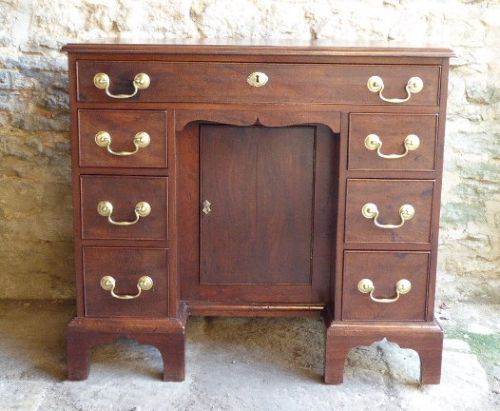
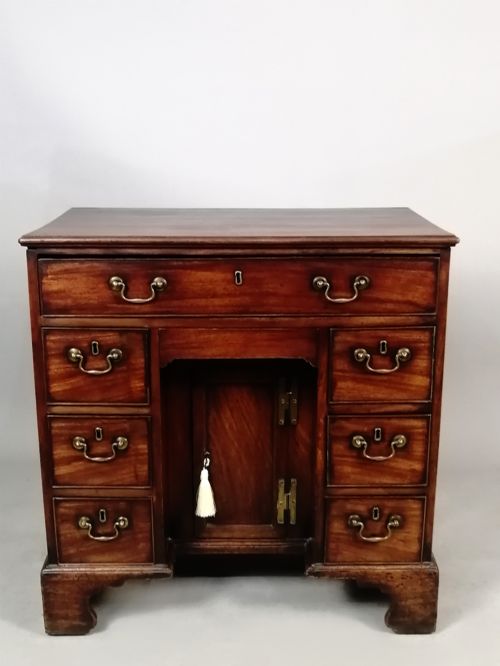
Brown Mahogany Pedestals
Brown mahogany pedestals and their associated tables bring deep timber and sturdy columnar support to period rooms, offering both functional surface area and rich grain character.
Brown Mahogany Pedestals
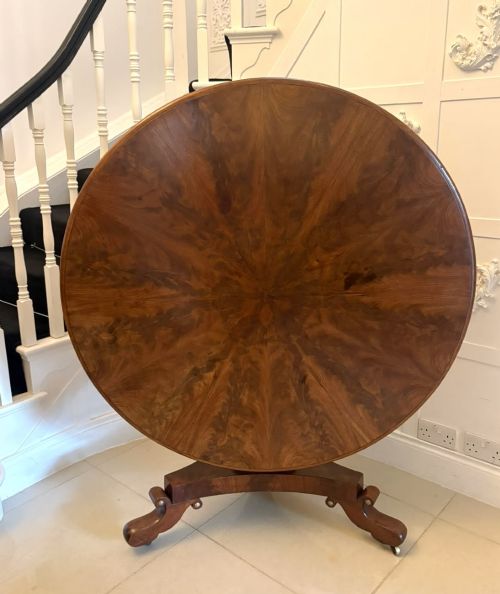
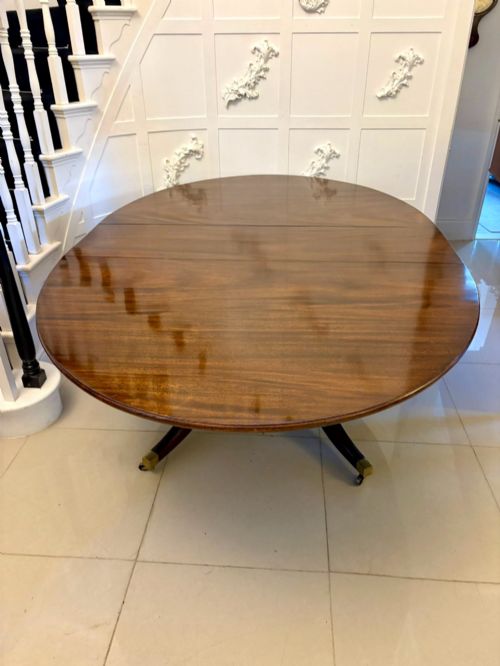
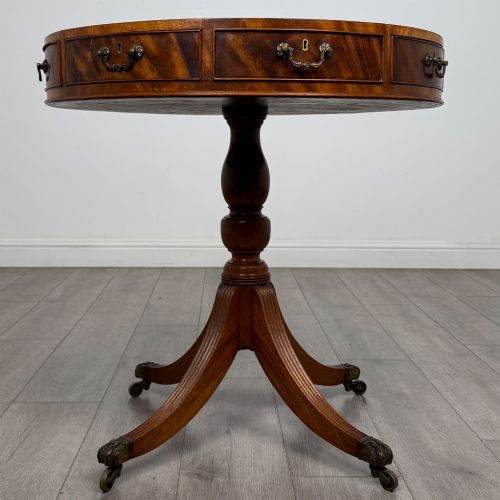
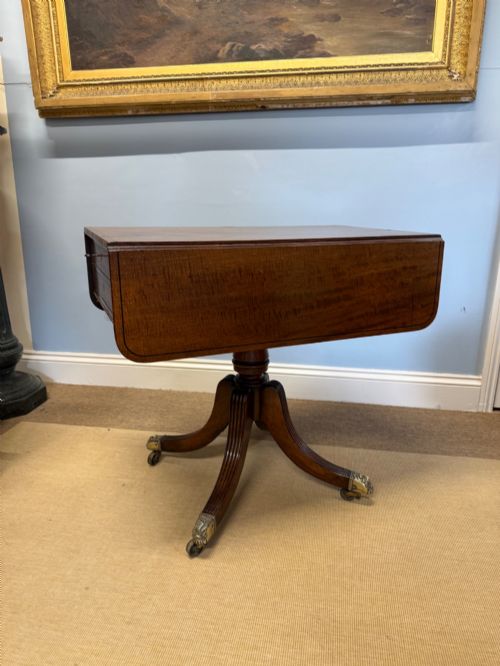
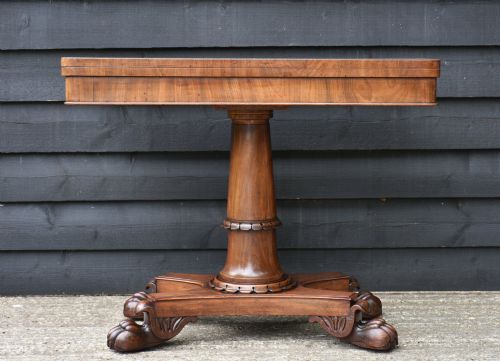
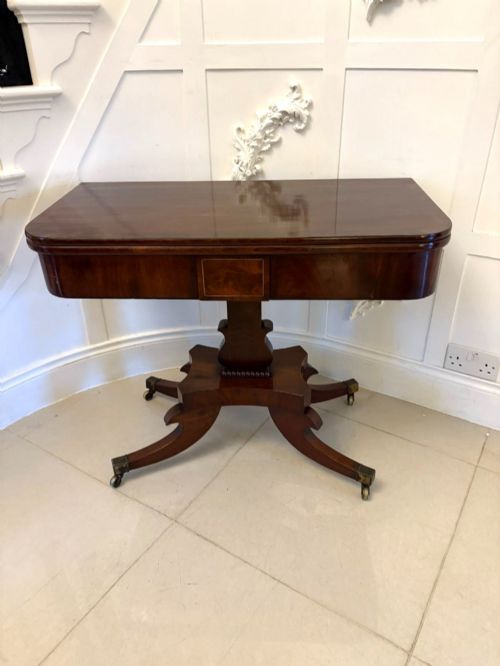
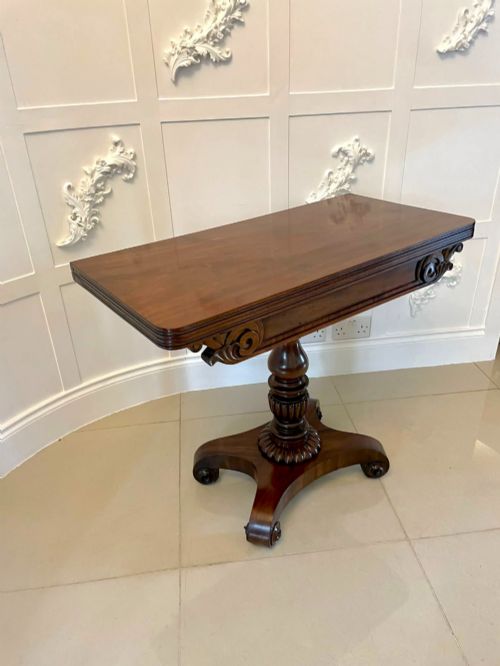
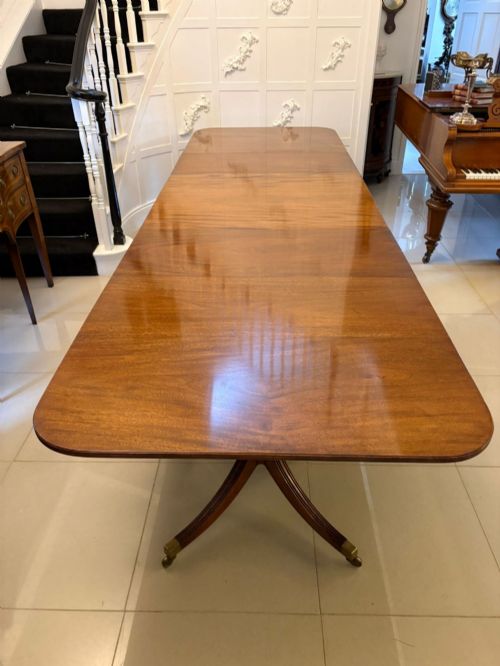
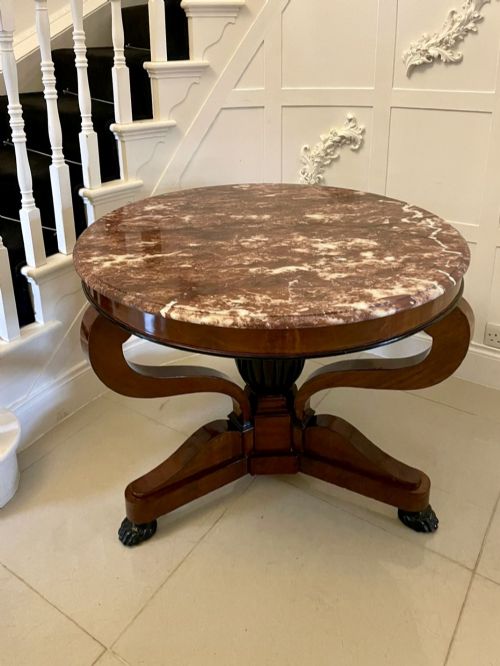
Brown mahogany pedestals appear across listings most frequently in the form of multi-pillar extending dining tables, pedestal desks, and occasional tables dating from the Georgian, Regency, and Victorian eras. These items utilise robust timber supports to carry large tabletops or sustain heavy writing surfaces.
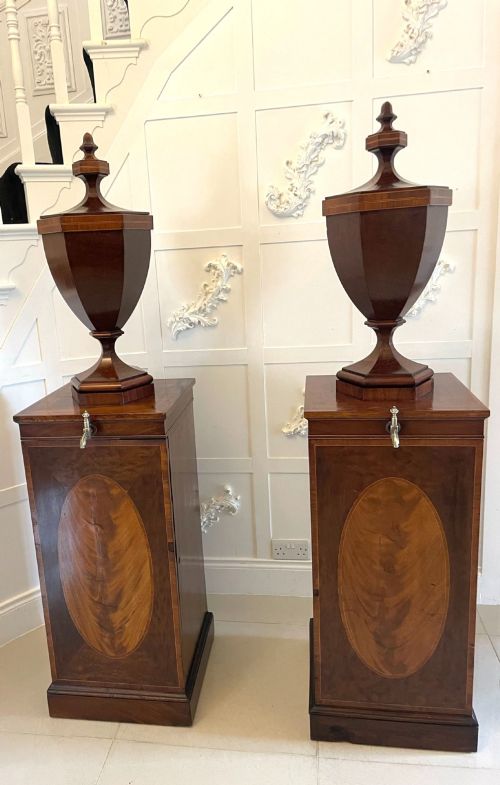
The selection spans formal dining furniture with two, three, or more pillars, alongside smaller bedside cabinets and wine urns resting on dedicated stands. Makers from the 18th century onward employed central column designs to maximise legroom around tables while maintaining structural stability.
How they were made
Craftsmen built these pieces using solid mahogany and flame mahogany veneers, frequently accented with boxwood inlay, brass details, and leather inserts. Timber selection focused on deep brown tones and active grain patterns that caught ambient light.
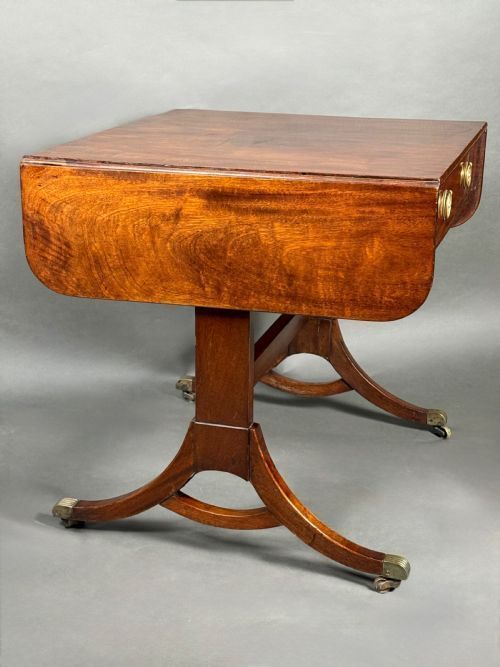
Structural elements relied on heavy central pedestals, sometimes branching into splayed legs with brass castors on larger dining tables and desks. Joinery techniques accommodated the expansion and contraction of dense tropical hardwoods across changing seasons.
Listings feature mahogany, brass, leather, and marble across 19th-century, Victorian, and Georgian periods.
What varies in quality
Quality differences emerge in the selection of timber, particularly the depth of figure in flame mahogany veneers and the crispness of inlaid boxwood lines. Superior examples display continuous grain matching across expansive surfaces like dining table leaves and desk tops.
Construction integrity in the pedestal base and the original state of brass hardware or leather writing surfaces separate standard utility items from exceptional pieces. Heavier cast brass mounts and stable, well-balanced pillar supports indicate higher workshop standards.
Hewetsons London·Trollope & sons·Edwards & Roberts
The Brown Mahogany Pedestals Glossary
- Flame mahogany
- A veneer cut from the fork of the mahogany tree where branches join the trunk, producing a rippling, flame-like pattern. This decorative figuring was prized by cabinetmakers for prominent drawer fronts and table tops.
- Pedestal table
- A table supported by a central upright column rather than four corner legs. This form allows seated diners more legroom and became standard for large dining tables during the Regency and Victorian periods.
- Boxwood inlay
- Narrow strips of pale boxwood embedded into darker mahogany to create contrasting linear borders. It outlines geometric panels on tabletops and desk drawers.
- Tilt-top table
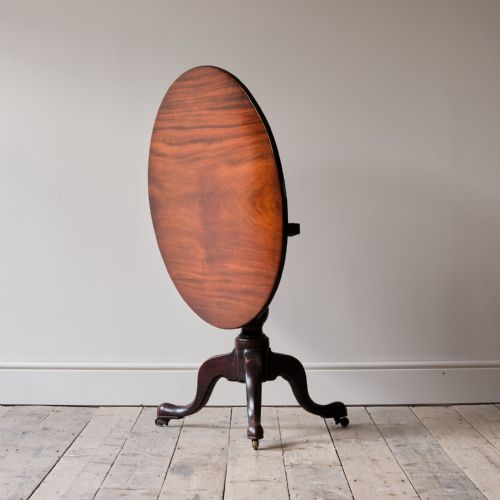
- An occasional table featuring a mechanism that allows the top to hinge vertically when not in use. This design saved floor space in smaller period rooms.
Brown Mahogany Pedestals: Frequently Asked Questions
How do I care for a mahogany tabletop?
Clean the surface regularly with a soft, dry cloth to remove dust. Avoid placing timber near direct heat sources or moisture.
Apply natural beeswax periodically to nourish the grain and maintain a protective sheen without building up heavy synthetic layers.
What is a multi-pillar dining table?
A multi-pillar dining table uses two or more central wooden columns to support a long extending top. This arrangement distributes heavy weight evenly.
Extra leaves insert into the centre to accommodate larger gatherings while maintaining stability across the entire structure.
How do I distinguish Regency from Victorian pedestals?
Regency pieces typically display cleaner classical proportions, restrained brass inlay, and saber legs terminating in brass paw castors. Timber figures tend to show sharp contrast.
Victorian items often present heavier mouldings, darker finishes, and more elaborate carved details reflecting industrial manufacturing shifts.
Were pedestal desks used in homes?
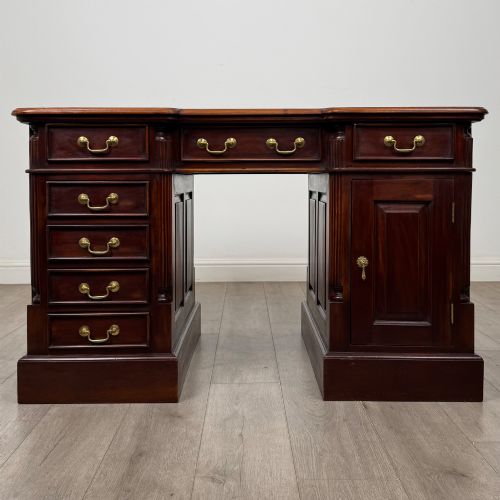
Pedestal desks served as private writing stations in libraries, studies, and drawing rooms of large townhouses and country estates. Their double-pedestal form provided substantial drawer storage.
Many featured inset leather writing surfaces designed to absorb the pressure of steel-nib pens during correspondence.