

Brown Mahogany Display Table
A brown mahogany display table offers a glazed stage for silver and small treasures, uniting utility with the warmth of figured timber.
Brown Mahogany Display Table
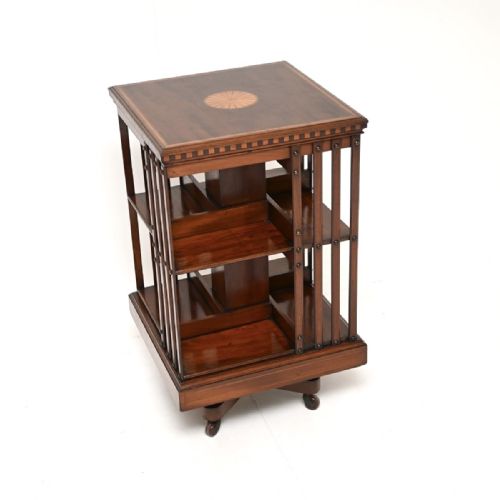
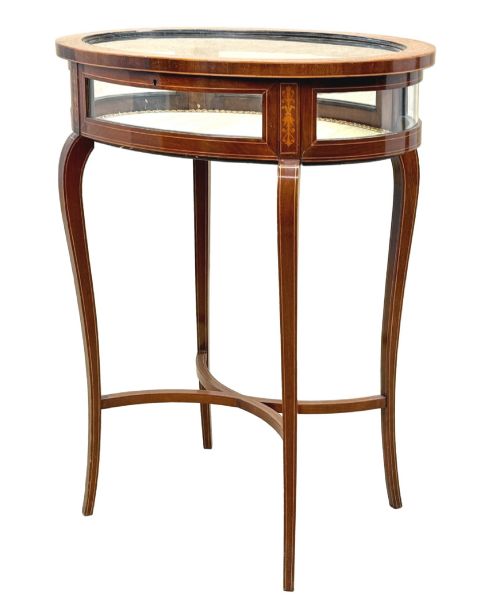
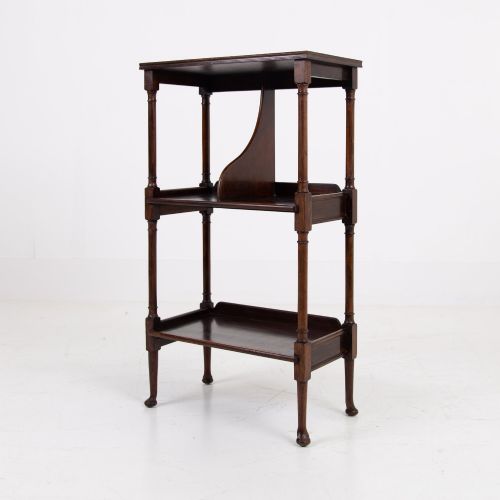
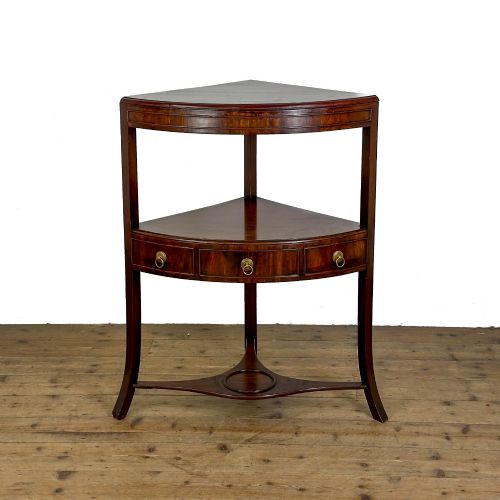
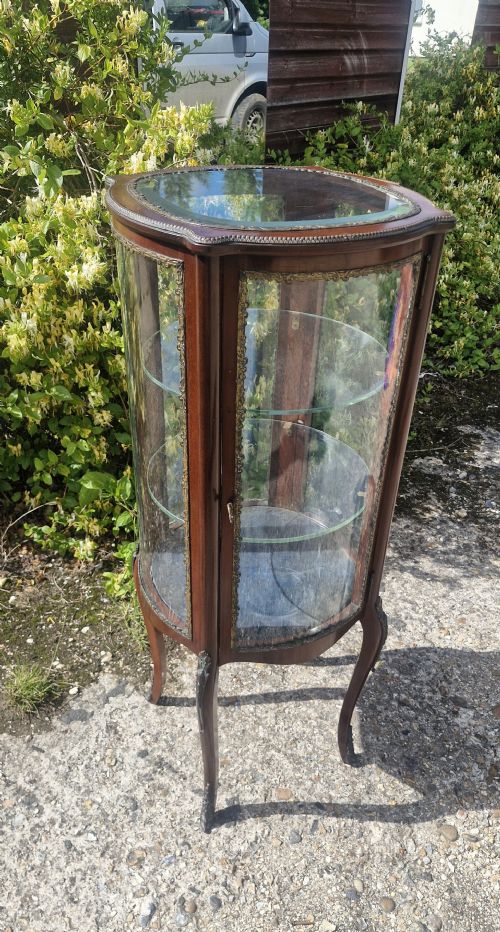
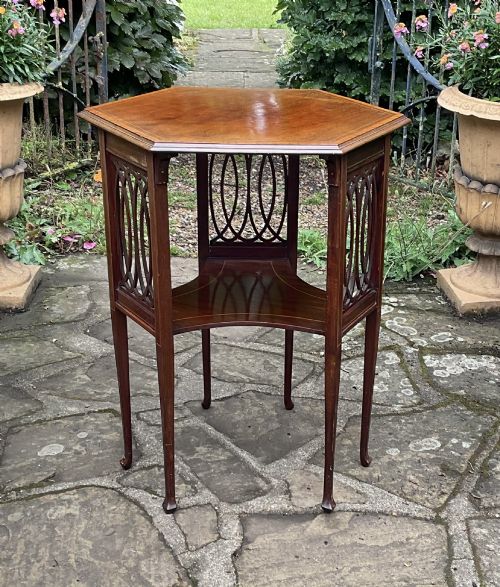
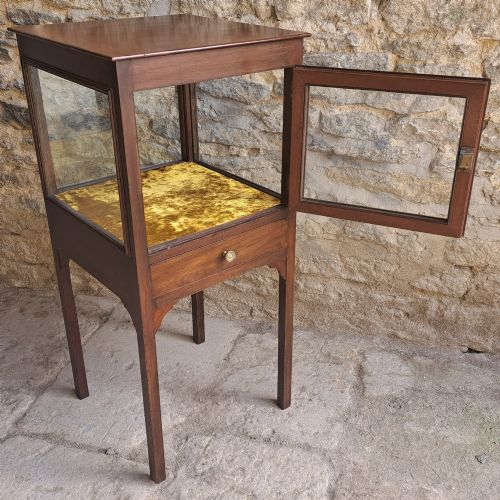
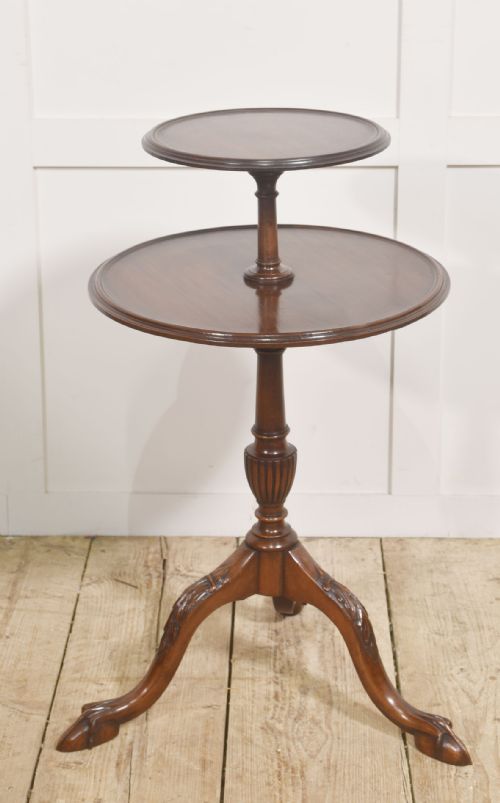
When searching for a brown mahogany display table, collectors encounter pieces spanning the Georgian era through to the Edwardian period and the early twentieth century. The selection ranges from compact bijouterie tables with glazed tops to multi-tiered occasional tables and tall display cabinets designed to showcase valuables in a drawing room.
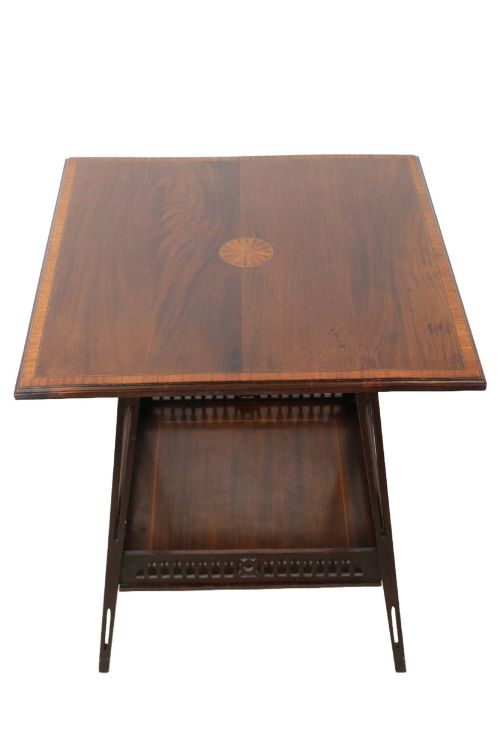
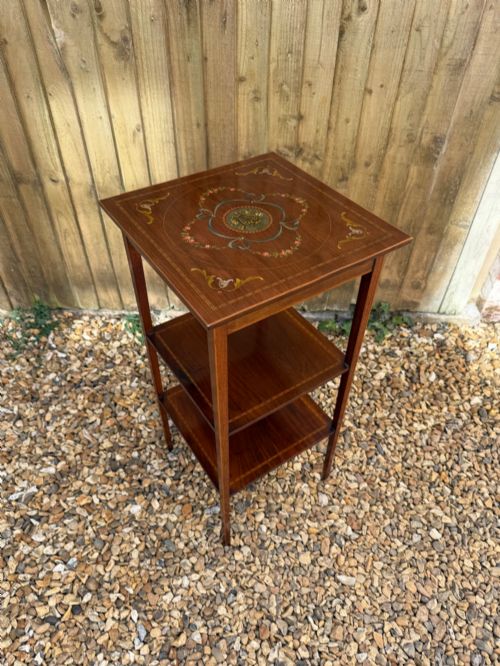
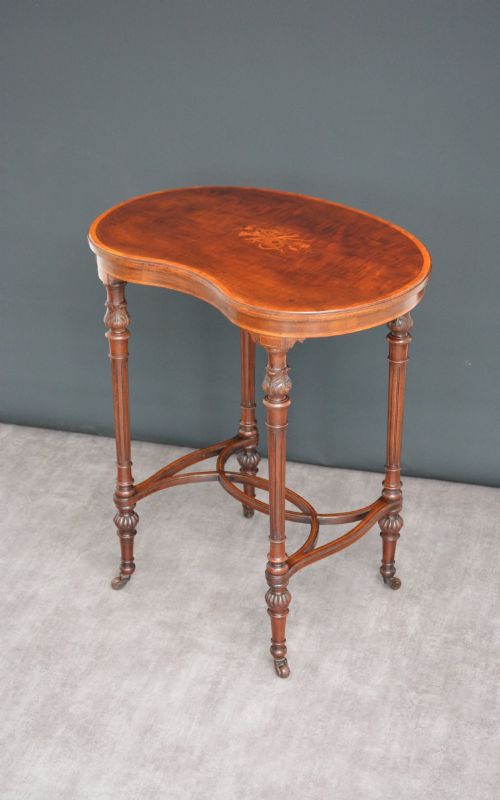
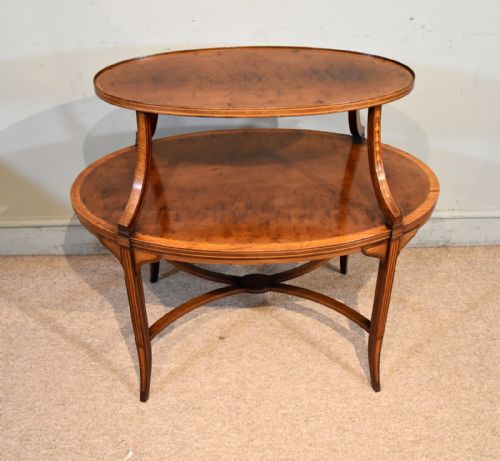
Edwardian interpretations dominate the selection, frequently featuring delicate satinwood and boxwood inlay alongside Sheraton Revival influences. Earlier Georgian and nineteenth-century examples appear in forms such as vitrines and oval bijouterie tables, reflecting the shifting domestic fashions for displaying precious objects.
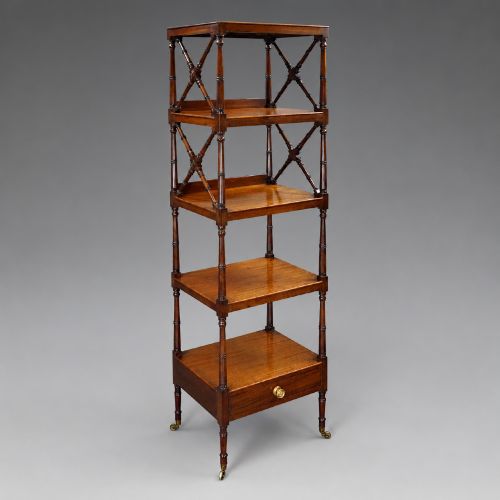
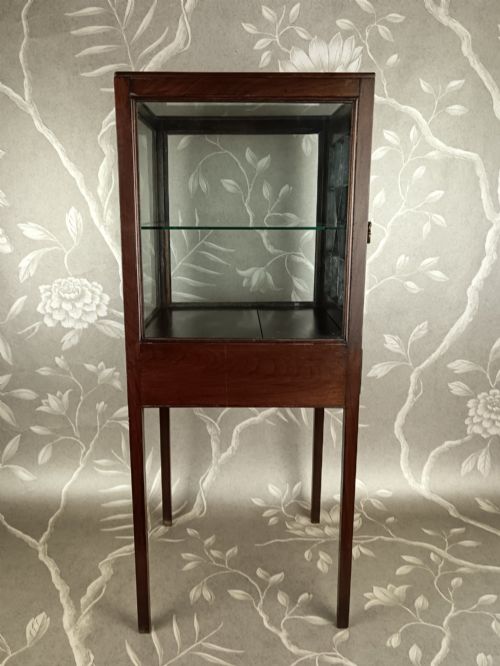
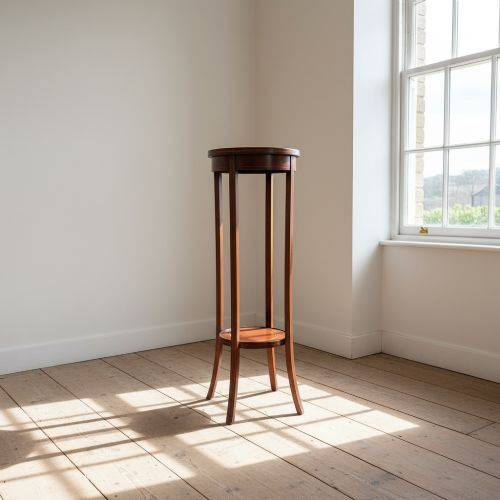
The objects serve diverse functions within traditional interiors, acting as side tables, plant stands, or specialised cases for jewellery and silver presentation. Their survival across multiple centuries demonstrates a continuous British taste for polished mahogany timber combined with glass display compartments.
Distinctions in craftsmanship
The degree of refinement in the timber and inlay marks the difference between standard production and exhibition quality pieces. Finely figured flamed mahogany and precise boxwood or satinwood marquetry indicate skilled workshop execution.
Hardware integrity and the precision of the glass fitting dictate the overall standard of a display piece. Original brass mounts and smoothly functioning hinged lids or doors preserve both the structural integrity and the aesthetic balance of the table.
The inventory spans the Georgian, Victorian, and Edwardian periods.
Trevor Page & Co
The Brown Mahogany Display Table Glossary
- Bijouterie table
- A glass-topped table specifically designed to exhibit small valuable items, jewellery, or curiosities beneath a hinged or fitted lid.
- Vitrine
- An enclosed glass cabinet intended for the display of porcelain, silver, and decorative objects.
- Etagere
- A piece of furniture consisting of a set of open shelves for displaying small articles, often constructed in tiers.
- Satinwood inlay
- A decorative technique where contrasting light-coloured exotic timber is embedded into the darker mahogany surface to form geometric or floral patterns.
- Sheraton Revival
- A late nineteenth and early twentieth century design movement inspired by the neoclassical furniture forms of the eighteenth-century designer Thomas Sheraton.
Brown Mahogany Display Table: Frequently Asked Questions
What is a bijouterie table?
A bijouterie table is a specialised display piece featuring a glazed top and a velvet-lined interior compartment. It was traditionally used in drawing rooms to exhibit portrait miniatures, coins, and fine jewellery.
These tables lift the items to eye level for seated guests while protecting delicate objects from dust and handling.
How do I date a mahogany display table?
Dating relies on examining the timber selection, construction methods, and decorative styles visible on the piece. Georgian examples tend to show heavier structural proportions and restrained carving, while Edwardian pieces frequently incorporate delicate satinwood inlay and lighter framing.
Accessory elements such as brass castors, gilt metal mounts, and glass bevelling also provide reliable chronological indicators.
Where should I place a display table at home?
Display tables suit placement in reception rooms, libraries, or hallways where natural light can illuminate the glazed compartments. They function effectively as side tables or occasional pieces alongside seating.
Keeping them away from direct sunlight protects both the mahogany timber and any fabric linings from fading over time.
Are these tables suitable for everyday use?
Most display tables function well for daily placement of lamps, books, or decorative objects on their upper surfaces. The glazed compartments beneath require gentle handling to preserve the original hinges and glass panels.
Regular polishing with traditional wax maintains the lustre of the mahogany without harming the historic finish.