




Brown Mahogany Corner Unit
A brown mahogany corner unit brings forgotten angles to life, offering fitted storage or display through Georgian and Edwardian craftsmanship.
Brown Mahogany Corner Unit
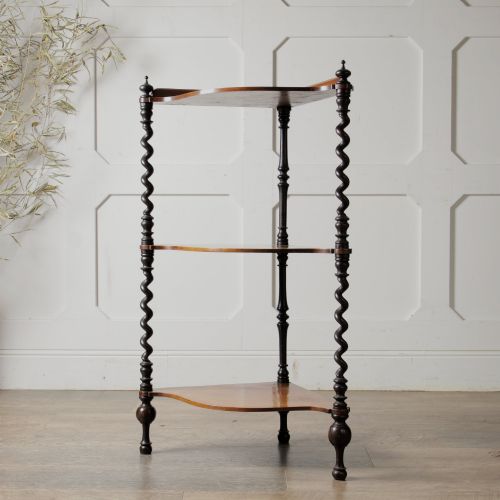
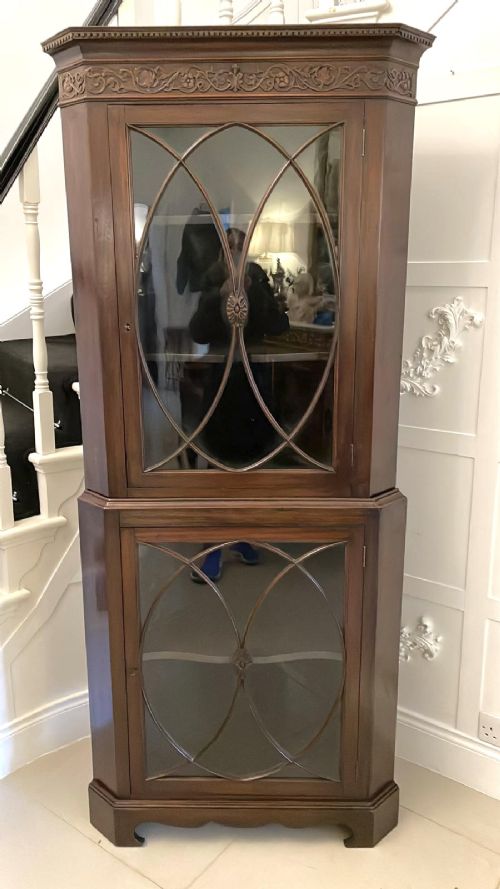
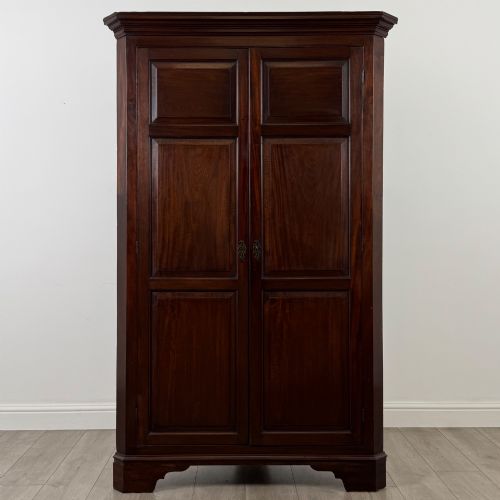
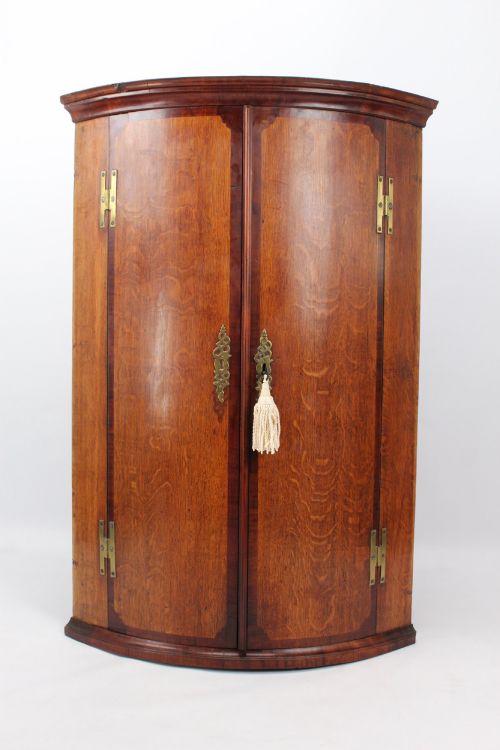
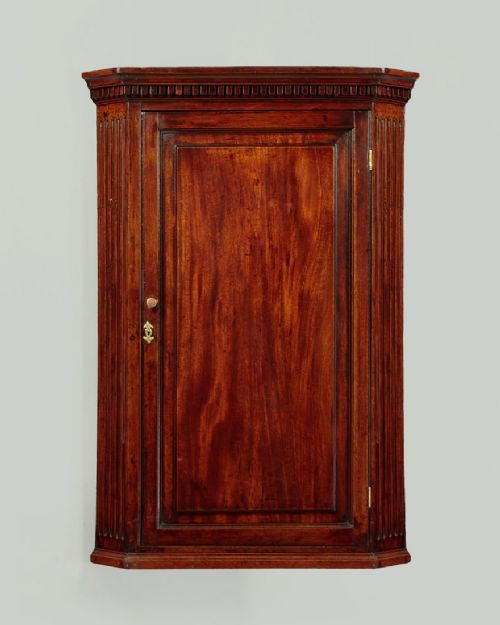
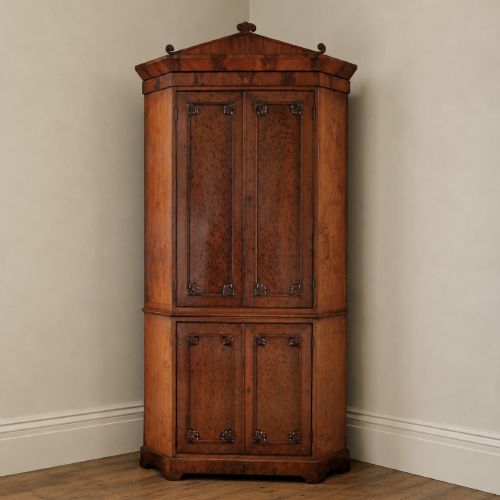
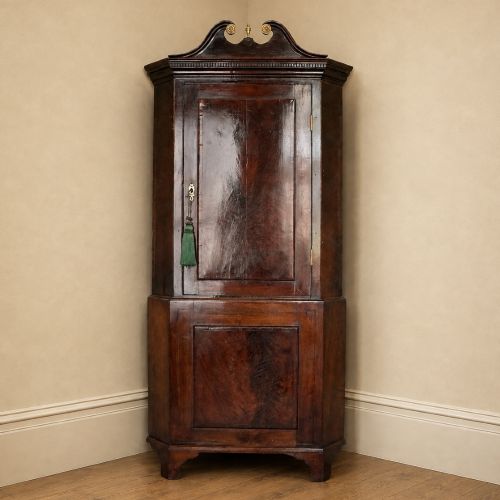
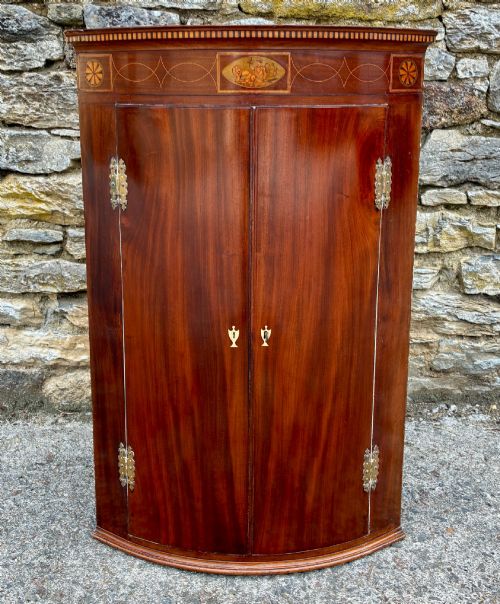
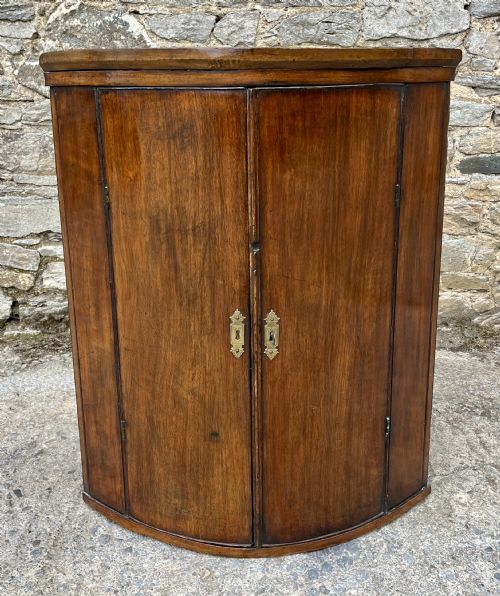
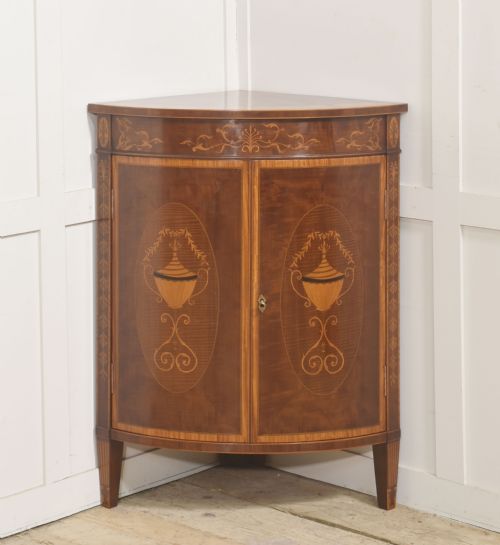
A brown mahogany corner unit spans practical corner cupboards, standing cabinets, hanging pieces, and tiered whatnots designed to utilise difficult room angles. These items emerge from Georgian, Victorian, Edwardian, and later twentieth-century workshops in varied heights and formats.
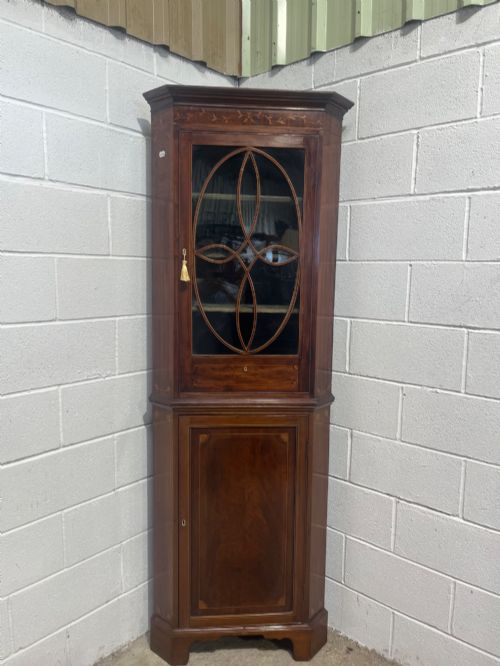
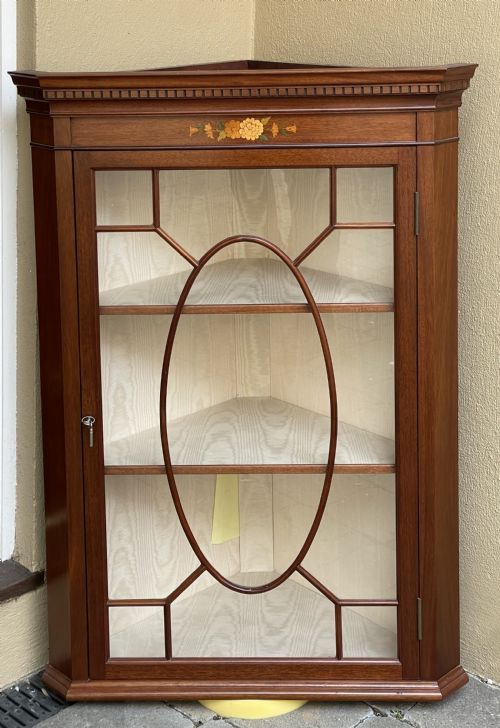
Hanging cupboards and floor-standing cabinets dominate the selection, often featuring single panelled or astragal glazed doors. Open etageres and tier-based whatnots also appear, providing multi-level shelving rather than enclosed storage.
Materials extend beyond standard timber stocks to incorporate oak carcases, satinwood or boxwood inlay details, and brass hardware fittings. Individual pieces range from modest wall-hung boxes to substantial country house floor-standing furniture.
Materials and construction
Cabinet makers utilised solid mahogany alongside veneered surfaces over secondary timbers such as oak, shaping curved bow fronts and corner joints to fit tight spaces. Grain patterns like plum pudding mahogany reveal deliberate selection of decorative wood figures.
Inlay work employs contrasting boxwood and satinwood strips to frame panels and borders, while brass provides hinges, escutcheons, and structural support. Glazing methods incorporate astragal bars to divide glass panes within cabinet doors.
Structural designs encompass wall-mounted iterations, floor-standing models, and standing units raised on stands or tapering legs. Barley twist columns and tiered shelving frameworks demonstrate alternative structural approaches across Victorian and Edwardian periods.
Some corner units include secret compartments designed to keep private correspondence safe from wandering eyes.
Markers of distinction
Distinction rests upon the selection of timber figures, the precision of boxwood or satinwood inlay work, and the crispness of carved mouldings. Finer examples display harmonious grain alignment across panel doors and balanced proportions tailored to room corners.
Construction integrity separates standard utility items from superior cabinet work, evident in dovetail joints, original brass hardware, and intact glass panes. The complexity of the internal shelving and the presence of working locks with keys add further distinction.
Liberty & Co.
The Brown Mahogany Corner Unit Glossary
- Astragal glazed
- Glazing bars dividing a glass door into smaller geometric panes. These wooden strips create a light grid across display cabinets.
- Bow front
- A convex, outwardly curved front elevation. This shape softens sharp room corners and adds visual depth.
- Whatnot
- An open shelving unit with multiple tiers for display. These pieces stand on slender upright supports in corner or wall configurations.
- Inlay
- Contrasting wood or metal fitted flush into the primary timber surface. Boxwood and satinwood provide pale contrast against dark mahogany.
Brown Mahogany Corner Unit: Frequently Asked Questions
How do I hang a wall cabinet?
Wall-hanging corner cupboards require secure fixing to solid masonry or internal wall studs using appropriate brackets.
Weight distribution matters because solid mahogany timber combined with glass doors exerts significant downward pull on upper fixings.
What is the difference between a cupboard and a cabinet?
Cupboards feature enclosed wooden doors designed to conceal contents out of sight.
Cabinets frequently incorporate glass panels intended for the display of china, books, or decorative objects.
Where should I place a corner unit?
These units fit directly into empty room junctions, transforming dead space into functional storage.
Freestanding floor models anchor larger reception rooms, while smaller hanging versions suit hallways or compact dining areas.
How do I date an antique corner cupboard?
Dating relies on architectural styles, construction methods, and secondary woods like oak carcases found inside.
Georgian pieces display different proportions and mouldings compared to later Edwardian revivals or mid-twentieth-century interpretations.