


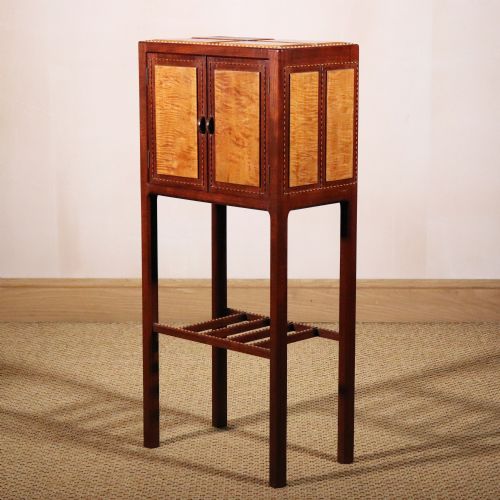


Brown Mahogany Art Stand
A brown mahogany art stand brings together functional furniture and distinctive design from the late nineteenth and twentieth centuries.
Brown Mahogany Art Stand
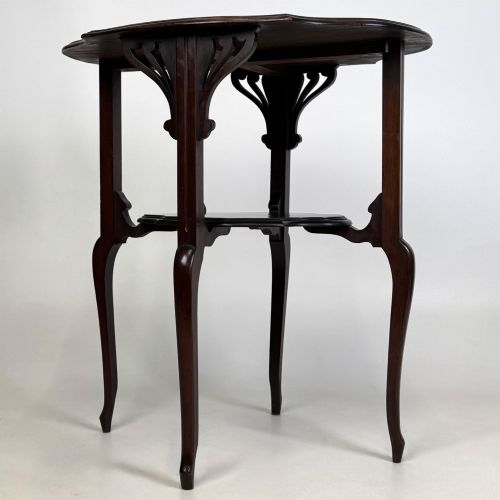
A brown mahogany art stand encompasses a variety of functional household furnishings from the Victorian, Edwardian, and Art Deco periods, designed to hold books, art, or drinks. These pieces range from occasional tables and music cabinets to revolving bookcases and display stands.
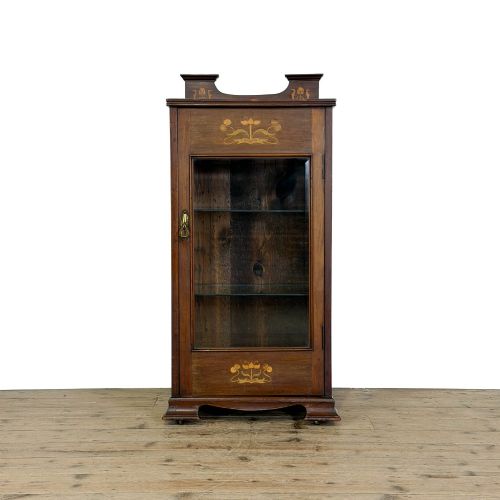
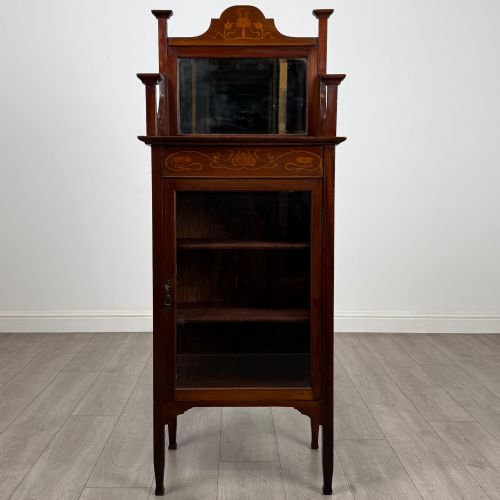
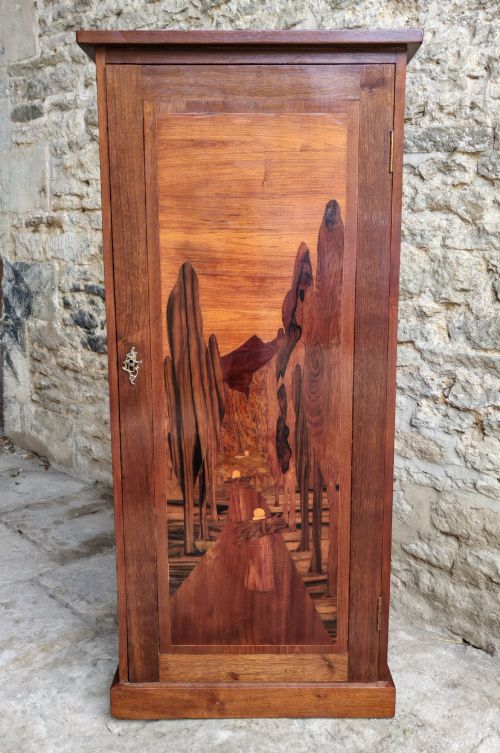
The version most commonly met on this page is the Edwardian or Art Nouveau mahogany piece, often featuring inlaid wood or marquetry veneers. Makers incorporated styles from the Arts and Crafts movement alongside Regency and Georgian revivals.
Many of these stands serve specific domestic roles, such as folio stands for artwork, hall stands for hats and coats, or display pedestals. The selection reflects diverse craftsmanship across multiple decades without adhering to a single rigid form.
Materials and construction
Makers utilised solid mahogany and mahogany veneers as the primary wood, frequently incorporating wood inlay and marquetry to create decorative patterns on the surfaces. Brass fittings and mirror glass appear on specific items like hall stands and cabinets.
Construction techniques combine traditional cabinet-making with distinct stylistic elements from the Arts and Crafts and Art Nouveau movements. Details such as fall fronts, revolving mechanisms, and adjustable frames demonstrate functional engineering alongside decorative ambition.
Quality and execution
The standard of a piece rests on the precision of its woodwork, the integration of inlaid details, and the overall harmony of its design. Finer examples display meticulous marquetry and careful attention to structural joints.
Attribution to notable workshops or makers elevates certain pieces, distinguishing standard production items from masterworks. The depth of the mahogany grain and the preservation of original brass or glass elements also differentiate the range.
Shapland and Petter·Ellen E Houghton·J Shoolbred·Epstein
The Brown Mahogany Art Stand Glossary
- Marquetry veneers
- Thin slices of decorative wood applied to a furniture surface to form pictorial or geometric patterns. These veneers enhance the visual appeal of mahogany cabinets and tables.
- Revolving bookcase
- A freestanding bookcase designed to rotate on a central pivot for easy access to books. These pieces often feature inlaid mahogany tops.
- Folio stand
- An adjustable rack or stand built to hold large books, prints, or artist portfolios. Regency and nineteenth-century examples often include folding wooden frames.
- Hall stand
- A piece of furniture placed in an entrance hall, combining mirrors, hooks, and umbrella stands. Some examples incorporate ceramic tiles or carved mahogany.
Brown Mahogany Art Stand: Frequently Asked Questions
What is an art stand used for?
These stands serve various domestic functions, acting as display pedestals, book troughs, music cabinets, or folio racks for artwork.
Their primary purpose combines practical storage with decorative display, fitting into studies, hallways, and living spaces.
How do I identify an Art Nouveau piece?
Art Nouveau designs typically feature flowing, organic lines inspired by natural forms, often applied through wood inlay or brass hardware.
These characteristics appear on Edwardian mahogany cabinets, tables, and revolving bookcases from the early twentieth century.
What is the difference between an occasional table and a side table?
Occasional tables are typically smaller, movable pieces intended for specific, temporary uses around a room.
Side tables generally remain in a fixed position against a wall, offering stable surfaces for lamps or display items.
How should I care for mahogany furniture?
Mahogany surfaces benefit from regular dusting with a soft cloth and protection from direct sunlight to preserve the richness of the wood.
Avoiding excessive moisture and maintaining stable room temperatures keeps the veneer and polish in sound condition.