


Brown Leather Wingback Armchair
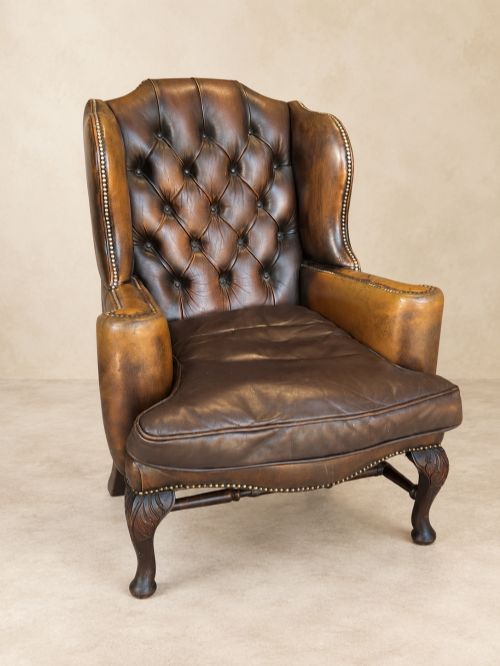
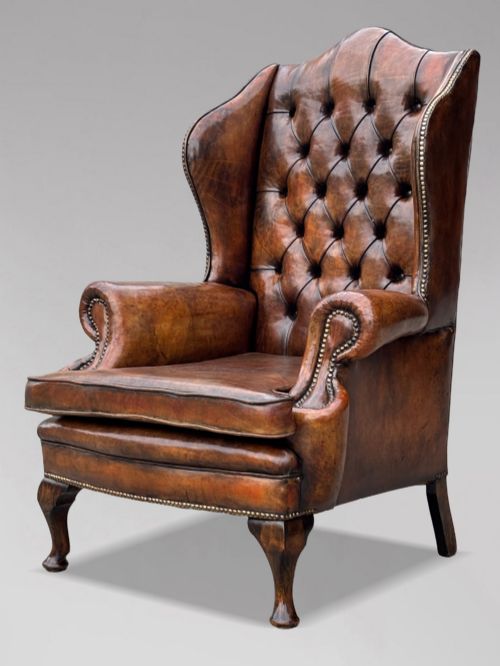
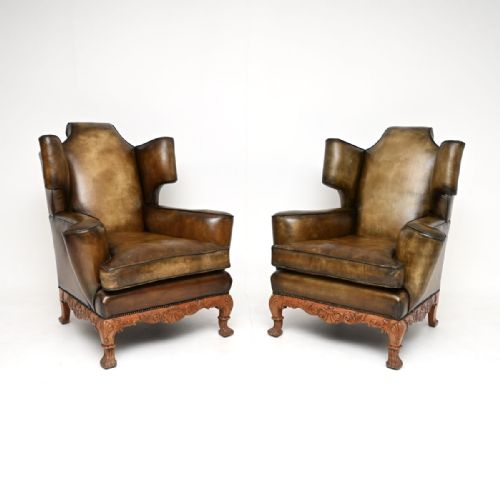
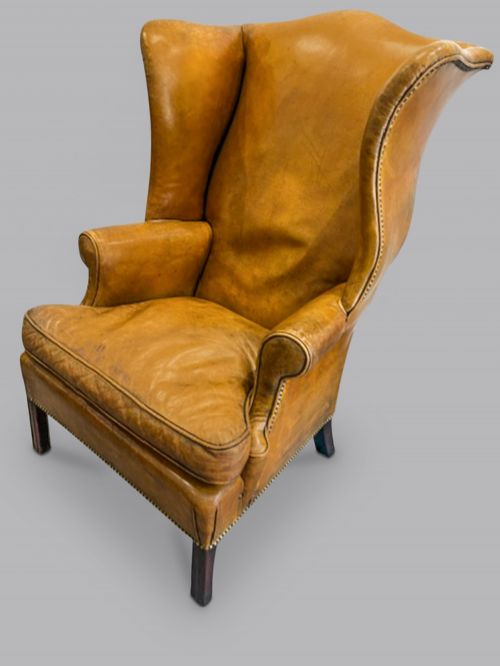
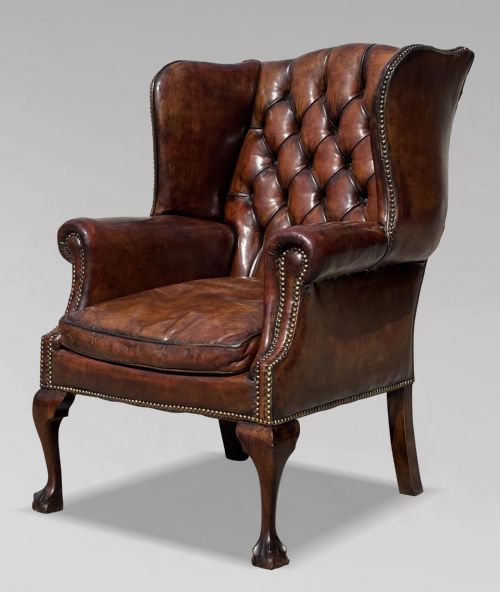
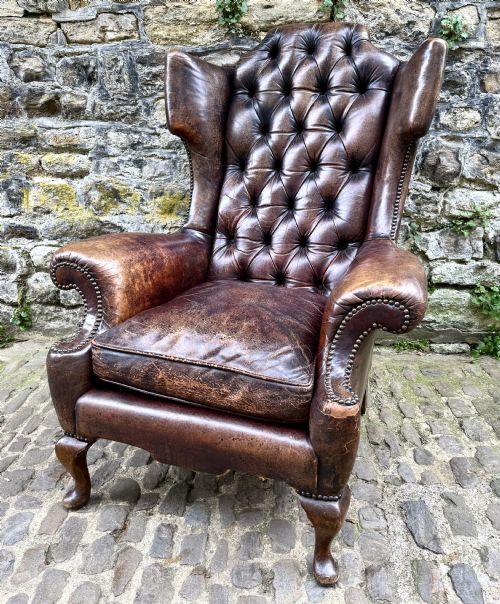
A brown leather wingback armchair offers deep-seated comfort and timeless library style, anchored by protective side wings.
Brown Leather Wingback Armchair
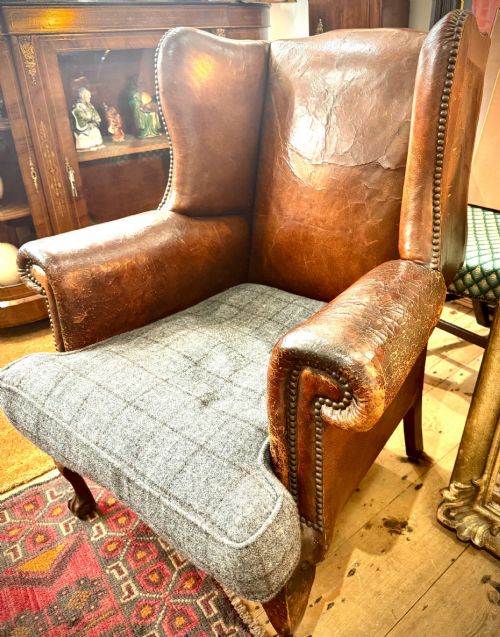
A brown leather wingback armchair combines a high padded back with extended side panels designed originally to shield the sitter from draughts near open fires. These seating pieces span multiple eras, appearing in substantial Victorian iterations, refined Georgian forms, and later revival styles.
The versions most commonly met on this page date from the nineteenth and early twentieth centuries, alongside later revival pieces produced in the twentieth century. They range from simple library reading chairs to large buttoned Chesterfield forms and metamorphic library models.
Makers and designers from past centuries, including firms such as Gillows and specialists like John Ward or J Foot & Son, occasionally contribute specific named forms to the overall selection. Timber frames underpin these designs, utilising woods such as mahogany, oak, and walnut beneath the upholstered hides.
How they were made
Traditional construction relies on sturdy internal timber frames built from woods such as mahogany, oak, and walnut, often supported by exposed cabriole or straight legs made of mahogany, walnut, or oak. Brass elements appear as decorative nailheads securing the upholstery or as functional hardware on specialised reclining and wheeled mechanisms.
Upholstery involves fitting heavy cattle hide or sheep's hide over deep padding, frequently finished with hand-dyed or hand-coloured treatments and full buttoning across the backrest. Skilled artisans shaped the characteristic wings and rolled arms by hand, securing the leather with individual brass tacks to create a durable outer shell.
Certain nineteenth-century reading chairs arrived equipped with clever metamorphic mechanisms or wheels to assist convalescing occupants.
What varies in quality
The primary distinction in quality lies in the depth and integrity of the underlying timber frame and the richness of the leather hide. Finer examples display superior hand-dyed patination on the leather and more intricate woodwork, such as carved lion details or shapely walnut cabriole legs.
Proportion and execution of the traditional wing shape dictate the visual balance of the piece, with period originals and careful revivals showing sharper detailing than mass-produced later interpretations. The complexity of the internal mechanics, such as those found on nineteenth-century library or invalid chairs, also marks out exceptional examples.
Gillows·John Ward·J Foot & Son
The Brown Leather Wingback Armchair Glossary
- Wingback
- An armchair style featuring extended side panels attached to the arms or backrest, created to deflect cold air away from the sitter's head and shoulders. These protective projections define the classic silhouette.
- Cabriole leg
- A furniture leg that curves outward at the knee and tapers inward toward the foot, often ending in a pad or claw shape. This form was widely utilised in Georgian and revival furniture.
- Chesterfield
- A heavy upholstered seating style traditionally characterised by deep button tufting and rolled arms of the same height as the back. These large pieces are frequently finished in brown leather.
- Buttoning
- An upholstery technique where depressions are formed in the padding by pulling twine or thread tightly through to the frame, secured with cloth or leather-covered buttons. This method keeps the internal stuffing evenly distributed.
- Porters chair
- A high-backed enclosed armchair originally designed for hall porters to block draughts in large drafty entryways. They often feature a hooded top and enclosed sides.
Brown Leather Wingback Armchair: Frequently Asked Questions
How do I spot a true period piece?
Examine the timber species used in the frame construction, such as mahogany, oak, or walnut, alongside the hand-stitched details and the natural ageing of the leather hide. Period pieces display joinery and wear consistent with their stated century.
Compare the proportions of the wings and the style of the legs against known examples from Georgian or Victorian eras. Secondary woods and traditional fixings underneath the chair offer further clues to its age.
What is the history of the wings?
The side panels originated in cooler centuries to trap heat from fireplaces and protect occupants from household draughts. The upholstered flaps successfully kept the sitter's head and neck warm.
Over time, this practical heating shield evolved into a distinct stylistic feature of library and reading chairs. Makers refined the curves of the wings to balance comfort with formal parlour aesthetics.
How should I maintain the leather?
Clean the surface gently using a soft, dry cloth to remove dust and prevent particles from settling into the grain. Avoid placing the chair near direct heat sources or strong sunlight to prevent the hide from drying out.
Apply a suitable leather conditioner periodically to keep the material supple and preserve the hand-dyed colour. Professional leather specialists can address deeper restoration needs without harming the original finish.
Are these chairs comfortable for daily use?
Most models feature deep padding and high backrests designed to support the head, neck, and lower back during extended periods of sitting. The generous proportions accommodate relaxed reading or lounging.
Historic filling materials and spring systems vary by era, meaning comfort levels depend on the specific restoration history of each individual seat. Testing the chair directly reveals how the interior suspension supports body weight.