

Brown Leather Side Chairs
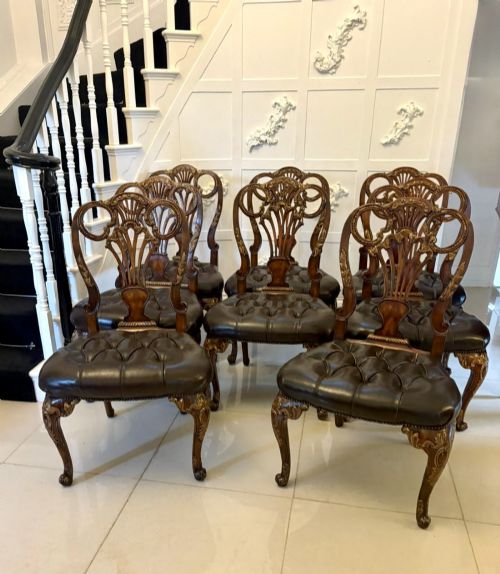
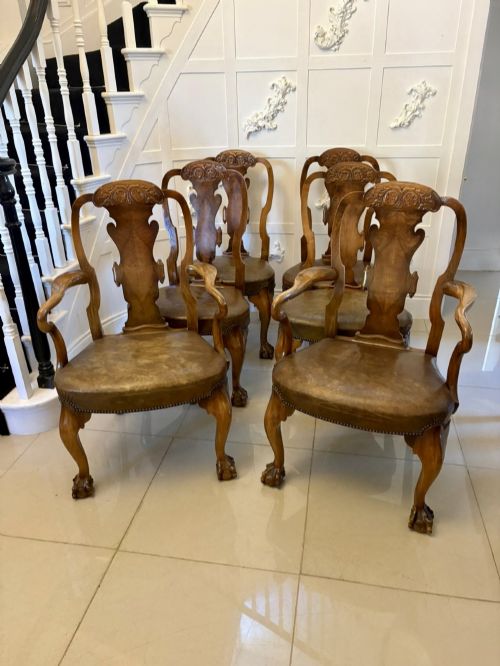
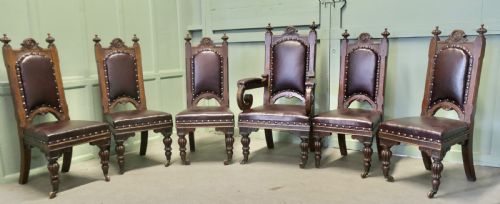
These brown leather side chairs bring genuine period character to a room, offering sturdy seating shaped by centuries of craftsmanship.
Brown Leather Side Chairs
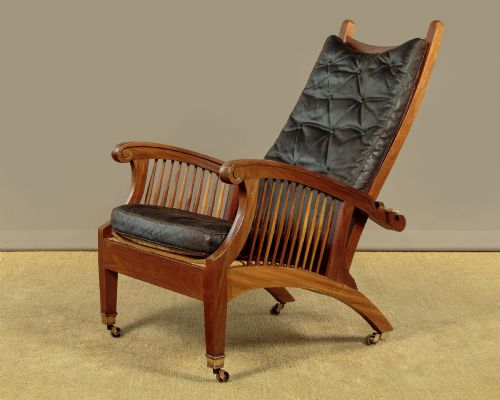
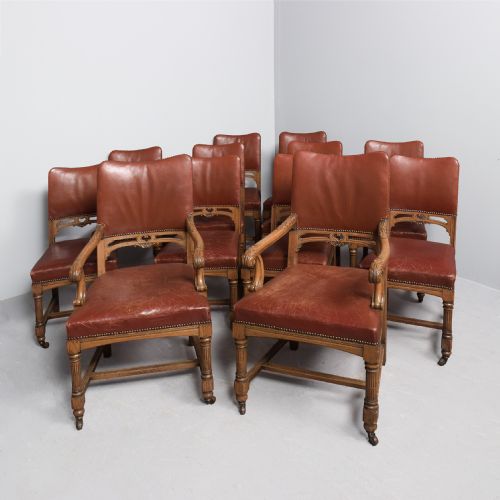
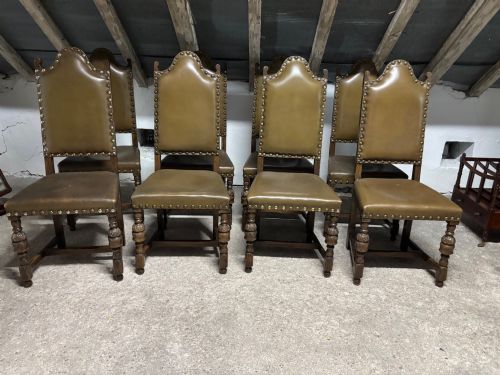
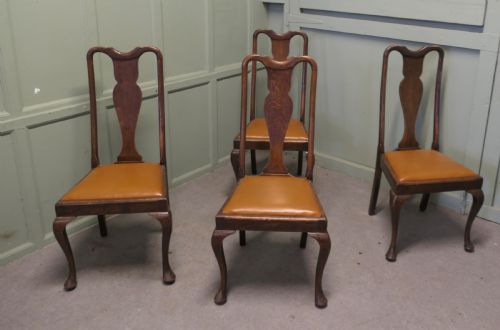
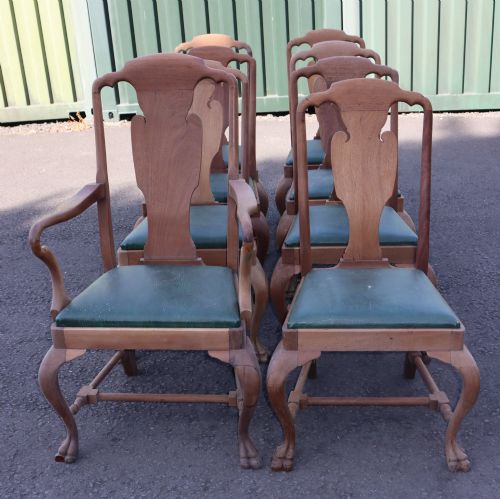
When you search for brown leather side chairs, you encounter seating designed primarily for dining rooms, libraries, and studies across multiple historical periods. The listings here span eras from the Georgian and Victorian periods through the Edwardian years and into early twentieth-century revivals.
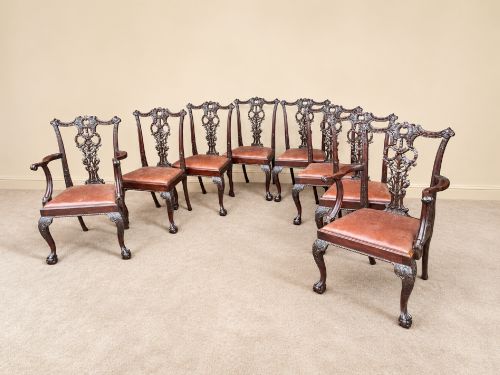
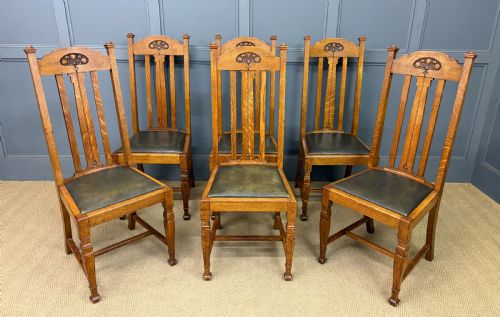
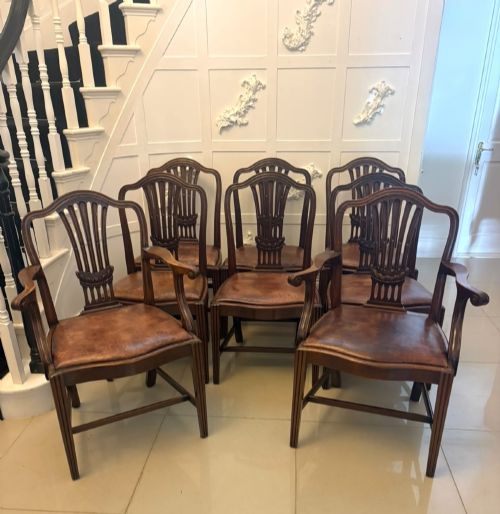
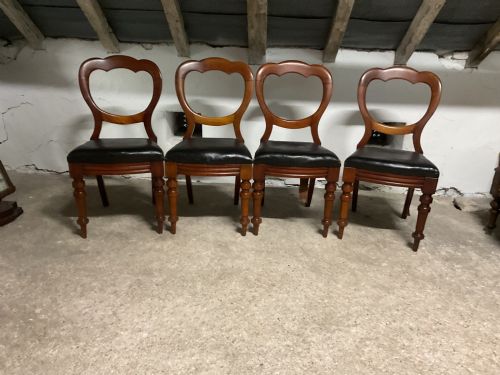
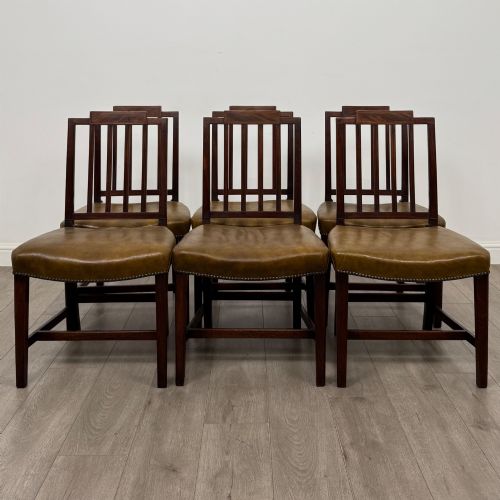
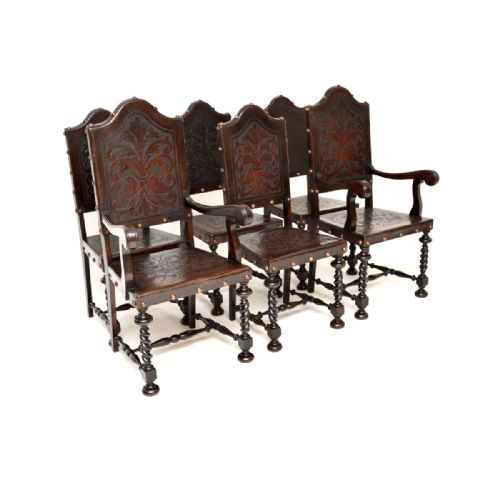
You are most likely to meet mahogany or oak frames paired with leather upholstery, often found in sets or matching pairs. The forms include balloon backs, shield backs, and high-backed Gothic variations, reflecting the changing tastes of British and continental makers.
How they were made
The construction of these pieces relies heavily on dense hardwoods such as mahogany, walnut, and oak, providing the structural integrity needed for daily use. Frames frequently feature carved details, turned legs, or applied gilding.
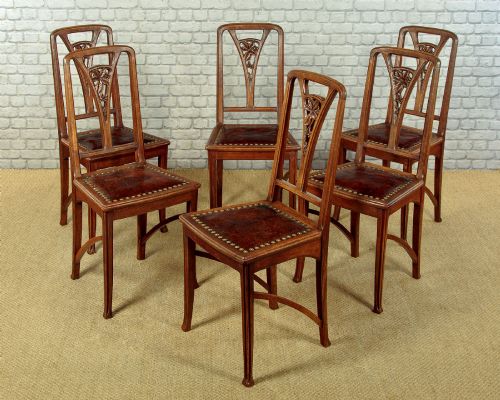
Upholstery involves fitting genuine leather directly to seats or backs, sometimes secured with brass tacks or embossed with intricate patterns. Caning and cane panels also appear alongside solid timber and hide in specific regional designs.
Brown Leather Side Chairs Retail Price Guide 2026
Typical asking prices for brown leather side chairs among the pieces listed under this phrase on Sellingantiques today, from the lower quarter to the upper quarter. They describe what is for sale here now, not the wider market.
The listings span the Georgian, Victorian, Edwardian, and early twentieth-century periods, using materials like mahogany, oak, walnut, rosewood, and brass.
What varies in quality
The grade of timber and the depth of carving separate standard examples from finer works. Timber selection dictates the weight and grain definition of the frame.
The preservation of the original leather and the tightness of the joinery determine the overall integrity of each chair. Hand-stitched details and matching sets command greater attention from collectors.
John Taylor And Son·Heals Of London
The Brown Leather Side Chairs Glossary
- Shield Back
- A chair back shaped like a heraldic shield, popular in eighteenth-century designs. This silhouette provides a lighter visual weight than solid panel backs.
- Balloon Back
- A rounded, curved chair back resembling the profile of a hot air balloon. This form became a defining characteristic of Victorian seating.
- Bergère
- An enclosed upholstered armchair with wooden framing around the sides. These pieces often incorporate cane work alongside leather or fabric elements.
- Barback
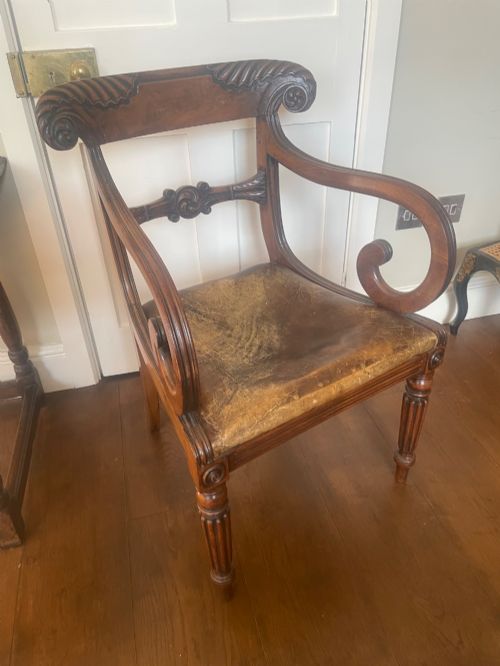
- A horizontal crossbar integrated into the backrest of a chair. This style frequently appears in William IV period seating.
Brown Leather Side Chairs: Frequently Asked Questions
How do I date a leather side chair?
Dating relies on identifying the underlying wood species, stylistic carving motifs, and construction methods characteristic of specific centuries. Examining how the frame is joined offers clues about the workshop period.
Changes in chair back geometry, such as the transition from shield backs to balloon shapes, help narrow down the decade of manufacture.
Are these chairs suitable for daily dining?
Most of these pieces were originally constructed for dining rooms or libraries, making them structurally suited for seated activities. Their solid hardwood frames provide durable support.
Checking the stability of the joints ensures the frame handles regular weight without strain.
What is the difference between a side chair and an armchair?
Side chairs are built without armrests, allowing them to tuck neatly beneath dining tables or desk surfaces. They offer compact seating for multiple guests.
Armchairs include supportive side framing designed for relaxation in studies or reading rooms.
How should I care for antique leather upholstery?
Preserving historical leather involves keeping the hide away from direct heat sources and sunlight to prevent drying. Regular dusting maintains the surface finish.
Applying specialised leather dressings helps retain suppleness across older hides without altering their tone.