

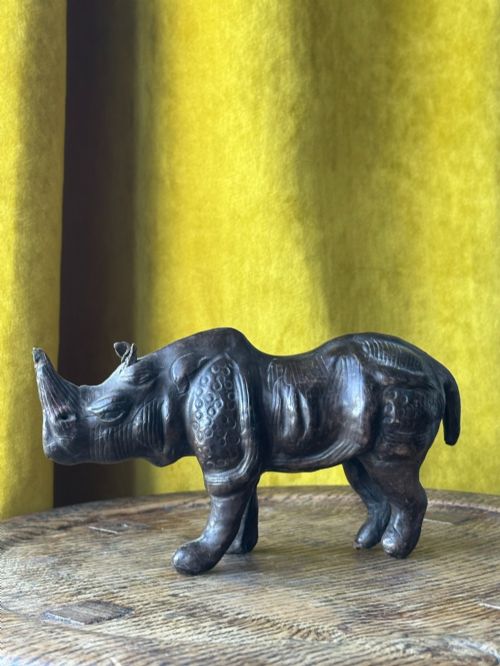


Brown Leather Sculpture
Brown leather sculpture brings tactile warmth to any room, offering tangible animal and decorative forms crafted across centuries.
Brown Leather Sculpture
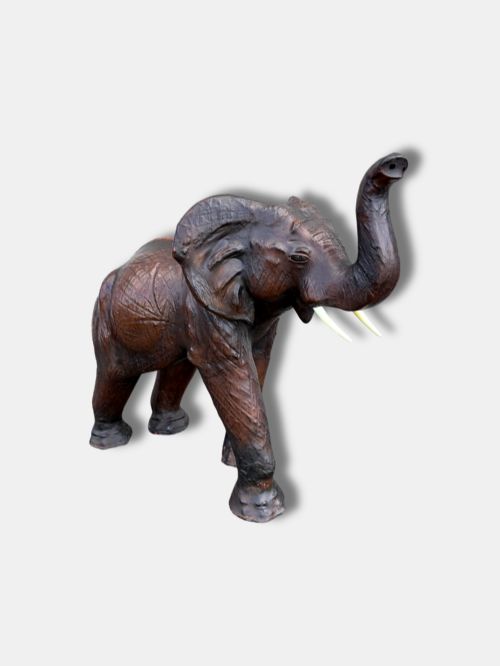
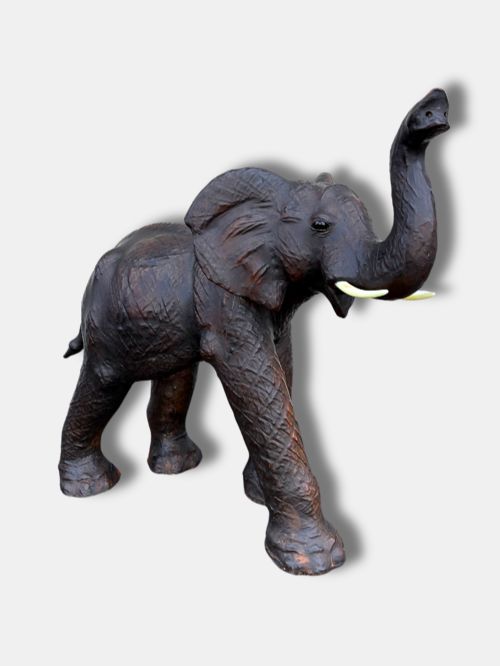
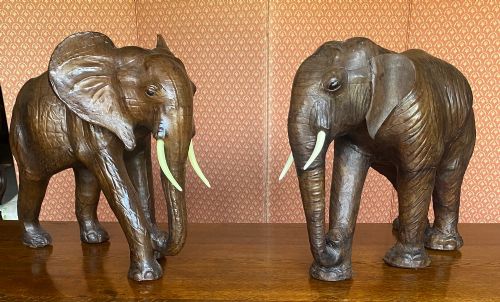
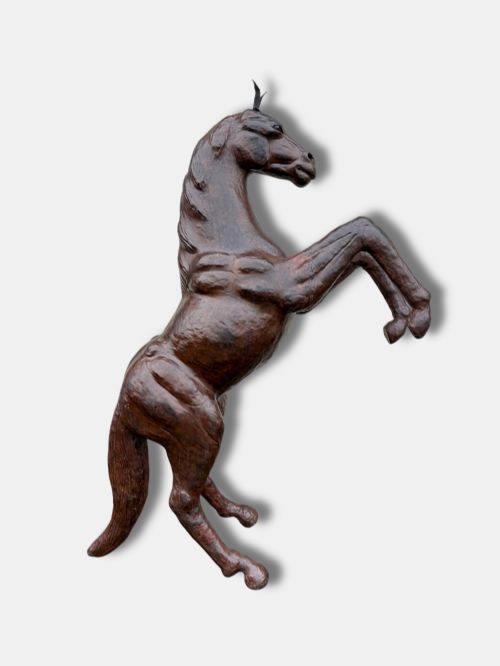
A brown leather sculpture encompasses animal models, decorative figures, and architectural ornaments created in varied historical periods. When searching for brown leather sculpture, collectors encounter items ranging from Victorian desk ornaments to mid-century animal figures.
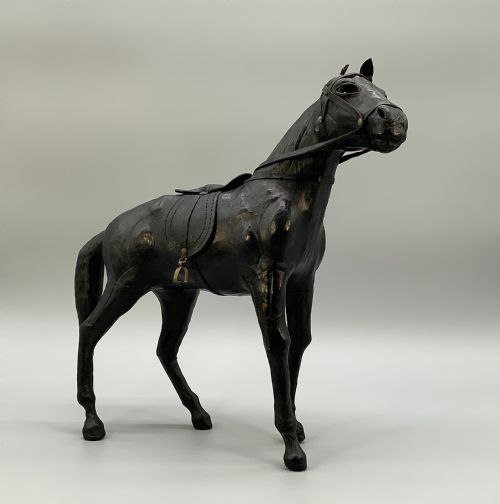
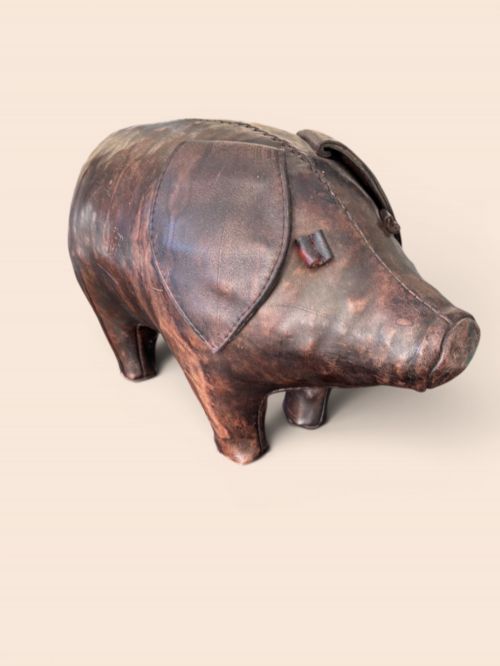
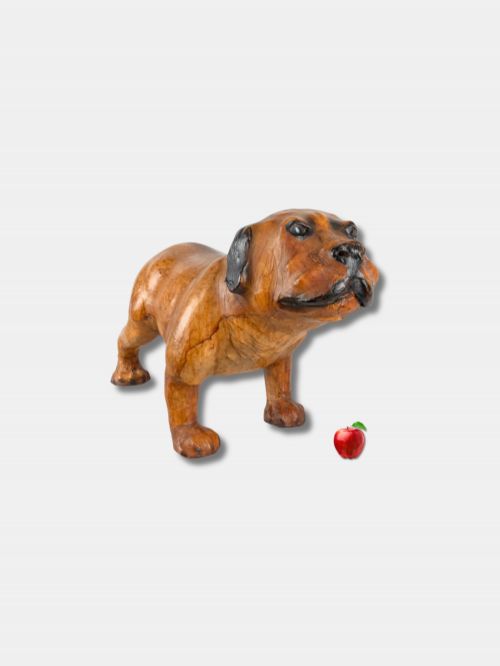
The selections span distinct creative movements, including Arts and Crafts, Victorian Neo-Renaissance, and Mid-Century Modern. Animal models such as horses, elephants, pigs, and dogs appear frequently alongside human figures like putti.
Origins vary widely across the inventory, featuring English workshops, continental European production, and indigenous Canadian craftsmanship. These decorative objects function equally well as standalone sculptures or functional footstools.
How they were made
Makers utilised natural materials including leather, tanned seal skin, wood, metal, glass, steel, wood wool, and bone to construct these figures. Artisans frequently stretched treated hides over rigid internal armatures or wooden frames.
Specialised techniques such as leathermaché allowed craftsmen to mould pulp and hide into intricate architectural decorations and sculptural reliefs. Stamping and stitching defined the surface details of animal models produced by established workshops.
Brown Leather Sculpture Retail Price Guide 2026
Typical asking prices for brown leather sculpture among the pieces listed under this phrase on Sellingantiques today, from the lower quarter to the upper quarter. They describe what is for sale here now, not the wider market.
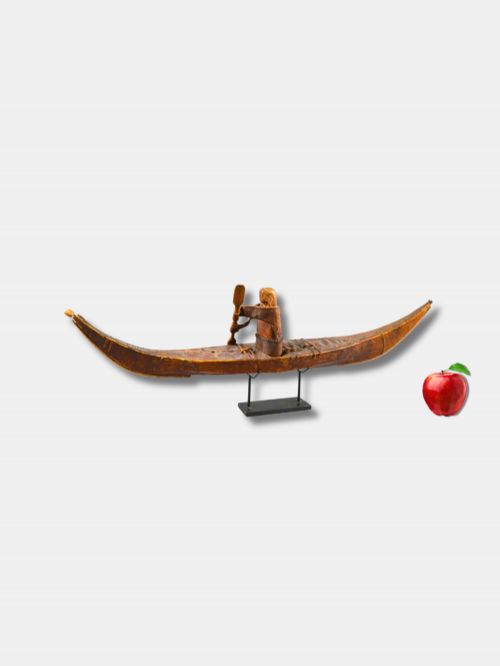
A solitary Inuit kayaker made from seal skin and bone shares space with sturdy English leather pigs.
What varies in quality
Quality rests upon the structural integrity of the internal armature and the resilience of the outer hide. Superior examples maintain firm proportions and careful stitching that withstands decades of handling.
The definition in surface tooling and the fidelity of anatomical representation separate ordinary production from superior workshop output. Maker stamps provide verifiable proof of origin that elevates the desirability of a piece.
Liberty and Co·Omersa Workshop·Omersa For Liberty
The Brown Leather Sculpture Glossary
- Leathermaché
- A composite material combining leather pulp and binding agents, moulded into decorative architectural ornaments and reliefs.
- Wood wool
- Fine wood shavings utilised historically as internal stuffing to pack and shape upholstered animal models.
- Tanned seal skin
- Animal hide treated for preservation, seen on indigenous Canadian and Inuit maritime models.
- Arts and Crafts
- A design movement prioritising traditional craftsmanship, visible in many of the handmade animal sculptures.
- Footstool
- A low upholstered support for the feet, frequently fashioned into animal forms by makers like Omersa.
Brown Leather Sculpture: Frequently Asked Questions
What animals appear as sculptures?
Horses, elephants, pigs, dogs, and rhinoceroses dominate the animal forms available in these historical categories. These subjects served as both ornamental desk pieces and functional domestic furnishings.
Craftsmen rendered them in sizes ranging from small tabletop models to life-size floor standing sculptures. Each animal reflects the stylistic tendencies of its specific period of manufacture.
How are older models constructed?
Makers built these pieces using supportive wooden frames or packed them internally with wood wool before applying the outer hide. Skilled artisans then hand-stitched and shaped the leather to capture realistic muscle and contours.
Metal and bone elements occasionally reinforced vulnerable areas like legs and horns. This meticulous construction method ensured the sculptures retained their shape over generations of use.
Where were these pieces made?
English workshops produced a significant portion of these decorative animal models, particularly during the late nineteenth and mid-twentieth centuries. Other items originate from indigenous Canadian makers utilising regional materials like seal skin.
Continental European workshops also contributed architectural decorations and sculptural reliefs in leathermaché. Geographic origin heavily influences the materials and techniques found in each specific piece.
How do I care for leather sculptures?
Maintain the material by keeping the pieces away from direct sunlight and excessive moisture to prevent drying and cracking. Gentle dusting preserves the surface finish without disturbing the original stitching.
Applying suitable leather conditioners periodically helps maintain flexibility in older hides. Careful placement in stable indoor environments ensures the internal armatures remain protected.