


Brown Leather Ottoman
These brown leather ottoman pieces combine sturdy wood frames with patinated hides, offering a functional centrepiece for traditional rooms.
Identifying the brown leather ottoman
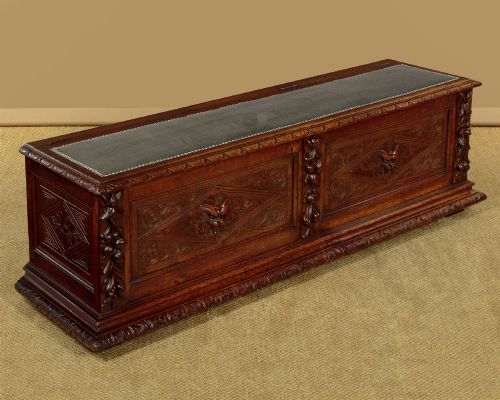
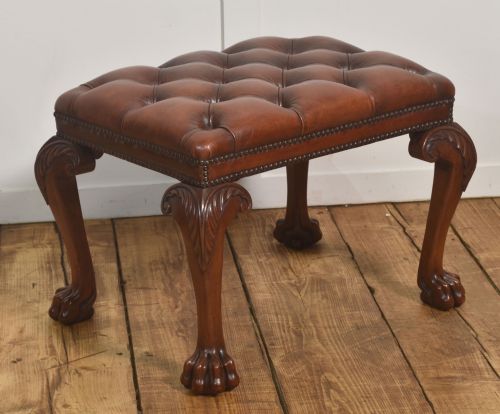
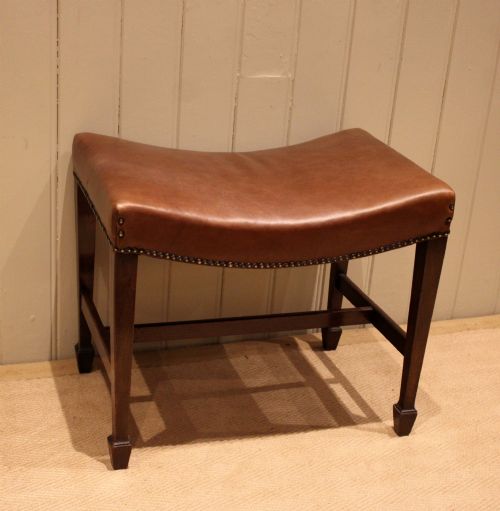
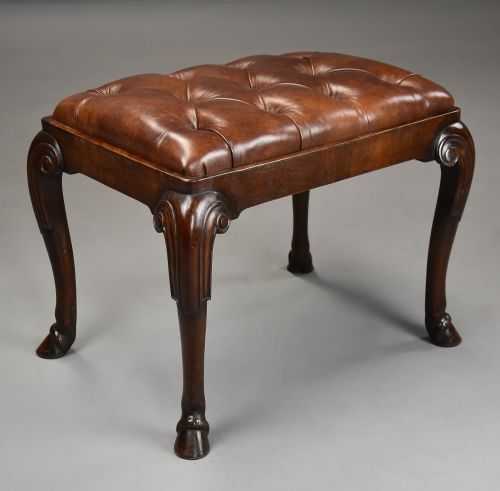
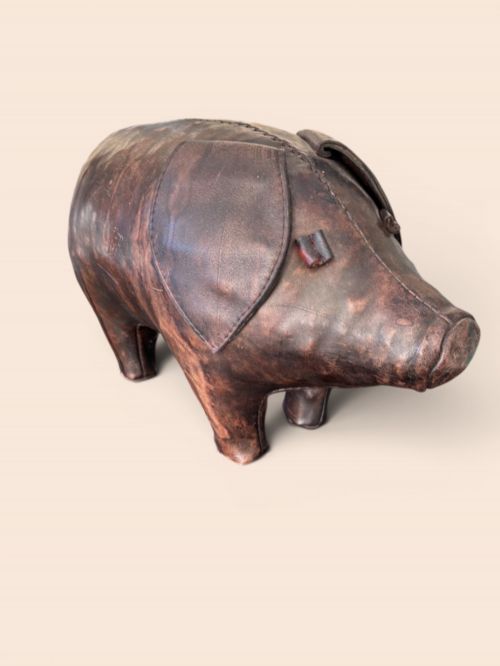
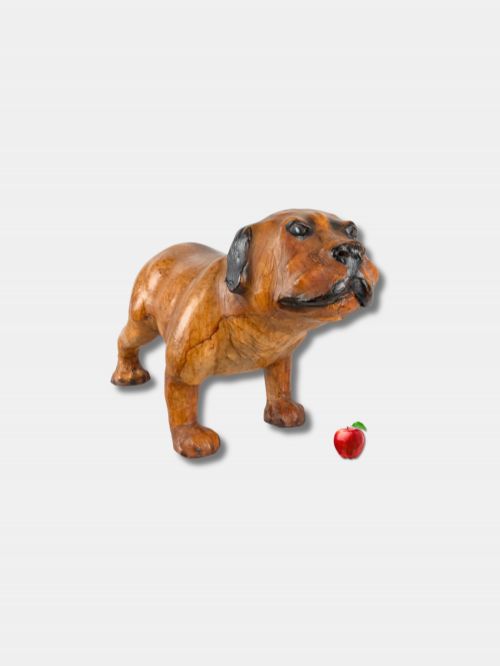
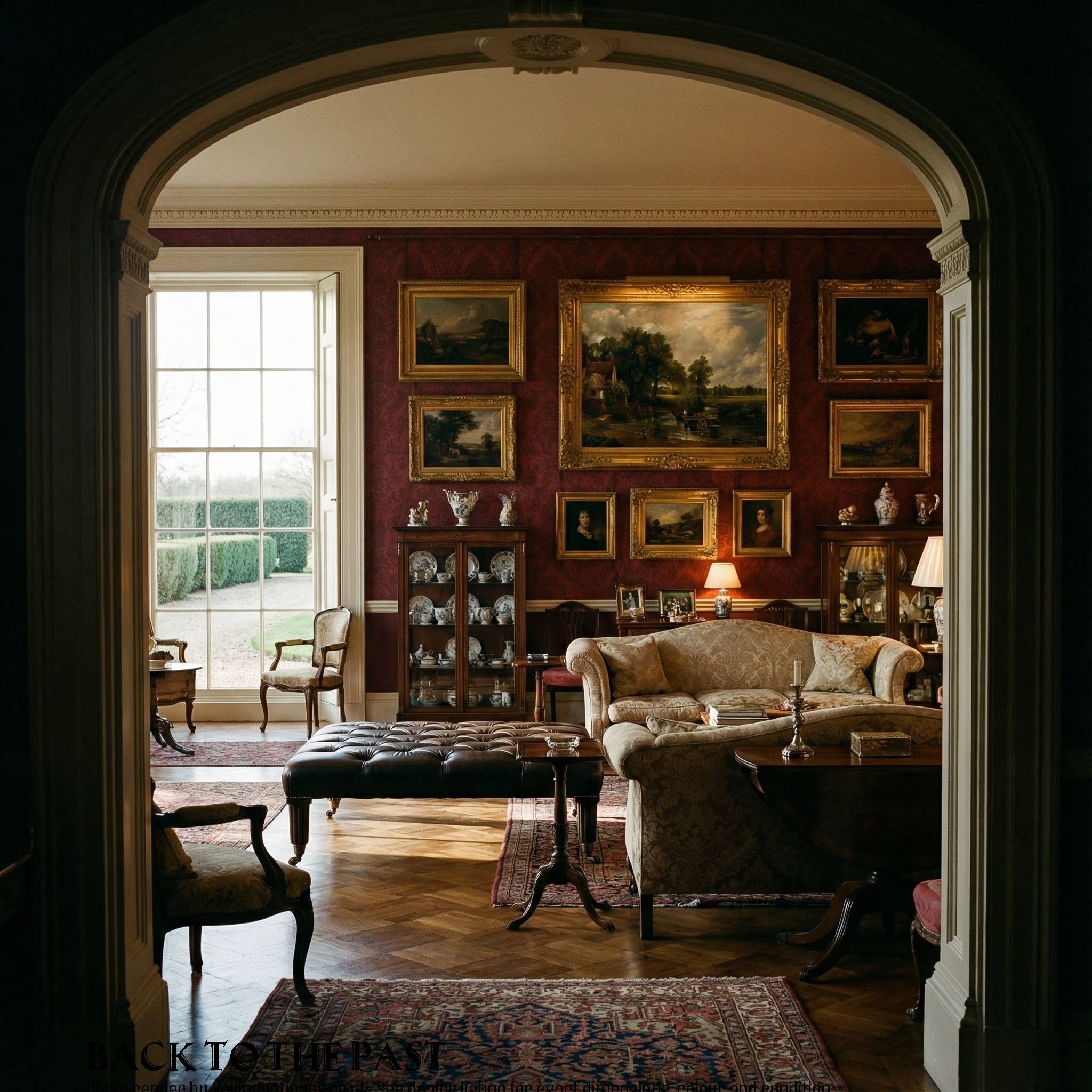
A brown leather ottoman serves primarily as a footstool, library stool, or centre table alternative in traditional English interiors. Buyers searching for a brown leather ottoman encounter various forms including large country house styles, buttoned centre stools, and quirky animal figures.
The pieces span the Regency period, Victorian era, and early twentieth century. Common formats include square ottoman boxes, concave boxes, duet stools, and straightforward footstools.
Origins heavily reflect traditional English craftsmanship, encompassing country house aesthetics and library furnishings. Many examples feature robust wooden underframes beneath patinated leather upholstery.
Materials and construction methods
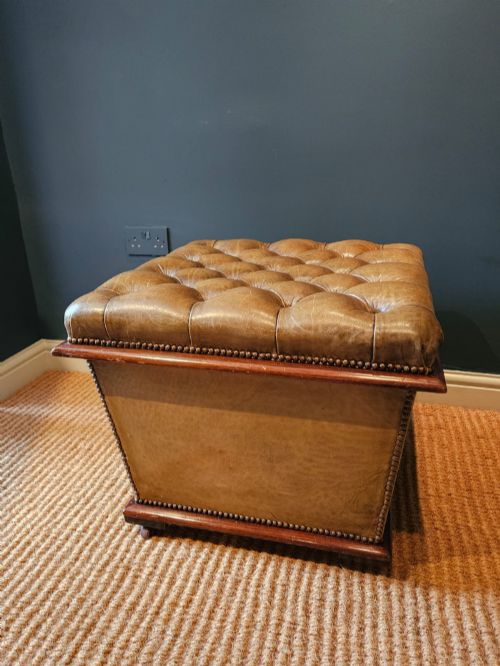
Makers built these pieces using hardwood frames, frequently selecting mahogany for box stools and library steps. Upholstery utilises durable brown and tan leather, secured around the edges with metal tacks.
Finishes include hand-dyed hides and buttoned leather detailing across the seat surfaces. Internal box compartments in Victorian pieces demonstrate functional storage design integrated into upholstered seating.
Retail Price Guide 2026
Typical UK retail prices for brown leather ottoman, calculated from the Sellingantiques database of over a million retail prices indexed since 2003. This retail price guide relies exclusively on Sellingantiques data; no external sources or auction records are used, so the figures do not describe the wider market.
Listings feature mahogany, hardwood, brass, and metal tacks applied across Victorian and Regency footstools.
Distinguishing quality across examples
Superior execution shows in the depth of buttoning, the richness of hand-dyed leather patination, and the solidity of the underlying mahogany or hardwood frame. Early nineteenth-century examples often exhibit finer joinery and more substantial proportions than later variations.
The integrity of the leather upholstery and the crisp placement of metal tacks dictate the visual appeal of each piece. Maker attribution, such as work associated with Liberty, elevates the desirability of twentieth-century examples.
Omersa For Liberty
The Brown Leather Ottoman Glossary
- Ottoman
- A low, upholstered seat or footstool without a back or arms, often incorporating internal storage box space. These pieces function as versatile furniture items in libraries and living rooms.
- Buttoned
- Upholstering technique where deep indentations are formed in the leather using tightly pulled buttons or tufts. This method secures the padding and creates a distinctive geometric pattern.
- Centre stool
- A large freestanding seating piece designed to sit in the middle of a room rather than against a wall. They frequently feature robust wooden frames and leather upholstery.
- Regency
- An English architectural and decorative style spanning the early nineteenth century. Pieces from this period often display classical proportions and refined wood framing.
- Concave
- Curving inward like the interior of a sphere, describing the specific recessed shape of certain Victorian ottoman box seats. This contour provides ergonomic comfort for the legs.
Frequently Asked Questions
What is a brown leather ottoman used for?
These pieces serve primarily as footstools or resting places for the legs in traditional libraries and sitting rooms. Some variations also incorporate internal box compartments for storage.
Larger country house examples frequently act as centre stools, filling the middle space of substantial rooms with upholstered seating.
How do I date a Victorian ottoman?
Dating relies on examining the timber frame, particularly the use of solid mahogany and the specific joinery techniques employed beneath the upholstery. Victorian box stools often feature characteristic interior compartment construction.
Upholstery methods, such as hand-tacking and buttoning styles, also provide clear indicators of nineteenth-century manufacturing periods.
Are these pieces made of solid wood?
The structural frames beneath the leather upholstery consist of hardwoods, with mahogany appearing frequently in nineteenth-century box stools. These robust timbers support heavy daily use as seats and footrests.
Secondary woods may appear in internal box linings, while the exterior remains defined by leather hides and metal tacks.
How do I care for antique leather?
Maintain the material by avoiding direct sunlight and excessive heat sources that dry out historical hides. Regular gentle dusting preserves the surface condition without disturbing the underlying patination.
Professional leather dressings applied sparingly help maintain flexibility in older upholstered pieces.