

Brown Landscape
Brown landscape works group rural and coastal views across centuries of oil and watercolour.
Brown Landscape
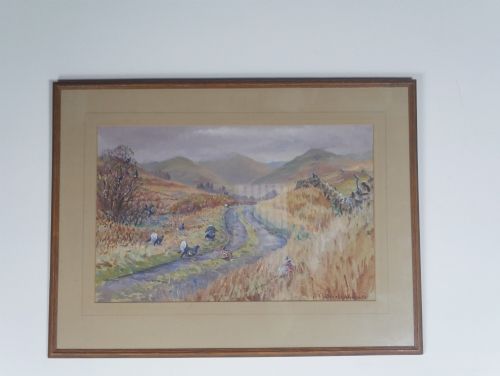
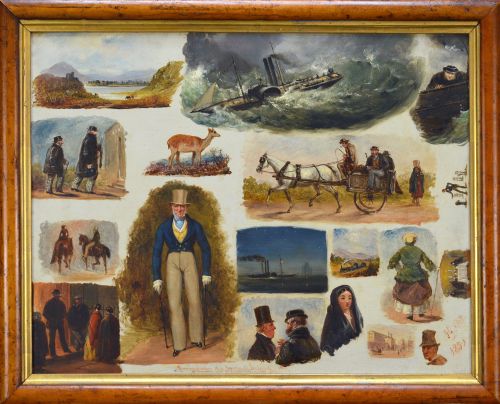
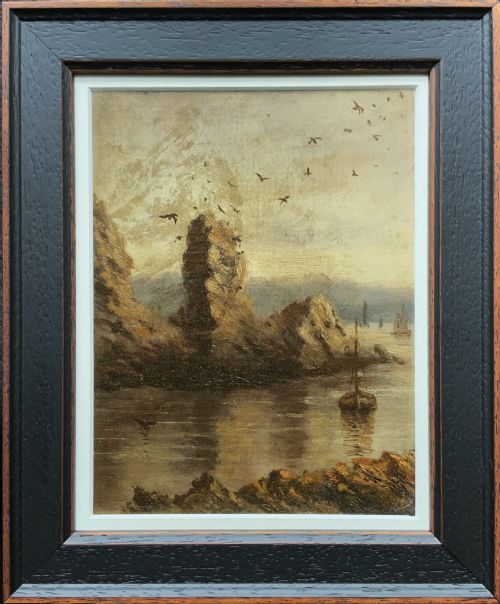
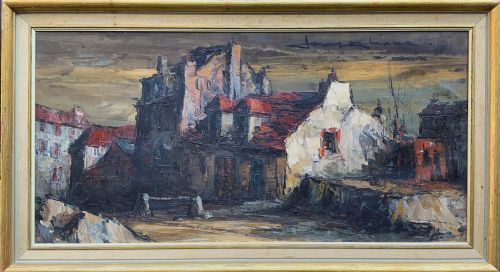
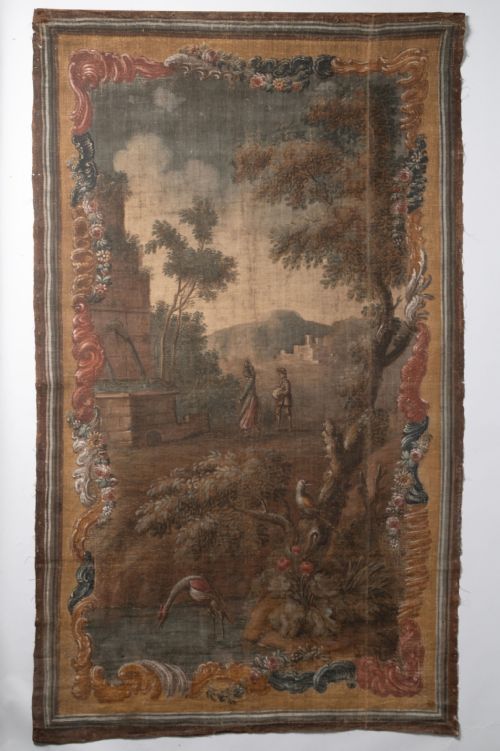
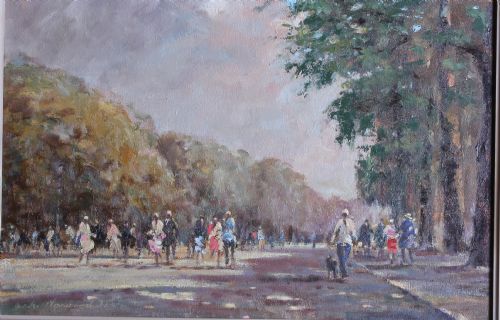
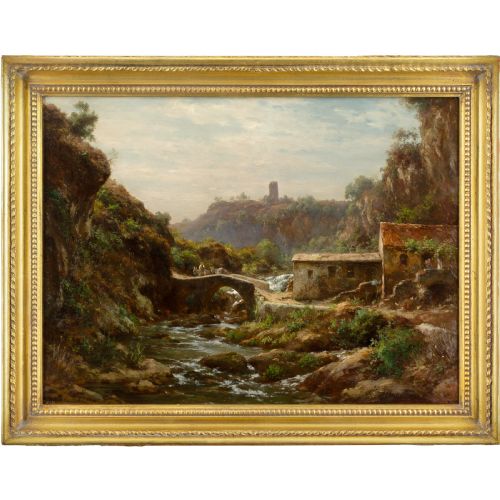
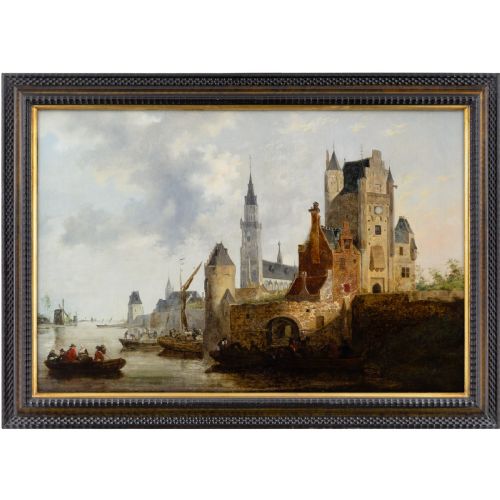
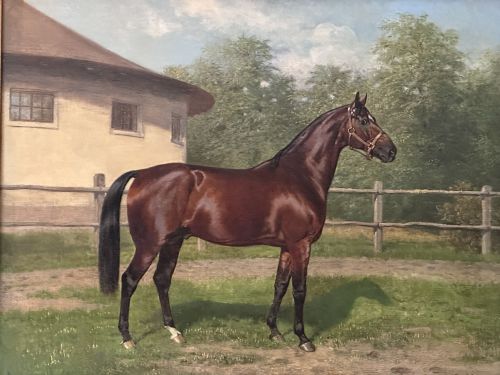
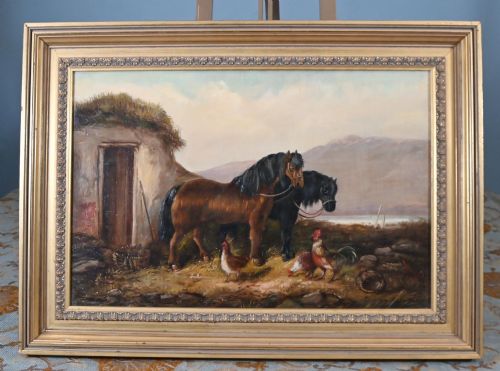
A brown landscape search gathers oil paintings, watercolours, and pastels depicting rural, river, and coastal scenes. These works stretch from the 17th century through the Victorian period and into the mid 20th century, capturing natural settings in various schools.
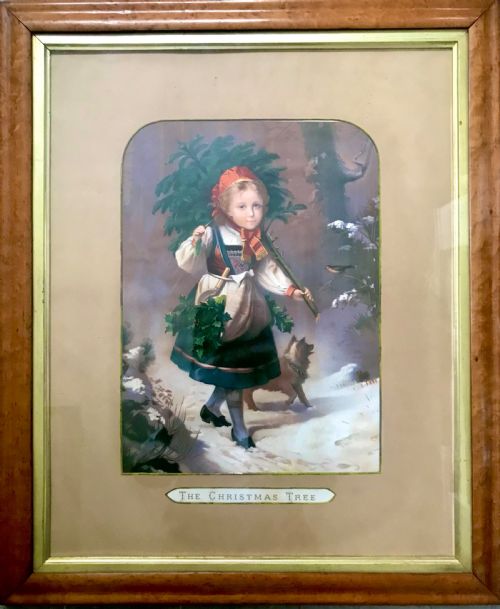
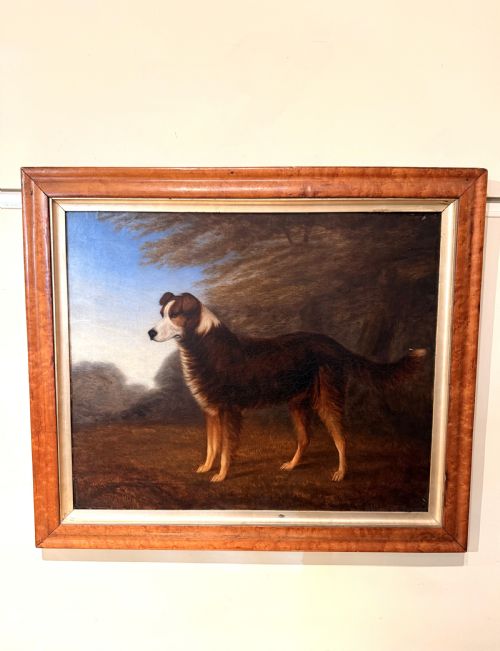
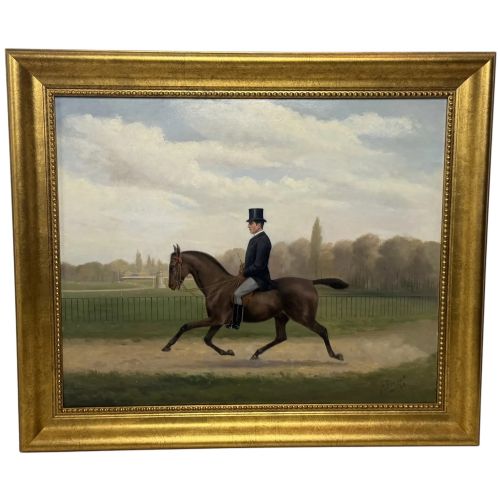
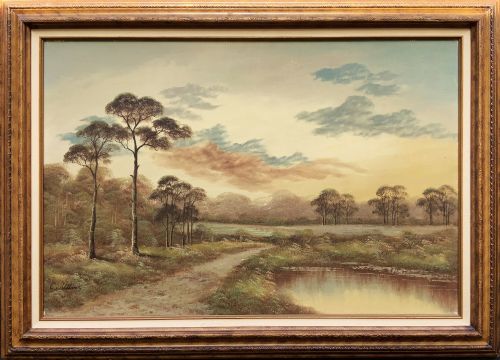
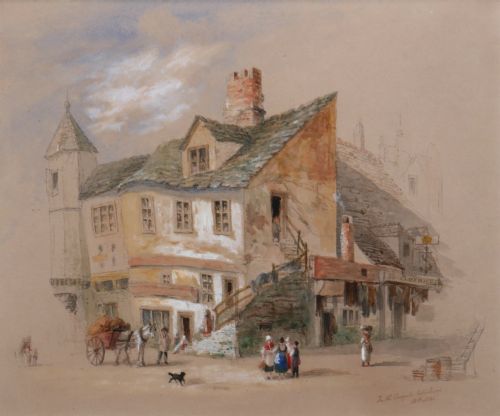
The most frequent version on this page is the 19th-century oil painting or watercolour depicting British or Dutch rural scenery. Works often show cattle, rivers, figures near beaches, or woodland paths rendered in earthy tones.
Materials and technique
Painters utilised oil paint on canvas, wood panels, or board, building rich textures with traditional brushes. Others applied watercolour or pastel onto paper to capture lighter atmospheric effects in rural settings.
Supports ranged from stretched canvas and heavy paper to timber panels, often housed within period frames of gilt or mahogany.
Brown Landscape Retail Price Guide 2026
Typical asking prices for brown landscape among the pieces listed under this phrase on Sellingantiques today, from the lower quarter to the upper quarter. They describe what is for sale here now, not the wider market.
The selection includes British and continental schools, capturing maritime views, domestic animals, and rural scenes.
Variations in quality
The handling of light and perspective separates proficient compositions from routine works, as skilled hands capture depth and movement in water or foliage. The preservation of the original paint layer and the integrity of the panel or canvas also influence the standing of a piece.
Signatures and attribution to known British, Scottish, or continental schools add distinction to a work, alongside the survival of a period frame that complements the composition.
John Horwood·Angus Rands·Robert Buchan Nisbet·Nicolaas Martinus Wijdoogen·Kenneth Cozens·James Orrock·John R Prentice·William H Myers·Donald Grant·Tom Campbell·Frederick Marriott·Angelo Maria Crivelli·William Joseph Shayer Senior·Hendrik Willem Schweickhardt·John McDougal·Alfred Fontville de Breanski Jr·B Nash·James E Aitken·Herbert Royle·Robert Leslie Howey·Muriel Metcalfe
The Brown Landscape Glossary
- Oil painting
- A work created using pigments bound in a drying oil medium, typically applied to canvas or wood panel. This technique allows for rich blending and deep earthy tones.
- Watercolour
- A painting method where fine pigment powders are suspended in a water-soluble binder, traditionally applied to paper. It produces translucent washes suited to delicate landscape studies.
- Pastel
- A medium formed of powdered pigment mixed with a binder and shaped into sticks, used on paper to achieve soft textures. It appears frequently in equestrian and landscape studies.
- Panel painting
- A flat piece of wood used as a rigid support for oil pigments instead of stretched canvas. Artists utilised various timbers for these sturdy foundations across earlier centuries.
- Dutch School
- A collective term for painters working in the Netherlands during specific historical periods, known for atmospheric landscapes and maritime scenes. Their influence extended across European art.
Brown Landscape: Frequently Asked Questions
How do I date a brown landscape painting?
Examine the canvas preparation, stretcher construction, and framing materials for clues regarding the period of creation. Stylistic hints within the clothing of any figures or the pigments used also point toward specific centuries.
Compare the signature or attribution with known records of artists working within British or continental schools during those eras.
Where should I hang a landscape painting?
Choose a wall away from direct sunlight and excessive moisture to protect the oil or watercolour medium from fading. Stable indoor temperatures prevent the canvas or wooden panel from warping over time.
Position the work at eye level in a room with balanced ambient lighting to appreciate the brushwork and tonal depth.
What is the difference between oil and watercolour landscapes?
Oil paintings utilise pigment bound in drying oil on canvas or panel, offering thick textures and deep, layered tones. Watercolours employ water-soluble pigments on paper, creating lighter and more translucent atmospheric effects.
Oils generally require sturdy frames without glass for protection, whereas watercolours need glazing to shield the paper from environmental damage.
How do I clean an antique painting safely?
Dust the surface gently with a soft, dry brush to remove loose particles without disturbing the pigment layer. Avoid using water, household cleaners, or chemical solvents on the paint.
Consult a professional art restorer if the surface requires deeper cleaning or removal of aged varnish.