

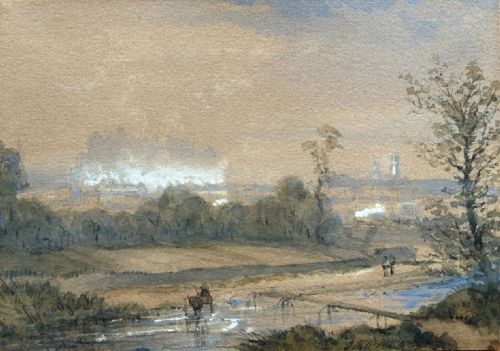
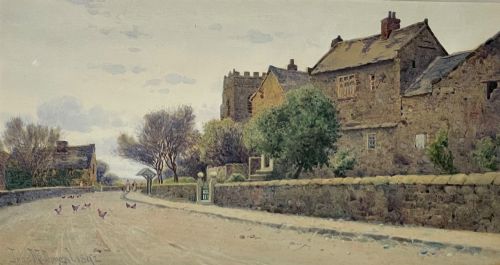
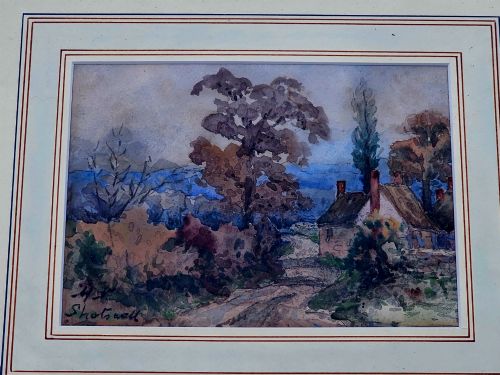
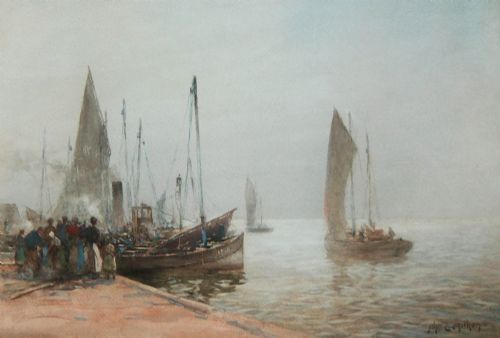
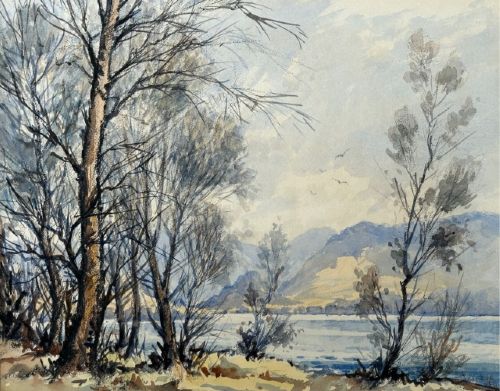
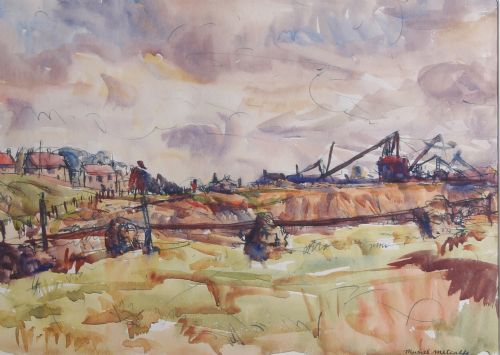
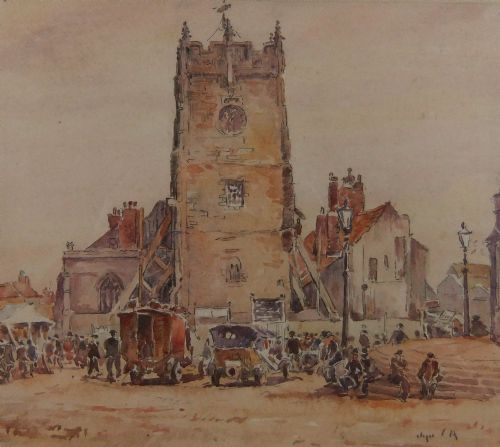
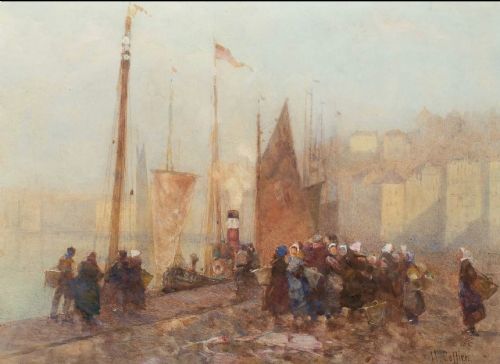



Brown Landscape Watercolour Painting
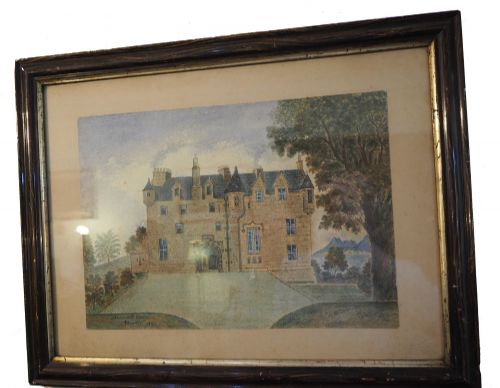
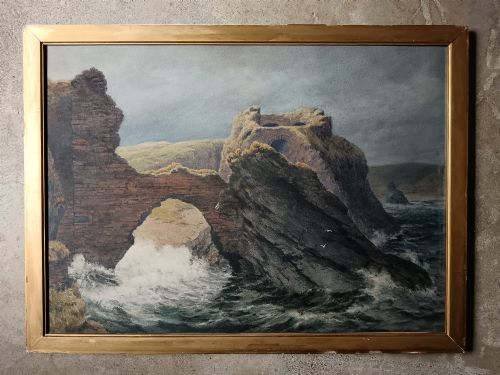
A brown landscape watercolour painting captures the subtle earth tones and atmospheric depth of rural and coastal scenes across the nineteenth and twentieth centuries.
Brown Landscape Watercolour Painting
A brown landscape watercolour painting presents muted earthen palettes, sepia washes, and tonal studies that capture British and European countryside, coastal, and architectural views. These works span from the Victorian period through to the mid-century, reflecting shifts in pastoral and impressionist sensibilities.
The selections available here range from intimate rural vignettes and moorland studies to large coastal harbours and historical Yorkshire landscapes. Framed securely behind glass, these original works offer a direct window into historical topography and traditional painting techniques.
What Varies in Quality
The distinction between standard examples and superior works rests on the artist's handling of light, atmospheric perspective, and compositional balance within a restrained palette. Masterful control of wash transparency allows the texture of the paper to breathe through the pigment, creating luminous depth rather than a flat, opaque finish.
Condition and provenance further elevate a piece, particularly when signatures, clear historical locations, or original framing are preserved intact. Works that capture fleeting weather conditions with assured, confident brushstrokes stand apart from stiffer, purely topographical records.
James Orrock·John R Prentice·John McDougal·Robert Leslie Howey·Muriel Metcalfe·John Smith Atherton·Hector Caffieri·John Moxon·F.J. Snell·Alfred George Morgan·Henry Charles Fox·Robert Little·Fred Lawson·Sir Thomas Newenham Dean·George Graham·James William Booth·Thomas Bush Hardy·Ernest Pile Bucknall·Tom Clough·Helena Maguire·John Syer·George Weatherill·Alfred Grey·George Arthur Fripp·Harold Lawes
The Brown Landscape Watercolour Painting Glossary
- Watercolour
- A paint consisting of pigment suspended in a water-soluble vehicle, applied to paper to create translucent washes of colour. It requires swift, deliberate execution because mistakes cannot easily be painted over.
- Wash
- A thin, fluid layer of diluted pigment spread across the paper to create smooth background tones or skies. Mastering this technique prevents harsh edges and uneven pooling.
- Provenance
- The documented history of ownership of an artwork, tracing its origin to the artist or studio. This record authenticates the piece and establishes its historical journey.
- Impressionism
- A style of painting focusing on the visual impression of the moment, particularly the shifting effects of light and atmosphere. Artists prioritized loose brushwork over rigid academic precision.
Brown Landscape Watercolour Painting: Frequently Asked Questions
How should I display my watercolour?
Watercolour paintings require protection from direct sunlight to prevent the pigments and paper from fading over time. Hang them in rooms with stable humidity and away from direct heat sources.
Ensure the framing utilises acid-free mounts to prevent chemical damage to the paper margins. Proper framing preserves the delicate balance of the original washes.
How do I identify the period of a landscape?
Stylistic clues, framing materials, and artist signatures often provide clear indicators of a painting's era. Victorian and Edwardian works frequently feature detailed brushwork and traditional mounting methods.
Examining the paper type and any inscriptions on the reverse can also help pinpoint the date. Comparing the subject matter to known historical views confirms the timeline.
Where were these landscape scenes painted?
Artists travelled extensively across British coastal towns, Scottish highlands, and Yorkshire dales to capture rural and maritime views. Grand Tour watercolours also document classical European architecture and Italian landscapes.
Many works record specific villages, rivers, and historical landmarks noted in the titles. This topography offers a fascinating record of changing rural landscapes.
Why choose brown landscape watercolours?
The restrained use of sepia and earth tones creates a calm, atmospheric aesthetic that complements traditional and modern interiors alike. These monochrome palettes highlight the draftsman's skill and tonal control.
Such works offer a subtle, sophisticated alternative to brightly coloured art. They bring a quiet depth and historical resonance to wall spaces.