
Brown Impressionist Painting
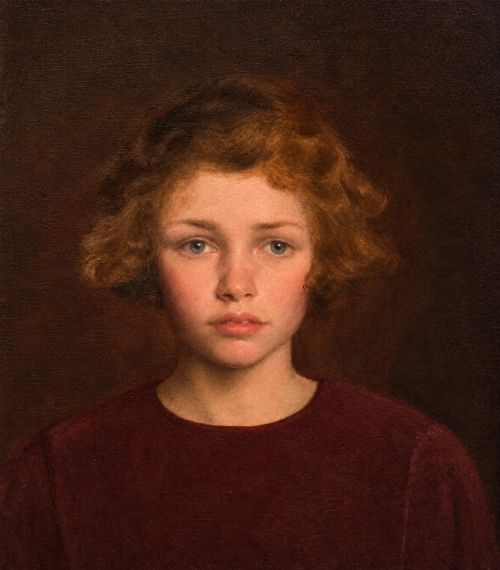
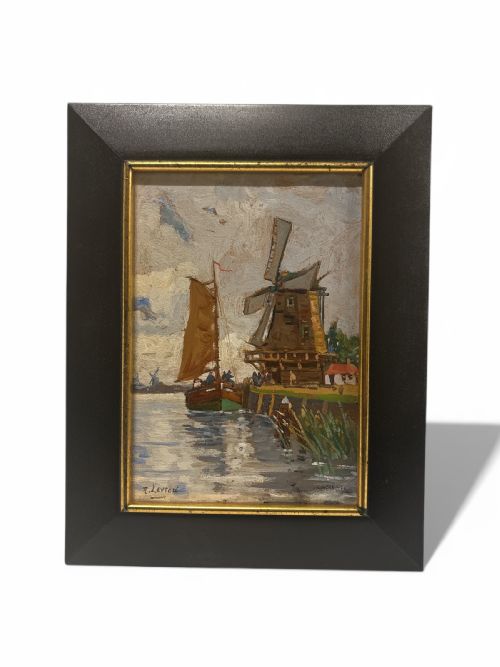
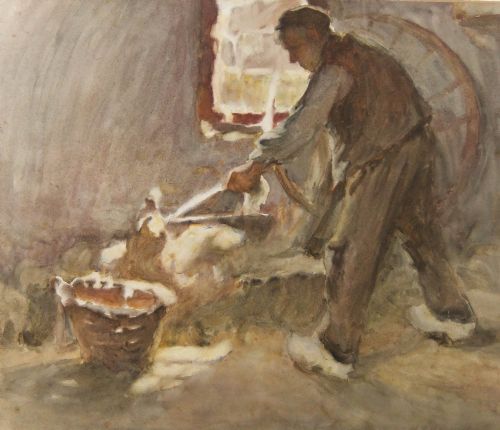
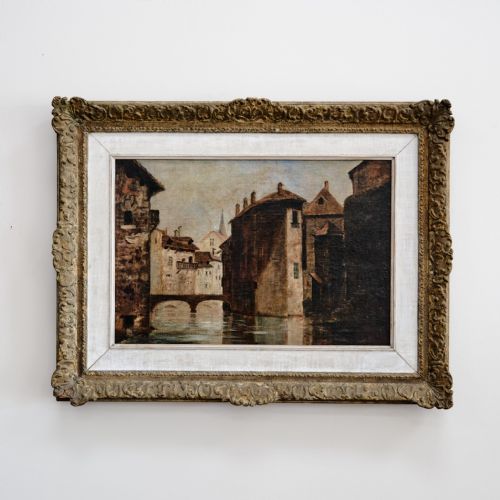
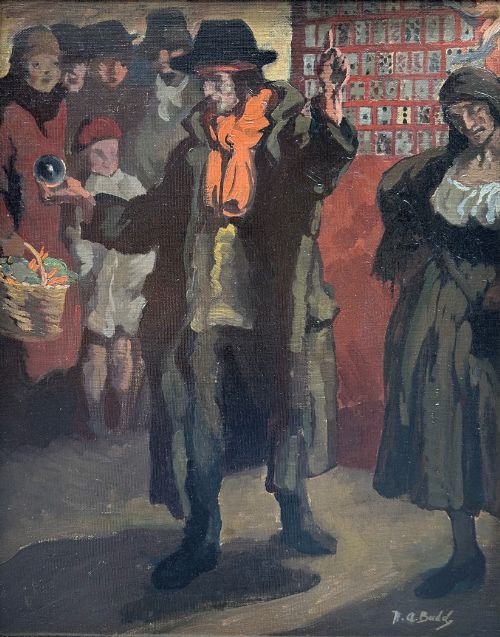
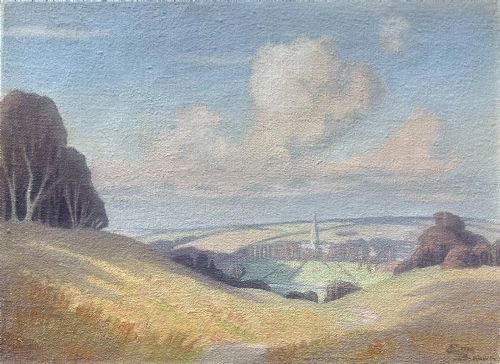
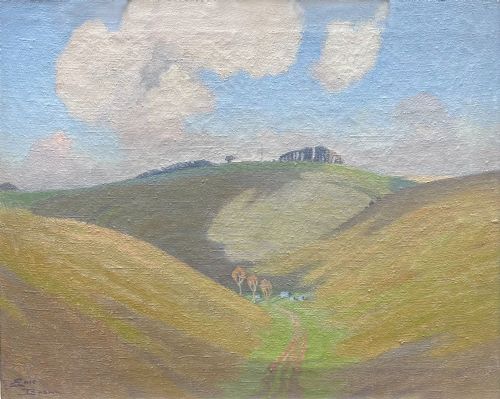
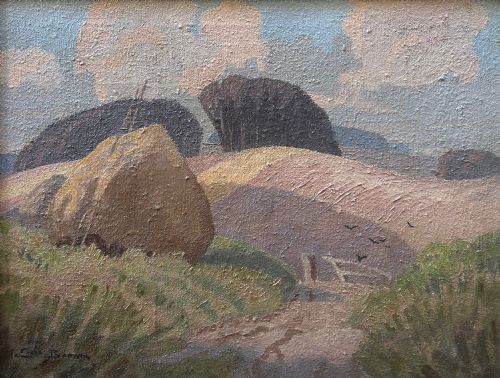
Brown impressionist painting works with loose brushwork and earthy pigments to capture fleeting moments across landscapes and figures.
Brown Impressionist Painting
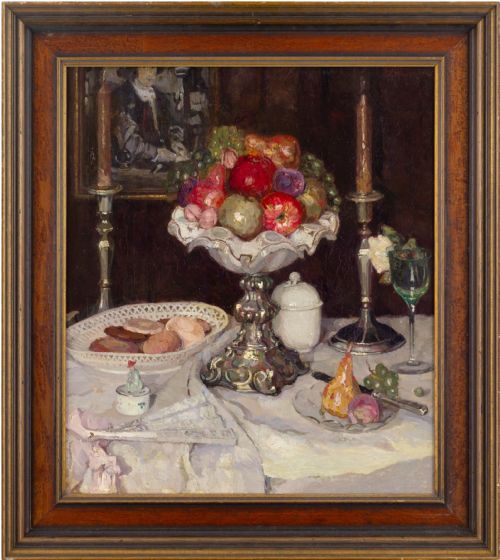
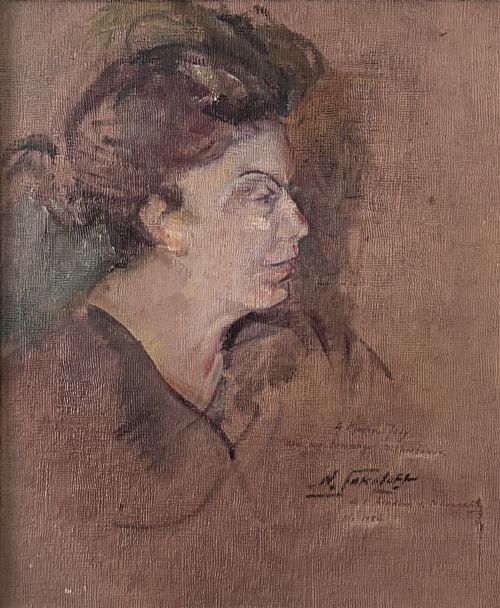
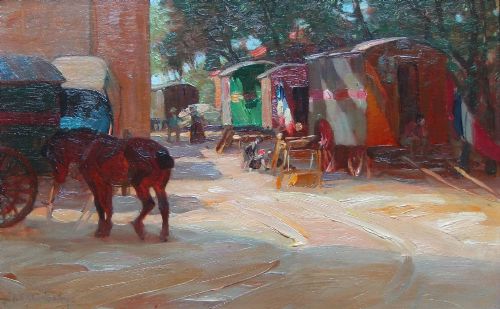
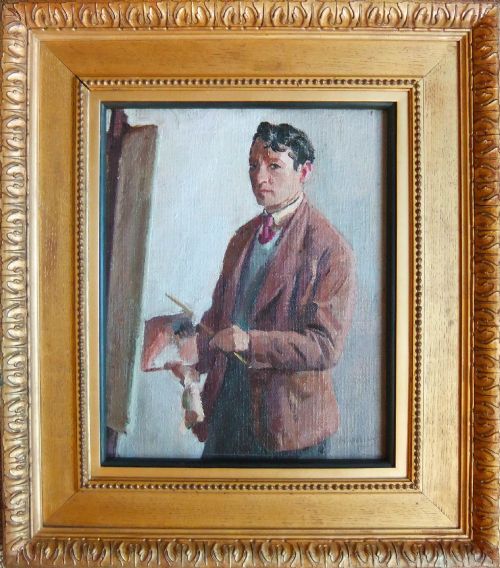
A brown impressionist painting centres on tonal palettes of ochre, umber and sienna, applied with rapid, visible strokes to depict everyday subjects. These works span from the nineteenth century through the mid-twentieth century, encompassing British Impressionism, Scottish Impressionism and the nineteenth-century French school.
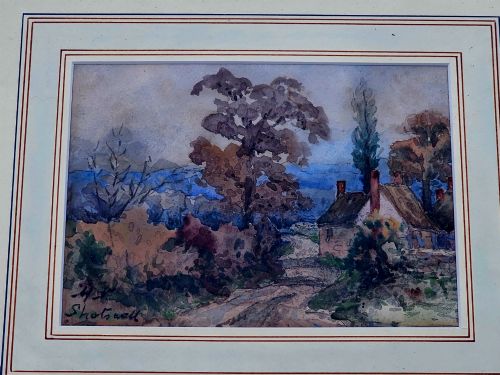
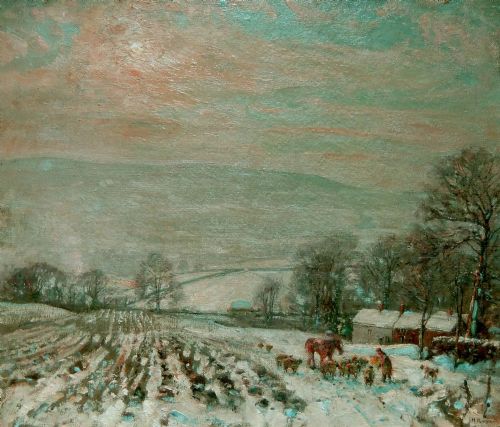
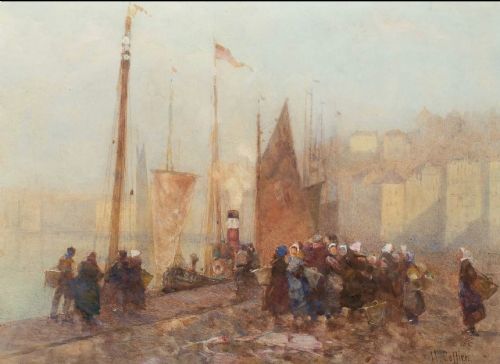
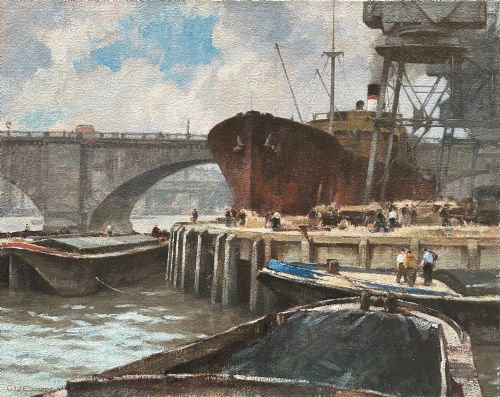
The compositions on this page range from oil paintings on canvas and panel to delicate watercolours on paper. Common subjects include pastoral landscapes, coastal scenes, rural farmyards and portraiture, executed by regional and continental artists working within impressionist and post-impressionist traditions.
How they were made
Artists painted primarily with oil paint or watercolour, applying pigment onto stretched canvas, wood panels or heavy paper supports. The technique relies on broken brushwork and unblended strokes to capture light and atmosphere rather than microscopic detail.
Earthy brown pigments dominate the palette, often contrasted with muted blues, greens and whites to render shadows and natural illumination in landscapes and interiors.
Several canvases quietly record horses, sheep and cattle pausing amid British and European fields.
What varies in quality
Quality rests upon the sureness of the brushwork and the artist's command over tonal harmony within a restricted brown palette. Stronger pieces display confident, purposeful handling that breathes life into the canvas, whereas lesser works can lapse into formulaic repetition.
The integration of light and shadow dictates the depth of a composition, separating routine topographical records from atmospheric paintings that capture a genuine sense of place and moment.
Herbert Royle·Henry Silkstone Hopwood·Herbert Ashwin Budd·Paul Ehrenberg·Philip Naviasky·William Watt Milne·Alexander Wellwood Rattray·John Horace Hooper·Owen Bowen·Edouard Julien·Frans Gailliard·Harry Freckleton·Gyrth Russell·Raimond Louis Lecourt·Fred Lawson·George Graham·Ron Folland·Ernest Pile Bucknall·Vincenzo Irolli·John Atkinson
The Brown Impressionist Painting Glossary
- Canvas
- A heavy woven fabric stretched across a wooden frame to serve as a sturdy painting support. It has remained a standard base for oil works since the Renaissance.
- Panel
- A flat piece of wood used as a rigid support for oil painting. Panels offer a smooth, stable surface that resists the flexing common to textiles.
- Impressionism
- A nineteenth-century movement characterised by relatively thin, yet visible brush strokes and an emphasis on accurate depiction of light. Artists moved outdoors to capture immediate visual impressions.
- Watercolour
- A painting method in which the paints are made of pigments suspended in a water-soluble vehicle. It relies on translucent washes of colour on paper.
Brown Impressionist Painting: Frequently Asked Questions
What defines a brown impressionist painting?
These works utilise an earthy palette dominated by browns, ochres and ambers, combined with the loose, expressive brushwork characteristic of the impressionist movement.
They capture transient effects of light and shadow in rural landscapes, street scenes or portraits, favouring mood and atmosphere over strict academic realism.
How should I hang these oil paintings?
Oil paintings on canvas or panel benefit from stable indoor environments away from direct sunlight and dramatic humidity shifts. Proper wall placement protects the structural integrity of both the wooden support and the paint layer.
Many pieces are housed in period frames that complement the earthy tones of the artwork, providing a finished boundary for display.
Are watercolours different from oil works?
Watercolour paintings utilise pigments suspended in a water-soluble binder, applied onto paper rather than canvas or wood. They offer a lighter, more luminous quality through translucent washes.
Oil paintings provide a heavier texture with opaque layers of pigment, allowing for greater buildup of surface relief and deep tonal contrasts.
How do I identify the period of a piece?
Dating relies on stylistic markers, framing methods, stretcher construction and recorded signatures or dates left by the artist. Nineteenth and early twentieth-century works often reflect distinct regional schools of impressionism.
Examining the reverse of the canvas or panel frequently reveals historical labels, exhibition stamps or inscriptions that help establish a timeline.