


Brown Hand Painted Table
These brown hand painted table pieces bring warmth and traditional craft to a room, spanning periods from Georgian to the early twentieth century.
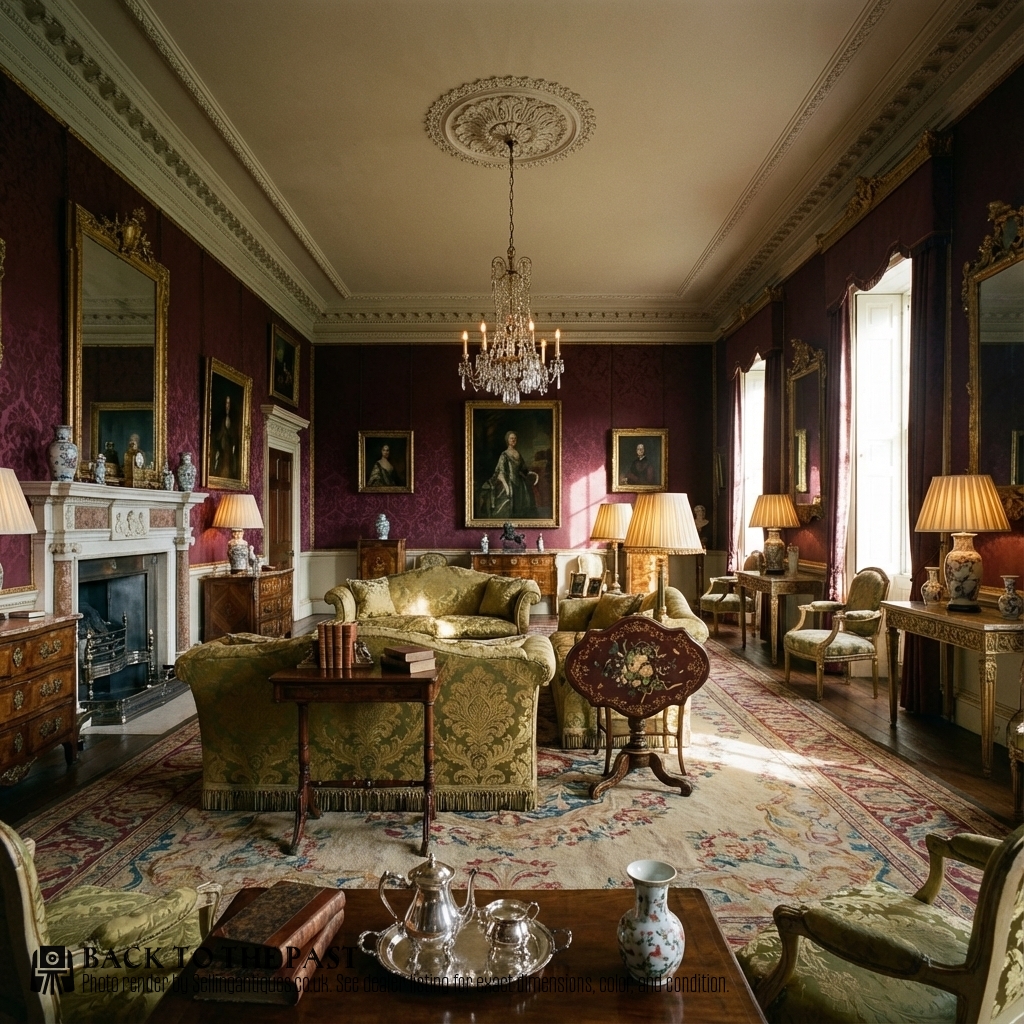
Brown Hand Painted Table
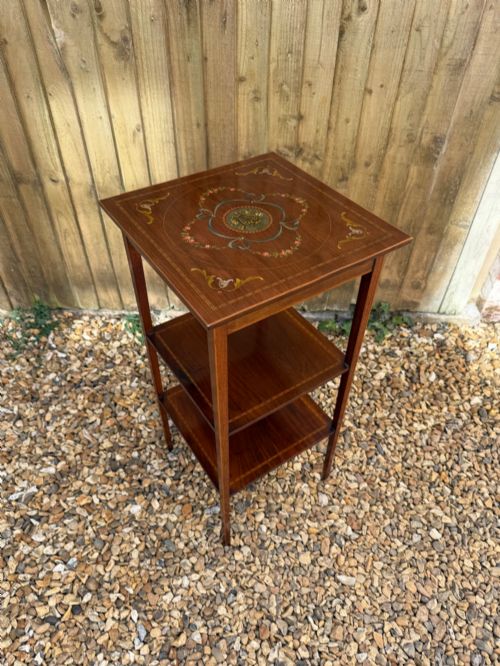
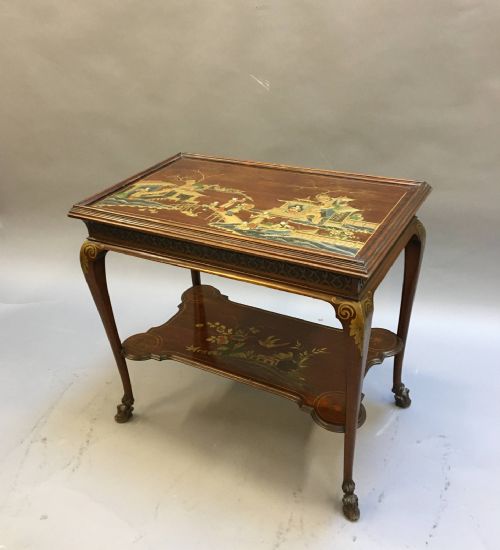
A brown hand painted table brings together rich timber surfaces and delicate painted decoration across several historic periods. When you search for a brown hand painted table, you encounter occasional tables, card tables, and console tables fashioned from mahogany or satinwood.
The pieces listed on this page span the Georgian, Victorian, and Edwardian eras, alongside early twentieth century examples. Formats range from folding card tables to tiered etagere structures and side tables, often featuring floral motifs or classical scenes.
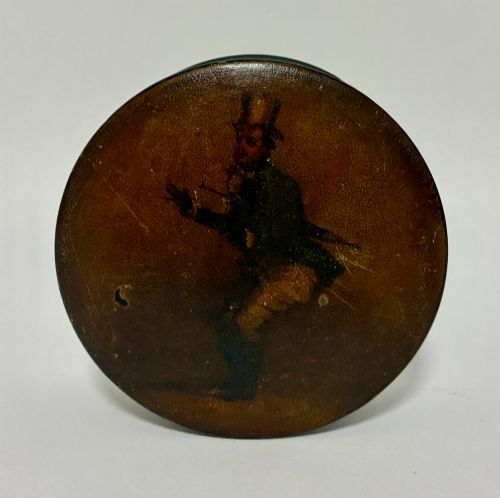
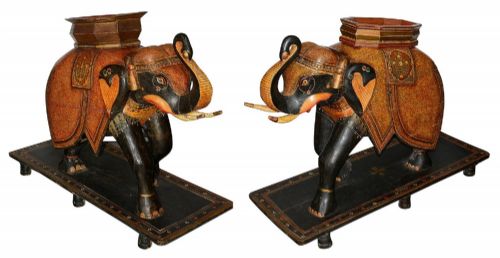
Many items combine dark wood grounds with contrasting painted pigments, sometimes enhanced by lacquer or inlaid details. These tables served practical domestic functions in drawing rooms and parlours while displaying decorative artistry.
How they were made
Makers utilised solid timbers and veneers, predominantly mahogany and satinwood, forming sturdy carcases for decorative surfaces. Artisans applied pigmented paint directly to the prepared wood or lacquer grounds, often sealing the artwork with protective varnish layers.
Decorative enhancements frequently included gesso mouldings, brass fittings, and intricate inlay work alongside the hand applied painting. These techniques required skilled cabinet making combined with the steady hand of a miniature or decorative artist.
The listings on this page span several decades, featuring mahogany and satinwood alongside lacquer and gesso materials.
What varies in quality
The distinction between ordinary and superior examples lies in the crispness of the timber construction and the refinement of the painted brushwork. Finer pieces demonstrate meticulous attention to detail in floral or neo-classical motifs, whereas simpler items display more rustic or repetitive ornamentation.
The integrity of the original wooden structure and the preservation of the painted surface dictate the standing of a piece. Subtle ageing of the lacquer and pigments provides authenticity, separating genuine period decoration from later additions.
Jennens and Bettridge
The Brown Hand Painted Table Glossary
- Satinwood
- A lustrous hardwood native to India and Ceylon, prized for its golden yellow colour and fine grain. Cabinet makers used it extensively for veneering and decorative panels during the eighteenth and nineteenth centuries.
- Chinoiserie
- European interpretations of Chinese and East Asian artistic traditions, popular in furniture decoration. This style employs whimsical landscapes, figures, and motifs rendered in paint or lacquer on dark wood grounds.
- Demi-Lune
- A half-moon shape used for console and card tables designed to sit flush against a wall. These tables often feature folding tops and painted friezes.
- Gesso
- A plaster mixture applied to wood surfaces as a base for painting or gilding. It provides a smooth ground that accepts fine decorative detail.
- Etagere
- A piece of furniture consisting of open open shelves for displaying small objects. These tiered structures appeared frequently in the nineteenth and early twentieth centuries.
Brown Hand Painted Table: Frequently Asked Questions
What woods were used?
Makers predominantly employed mahogany and satinwood for the structural bodies and veneered surfaces of these tables. These timbers offered stable foundations and rich dark or golden tones that contrasted well with painted decoration.
Secondary woods also appear in hidden framing areas, though the primary visual impact relies on the polished or lacquered primary hardwood.
How do I date a painted table?
Dating relies on examining the timber construction methods, the style of the painted motifs, and the ageing of the surface varnishes. Georgian and Regency pieces show different joinery techniques and classical design influences compared to Edwardian or later examples.
Matching the floral or neo-classical subjects to the prevailing taste of a specific era helps narrow down the period of manufacture.
Were these tables used daily?
Card tables and occasional tables served active roles in historic drawing rooms for entertaining guests and holding lamps or writing materials. Console tables stood against walls to display decorative objects or support mirrors.
Despite their delicate painted surfaces, these pieces were built for practical household utility rather than purely static display.
How should I clean painted wood?
Dust the surface regularly with a soft, dry cloth to prevent particulate buildup on the delicate painted areas. Avoid using harsh chemical sprays, modern polishes, or excess moisture that could damage historic varnish and pigments.
Consult a professional conservator if the painted decoration requires deeper cleaning or stabilization.