

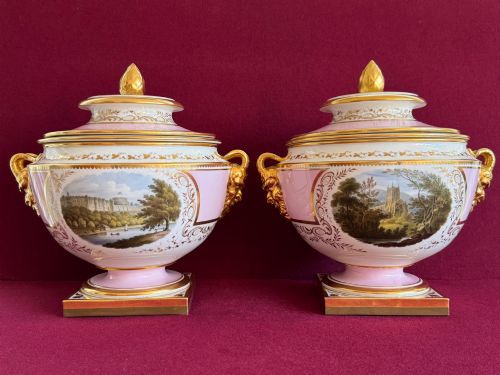
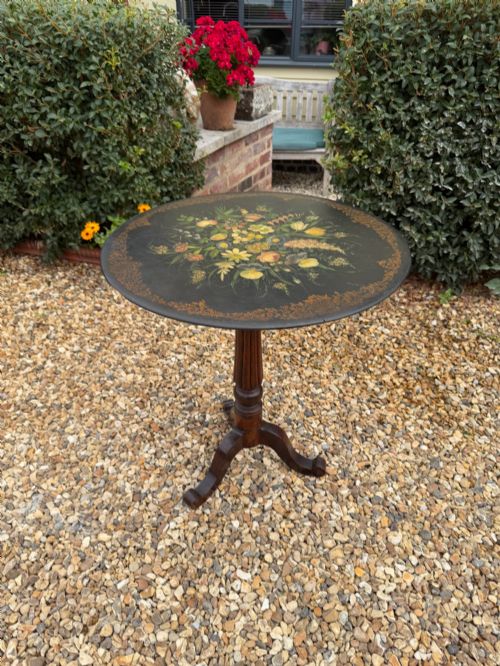
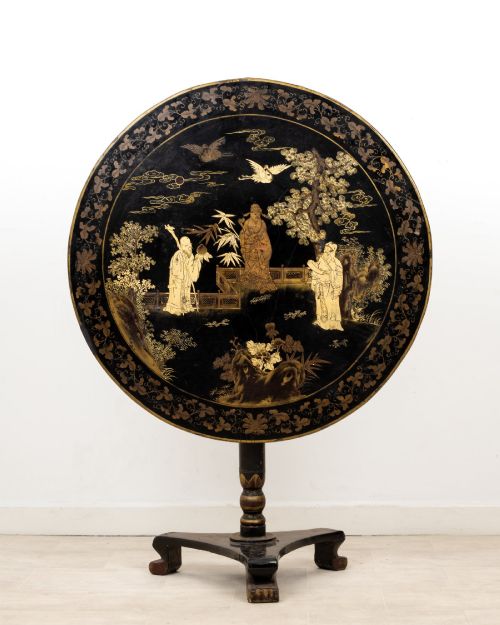
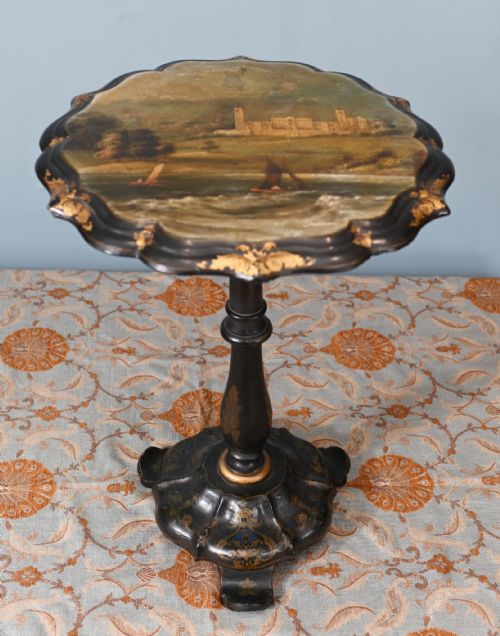


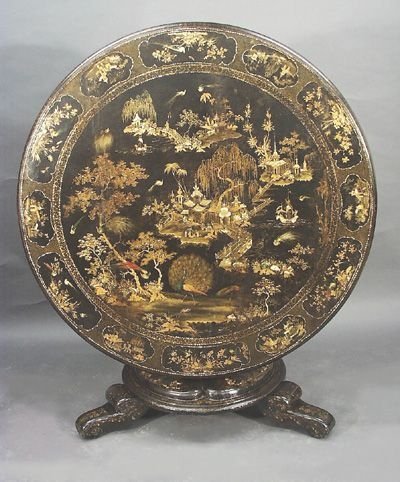
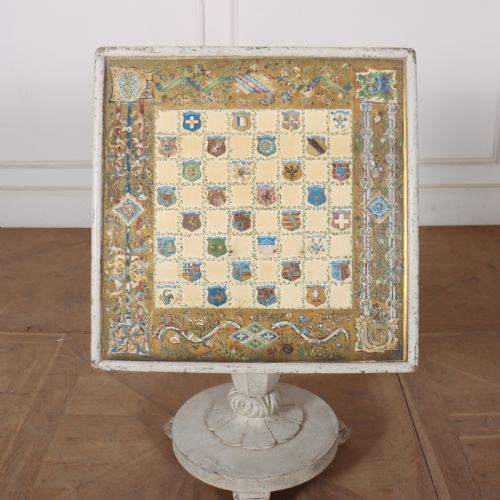


Gilded Painted Wine Table
A gilded painted wine table brings surface colour and decorative presence into a room, offering a small resting place for glasses.
Gilded Painted Wine Table
When you search for a gilded painted wine table, you encounter small decorative furnishings designed for domestic interiors across multiple periods and regional styles. These pieces function as occasional tables, side tables, lamp tables, and tilt-top tables, providing a compact surface within a room.
The versions you are most likely to meet on this page span the nineteenth century into the early twentieth century, drawing on Victorian, Edwardian, and earlier revival aesthetics. They frequently adopt forms such as nests, pedestals, and papier-mâché or lacquer structures.
Origin influences appearance significantly, with Italian Venetian interiors, French neoclassical designs, English japanning, and Chinese lacquer traditions all represented. Each origin brings distinct decorative vocabulary, from Rococo curves to structured Regency geometry.
How they were made
Construction relies upon wood, papier-mâché, and lacquer as foundational materials, shaped into pedestals, trays, and occasional tables. Artisans built structural forms using timber or moulded paper pulp before applying decorative finishes.
Surface ornamentation combines paint, gold leaf, and gesso to achieve metallic and chromatic depth. Guilders and painters layered gesso to create raised relief details before applying gold leaf and hand-painted motifs.
Gilded Painted Wine Table Retail Price Guide 2026
Typical asking prices for gilded painted wine table among the pieces listed under this phrase on Sellingantiques today, from the lower quarter to the upper quarter. They describe what is for sale here now, not the wider market.
One signed nest of tables hides an artist's signature within a miniature painted landscape, waiting for an observant eye.
What varies in quality
Depth and precision of the hand-painted and gilded decoration dictate the visual success of the piece, distinguishing routine ornamentation from sophisticated artistry. Finer examples display meticulous brushwork and integrated design across every visible surface.
The integrity of the underlying material, whether lacquer, papier-mâché, or carved wood, governs structural longevity. Superior craftsmanship ensures that the gesso foundation and gold leaf adhere harmoniously without obscuring the form.
Thomas Hope·E. Daligny
The Gilded Painted Wine Table Glossary
- Gesso
- A plaster-like mixture applied to wood or papier-mâché to prepare a smooth surface for gilding and painting. It provides the raised relief base for metallic leaf.
- Japanning
- A European imitation of East Asian lacquerware involving layered varnishes and decorative painting. It became popular in English furniture production.
- Chinoiserie
- European decorative style reflecting Chinese artistic influences through motifs and lacquer techniques. It appears frequently on nineteenth-century occasional tables.
- Papier-mâché
- A composite material made from paper pulp mixed with binding agents, pressed and dried into rigid forms. It serves as a lightweight base for painted trays and tables.
- Tilt-top table
- A table featuring a mechanism that allows the top to pivot vertically when not in use. This design saved space in period domestic interiors.
Gilded Painted Wine Table: Frequently Asked Questions
What is a gilded painted wine table?
A gilded painted wine table is a small occasional or side table finished with decorative paintwork and metallic leaf. These pieces serve primarily as functional display surfaces.
They appear in various styles including Chinoiserie, Venetian Revival, and Regency neoclassical, reflecting diverse historical tastes.
Where were these tables used?
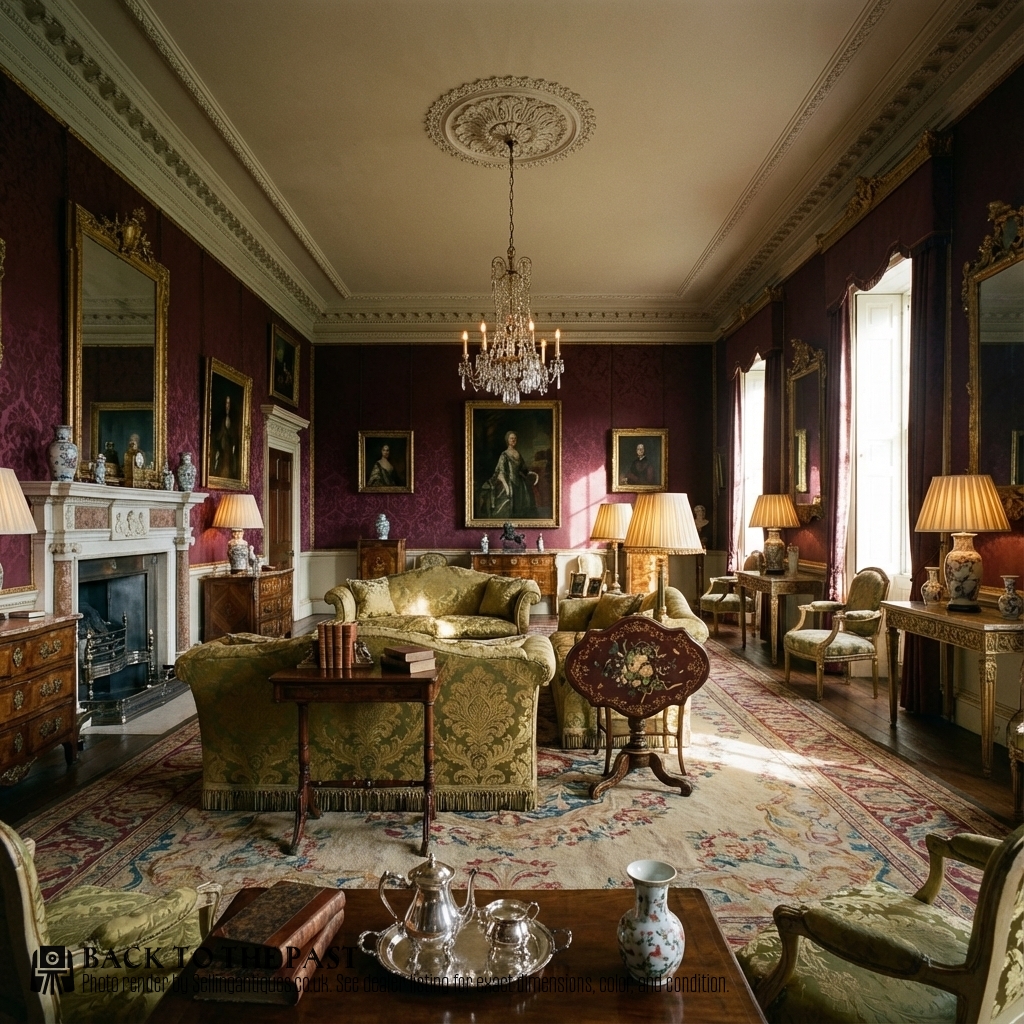
These tables sat in principal reception rooms, boudoirs, and drawing rooms as easily movable furnishings. Their compact proportions allowed placement beside seating.
They held small items such as glasses, lamps, or decorative objects within domestic interiors.
How do I live with a gilded painted table?
Position the table away from direct sunlight and excessive moisture to protect the delicate painted and gilded surfaces. Regular gentle dusting preserves the finish.
Treat the surface with care, utilising coasters to prevent moisture rings on antique lacquer and paint.
How do I tell periods apart?
Examine the decorative motifs, material composition, and structural form to determine the likely period of origin. Victorian and Edwardian pieces often incorporate revival styles and papier-mâché.
Nineteenth-century examples frequently reference French neoclassical or Italian Rococo designs, while earlier pieces show distinct japanning techniques.