



Brown Glass Vase
A brown glass vase brings rich, organic tones and skilled craftsmanship to a room.
Brown Glass Vase
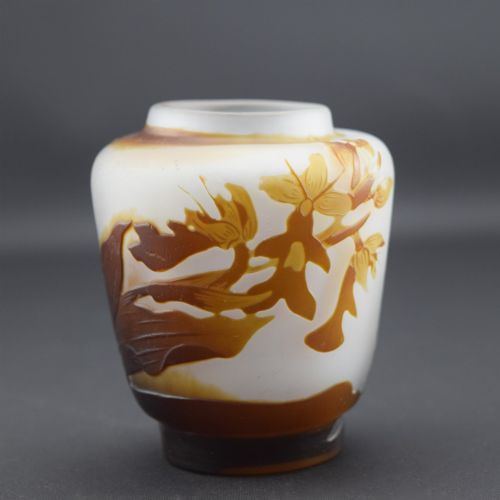
A brown glass vase combines deep amber and autumn hues with decorative glass techniques from the nineteenth and early twentieth centuries. When searching for a brown glass vase, buyers encounter distinctive items shaped during the Victorian, Art Nouveau, and Japonisme periods.
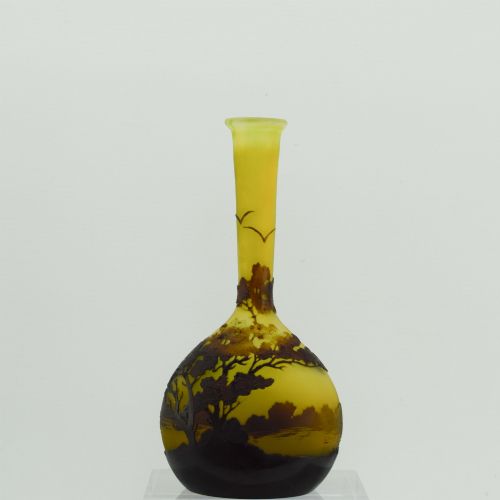
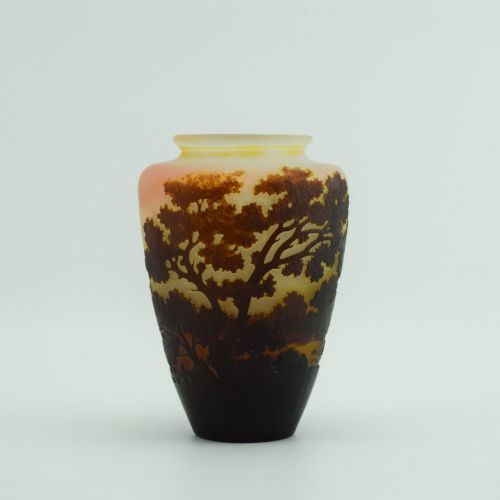
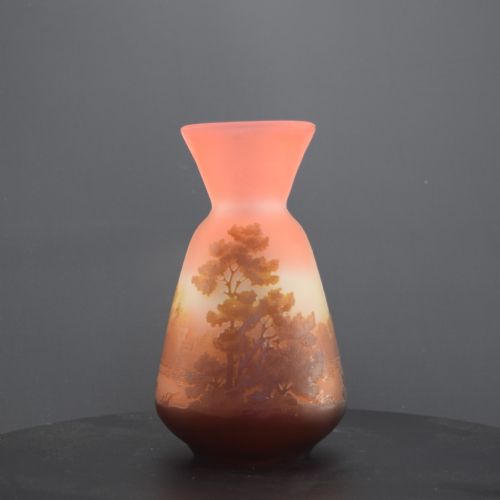
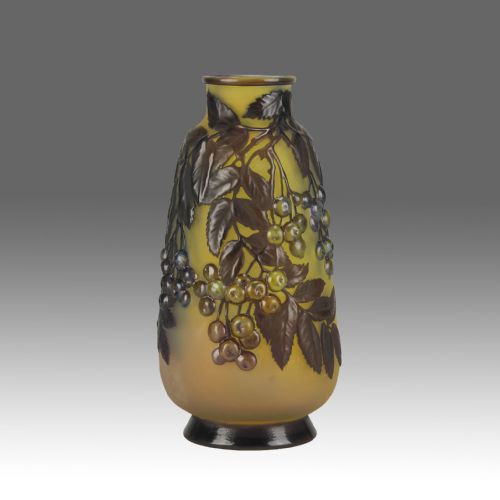
The selections on this page centre heavily on cameo glass and acid-etched vessels from European makers. Vases featuring landscape designs and natural motifs appear frequently alongside larger centrepieces.
Many examples originate from the early twentieth century, showing the fluid lines and nature-inspired aesthetics characteristic of Art Nouveau design. Buyers frequently find pieces bearing signatures or attributions to prominent glasshouses.
How they were made
Glassmakers created these vessels using layered techniques, particularly cameo glass where contrasting colours of glass were fused together before being carved or acid-etched to reveal the design. This process demanded precise control over temperature and chemical etching to achieve varying depths of colour.
Some pieces incorporate enamel paint and frosted surfaces to add texture and detail to aquatic or botanical scenes. Artisans also combined glass bodies with carved wood stands, merging traditional woodwork with delicate crystal components.
Brown Glass Vase Retail Price Guide 2026
Typical asking prices for brown glass vase among the pieces listed under this phrase on Sellingantiques today, from the lower quarter to the upper quarter. They describe what is for sale here now, not the wider market.
Fish and water plants occasionally swim across these glass landscapes, bringing aquatic life indoors without the need for a pond.
What varies in quality
Quality rests in the depth of the carving and the clarity of the layered glass. Superior pieces display intricate detailing in the etched landscapes, where the brown tones transition smoothly into peach or lighter backdrops.
The precision of the signature and the balance of the vessel shape distinguish standard production from exceptional studio work. Exceptional examples maintain a harmonious proportion between the glass body and any integrated mounts or bases.
Galle·Legras·Harrach·Baccarat
The Brown Glass Vase Glossary
- Cameo glass
- A method of glass vessel construction involving multiple layers of coloured glass fused together and subsequently carved or acid-etched to create a raised design. This technique requires immense skill to avoid breaching the background layer.
- Acid-etched glass
- A process where hydrofluoric acid is applied to the glass surface to eat away material and create frosted designs or textured relief. It allows for intricate patterns that mimic traditional carving.
- Frosted glass
- Glass treated to achieve a cloudy, non-transparent appearance by means of acid or mechanical abrasion. It diffuses light and softens the visual weight of darker hues.
- Japonisme
- A nineteenth-century artistic movement reflecting the strong influence of Japanese art on European design, often seen in naturalistic aquatic motifs and asymmetrical compositions. This style informed many decorative objects of the period.
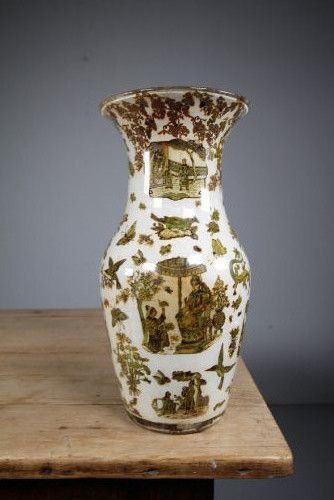
- Decalcomania
- A technique where printed designs are transferred onto a glass or ceramic surface and subsequently fired or sealed. It was used in the nineteenth century to achieve complex imagery without hand painting.
Brown Glass Vase: Frequently Asked Questions
What periods do these vases come from?
The pieces span the late nineteenth century through the early twentieth century. This era encompasses the Victorian and Art Nouveau movements.
Craftsmen during this time experimented extensively with layered glass and chemical etching. The resulting items reflect distinct stylistic shifts from geometric ornamentation to organic, nature-inspired forms.
Where were these vases produced?
Production was centred primarily in European glasshouses, with notable works originating from France and Bohemia. French makers defined much of the Art Nouveau output.
Central European factories also contributed significant pieces, employing traditional techniques combined with innovative staining and enamelling methods.
How should I display a brown glass vase?
Place the vessel near a natural light source to illuminate the amber tones and reveal the layered details of the etching. Sunlight passing through the glass highlights the subtleties of the cameo work.
Ensure the display location is stable, particularly for taller pieces or those mounted in carved wooden bases. Keep them away from edges where accidental knocks might occur.