



Brown Framed Watercolour Painting
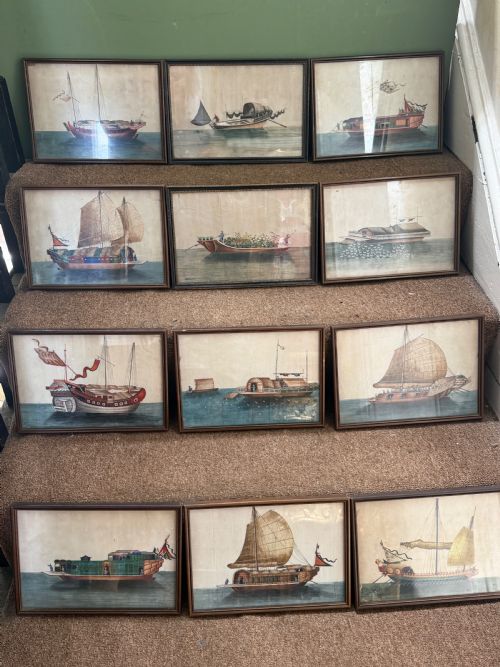
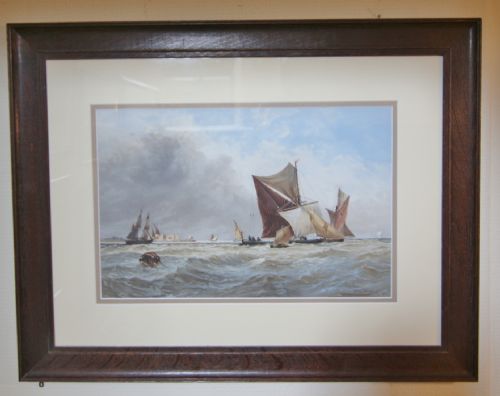
These brown framed watercolour painting options bring maritime scenes, pastoral landscapes and formal portraits from the nineteenth and twentieth centuries into domestic spaces.
Brown Framed Watercolour Painting
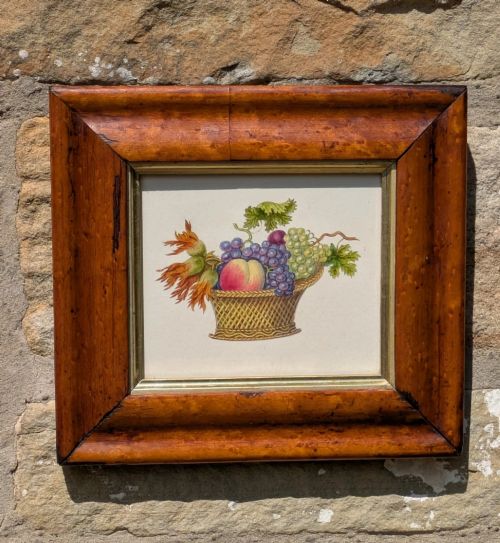
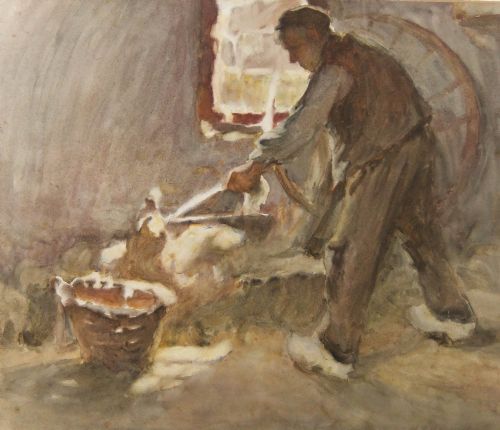
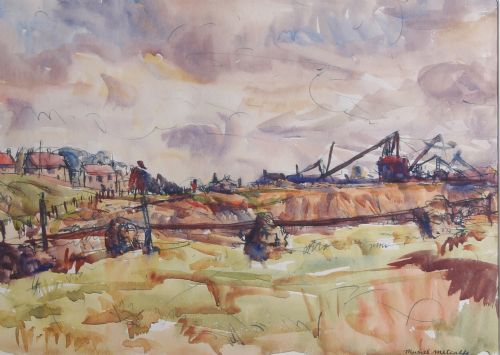
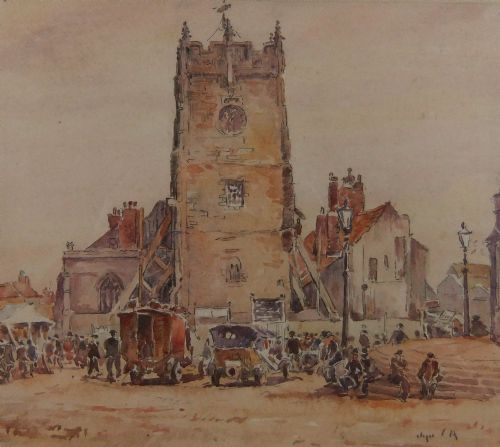
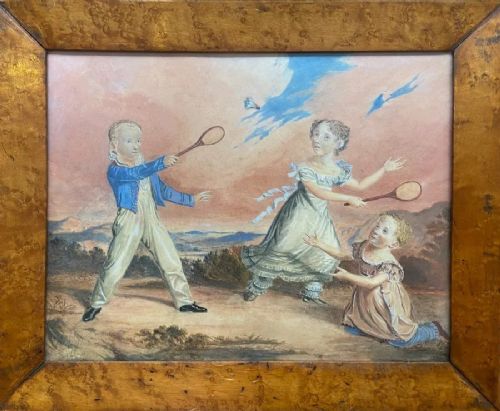
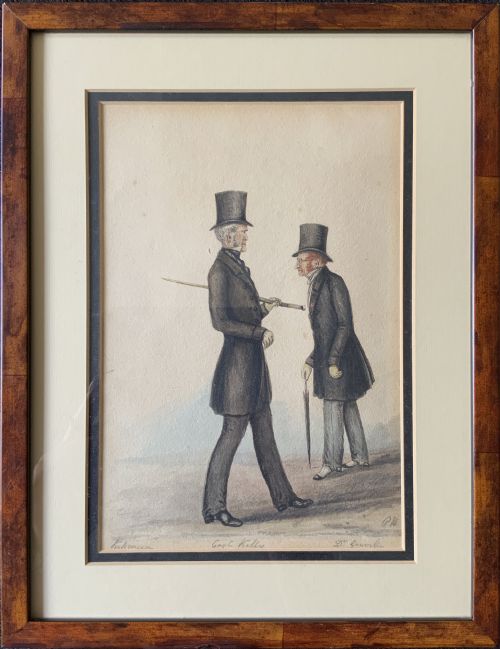
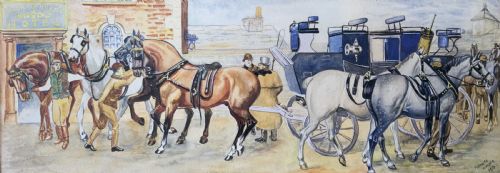
A brown framed watercolour painting comprises original works on paper executed in watercolour pigment, gouache and occasionally gold leaf, housed within wooden protective surrounds. These pieces span the Regency, Victorian, Edwardian and mid-century periods, capturing subjects ranging from coastal harbours and rural blacksmiths to domestic animals and historical figures.
These artworks operate primarily as wall art and framed artwork, preserving delicate pigment layers beneath glass panels. The surrounding timber frames provide both structural integrity and a warm visual boundary that complements the paper supports.
Materials and technique
Artists executed these works by applying water-soluble pigments and opaque gouache onto heavy paper supports, sometimes incorporating gold leaf for decorative emphasis. The transparent nature of watercolour allows light to reflect from the white paper beneath through the pigment layers.
Framing utilised traditional wood mouldings fitted with protective glass to shield the fragile paper surfaces from dust and atmospheric moisture. These wooden surrounds were constructed to hold the artwork securely while maintaining a clean presentation for display on interior walls.
Brown Framed Watercolour Painting Retail Price Guide 2026
Typical asking prices for brown framed watercolour painting among the pieces listed under this phrase on Sellingantiques today, from the lower quarter to the upper quarter. They describe what is for sale here now, not the wider market.
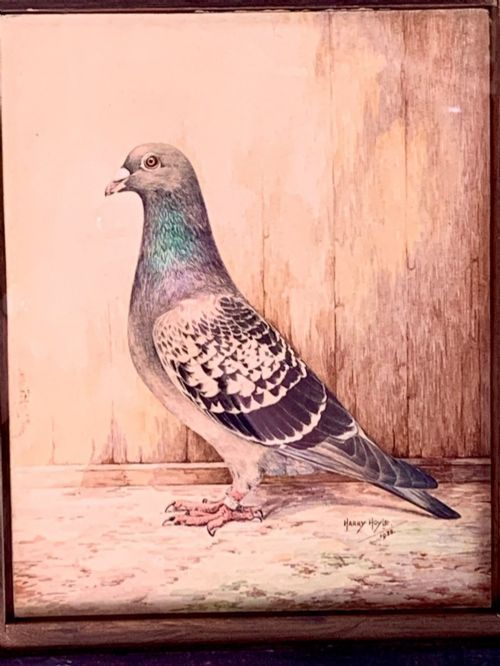
A remarkably swift pigeon secured a royal victory at the King George V Silver Jubilee in 1935, immortalised here in pigment.
Distinctions in quality
Quality in these works rests upon the precision of the brushwork, the stability of the pigment against fading, and the harmony between the composition and its paper support. Master watercolourists achieve remarkable luminosity and control over fluid washes, whereas lesser examples display heavy-handed application or muddy colour blending.
The integrity of the framing and the preservation of the paper surface also dictate the standing of a piece. Works maintained under glass with minimal foxing or acid staining retain their original visual impact far better than those subjected to damp environments.
James Orrock·John Hassall·John McDougal·Henry Silkstone Hopwood·John Rattenbury Skeaping
The Brown Framed Watercolour Painting Glossary
- Watercolour pigment
- Finely ground colour particles suspended in a water-soluble binder, used to create transparent washes on paper.
- Gouache
- An opaque watercolour paint containing an added white pigment to produce a heavier, solid finish.
- Foxing
- Brown spots and discolouration that develop on antique paper due to chemical reactions over time.
- Mount
- A cardboard border placed between the artwork and the frame to provide visual breathing space and prevent the glass from touching the pigment.
Brown Framed Watercolour Painting: Frequently Asked Questions
How should I hang my watercolour?
Position the piece away from direct sunlight to prevent the watercolour pigments and paper from fading over time. Stable indoor humidity levels also help preserve the wooden frame and the paper support.
Ensure the hanging hardware on the back of the wooden frame is secure before mounting the artwork firmly to the wall.
What periods do these paintings cover?
The available selection spans from the Regency and Victorian eras through the Edwardian period and into mid-century modern works. Each era introduces distinct subject matter, from romantic coastal shipping scenes to wartime still lifes and modern landscapes.
Reviewing the listed dates helps identify whether a piece originates from the nineteenth century or the mid-twentieth century.
Are these paintings original works?
Most listings feature original watercolour paintings executed by hand rather than mass-produced prints. Artists applied pigment directly to paper, resulting in unique brushstrokes and tonal variations across every individual composition.
Signed pieces often provide a direct link to named British and European painters from the past two centuries.
What subjects are most common?
Maritime scenes, including fishing boats, luggers and naval ships, appear frequently alongside rural landscapes and village views. Portraiture, floral still lifes and studies of domestic animals also form a significant portion of the available artwork.
These varied themes reflect the changing artistic interests of British painters from the 1800s onward.