
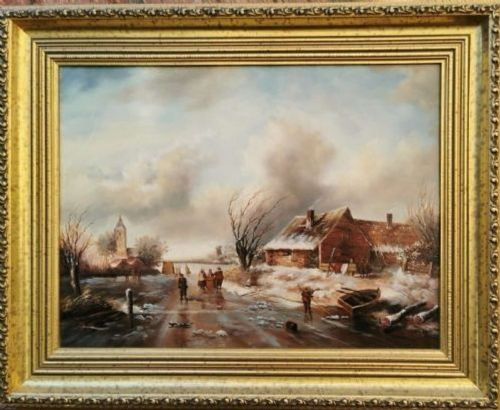
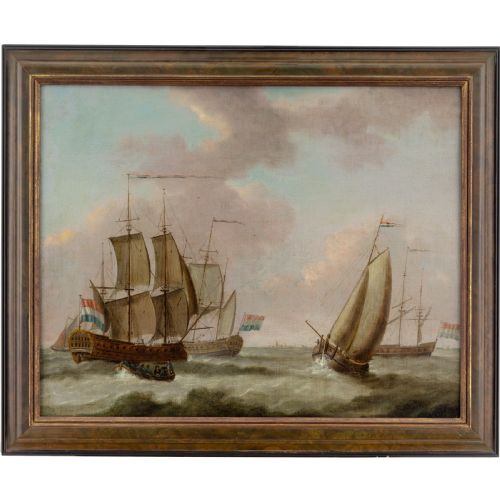
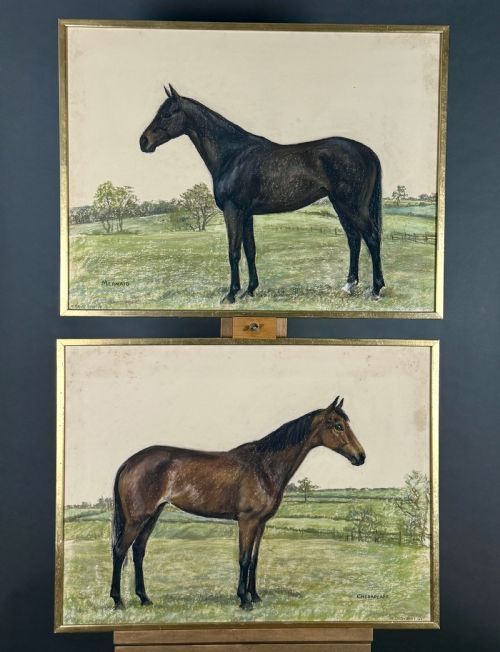
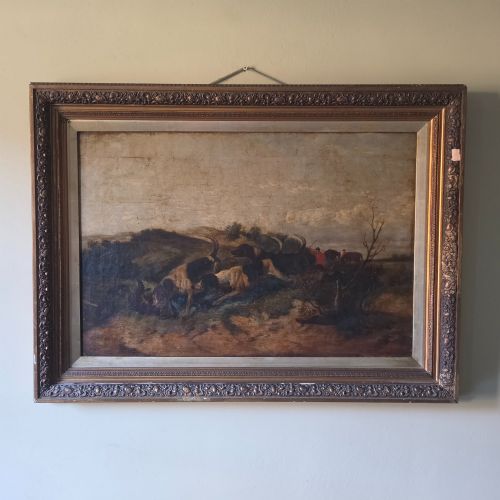
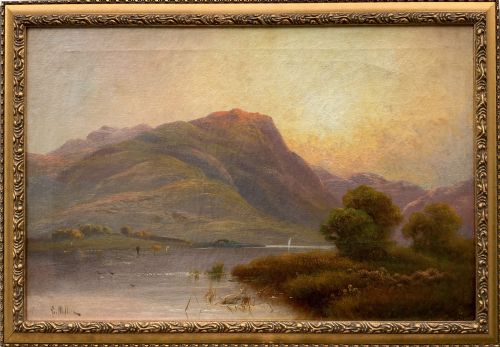
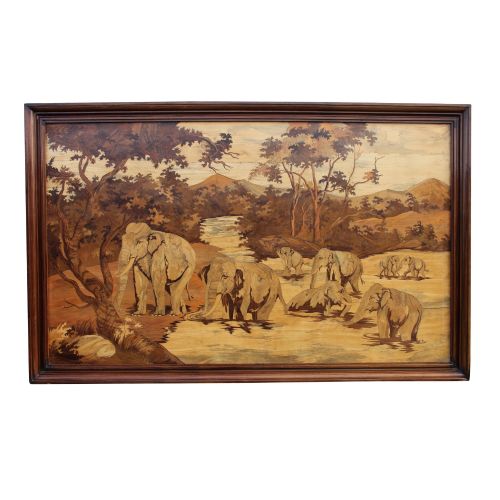


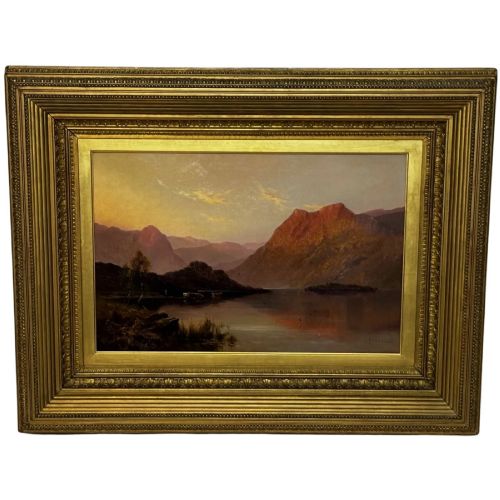
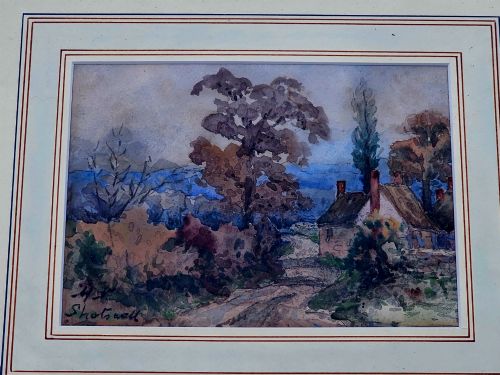
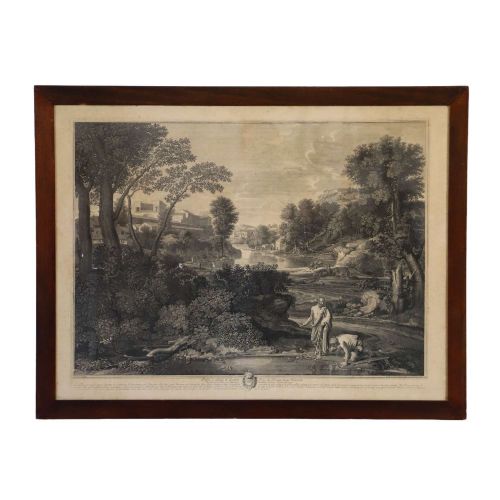
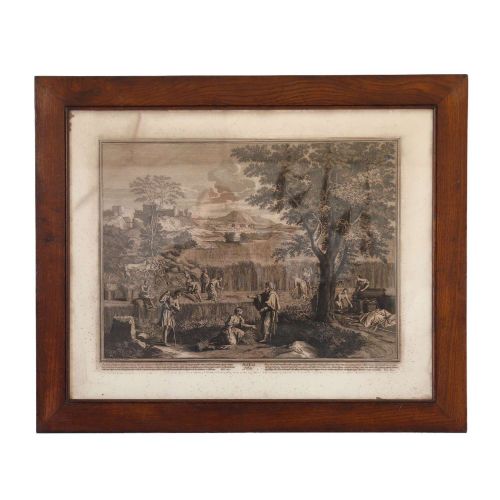
Brown Framed Landscape Picture
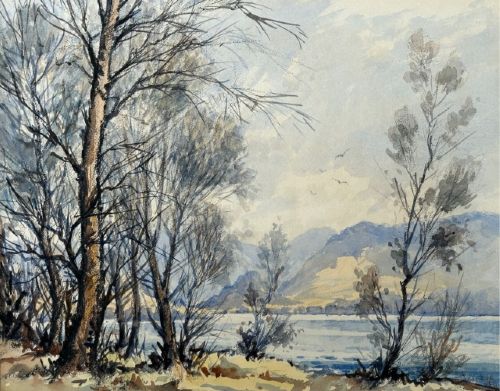
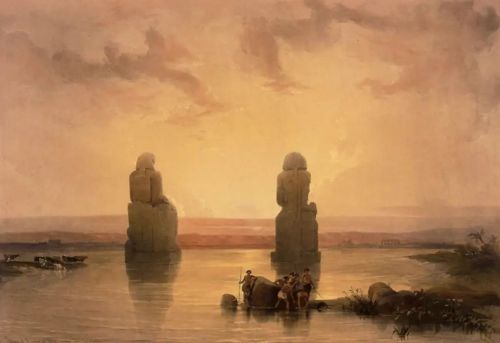
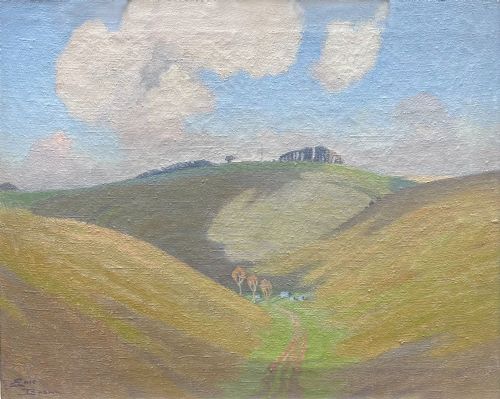
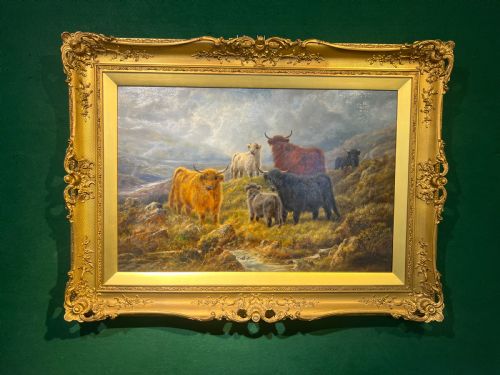
A brown framed landscape picture brings the openness of the countryside or coast directly into a room.
Brown Framed Landscape Picture
A brown framed landscape picture is a painted, drawn or printed view of scenery housed within a timber or toned moulding.
The selections here span from the nineteenth century into the mid-twentieth century, including works by British, Dutch and Belgian hands.
Buyers encounter oil paintings on canvas or board, watercolours on paper, and nineteenth-century engravings held in their original surrounds.
How they were made
Artists worked in oil paint or watercolour, applying pigment to stretched canvas, prepared panel or heavy paper.
Makers enclosed these works in timber frames, sometimes utilising gilt liners, deep shadow boxes or carved wood.
Listings feature paper, canvas, and wood, spanning from the eighteenth century through the Victorian period to the 1960s.
What varies in quality
Quality rests in the sureness of the brushwork and the observation of light and atmosphere within the scene.
The relationship between the picture and its original frame determines the visual harmony of the piece.
William H Myers·Donald Grant·Alfred Fontville de Breanski·Robert Leslie Howey·David Roberts·Robert Watson·Étienne Baudet·Henry Schouten·Herman S Melville·John Moxon·Sydney Yates Johnson·F.J. Snell·John Emms·John Ferneley Senior·Alfred George Morgan·Henry Robinson Hall·Gyrth Russell·Henry Charles Fox·Robert Little·Gustave De Bréanski·Fred Lawson·Ron Folland·James Orrock·John Atkinson
The Brown Framed Landscape Picture Glossary
- Watercolour
- A paint consisting of soluble pigment suspended in a water-based solution. It is typically applied to paper to achieve translucent washes of colour.
- Oil on canvas
- Pigment bound in a drying oil applied to a woven fabric support. This technique allows for rich texture and deep tonal blending.
- Engraving
- An intaglio printmaking process where an image is incised into a metal plate. Ink settles in the grooves and transfers to paper under pressure.
- Shadow box
- A deep, glass-fronted frame designed to house three-dimensional objects or mounted dioramas. It creates physical depth around the subject.
- Impressionist
- A style focusing on the accurate depiction of light and its shifting qualities. Painters captured momentary effects rather than precise details.
Brown Framed Landscape Picture: Frequently Asked Questions
How do I hang a heavy framed landscape?
Heavy works require secure picture hooks fixed directly into wall studs or masonry using appropriate rawlplugs. Ensure the hanging wire or brackets on the rear of the timber frame can support the total weight.
Position the centre of the picture at average eye level to create a balanced viewing height within the room.
Can I place these pictures in direct sunlight?
Direct sunlight causes pigments in watercolours and oil paints to fade over time. It also damages nineteenth-century paper and dries out older wooden frames.
Select a wall that receives indirect or diffused light to preserve the colours and materials of the artwork.
How do I clean an antique frame?
Dust timber frames gently with a soft, dry brush or a lint-free cloth. Avoid chemical sprays or damp cloths, which can damage aged finishes and gilt surfaces.
Professional conservators should handle repairs to carved or moulded sections of antique frames.
What is the difference between an oil and a watercolour?
Oils use pigment bound in slow-drying oil on canvas or board, offering rich textures and deep opacity. Watercolours use water-soluble pigments on paper, resulting in transparent, luminous washes.
Watercolours require glass protection, whereas many older oil paintings remain unglazed.