



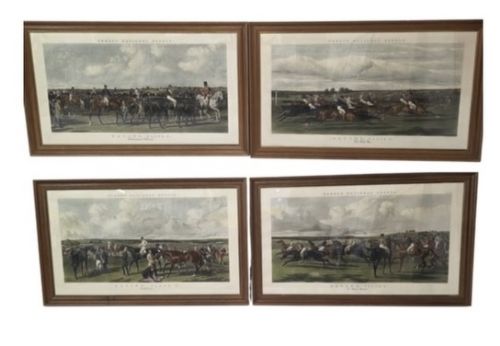
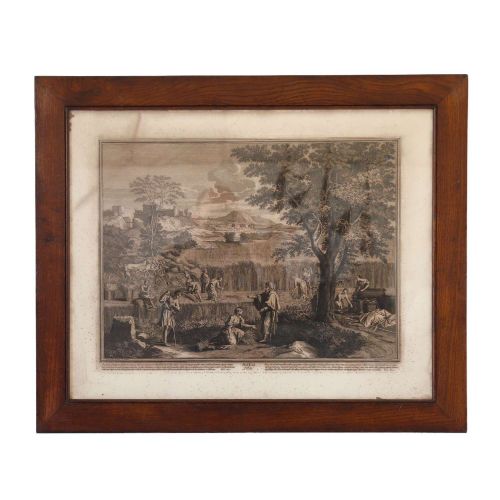
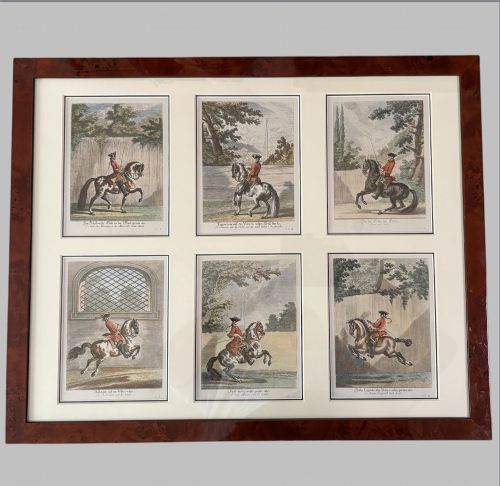
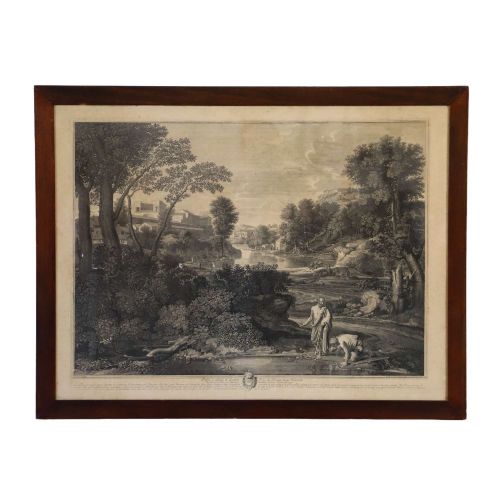

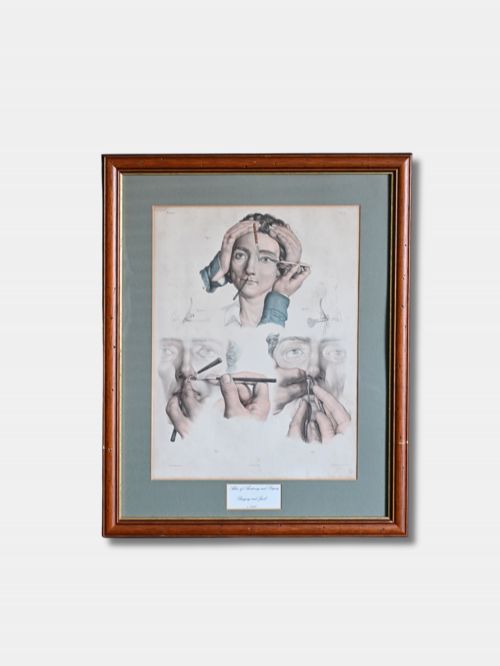


Brown Framed Engraving
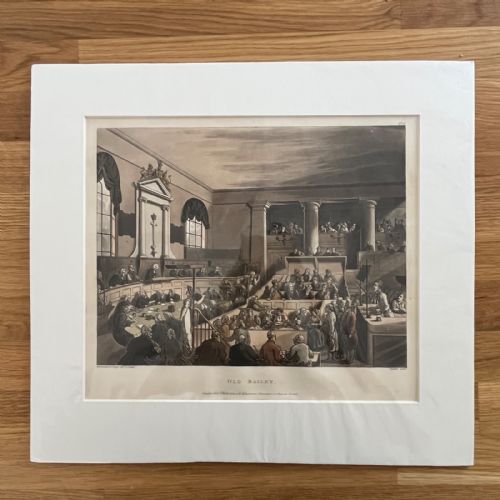
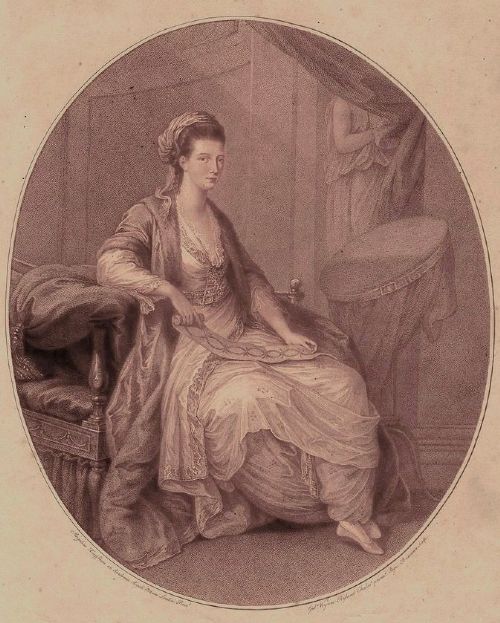
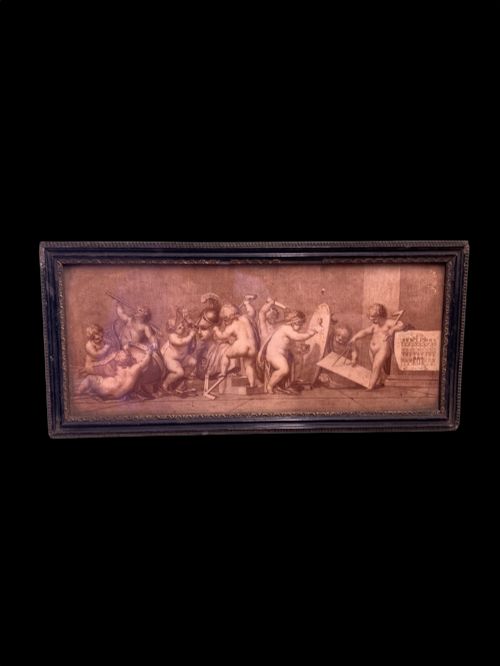
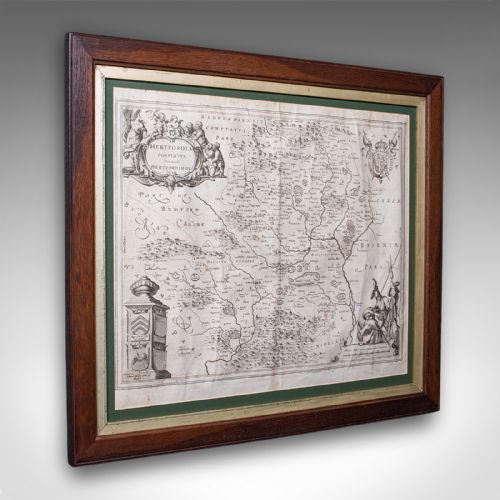
Brown framed engravings are printed works on paper set behind glass within timber mouldings, offering historical portraiture, cartography, and narrative scenes for wall display.
Brown Framed Engraving
A brown framed engraving brings together centuries of printed artistry and cartography housed in timber surrounds. When you explore this selection, you encounter subjects ranging from 17th-century maps to Victorian natural history studies and classical portraiture.
The format encompasses single sheets and extensive sets, often depicting topographical views, architectural plans, or equestrian scenes. These pieces originate from British, French, Dutch, and Italian presses across the Georgian, Victorian, and earlier periods.
Framed behind glass, the paper surfaces display copperplate lines, lithographic ink, or hand-applied watercolour washes. The accompanying timber frames frequently utilise oak, walnut, or mahogany to enclose the imagery.
Materials and technique
Makers produced the primary imagery using metal plates, stone blocks, or wooden panels inscribed with lines to hold ink. Artisans then transferred these designs onto paper sheets, occasionally applying hand-colouring with water-based pigments.
Carpenters constructed the protective surrounds using hardwoods such as oak, walnut, mahogany, and gilt wood, often incorporating gold leaf accents. Glazing protected the delicate paper surfaces from atmospheric moisture and dust.
Brown Framed Engraving Retail Price Guide 2026
Typical asking prices for brown framed engraving among the pieces listed under this phrase on Sellingantiques today, from the lower quarter to the upper quarter. They describe what is for sale here now, not the wider market.
Listings feature paper, glass, wood, ink, gold leaf, oak, gilt wood, and mahogany across periods from the 17th century to the 20th century.
Factors of distinction
The preservation of the paper support and the originality of the framing materials determine overall integrity. Intact margins, stable paper tones, and period-appropriate timber mouldings elevate an example above trimmed sheets or later replacements.
Étienne Baudet·Ridinger·Blaeu·John Flaxman·Jonathan Couch·E. Jackson Stodart·Robert Morden·Victor Adam·Janssonius·John Curtis·Joan Blaeu·Alessandro Mocchetti·George Morland·W Ward·I R Smith·William Bunbury
The Brown Framed Engraving Glossary
- Engraving
- A printmaking method where an artist cuts lines directly into a metal plate with a sharp tool called a burin. The resulting incisions hold the ink for transfer under pressure.
- Cartography
- The study and practice of making maps. Antique examples often feature decorative cartouches and hand-tinted regional boundaries.
- Mezzotint
- A printmaking process where the copper plate is roughened to produce dark tones, then scraped to create highlights. This technique allows for subtle tonal gradations.
- Lithography
- A planographic printing process based on the chemical repulsion of oil and water. Artists draw on limestone blocks or metal plates to produce the image.
- Stipple engraving
- A technique using dots to create tonal effects and soft outlines rather than continuous lines. It gained popularity for reproducing chalk-style drawings.
Brown Framed Engraving: Frequently Asked Questions
How do I hang a heavy framed engraving?
These works require secure wall fixings suited to the weight of hardwood timber and glass. Utilise picture wire rated above the object's mass and anchor directly into wall studs where possible.
Ensure you hang the piece out of direct sunlight to prevent fading on the paper and ink over time.
Are these maps original antique printings?
The selections include period cartography produced by European mapmakers during the seventeenth, eighteenth, and nineteenth centuries. These are authentic impressions from historical plates rather than modern reproductions.
Examine the paper texture and plate marks to understand the age and printing method of each cartographic sheet.
Can I remove the print from the frame?
Opening historic frames risks damaging the fragile paper and the original timber structure. Leave the assembly intact to protect the artwork from environmental exposure and handling damage.
Professional conservators should handle any necessary frame repairs or paper cleaning procedures.
What subjects are most common?
Common subjects include county maps, botanical studies, architectural plans, equestrian scenes, and classical portraits. These reflect the visual interests of the Georgian and Victorian eras.
Sets often document specific themes, such as natural history or regional topography, grouped together in matching frames.