

Brown Elm Wooden Chairs
Brown elm wooden chairs bring honest domestic utility into a room, offering robust country seating built to last generations.
Brown Elm Wooden Chairs
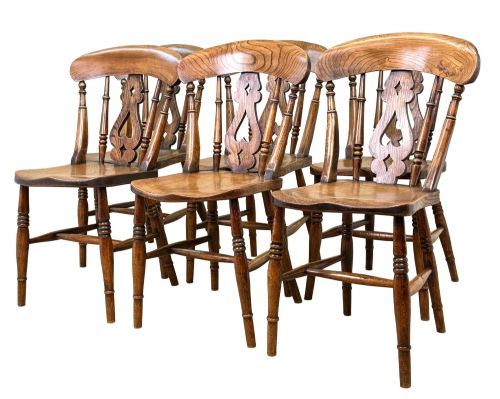
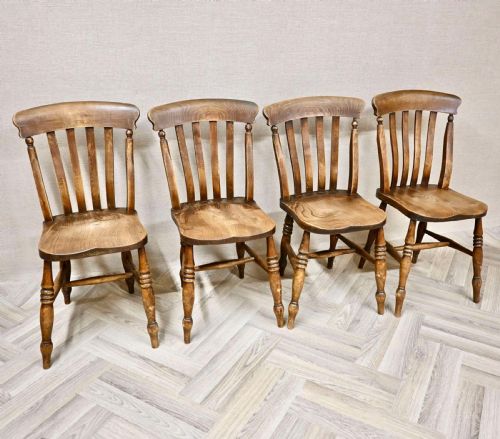
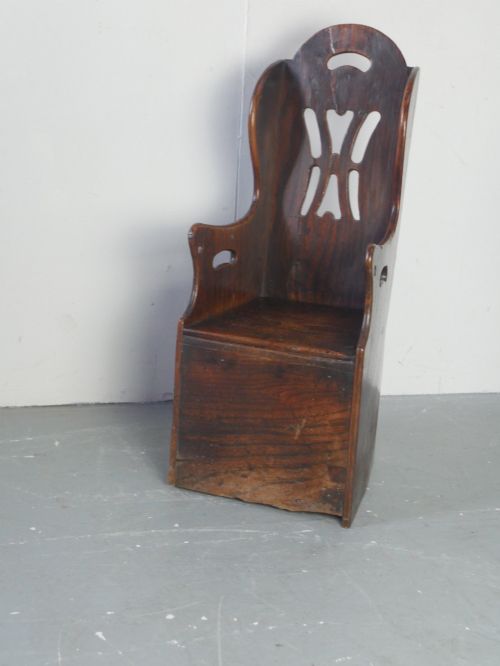
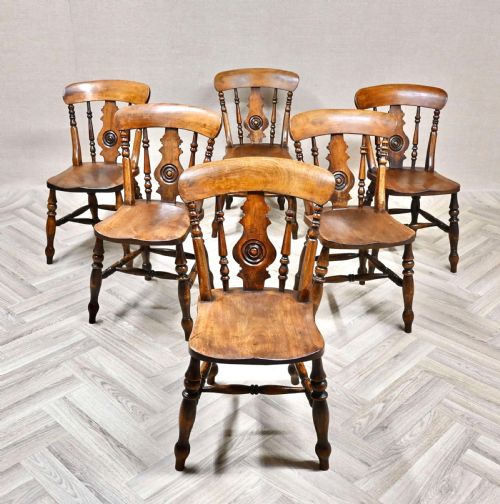
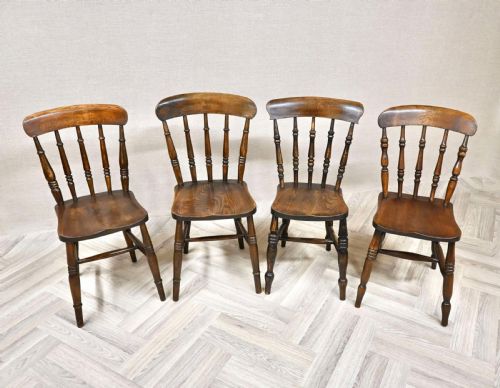
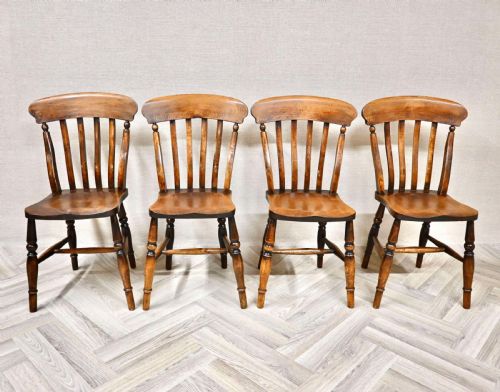
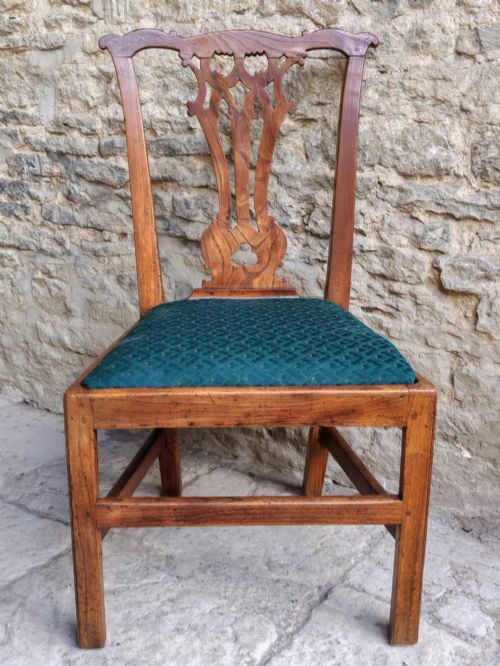
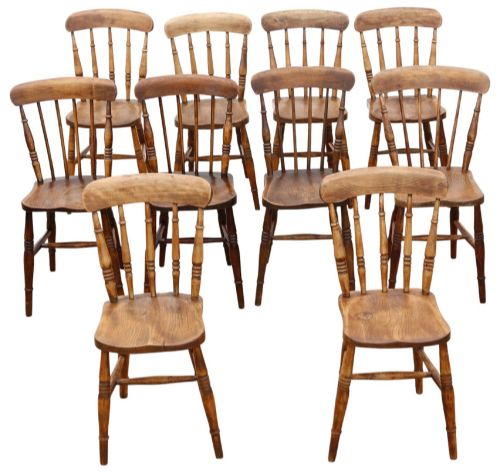
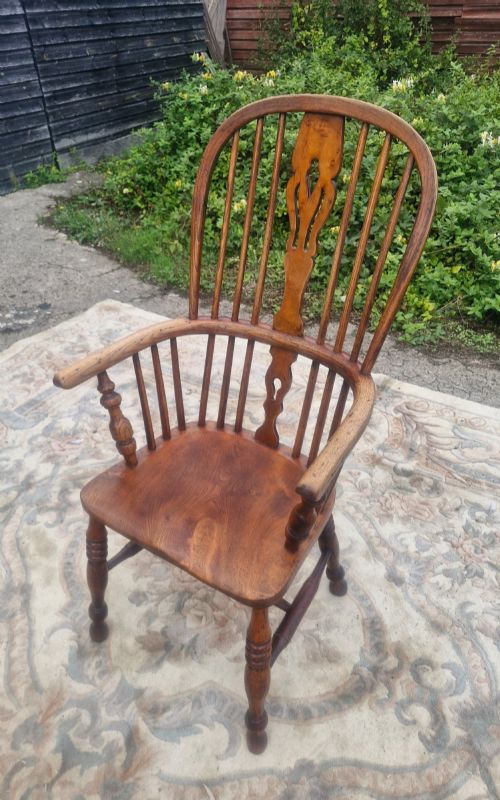
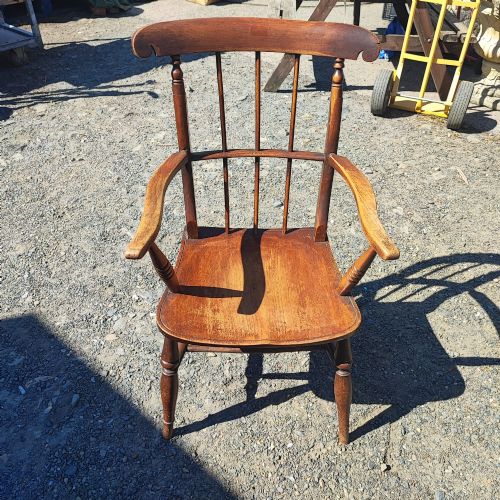
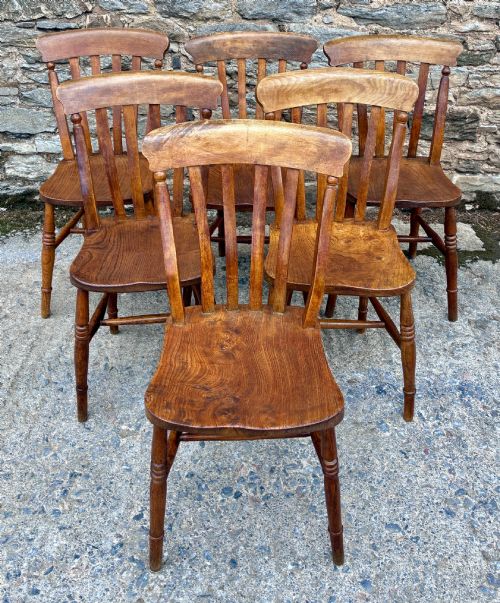
When searching for brown elm wooden chairs, buyers encounter practical domestic seating rooted in English vernacular traditions. These pieces span centuries of rural craftsmanship, appearing as kitchen chairs, dining sets, and sturdy armchairs.
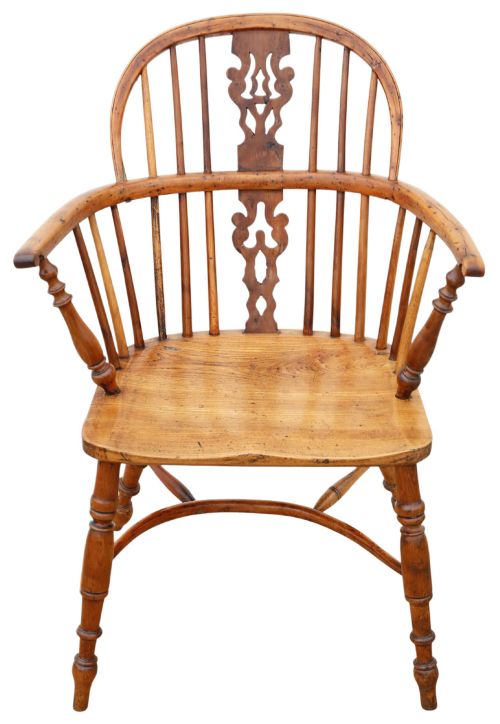
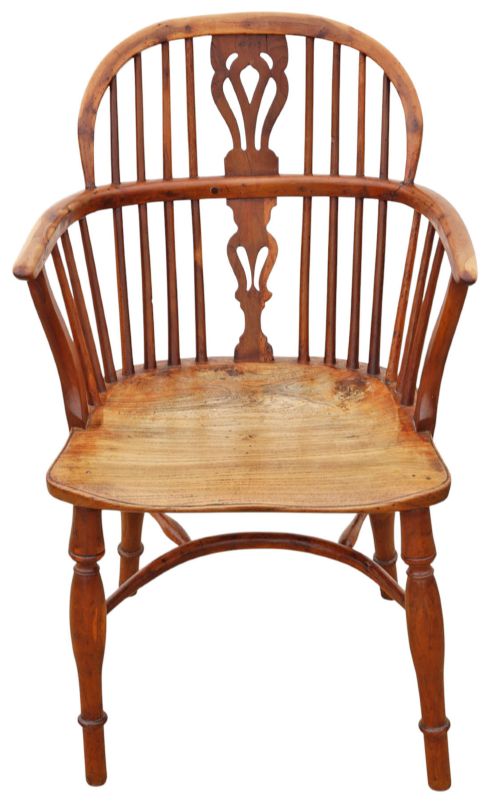
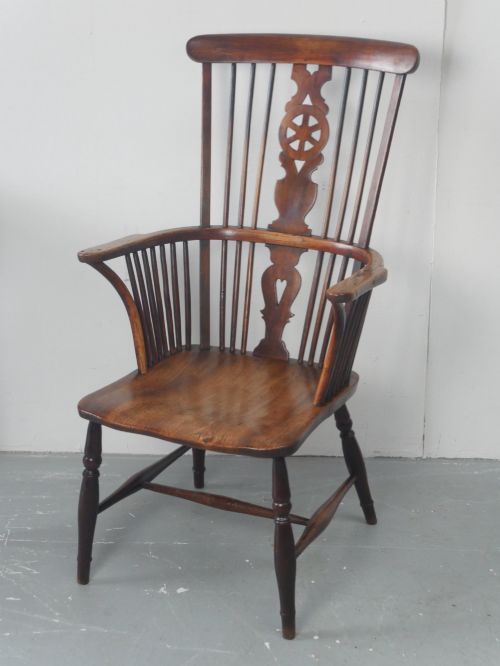
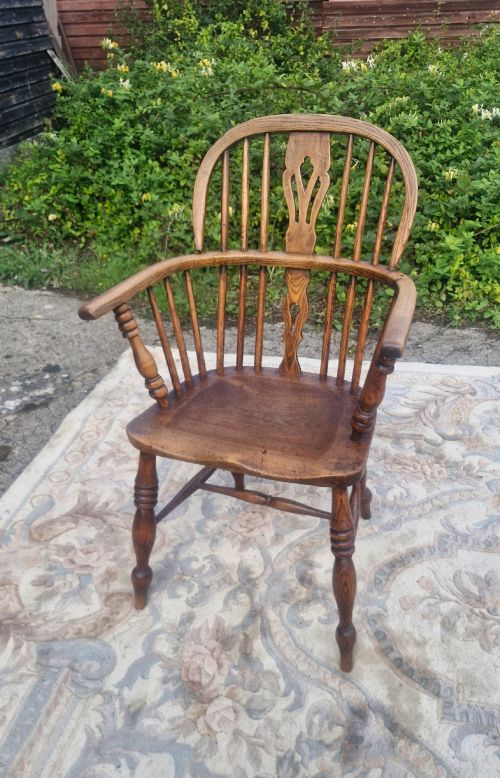
The selection on this page relies heavily on nineteenth-century production alongside eighteenth-century examples. Windsor designs dominate the forms, accompanied by ladderbacks, captain chairs, and smokers bows.
Makers shaped these brown elm wooden chairs for daily use in farmhouses and cottages. They combine solid timber seats with varied spindle backs to balance comfort and structural integrity.
How they were made
Carpenters utilised elm primarily for shaped wooden seats because the interlocking grain resists splitting under pressure. This dense timber pairs with ash or beech for the bent components, spindles, and legs.
Makers employed steam-bending techniques to curve hoops and armrests into continuous shapes. Traditional joints relied on turned tenons wedged tightly into drilled mortises through the seat plank.
Materials recorded across the inventory include elm, ash, beech, oak, and yew wood.
What varies in quality
Quality rests on the selection of timber and the harmony of the proportions. A well-balanced chair displays crisp turning on the legs and stretchers, alongside a deeply saddled solid elm seat that shows thoughtful shaping.
Wear and replacement parts separate honest survivors from heavily altered examples. Original matching sets command greater attention than assembled groups where individual spindles or legs have been replaced over time.
The Brown Elm Wooden Chairs Glossary
- Windsor
- A chair built with a thick wooden saddle seat into which the legs and back spindles are directly fitted. This form developed deep roots in English country furniture production.
- Smokers Bow
- A low-backed Windsor armchair featuring a continuous curved armrail supported by turned spindles. These were common in nineteenth-century public houses and parlours.
- Crinoline stretcher
- An arched or bowed stretcher connecting the legs of a chair to provide rigidity. It often adds a decorative curved element beneath the seat.
- Lathback
- A chair back constructed with flat wooden slats instead of round turned spindles. This design provides broad support for the user.
- Harlequin set
- A collection of chairs that match in general style and period but vary in minor details. Such sets typically accumulated in country homes over many years.
Brown Elm Wooden Chairs: Frequently Asked Questions
How do I date an elm chair?
Dating relies upon observing construction marks, tool traces beneath the seat, and the specific evolution of the back design. Eighteenth-century examples often display comb backs or distinct Georgian proportions.
Later Victorian versions introduce steam-bent components and factory-turned spindles while retaining the traditional elm seat base.
Were these chairs used at dining tables?
Many of these pieces served primarily in farmhouses and country kitchens for daily meals and domestic labour. Sets of matching or harlequin chairs were gathered around large kitchen tables.
Armchairs and captains chairs often doubled as desk seating or fireside perches due to their enclosed, supportive armrests.
How should I care for elm furniture?
Elm responds best to stable indoor humidity and occasional applications of natural beeswax to nourish the timber. Avoid placing these wooden chairs near direct heat sources that might cause the grain to dry and split.
Gentle dusting with a soft cloth preserves the historic patina developed over centuries of handling.