


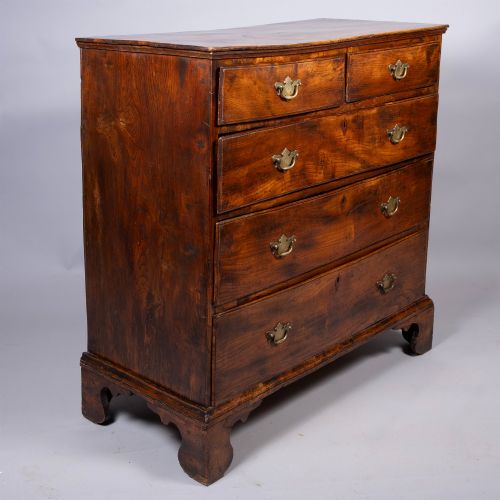


Brown Elm Cabinet
A brown elm cabinet brings a warm, distinct grain and sturdy domestic timber to storage pieces spanning English Georgian periods to Chinese provincial workshops.
Brown Elm Cabinet
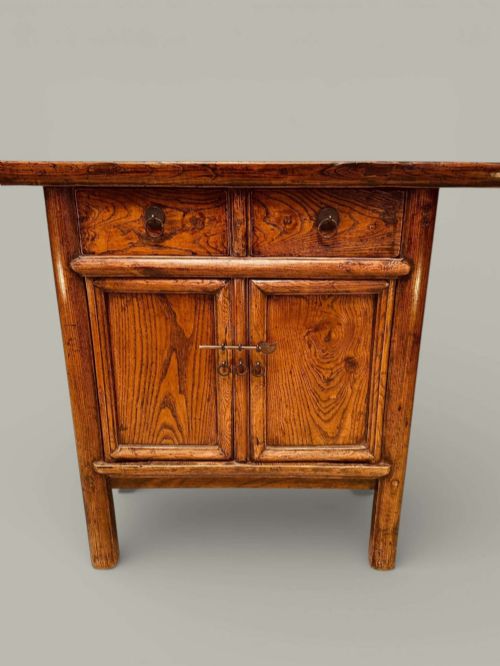
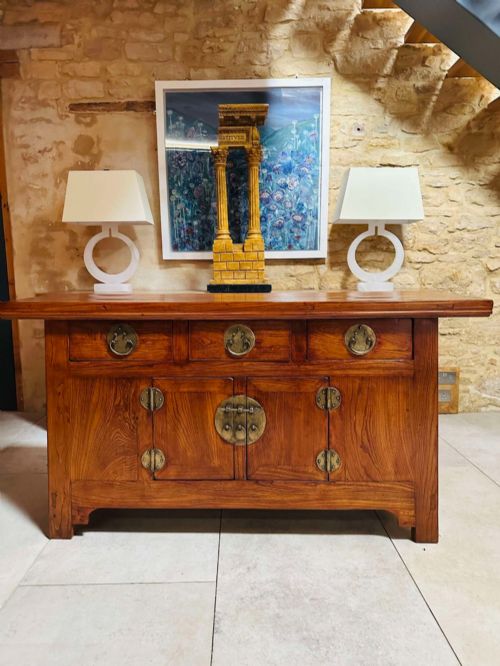
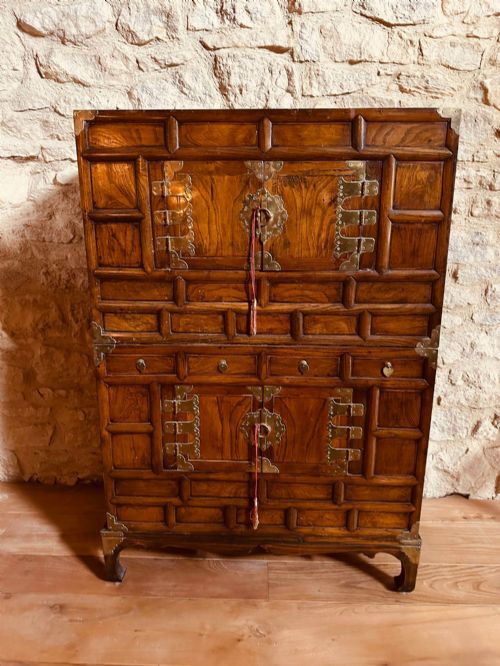
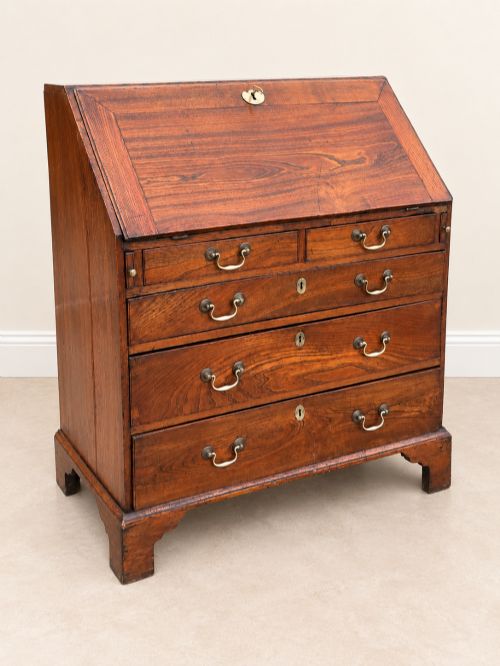
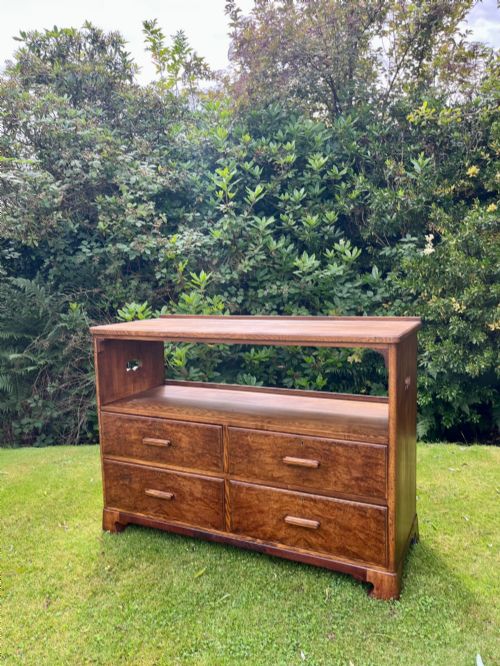
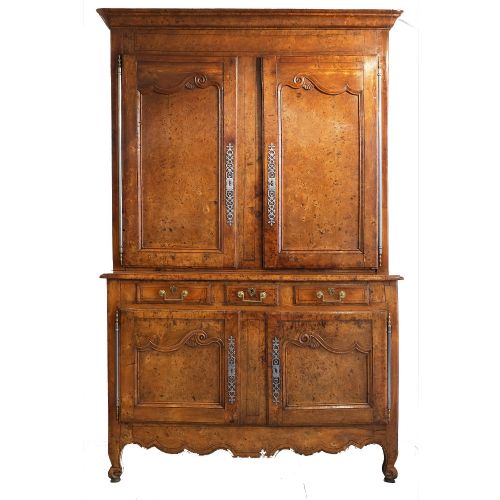
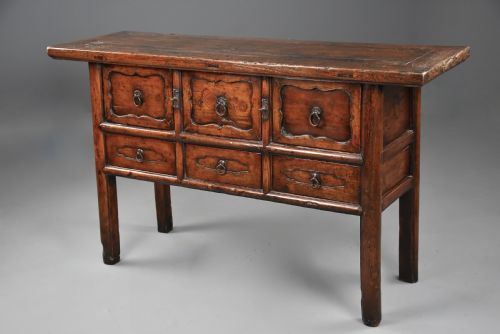
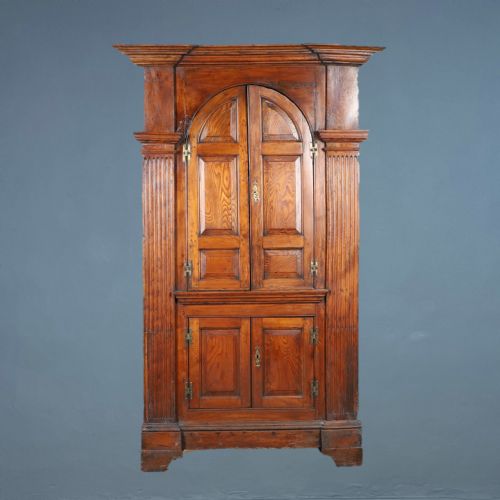
A brown elm cabinet encompasses a wide variety of storage furniture, from eighteenth-century English corner cupboards and bureaus to nineteenth-century Chinese side cabinets and Japanese tansu chests. Buyers searching for a brown elm cabinet encounter both formal European case pieces with figured veneers and rustic vernacular furniture shaped by local traditions.
The selection on this page relies heavily on eighteenth-century and nineteenth-century examples, featuring forms such as chests of drawers, commodes, sideboards, and bedside cabinets. Regional variations range from George III neoclassical commodes to Arts and Crafts bookcases and overseas storage chests.
Materials and construction
Makers utilised solid elm, burr elm, and figured elm, frequently pairing the primary timber with secondary woods such as oak, ash, and walnut. Brass hardware, iron fittings, and occasional marble tops complete the structural and decorative elements of these case pieces.
Joinery methods vary according to origin, combining traditional European dovetailing and marquetry with provincial framing and Asian chest construction. Selected pieces display decorative inlays in yew or walnut, alongside surface treatments that enhance the natural patina of the wood.
Brown Elm Cabinet Retail Price Guide 2026
Typical asking prices for brown elm cabinet among the pieces listed under this phrase on Sellingantiques today, from the lower quarter to the upper quarter. They describe what is for sale here now, not the wider market.
Some seventeenth-century English households converted old close stools into polite bedside chests just to keep things tidy.
Evaluating quality and character
Quality in a brown elm cabinet rests upon the selection of the timber, particularly the presence of striking figuration, burr patterning, or smooth natural patination. Finer pieces demonstrate careful book-matching of veneers and precise execution of architectural cornices or marquetry details.
Structural integrity and the preservation of original mounts, handles, and locks distinguish superior examples from heavily restored ones. The subtlety of the finish and the clarity of the regional hand-craftsmanship dictate the standing of each individual piece.
Whytock and Reid·Augustus Pugin
The Brown Elm Cabinet Glossary
- Burr elm
- A growth deformity in the elm tree that produces highly figured, swirling grain patterns prized for decorative veneer on commodes and cabinets.
- Tansu
- A traditional mobile Japanese storage chest constructed from elm or other local woods, featuring iron strapwork and compartmented drawers.
- Deux corps
- A large two-tier storage piece consisting of an upper cabinet resting upon a lower buffet or chest base.
- Commode
- A low French-style chest of drawers or cabinet with a decorative top surface, popular during the eighteenth and nineteenth centuries.
- Cellarette
- A fitted interior chest or cabinet designed specifically to hold wine bottles securely in a dining room or parlour.
Brown Elm Cabinet: Frequently Asked Questions
What periods do these cabinets come from?
The pieces span several centuries, with a strong representation of eighteenth-century Georgian designs alongside nineteenth-century European and Asian provincial work. Later twentieth-century examples from the Art Deco and Arts and Crafts movements also appear.
Dates range from mid-eighteenth-century items up to twentieth-century productions, reflecting diverse global cabinet-making traditions that utilised elm.
How do I care for burr elm veneer?
Burr elm benefits from stable indoor humidity and protection from direct sunlight, which can fade the warm tones of the wood. Regular dusting with a dry, soft cloth preserves the polished surface.
Avoid applying modern silicone sprays or heavy waxes, opting instead for traditional beeswax applied sparingly when the timber appears dry.
Where were these pieces originally used?
European examples served primarily in bedrooms, parlours, and dining rooms as commodes, bureaus, and corner cupboards for household storage. Asian and Eastern pieces functioned as portable tansu chests, side cabinets, or provincial storage dressers.
Their varied forms reflect domestic habits across England, continental Europe, China, Japan, and India.
How do I distinguish regional elm styles?
English pieces often follow formal architectural proportions from the Georgian period, sometimes incorporating burr elm veneers or mahogany and oak framing. Asian provincial cabinets display distinctive framing, iron hardware, and indigenous joinery suited to regional storage needs.
European provincial pieces show heavier rustic construction, while formal commodes utilise marquetry and shaped marble tops.