




Brown Earthy Watercolour Art
Brown earthy watercolour art brings together landscape and village scenes captured by artists across the nineteenth and twentieth centuries.
Brown Earthy Watercolour Art
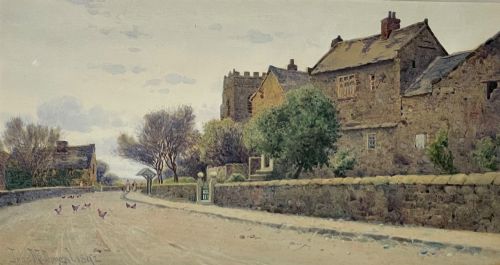
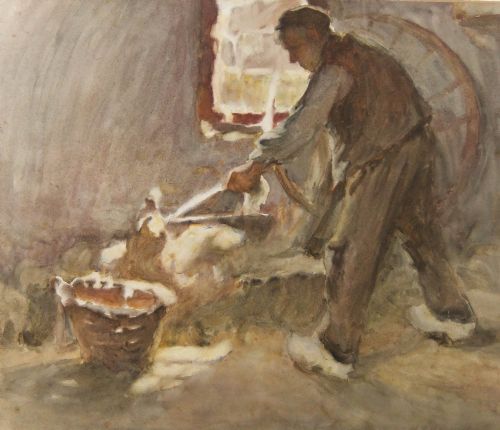
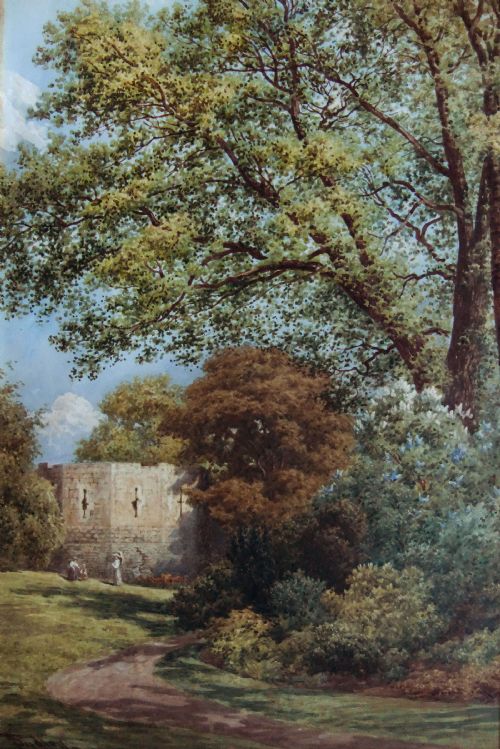
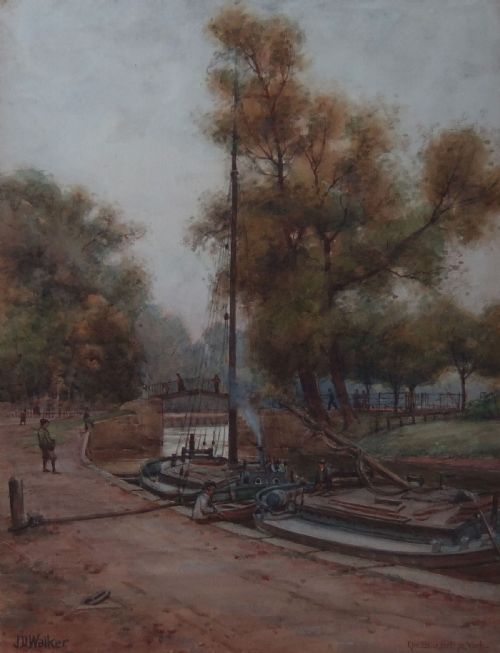
When buyers search for brown earthy watercolour art, they encounter original works executed on paper spanning periods from the Victorian era through the mid-twentieth century. The selection centres on landscapes, rural farmyards, and coastal views rendered in subtle, grounded pigments.
Most examples originate from British and European painters working in styles that range from late Victorian realism to early twentieth-century impressionism. These pieces appear as framed artworks and individual paintings depicting scenes from Yorkshire, Devon, and continental locations.
Buyers meet works by listed historical painters who utilised paper, ink, and watercolour pigment to record architectural landmarks and pastoral daily life. The forms remain consistent, consisting primarily of framed wall art suited to traditional domestic interiors.
Materials and execution
Artists executed these works using watercolour paint and pigment applied directly to paper supports, occasionally incorporating ink for definition. This medium allowed painters to achieve tonal depth through controlled washes and fine brushwork.
Framed works typically utilise wood and glass to protect the paper and pigment from environmental moisture and light degradation. The physical construction relies on period framing methods appropriate to the nineteenth and twentieth centuries.
The listings feature works executed on paper using watercolour pigment, spanning the Victorian period through the mid-twentieth century.
Distinctions in quality
Quality rests upon the artist's handling of pigment and the atmospheric depth achieved within the landscape or village composition. Stronger examples demonstrate confident brushwork and a sophisticated balance of light across earthy tones.
The condition of the paper surface and the preservation of the original pigments influence the visual impact of each piece. Works that retain their tonal subtlety without excessive fading or discoloration represent the higher standard of the selection.
John McDougal·Henry Silkstone Hopwood·James Hayllar·James Tower·James Orrock·John Atkinson·Alfred Grey·R.P. Noble·Rowland Henry Hill·Tom Dudley·Eugene Boudin·Francis William Topham·Charles Branwhite·Walter Sickert·Maurice Asselin·Fred C. Jones·John D. Walker·Fred Lawson
The Brown Earthy Watercolour Art Glossary
- Watercolour pigment
- Finely ground colour particles mixed with a binder for application on paper. This medium produces translucent washes that define the character of these works.
- Framed artwork
- A piece enclosed within a protective wooden housing behind glass. This method safeguards delicate paper supports from atmospheric damage.
- Victorian period
- The reign of Queen Victoria, spanning the nineteenth century. Works from this era often display detailed realism and narrative rural themes.
- British Impressionism
- An artistic movement focusing on light and everyday subjects. Painters in this style recorded atmospheric conditions with visible brushstrokes.
- Wash
- A thin, transparent layer of diluted watercolour paint spread across paper. This technique creates skies and background terrain.
Brown Earthy Watercolour Art: Frequently Asked Questions
How should I frame a watercolour painting?
Watercolour paintings require protection behind glass to prevent atmospheric damage to the paper and pigment. Use acid-free mounts to keep the paper from touching the glass directly.
Keep framed works away from direct sunlight to preserve the earthy tones and prevent fading over time.
What periods do these watercolours cover?
The selection spans from the nineteenth century through the Victorian era and into the early decades of the twentieth century. Artists worked across various stylistic movements including impressionism and realism.
Mid-century modern examples also appear, dating up to the nineteen-forties and reflecting changing artistic approaches to landscape painting.
Where were these landscape scenes painted?
Artists recorded subjects across British locations including Yorkshire, Devon, and the Wirral, alongside continental European scenes in France and Spain. These depicted rural villages, coastal harbours, and agricultural farmyards.
The topographical details provide a record of regional architecture and countryside views from past centuries.
How do I care for antique paper art?
Maintain stable humidity and temperature levels in the room where the artwork hangs to protect the paper support. Avoid damp environments that encourage foxing or mould growth on the surface.
Inspect the backing boards periodically to ensure the protective sealing remains intact and free from dust.