






Antique Coastal Art
Antique coastal art captures the shifting moods of the sea and shore through centuries of maritime painting and folk objects.
Antique Coastal Art
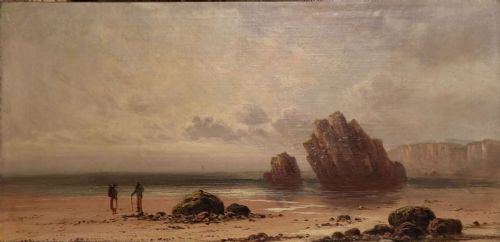
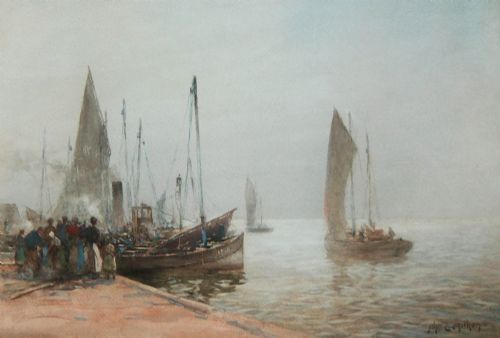
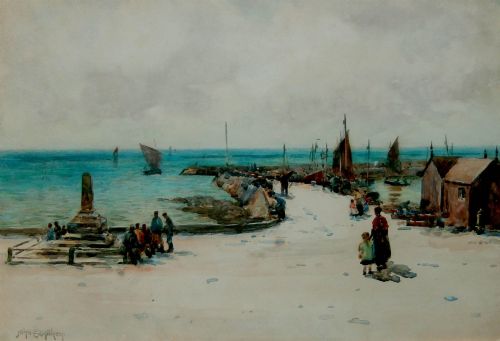
Antique coastal art encompasses oil paintings, watercolours, drawings, and folk objects depicting harbours, fishing boats, and shorelines. When searching for antique coastal art, buyers encounter works ranging from detailed 19th-century watercolours to early 20th-century impressionist oils.
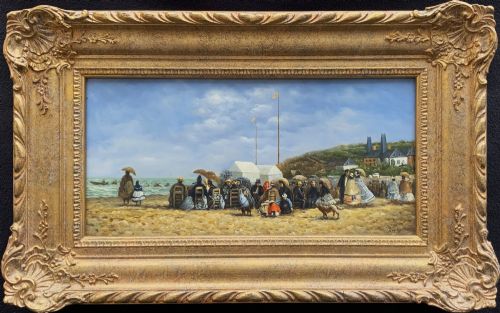
The selection includes framed works on paper, canvas paintings in gilt wood frames, and decorative folk art pieces such as shellwork boxes and dioramas. Pieces originate from British, French, and wider European coastal locations, reflecting local maritime traditions.
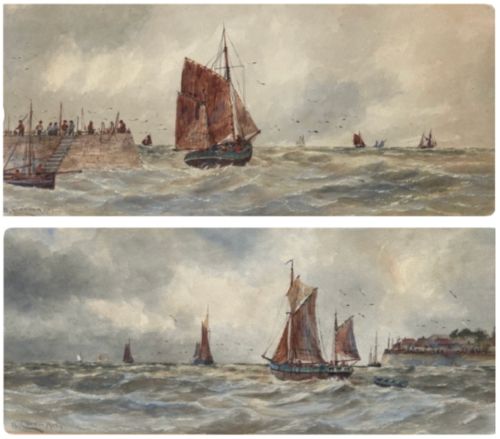
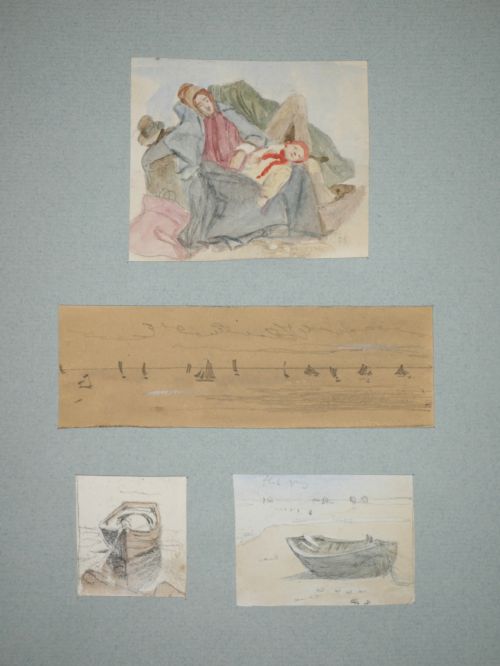
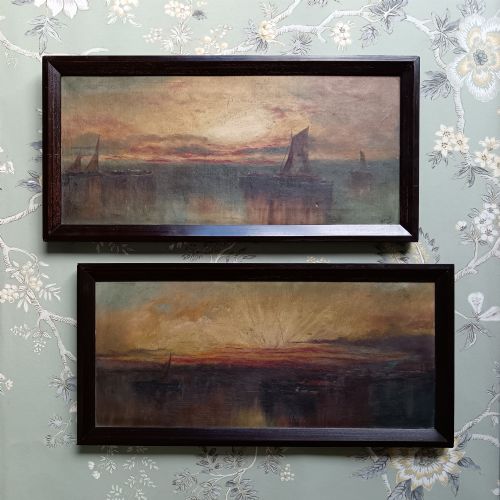
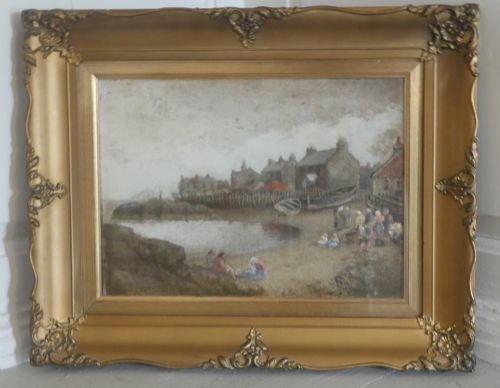
Watercolours of fishing boats and harbour scenes from the Victorian and Edwardian periods appear frequently alongside oil paintings on canvas and board. These works document coastal life, maritime traffic, and seaside landscapes across the 19th and early 20th centuries.
Materials and techniques
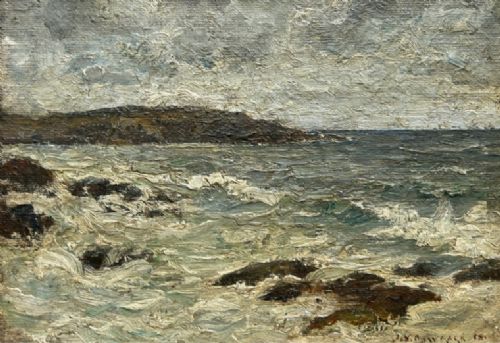
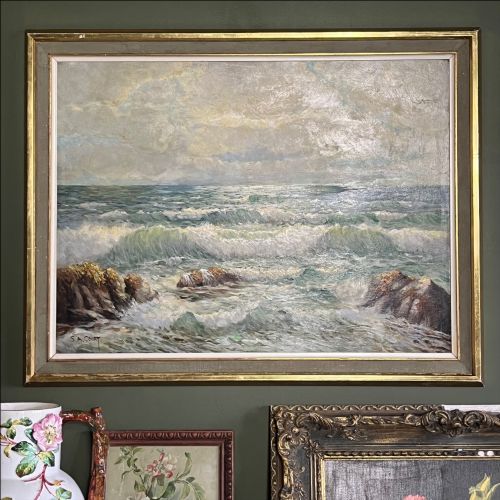
Painters utilised watercolour pigment on paper and oil on canvas or board, often housed in original gilt wood frames. The application ranges from thin, transparent watercolour washes to textured impasto oil paint on canvas.
Folk art pieces incorporate organic materials such as shells applied to wood and glass structures, alongside traditional woodworking and glass-bottling techniques for dioramas. These objects combine utilitarian items or handmade frames with maritime subjects.
Makers constructed delicate folk art boxes and bottle dioramas to preserve distant sea voyages at home.
Quality and execution
The strength of a composition and the artist's handling of light and water distinguish finer works from standard decorative pieces. Masterly brushwork in oils or confident pigment control in watercolours brings movement to seascapes and realism to vessels.
Condition of the paper or canvas, stability of the impasto, and the presence of an appropriate period gilt frame influence the desirability of a painting. Original mounting and clear signatures by known artists elevate the standing of a piece within the genre.
James Orrock·William Cannon·James E. Aitken·John E. Aitken·William Banks Fortescue·Thomas William Morley·Hector Caffieri·Bernard Benedict Hemy·Thomas Creswick·TB Hardy·John Wilson Carmichael·Abraham Cooper·Joseph Farquharson·John Moore of Ipswich
The Antique Coastal Art Glossary
- Impasto
- Paint applied thickly to a canvas or board, standing out in relief from the surface. This technique adds tactile texture and visible brushstrokes to waves and skies.
- Seascape
- A work of art depicting the sea, coastlines, ships, or maritime activities. These subjects formed a major focus for 19th-century and early 20th-century painters.
- Gilt Wood
- Wood treated with gold leaf or a metallic gold-coloured finish. Antique frames of this material complement the oil paintings and watercolours they enclose.
- Folk Art
- Objects created by self-taught or traditional makers outside academic fine art traditions. Examples include shell-decorated boxes and ship dioramas.
Antique Coastal Art: Frequently Asked Questions
What subjects appear in antique coastal art?
Paintings and watercolours depict fishing boats, harbour scenes, rocky coastlines, and maritime shipping vessels. Artists recorded working ports and quiet shores across Britain and Europe.
Folk art interpretations include shellwork boxes and detailed ship models housed inside glass bottles. These subjects reflect a widespread 19th-century fascination with the sea.
How do I date an oil painting of the coast?
Dating relies on the style of the clothing worn by figures, the rig of the boats, and the construction of the canvas and stretcher. Victorian and Edwardian works often bear signatures, dates, or framing details typical of their decade.
Examining the type of pigment, canvas weave, and framing materials provides further clues to the period of execution.
Where were these maritime watercolours produced?
Many watercolours were painted on location at British fishing ports such as St Ives, Whitby, and Dartmouth. Artists travelled to coastal towns to record daily maritime labour and harbour life.
European coastal locations also feature, reflecting the travels of artists recording foreign ports and Mediterranean shores.
How should I care for an antique watercolour?
Watercolours on paper require protection from direct sunlight to prevent fading of the pigments and yellowing of the paper support. Framing behind conservation glass limits exposure to ultraviolet light and airborne pollutants.
Maintaining stable indoor humidity levels prevents the paper from warping and protects the integrity of the original mount.