



Brown Earthenware Jug
A brown earthenware jug brings centuries of honest utility to a table, combining earthy clay bodies with rich, functional glazes.
Brown Earthenware Jug
A brown earthenware jug encompasses utilitarian vessels and decorative pitchers shaped from fired clay across multiple centuries. When searching for a brown earthenware jug, buyers frequently encounter pieces spanning from the seventeenth century through the Victorian era and into the early twentieth century.
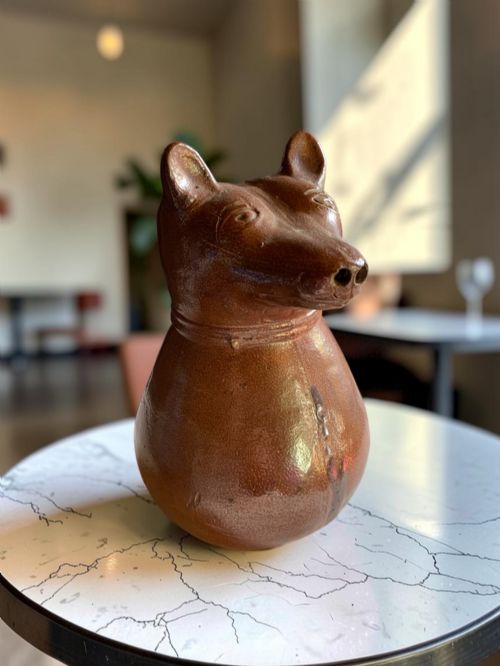
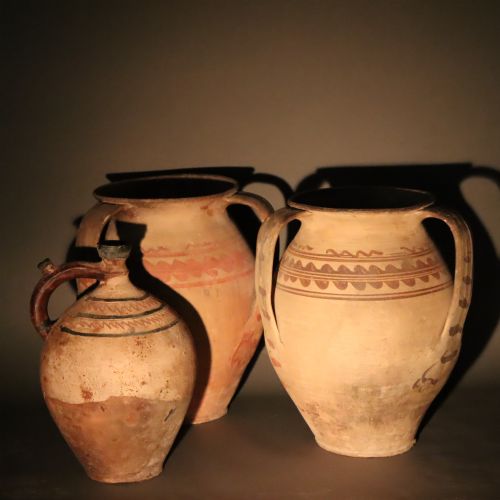
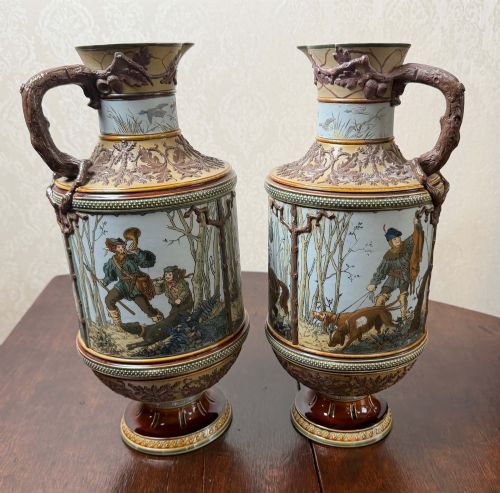
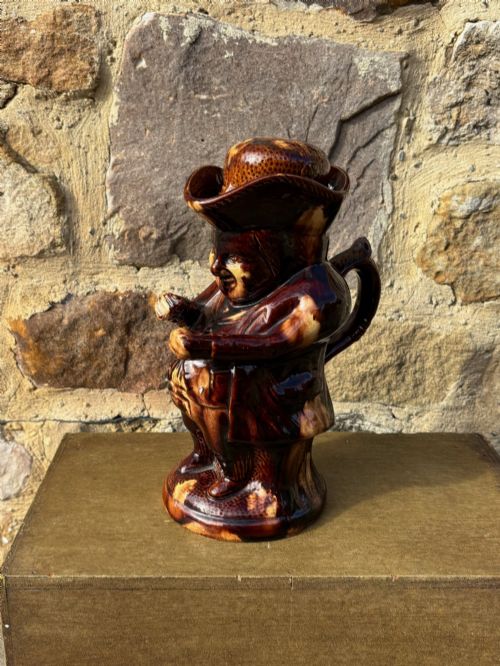
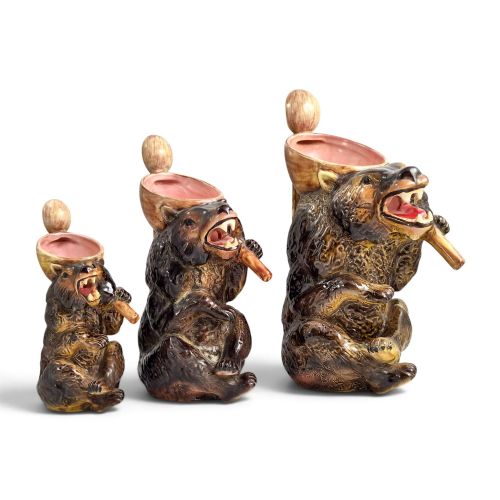
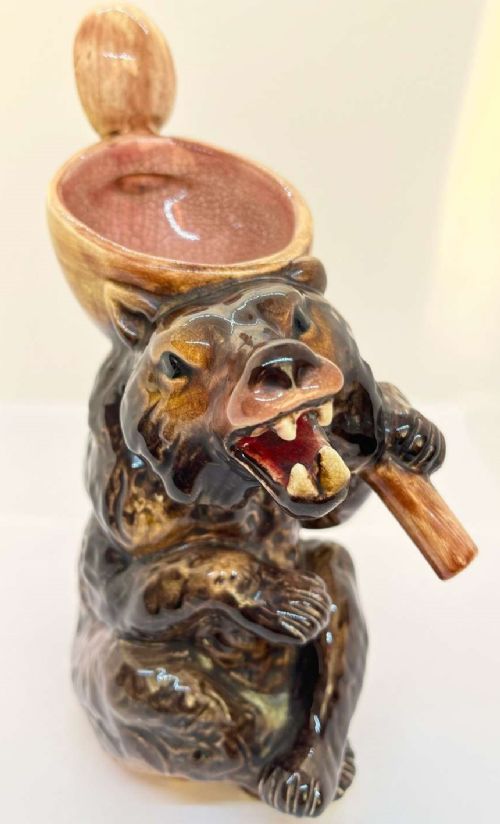
The forms range from heavy tavern vessels and slipware flagons to character Toby jugs, salt-glazed bottles, and majolica jugs featuring floral or animal motifs. These containers served varied domestic and commercial purposes, from storing liquids like wine, oil, and whisky to holding water or cream.
Origins represented in this category stretch from English potteries and Dutch workshops to German salt-glazed manufactories and French country workshops. Buyers will find both simple, unadorned country wares and richly decorated Victorian pieces bearing lead or salt glazes.
How they were made
Potters shaped these vessels using earthenware clay and denser stoneware bodies, often throwing them on a wheel or moulding them into specific character forms. The raw clay was subsequently fired to harden the body before surface treatments were applied.
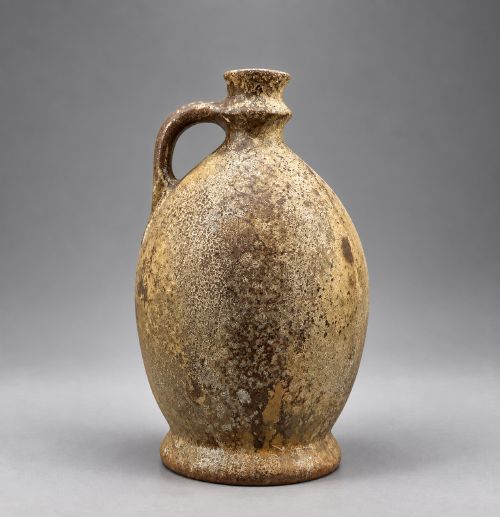
Glazes define the tactile and visual character of these pieces, utilising lead glazes, salt glazing, and slip decoration to seal the porous clay. Salt glaze created a characteristic textured, pebbled surface during high-temperature kiln firings, whilst slipware relied on liquid clay trails for patterning.
Brown Earthenware Jug Retail Price Guide 2026
Typical asking prices for brown earthenware jug among the pieces listed under this phrase on Sellingantiques today, from the lower quarter to the upper quarter. They describe what is for sale here now, not the wider market.
Listings feature periods ranging from the seventeenth century through the Victorian era to the early twentieth century.
What varies in quality
Quality in these vessels rests upon the crispness of the moulded detail, the evenness of the glaze application, and the structural integrity of the handle and spout. Potters who exercised greater control over kiln temperatures and clay preparation produced sturdier, more refined forms.
Artistic execution also separates standard utilitarian items from exceptional studio or factory productions, particularly in character jugs and majolica pieces where hand-painting and modelled relief define the surface. The depth of glaze pooling and the clarity of decorative motifs distinguish finer examples from simpler provincial wares.
Royal Doulton Kingsware·Doulton Lambeth·George Jones·Holdcroft
The Brown Earthenware Jug Glossary
- Slipware
- Pottery decorated with slip, which is a liquid mixture of clay and water applied to the clay body before firing. This technique allowed makers to draw bold patterns across the surface.
- Salt glaze
- A vitreous coating formed by throwing common salt into the kiln during high-temperature firing. It produces a distinctive orange-peel texture on stoneware vessels.
- Toby jug
- A pottery jug modelled in the shape of a seated person, usually a hearty eighteenth-century figure wearing a tricorn hat. These vessels traditionally held beer or ale.
- Majolica
- A type of earthenware coated with an opaque tin glaze and painted with brightly coloured metal oxide pigments. Victorian makers revived this technique for decorative relief-moulded jugs.
- Flagon
- A large vessel with a handle and spout or lid, designed for holding and pouring liquids such as wine or ale. Early examples were frequently fashioned from durable stoneware.
Brown Earthenware Jug: Frequently Asked Questions
What were brown earthenware jugs used for?
These vessels fulfilled essential storage and serving duties in homes, taverns, and commercial establishments. They held liquids ranging from water, milk, and cream to wine, oil, and spirits.
Larger flagons and bottles managed bulk transport and storage, whilst smaller pitchers served directly at the table. Decorative character jugs also served a display function alongside their pouring capabilities.
How do I date an antique jug?
Dating relies on examining the manufacturing technique, clay body, glaze type, and stylistic markers. Earlier seventeenth and eighteenth-century pieces often display hand-thrown irregularities and simple slip decorations.
Victorian and later pieces frequently show moulded relief work, factory stamps, or specific glaze formulations like majolica. Comparing the bottom profile and handle attachment methods with known period examples provides further chronological context.
Are salt glaze and earthenware different?
Salt glaze and earthenware represent distinct material and firing compositions within historic ceramics. Earthenware uses porous clay fired at lower temperatures and requires a glaze to become waterproof.
Salt glazing is typically applied to dense stoneware bodies fired at much higher temperatures, where the introduced salt vaporises and bonds with the silica in the clay. This creates a hard, impermeable surface without needing a traditional liquid glaze layer.