




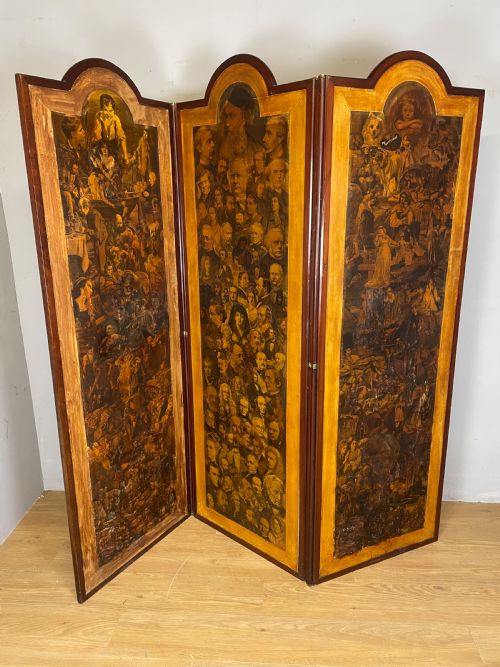


Brown Draft Screen
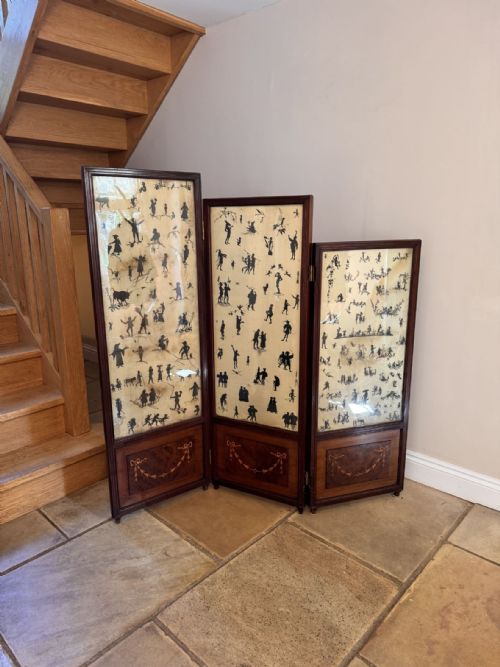
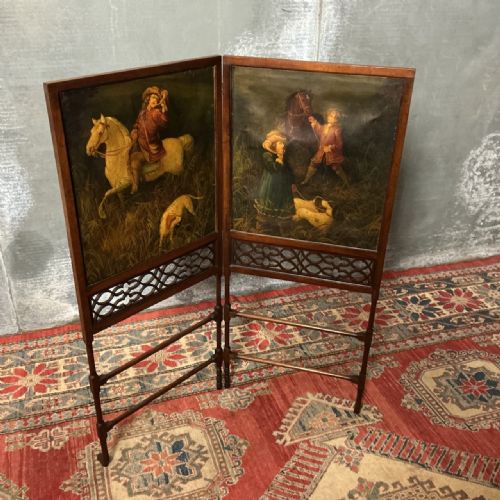
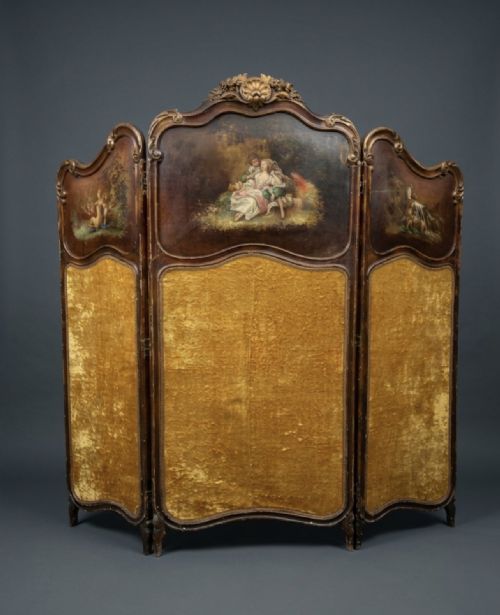
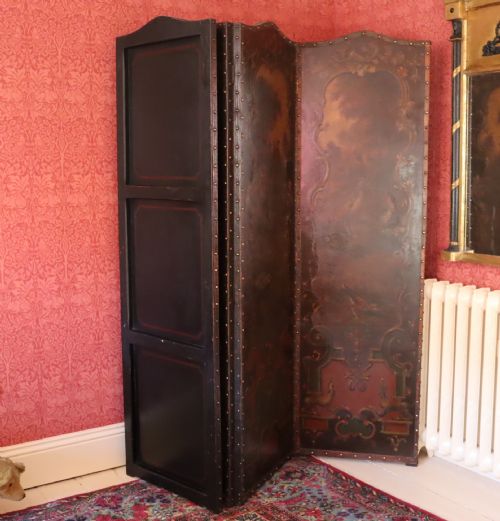
These brown draft screen examples are folding room dividers and firescreens designed to block chills, appearing here in wood, leather, and fabric forms.
Brown Draft Screen
A brown draft screen serves primarily as a functional room divider or firescreen, designed to block unwelcome room currents and create private spaces. The pieces gathered here span centuries of domestic life, taking the form of folding screens, modesty screens, and architectural entranceways.
Origins stretch from traditional country house workshops to continental European studios, encompassing styles from Regency elegance and Victorian scrap work to ornate French Rococo revival and 18th Century Spanish craftsmanship.
Materials and construction methods
Makers utilised solid timbers such as mahogany, oak, walnut, and palisander to build sturdy skeletal frames capable of supporting multiple folding leaves. Brass hinges connected these panels, allowing smooth articulation and long-term durability.
Surface decoration required specialist artistry, employing oil paint on canvas and paper, delicate needlepoint tapestry, and gilt embossed leather. Some pieces incorporated fretwork or glass inserts to balance privacy with light transmission.
Brown Draft Screen Retail Price Guide 2026
Typical asking prices for brown draft screen among the pieces listed under this phrase on Sellingantiques today, from the lower quarter to the upper quarter. They describe what is for sale here now, not the wider market.
Object types include folding screens, room dividers, firescreens, and architectural salvage entranceways spanning the Victorian and Edwardian eras.
Evaluating craftsmanship and detail
Quality rests in the structural integrity of the frame joints and the finesse of the panel infills. Fine examples demonstrate precise joinery in the timber framing alongside accomplished hand-painted artwork or tightly woven needlepoint.
The Brown Draft Screen Glossary
- Folding screen
- A piece of furniture consisting of two or more connected panels that can be folded in or out to change a room layout. These items provide privacy and block draughts.
- Firescreen
- A small, portable panel placed in front of a fireplace to block excessive heat when the fire is not lit. They often feature needlepoint or embroidered inserts.
- Modesty screen
- A low folding panel historically used to shield individuals from draughts or view in a domestic setting. They frequently incorporate decorative painted panels.
- Scrap work
- A decorative technique involving the application of numerous paper cut-outs or prints onto a surface, which is then sealed. Victorian examples often cover entire screens with layered paper ephemera.
- Coromandel lacquer
- A type of Chinese incised lacquerware featuring dark grounds carved to reveal coloured layers underneath. These finished panels were highly prized in European interiors.
Brown Draft Screen: Frequently Asked Questions
What is a brown draft screen used for?
These screens serve to partition large rooms, create private corners, and block cold draughts coming from doors or windows. Smaller variants act as firescreens to shield occupants from radiant heat.
Historically, they helped regulate temperature and create intimate zones within draughty period properties.
How do I care for a leather panel screen?
Leather panels require stable indoor humidity levels and protection from direct sunlight to prevent drying and cracking. Dust them gently with a dry, soft cloth.
Avoid applying modern chemical cleaners or excessive moisture to painted or gilt surfaces.
How do I distinguish 18th century from Victorian screens?
Eighteenth-century examples frequently feature hand-painted and gilt embossed leather or elaborate lacquerwork, reflecting Spanish or Chinese influences. Victorian pieces often display heavier mahogany frames, scrap work paper collages, or detailed tapestry needlepoint.
Examining the construction methods and wood types helps clarify the period of manufacture.
Can these screens function as room dividers?
Multi-fold screens work effectively to divide open-plan spaces, create dressing areas, or conceal utilitarian corners of a room. Their folding design allows them to stretch across wide spans or fold flat when not in use.
Ensure the hinges move freely and the frame stands stable before positioning it in a busy walkway.