




Brown Dog Oil Painting
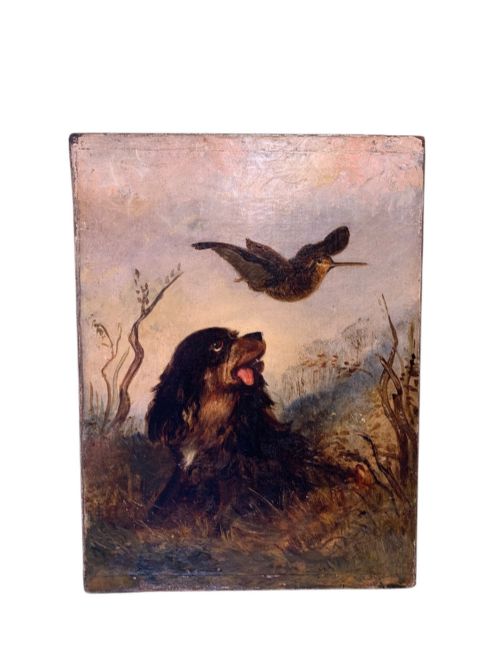
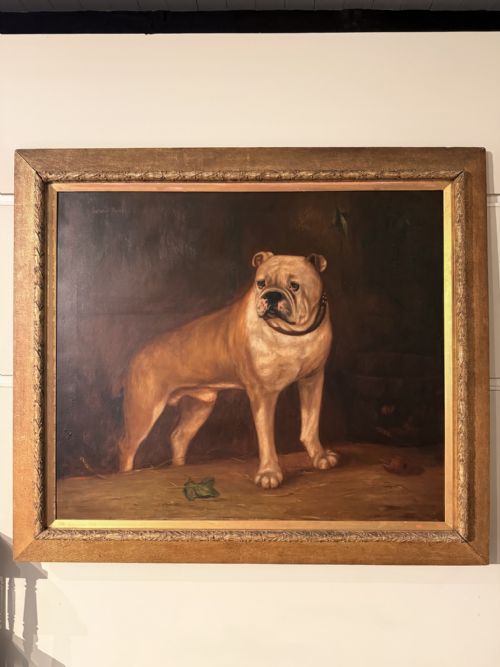
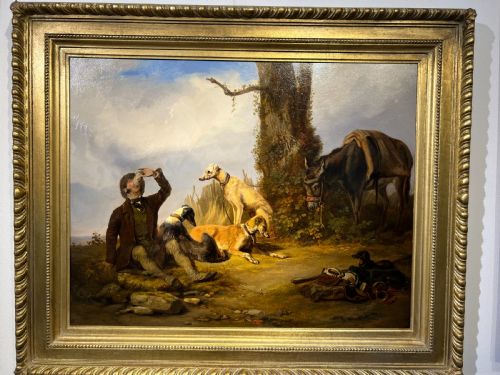
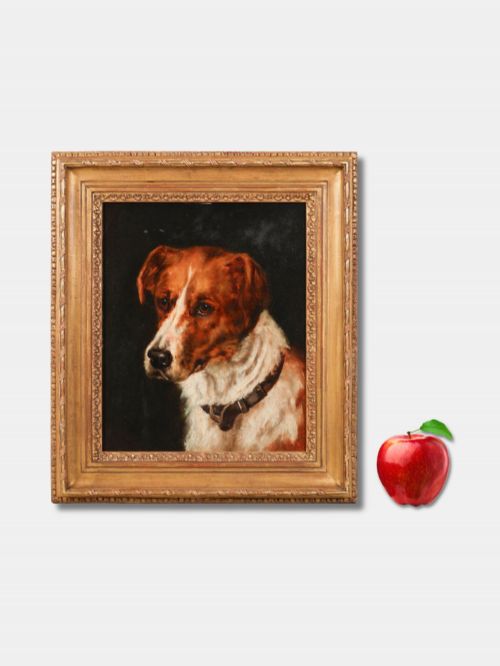
A brown dog oil painting brings nineteenth-century sporting life and canine character directly into a room through rich brushwork.
Brown Dog Oil Painting
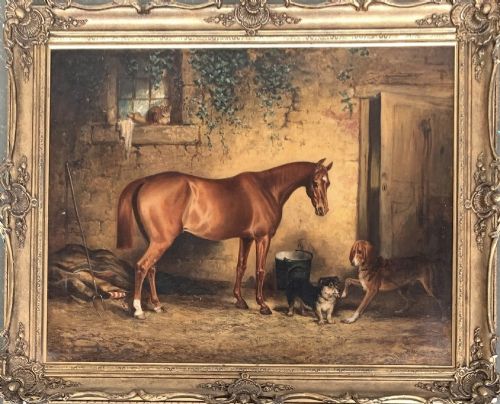
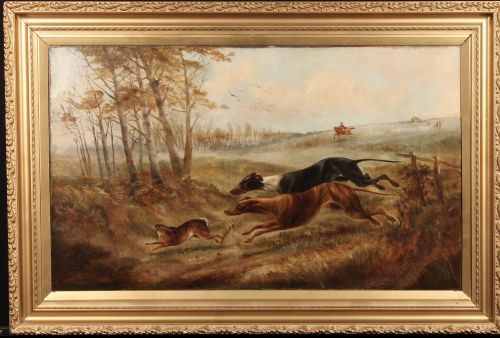
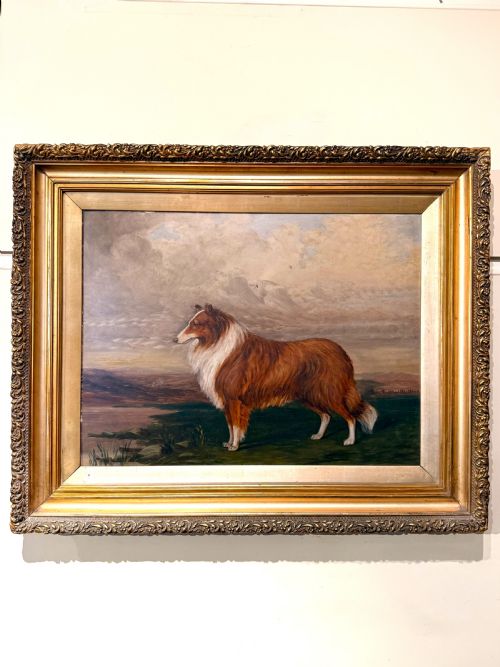
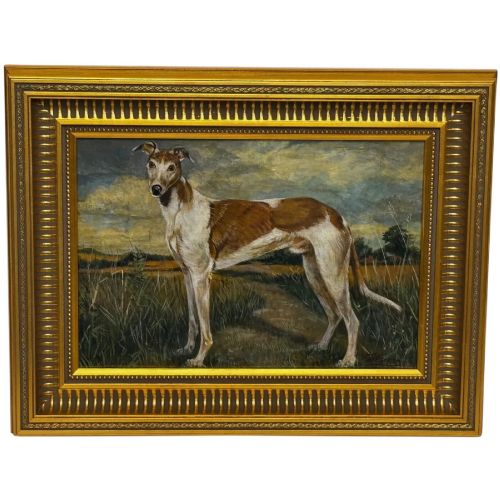
A brown dog oil painting captures working animals, hounds, and pets across centuries of canine portraiture. These works span straightforward character studies of terriers and spaniels alongside expansive hunting scenes featuring packs of hounds.
Most examples encountered here originate from the nineteenth century and the Victorian era, reflecting a period of intense artistic interest in animal subjects. Forms range from intimate cabinet boards to large framed canvases depicting individual animals in rustic landscapes.
How they were made
Artists painted primarily with oil paint on stretched canvas or prepared wooden boards, building depth through layered pigments. These supports were often housed in decorative gilt or giltwood frames that enhanced the visual presence of the artwork.
Techniques varied from academic realism, which rendered fur and muscle with precision, to looser British and Northern European school approaches that prioritised atmospheric movement and light.
Brown Dog Oil Painting Retail Price Guide 2026
Typical asking prices for brown dog oil painting among the pieces listed under this phrase on Sellingantiques today, from the lower quarter to the upper quarter. They describe what is for sale here now, not the wider market.
Listings feature works spanning from the seventeenth century through the mid-twentieth century, executed in oil on canvas and board.
What varies in quality
Quality rests in the anatomical accuracy of the animal and the expressiveness of the brushwork. Master painters captured the distinctive alert posture, texture of the coat, and intelligent gaze of specific breeds with notable vitality.
Compositional balance and the handling of the surrounding landscape also distinguish finer works from standard decorative pieces. The treatment of light across the subject creates a sense of immediacy that separates skilled animaliers from lesser practitioners.
Henry Barraud·George Armfield·Valentine T Garland·Sir Edwin Henry Landseer·John Emms·Thomas Hicks·Samuel Raven·George E Sharpe·John Trivett Nettleship·Fannie Moody·Robert Cleminson·Michael Lyne·Henri Schouten
The Brown Dog Oil Painting Glossary
- Oil on Canvas
- Pigment mixed with drying oil applied to a woven fabric support. This combination allowed artists to achieve rich tonal gradations and lasting durability.
- Giltwood
- Timber carved and coated with a thin layer of gold leaf or metallic powder. It frequently surrounds Victorian painting frames to provide a warm, reflective border.
- Sporting Art
- Genre depicting field sports, horses, and dogs in outdoor settings. It flourished in Britain during the eighteenth and nineteenth centuries.
- Naive School
- Art produced by painters without formal academic training, often characterised by flat perspective and direct charm. These works rely on honest observation rather than strict proportion.
Brown Dog Oil Painting: Frequently Asked Questions
What is a brown dog oil painting?
A brown dog oil painting is a traditional canine portrait executed in oil pigments, often depicting terriers, spaniels, or hounds from the nineteenth century.
These artworks serve as historical records of working animals and cherished pets, reflecting changing attitudes towards animals in domestic life.
How were these dog portraits displayed?
Original owners typically hung these paintings in libraries, country houses, and studies alongside sporting equipment and family portraits. Gilt frames were utilised to elevate the status of the artwork on panelled or papered walls.
Today, they function well in both traditional interiors and modern spaces as focal points above mantelpieces or within gallery walls.
How do I identify the period?
Dating relies on examining the canvas preparation, framing style, and the clothing or hairstyles of any human figures present in the wider composition. Victorian works often feature heavy gilt frames and romanticised landscapes.
Later pieces from the early twentieth century shift toward simpler framing and more direct character studies of individual dogs.
Are these paintings signed by artists?
Some canvases bear signatures, monograms, or studio inscriptions, while others remain attributed to specific schools or followers of master painters. Unsigned works frequently emerged from regional British and European studios.
Attributions are typically determined by brush style, subject matter, and known composition types associated with particular animal painters.