




Brown Desktop Drawers
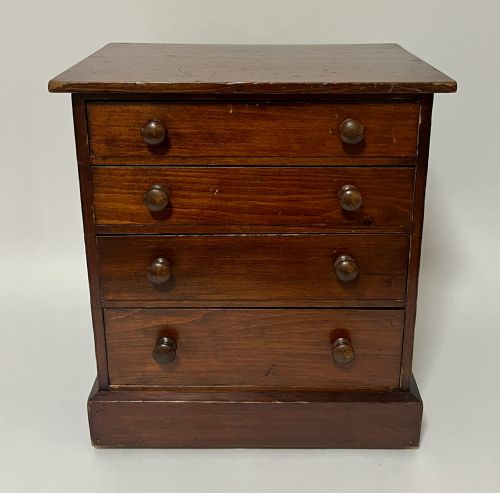
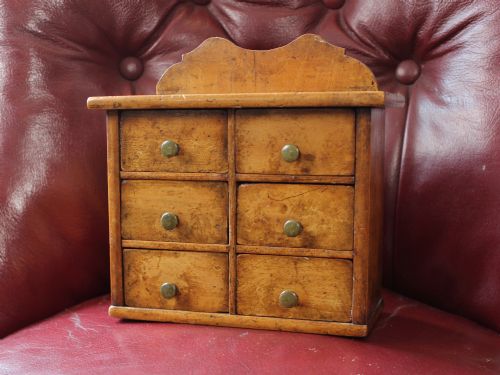
Brown desktop drawers are small-scale wooden storage pieces designed for tables and desks, offering practical compartments for papers, specimens, and small valuables.
Brown Desktop Drawers
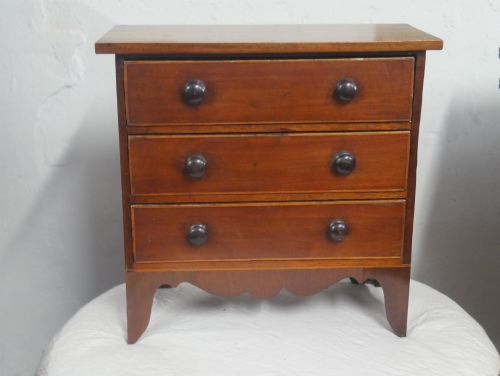
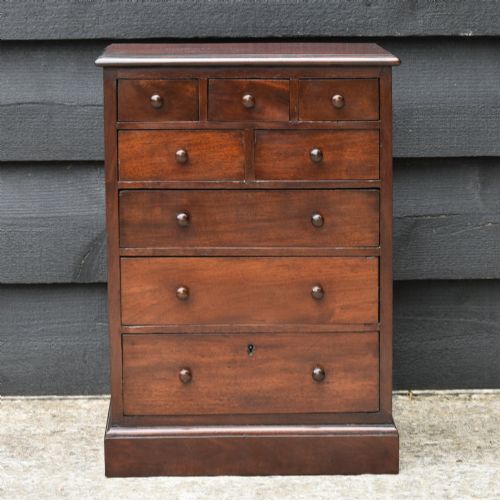
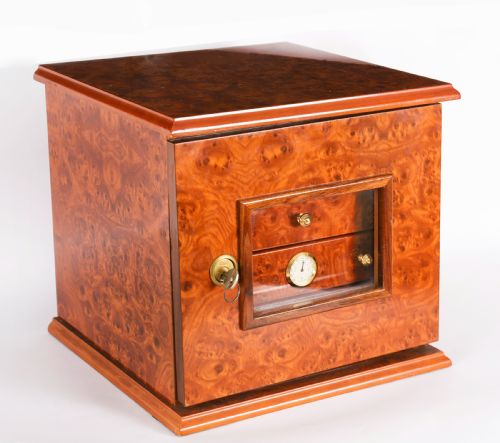
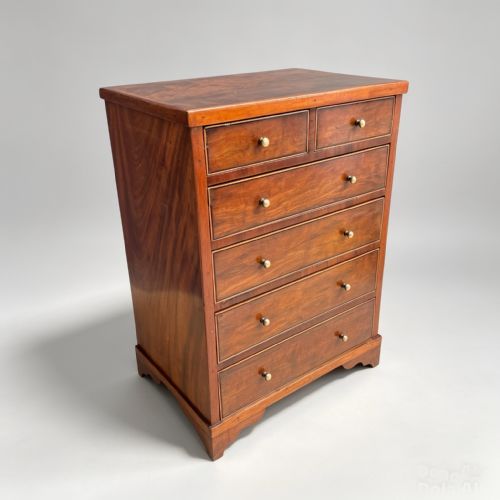
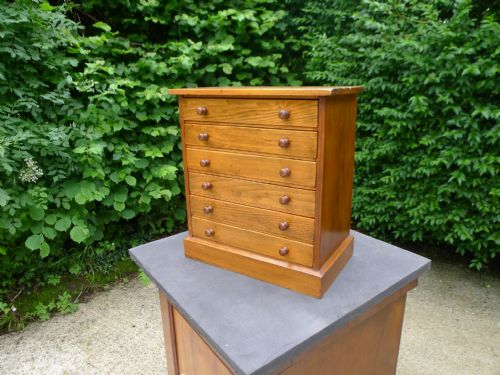
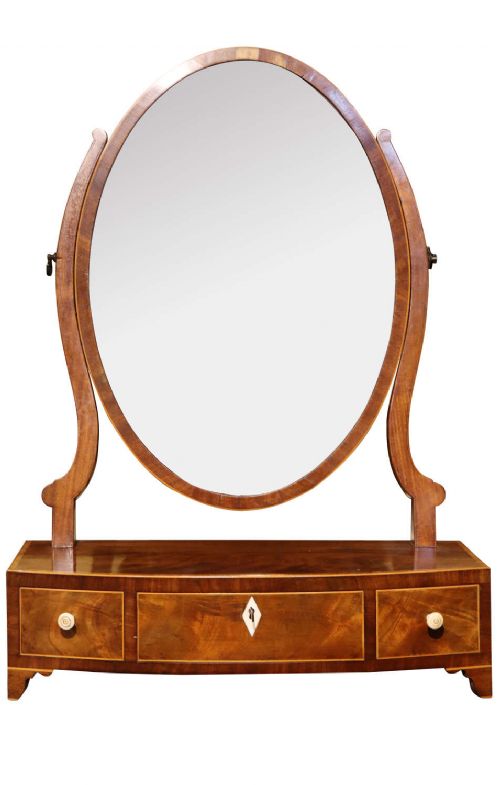
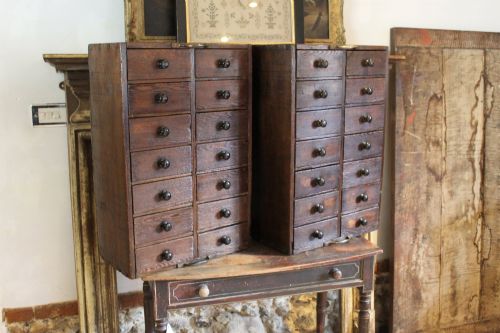
These brown desktop drawers span several centuries of design, including Georgian, Victorian, and Edwardian periods. Buyers searching for brown desktop drawers typically encounter miniature chests of drawers, collectors cabinets, and dressing table mirrors fitted with small compartments.
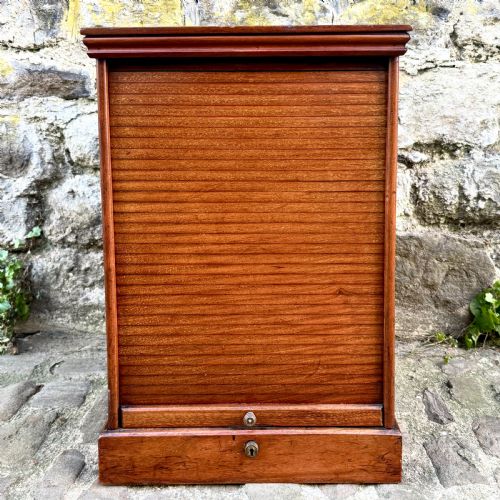
Forms range from apprentice pieces and spice drawers to filing cabinets and watchmaker cabinets. These compact pieces sit directly on desks, tables, or countertops while providing functional compartmentalised storage.
Origins vary across English, Scottish, Dutch, and French workshops. The selection relies heavily on nineteenth-century Victorian examples alongside eighteenth-century Georgian items.
Materials and construction
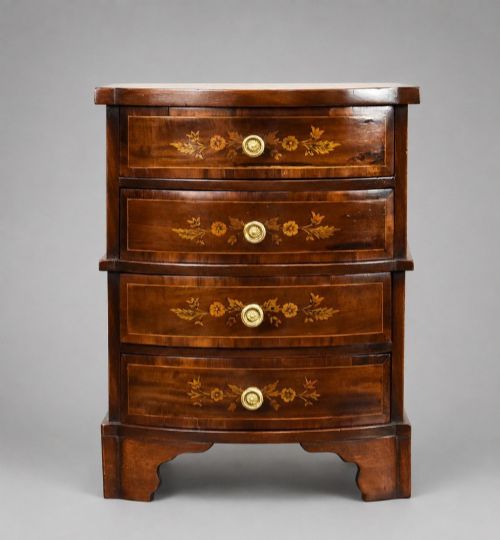
Makers utilised dense hardwoods including mahogany, walnut, oak, and rosewood, often enhanced with crossbanding, marquetry, or burr veneers. Secondary woods like pine and deal appear on internal drawer linings and hidden structural components.
Joinery techniques involve dovetailed drawer construction and precision framing designed to withstand frequent opening. Brass handles, escutcheons, and hinges provide functional hardware across both utilitarian filing items and refined dressing mirrors.
Some oak desk boxes hide a secret drawer for confidential items.
Assessing quality
The standard of timber selection largely dictates the quality of these pieces, with highly figured mahogany, burr walnut, and burr oak marking out superior examples. Clean grain matching across drawer fronts and crisp execution of crossbanding demonstrate a maker's skill.
Hardware integrity and internal lining preservation also separate everyday utility items from finer display pieces. Original brass fittings and smooth-running drawer action indicate careful initial manufacture and subsequent preservation.
Short and Mason·D Napier and Sons
The Brown Desktop Drawers Glossary
- Apprentice piece
- A small item of furniture created by a craftsman to demonstrate skill for guild admission or qualification. These often take the form of miniature chests of drawers.
- Crossbanding
- A decorative border technique where thin strips of veneer are laid so the grain runs perpendicular to the surrounding wood. This frames drawer fronts on Georgian and Victorian pieces.
- Collectors cabinet
- A specialised tabletop chest designed with multiple shallow drawers for housing specimens, coins, or small objects. They frequently feature glass doors or secure locking mechanisms.
- Marquetry
- The art of applying veneer pieces in pictorial or geometric patterns using various woods. Edwardian miniature chests occasionally display this decorative surface work.
Brown Desktop Drawers: Frequently Asked Questions
What were brown desktop drawers used for originally?
These small chests and cabinets served specific domestic and professional purposes on top of larger furniture. Owners stored letters, watchmaker tools, medical instruments, jewellery, and natural history specimens inside the compartments.
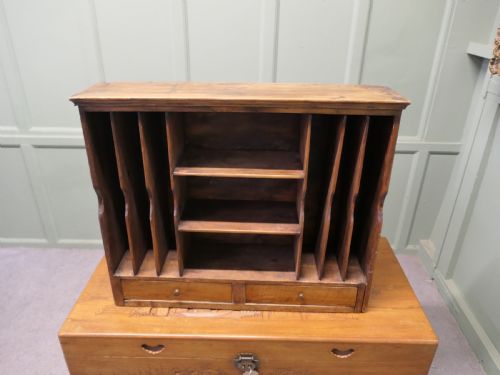
Filing shelves and desktop cabinets also organised business correspondence and household accounts before modern office furniture became standard.
How do I date a Victorian piece?
Victorian items display characteristics typical of the nineteenth century through timber choice, handle design, and construction methods. Mahogany and walnut dominate this era, often accompanied by brass drop handles or turned wooden knobs.
Cabinet makers during this period utilised machine-sawn internal elements alongside hand-cut dovetails, helping to distinguish them from earlier Georgian work.
Where should I place a tabletop cabinet at home?
These compact units sit comfortably on top of writing desks, sideboards, or console tables. Their modest footprints allow them to function in studies, hallways, or living rooms without occupying floor space.
Ensure the placement surface is level and away from direct heat sources to protect historic wood veneers and polished finishes.
How can I tell a miniature chest from a standard chest?
Miniature chests are scaled-down versions built to sit on tables rather than the floor. Their overall dimensions, drawer proportions, and internal capacities indicate they were designed for tabletop use.
Many nineteenth-century examples functioned as apprentice pieces or desktop storage for small valuables rather than full-scale clothing storage.