
Brown Centre Table
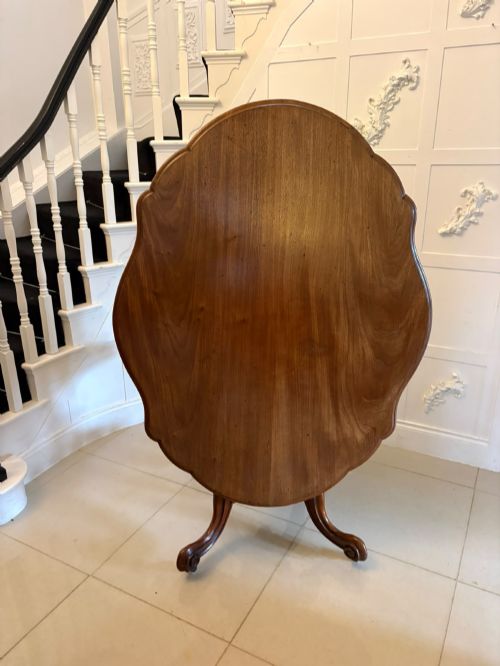
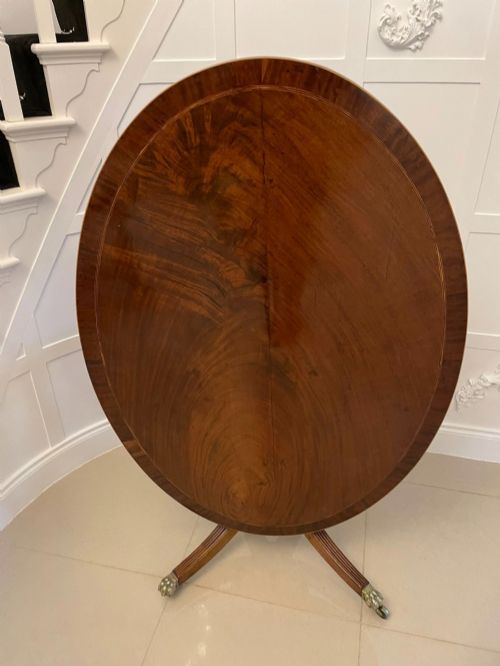
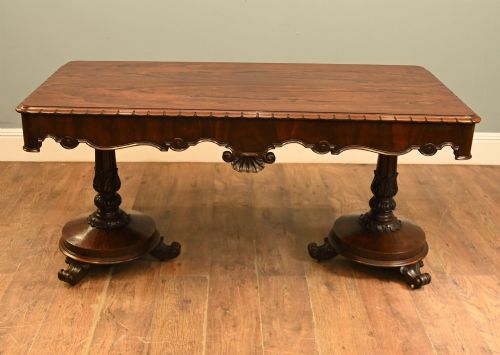
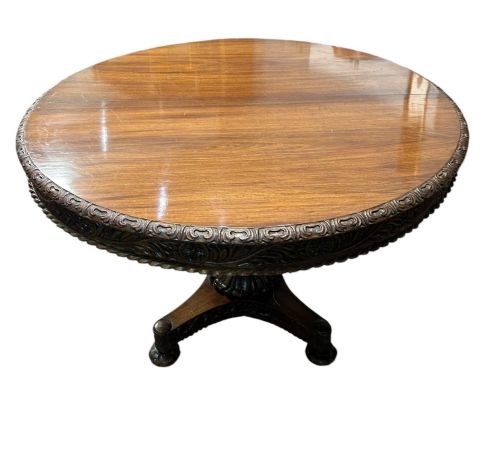
A brown centre table stands independently in a room, offering a functional surface shaped from walnut, mahogany, or rosewood.
Brown Centre Table
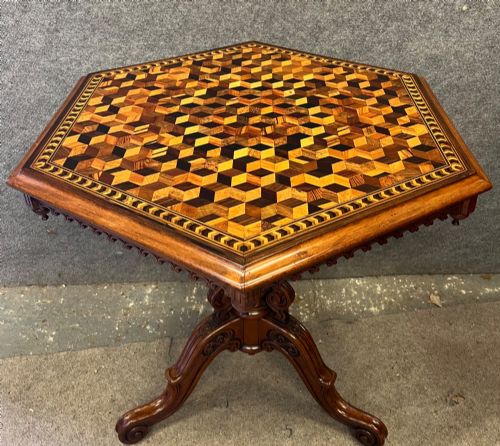
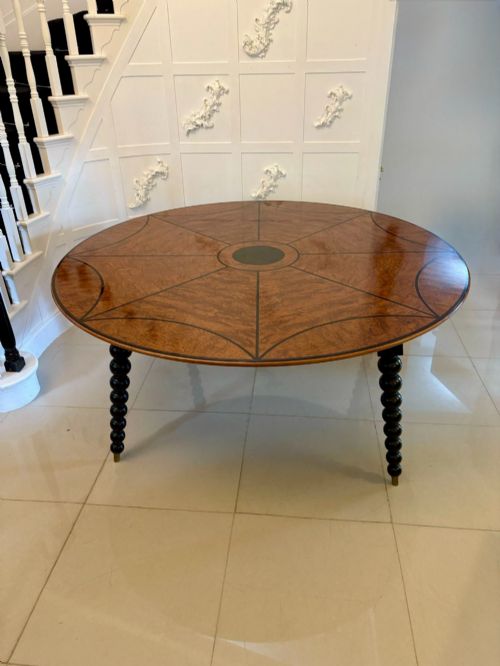
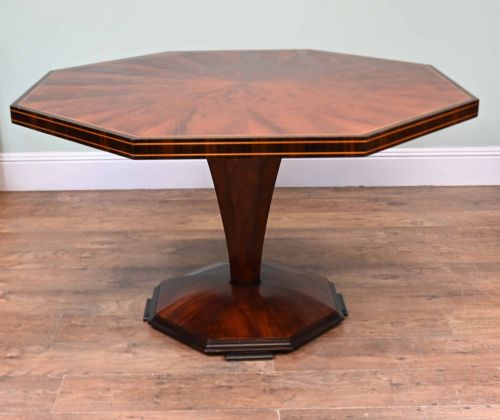
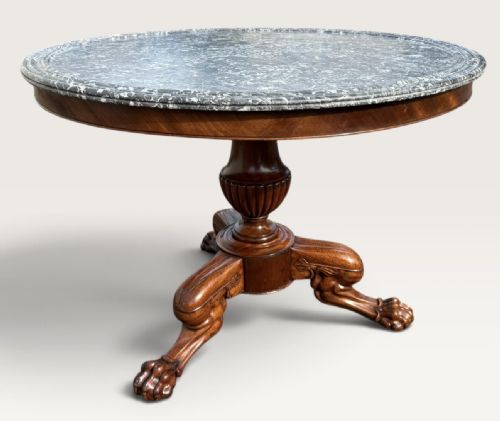
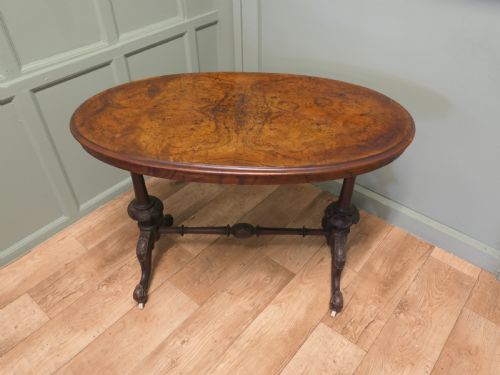
A brown centre table is a freestanding piece designed to be viewed from all sides, commonly placed in the middle of a room rather than against a wall. These surfaces appear in circular, oval, octagonal, and rectangular forms across periods such as the Georgian, Regency, and Victorian eras.
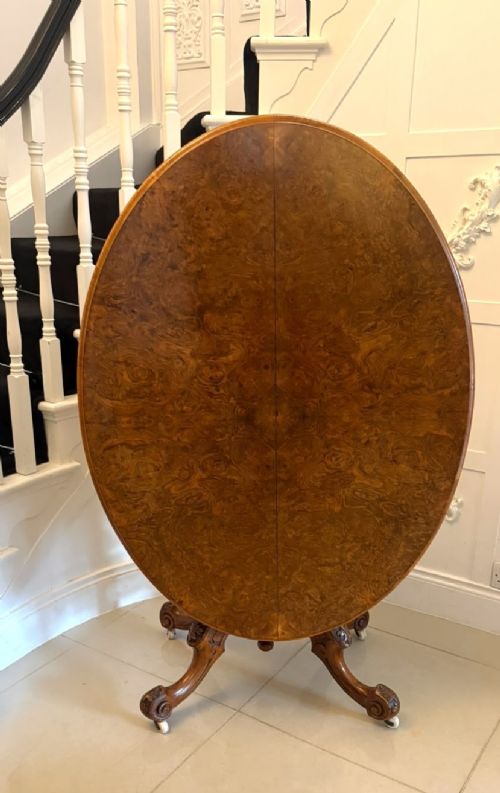
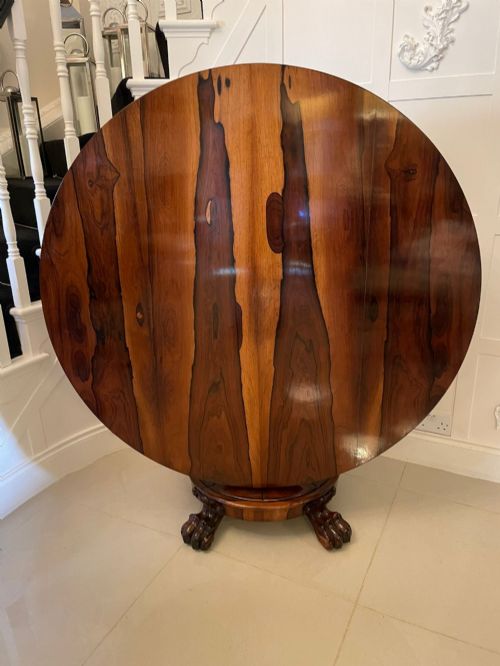
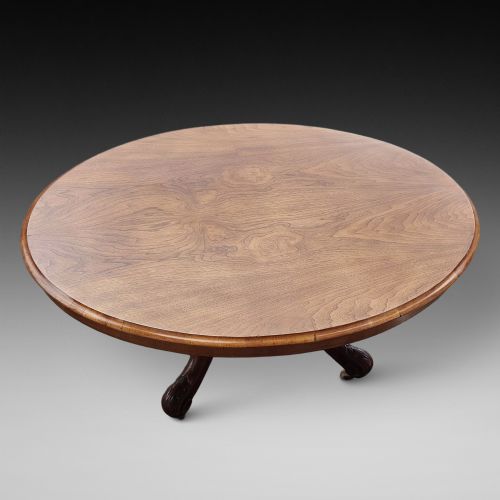
The version most frequently met on this page is constructed from figured mahogany, burr walnut, or rosewood. Such tables often function as dining surfaces, library desks, or occasional stands depending on their height and top configuration.
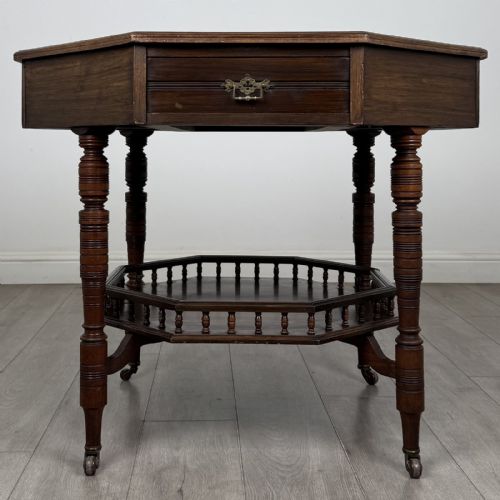
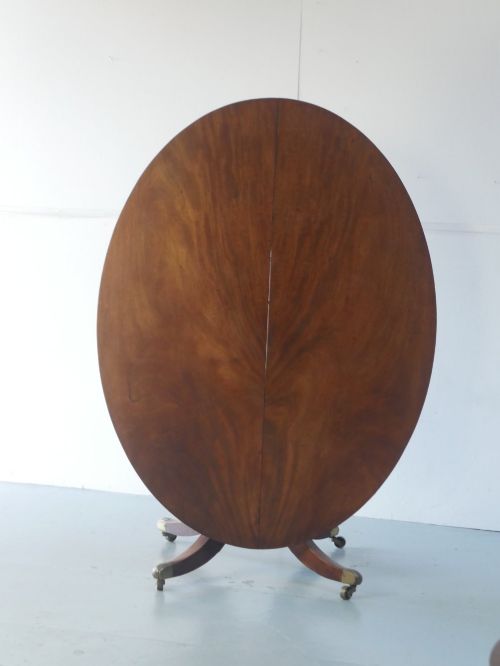
Makers shaped these brown centre tables with turned, carved, or pedestal supports, sometimes incorporating tilt-top mechanisms or lower galleried shelves. Their timber tones range from deep reddish-brown mahogany to richly figured golden-brown walnut.
How they were made
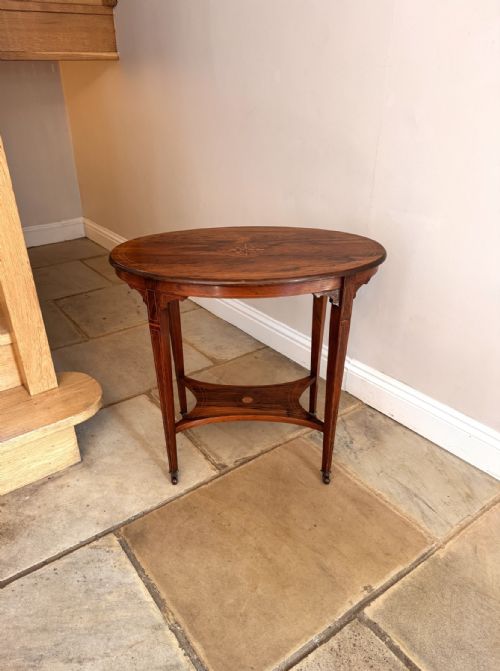
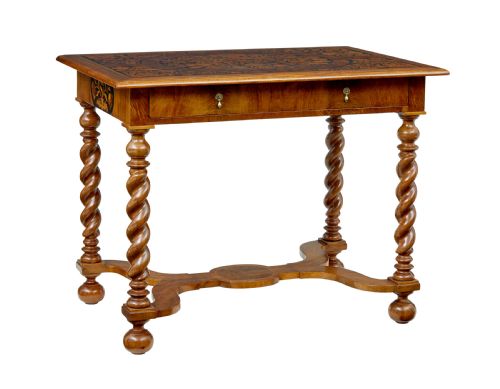
Cabinetmakers constructed these brown centre tables using solid timbers and decorative veneers applied to secondary woods. Walnut and mahogany formed the primary structural bodies, frequently enriched with boxwood inlay, marquetry, or parquetry patterns.
Metal components such as brass inlays, ormolu mounts, and castors appeared on finer examples, particularly during the Regency and Victorian periods. Carved details were executed by hand on legs, pedestals, and friezes using hardwoods like oak, walnut, and rosewood.
Listings feature mahogany, walnut, burr walnut, and rosewood timbers across 19th-century, Victorian, and Regency periods.
What varies in quality
The selection of timber grain separates ordinary examples from superior ones, with highly figured burr walnut, faded rosewood, and dense mahogany commanding attention. The crispness of hand-carved ornamentation and the precision of inlaid boxwood or marquetry details further distinguish finer workshops.
Construction methods determine durability and finish, visible in the seamless joining of tilt-top mechanisms, the stability of central pedestals, and the integration of ormolu mounts or brass stringing. Tables exhibiting careful attention to secondary timbers and stable framing represent the higher tier of production.
Gillows·Francois Linke
The Brown Centre Table Glossary
- Centre table
- A freestanding table finished on all sides intended to stand away from walls. These pieces serve multiple domestic functions including dining and display.
- Tilt-top
- A hinged table top that pivots to a vertical position for storage or space-saving. This mechanism is frequently found on circular dining and occasional tables.
- Marquetry
- Decorative veneer work forming pictorial or geometric patterns using various woods. Craftsmen cut contrasting timbers to create detailed surface designs.
- Ormolu
- Gilt-bronze mounts applied to furniture for ornamentation. This material appears on French-influenced tables from the nineteenth century.
- Sofa table
- A rectangular occasional table with drop leaves designed to stand in front of a sofa. They typically feature two small drawers in the frieze.
Brown Centre Table: Frequently Asked Questions
Where should a brown centre table go?
These tables are designed to stand in the middle of a room rather than pushed against a wall. Because they are finished on all sides, they act as focal points for conversation or display.
Placement depends on the height and form, with larger circular versions suiting entrance halls and rectangular or oval variants working well in sitting rooms.
How do I identify a Victorian brown centre table?
Victorian examples often feature rich burr walnut, figured mahogany, or rosewood veneers combined with heavy carved pedestals or turned legs. Many incorporate tilt-top mechanisms or inlaid marquetry.
Proportions tend to be robust, and details frequently reflect revival styles ranging from Louis XV to Elizabethan motifs.
Can a brown centre table be used for dining?
Many circular and oval examples from the Regency and Victorian periods were built specifically as dining or centre tables. Their sturdy pedestals allow chairs to tuck underneath easily.
Height and diameter are the key indicators for dining utility, alongside stable top construction and reliable tilt mechanisms where present.
What is the difference between a centre table and a library table?
A library table generally incorporates drawers within the frieze for storing writing materials and books. Centre tables focus more on decorative timber tops and freestanding display capabilities.
Library tables often date from the Georgian, Regency, and William IV periods and tend to have rectangular or oblong top shapes.