
Brown Animal Portrait Painting
Brown animal portrait painting brings the character of individual dogs, horses, and livestock into domestic interiors through the medium of oil and canvas.
Brown Animal Portrait Painting
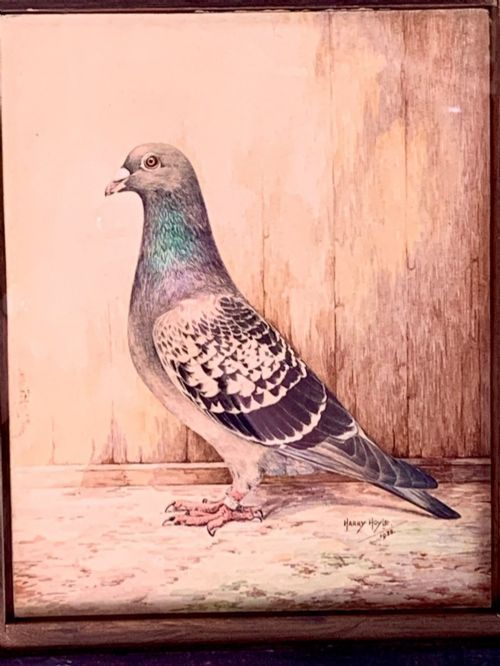
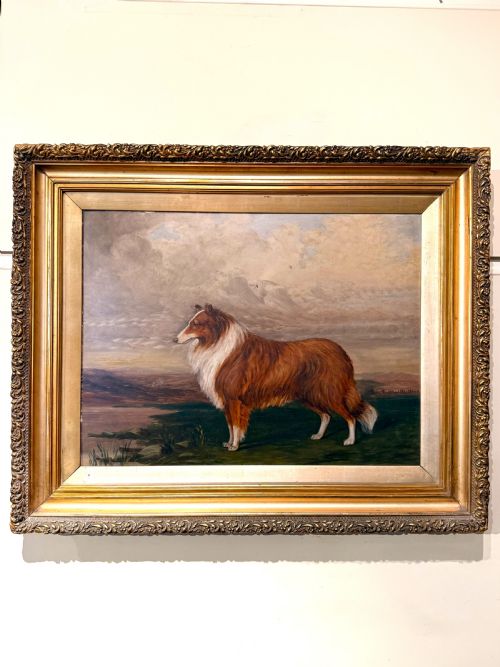
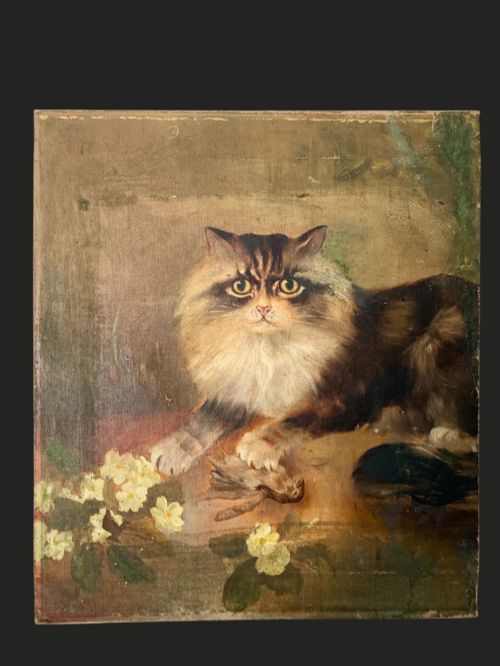
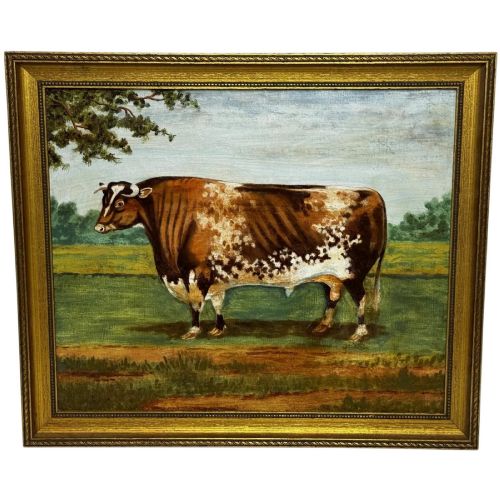
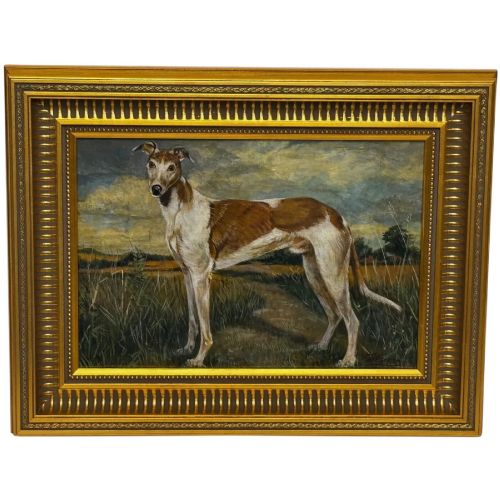
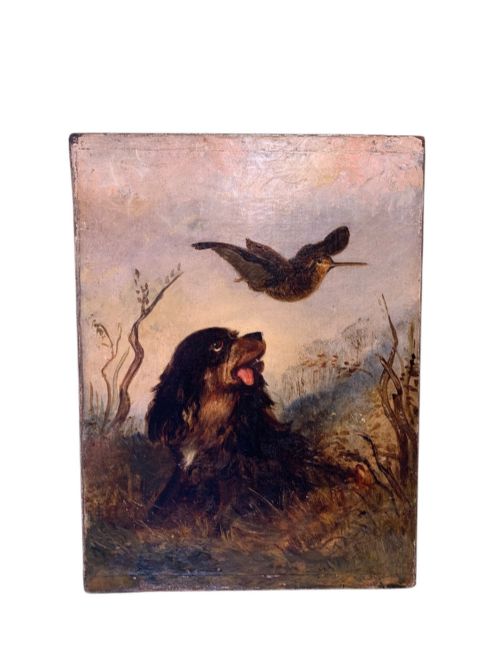
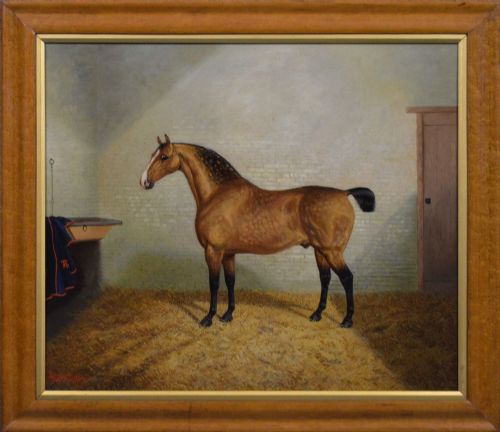
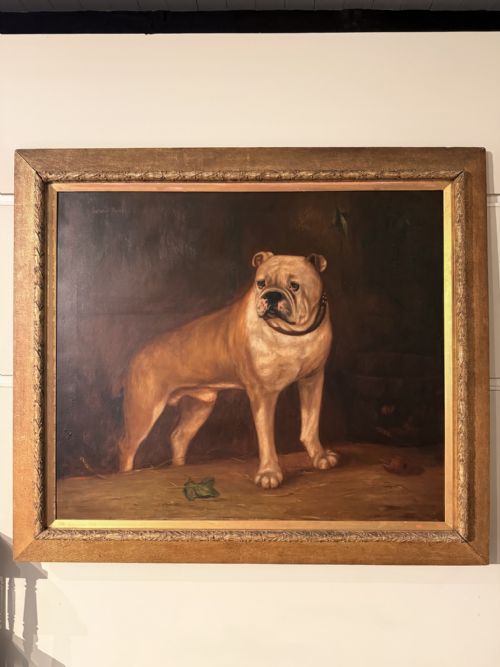
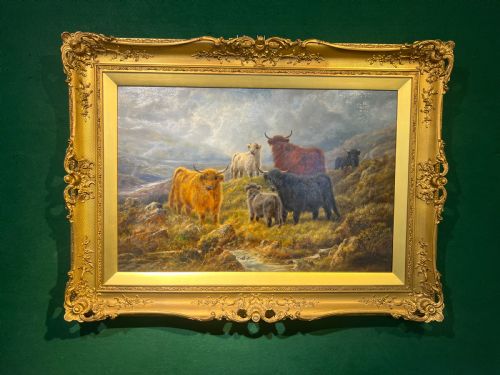
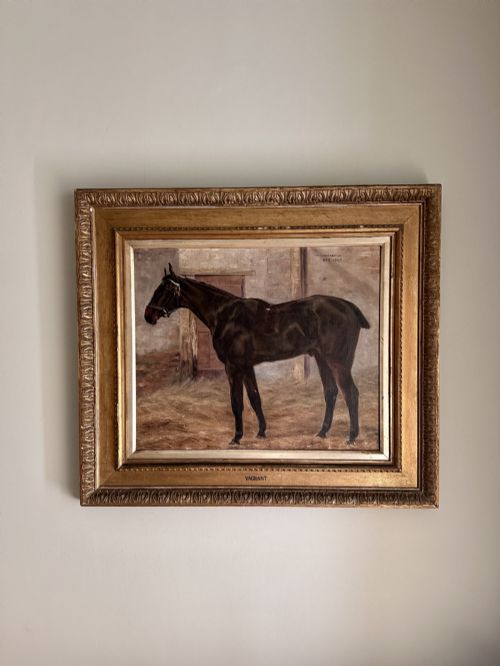
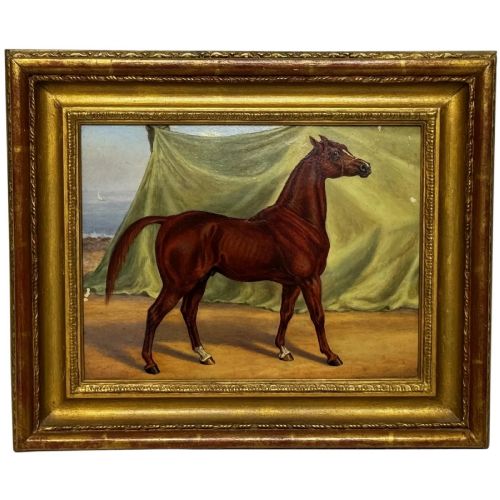
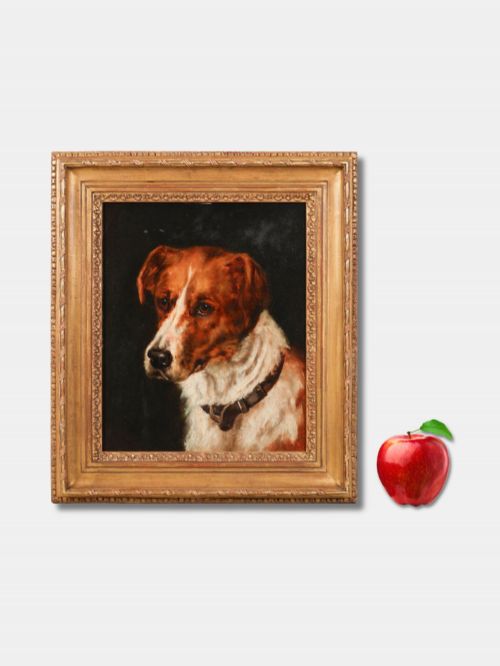
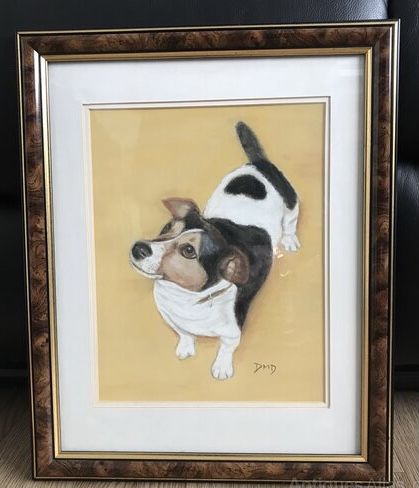
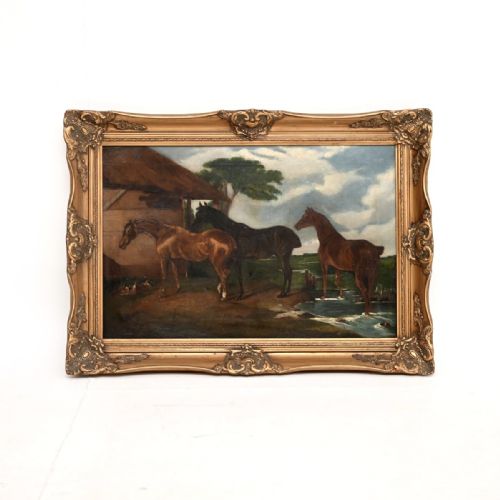
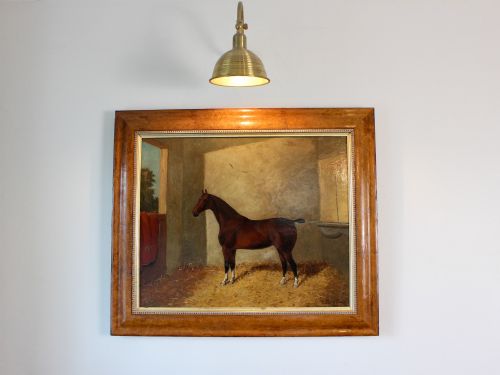
A brown animal portrait painting typically focuses on domestic or working animals, most frequently dogs and horses rendered with distinct individuality. These works span the Georgian, Victorian, and Edwardian eras, encompassing both formal equine commissions and intimate studies of terriers, spaniels, and farm animals.
The most common version met on this page is the oil painting on canvas or board, originating from British schools of painting. Subjects range from named prize-winning bulls and racehorses to domestic cats and gun dogs resting in landscapes.
Materials and Technique
Artists painted primarily in oil paint upon prepared canvas or wood boards, occasionally employing watercolour and pastel for works under glass. Canvases were secured in timber frames, often embellished with gold leaf and giltwood surrounds.
The technique relies on the careful build-up of pigment to capture the texture of fur, coat sheen, and anatomical proportion. Ground layers supported nuanced glazes that gave depth to the animal's eyes and the surrounding landscape.
Listings feature works spanning from the Georgian period through the 1940s, executed in oil on canvas, oil on board, and watercolour.
Quality and Execution
Execution rests heavily on the artist's command of anatomy and the psychology of the subject. Finer works capture specific bone structure, musculature, and expression rather than relying on generic representations of a breed.
The sophistication of the background and handling of light further differentiate the range. Superior examples integrate the animal naturally into its environment, while lesser pieces treat the subject and setting as disconnected elements.
Albert Clark·Fred Fitzpatrick·John Emms·LM Webb·E H Windred·Samuel Raven·Sir Edwin Landseer·Valentine Thomas Garland·John Trivett Nettleship·Helena Maguire·Samuel Spode·Fannie Moody·Robert Cleminson
The Brown Animal Portrait Painting Glossary
- Naive school
- Art produced by individuals without formal academic training, often characterised by flat perspective and direct charm. These works rely on honest observation rather than strict proportion.
- Giltwood
- Timber carved and coated with gold leaf or metallic powder to create a reflective frame. It defines the presentation of many nineteenth-century works.
- Equine portrait
- A painting dedicated specifically to the likeness of a horse, frequently commissioned for racehorses and hunters. Such pieces often record the animal's name and pedigree.
- British school
- A classification for works produced by artists active in Britain, sharing regional training traditions and stylistic influences. It groups painters of varying formal pedigree under a broad national banner.
Brown Animal Portrait Painting: Frequently Asked Questions
What animals appear in these portraits?
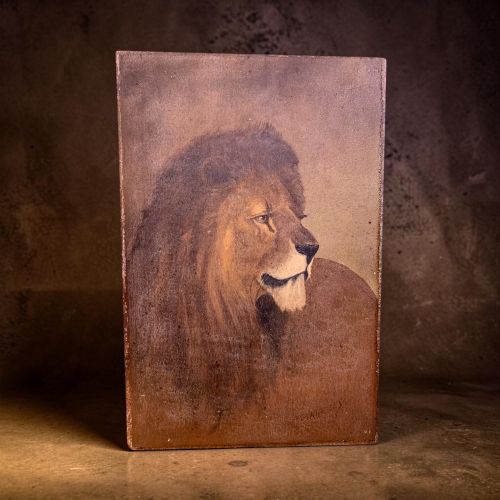
The subjects are predominantly domestic and working animals, with horses and dogs forming the vast majority of the depicted forms. Viewers will also encounter cattle, sheep, lions, and cats.
Artists recorded specific named animals, such as prize bulls, racehorses, and working gun dogs, alongside anonymous pets and farm animals.
How do I identify the period?
Dating relies on stylistic clues, framing conventions, and the physical characteristics of the canvas or board. Victorian and Edwardian works often feature specific framing styles and distinct handling of animal anatomy.
Signatures, inscriptions on the reverse, and recorded artist working dates help narrow the creation window to a specific decade.
Where were these paintings displayed?
Original owners hung these portraits in country houses, estate offices, and stables to commemorate valued animals, hunting companions, and agricultural achievements.
Today, they transition easily into modern domestic spaces, bringing historical character to studies, hallways, and living rooms.
What is naive folk art?
Naive folk art describes paintings created outside the established academic tradition, often by self-taught artists who prioritized direct expression over strict proportion.
These pieces possess an unpretentious charm and straightforward honesty that sets them apart from formal Victorian sporting art.