


Yellow Oil Portrait Artwork
Yellow oil portrait artwork brings warmth and presence to a room, ranging from eighteenth-century French elegance to mid-century abstraction.
Yellow Oil Portrait Artwork
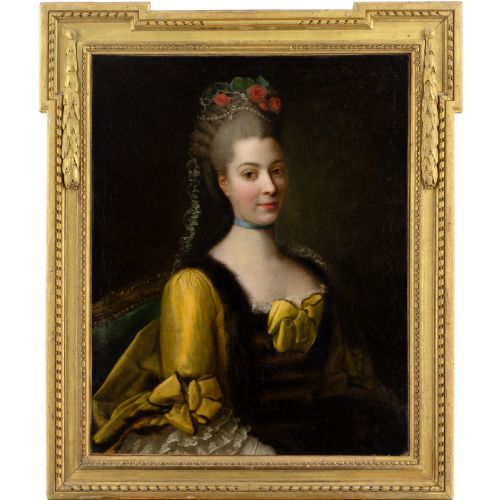
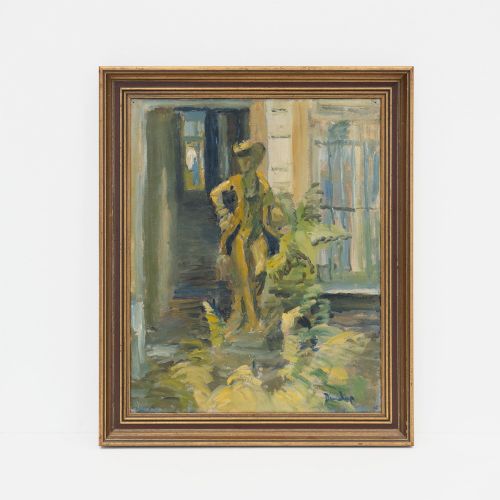
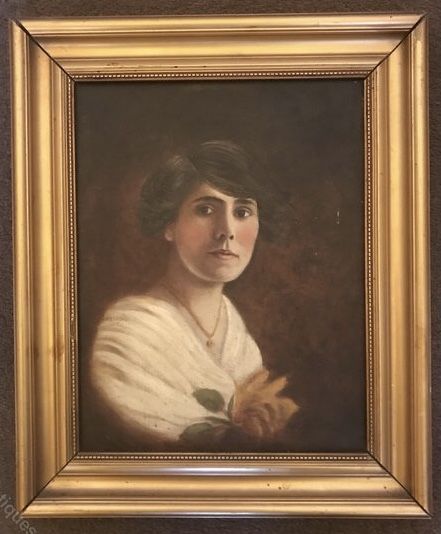
When you search for yellow oil portrait artwork, you encounter oil paintings on canvas and board depicting human subjects and animals, often distinguished by golden or yellow tones within the composition. These pieces span from the eighteenth century through the Edwardian era to the mid-twentieth century.
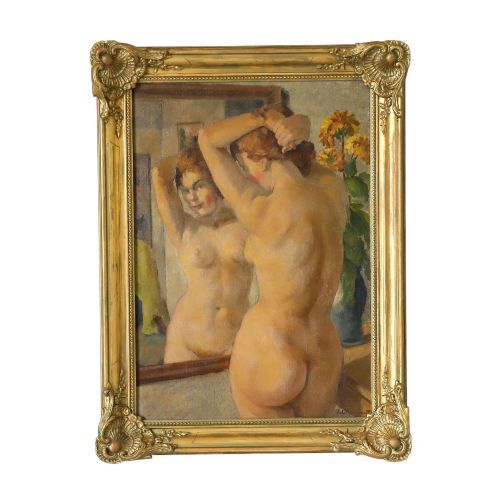
The selection here encompasses traditional realism, 18th century French styles, expressionism, and mid-century modern works. You are most likely to meet portraits of elegant women, children, and historical figures housed in original frames.
The forms range from fine art wall paintings to framed canvases, capturing subjects such as artists' daughters, ladies in satin evening dresses, and seated nudes.
What varies in quality
Quality rests on the confidence of the brushwork and the expressive handling of the subject, where masterly portraitists capture psychological depth alongside likeness. The integration of the yellow palette within the composition distinguishes ambitious works from standard decorative pieces.
The survival of the original support, whether canvas or board, and the condition of the pigment layer determine the integrity of the piece. Period frames that match the age and origin of the painting elevate the overall standard.
Listings span from the eighteenth century to the mid-twentieth century, employing oil paint on canvas and wood board.
Philippe de Rougemont·Ronald Ossory Dunlop·Pinchus Krémègne·Balthasar Denner·Gaston Bouy·Lucy Kemp-Welch·Sidney Riesenberg
The Yellow Oil Portrait Artwork Glossary
- Oil on Canvas
- Pigment mixed with drying oil applied to a woven fabric support stretched over a wooden frame. This medium allows for rich blending of colours and texture.
- Giltwood Frame
- A wooden moulding coated in gold leaf or gilt preparation, designed to house and complement a painting. These surrounds often reflect the specific decorative style of the artwork's period.
- Expressionism
- A modernist style where the artist distorts reality for emotional effect through bold brushwork and intense colour. This approach appears in mid-twentieth-century portraits.
- Rococo
- An eighteenth-century style characterised by ornate detail, lightness, and curved forms. Works from this tradition often display soft palettes and elegant subject matter.
Yellow Oil Portrait Artwork: Frequently Asked Questions
How do I date a yellow oil portrait?
Dating relies on the style of dress, the handling of the paint, and the preparation of the canvas or board. Eighteenth-century works display different canvas textures and framing conventions compared to mid-century pieces.
Examining the artist's signature and comparing the frame construction to known period examples also helps establish the era of creation.
Are these portraits painted from life?
Many formal portraits from the eighteenth and nineteenth centuries were painted from life during formal sittings. Later twentieth-century works often interpret subjects through more expressive or modern lenses.
The immediacy of the brushwork frequently indicates whether the artist worked directly from a live sitter.
How should I hang an oil portrait?
Oil paintings on canvas require stable indoor environments away from direct sunlight and excessive humidity. Hanging them at eye level allows the viewer to appreciate the brushwork and tonal details.
Ensure the wall fixings are secure and appropriate for the weight of the frame and canvas support.
What subjects appear in these portraits?
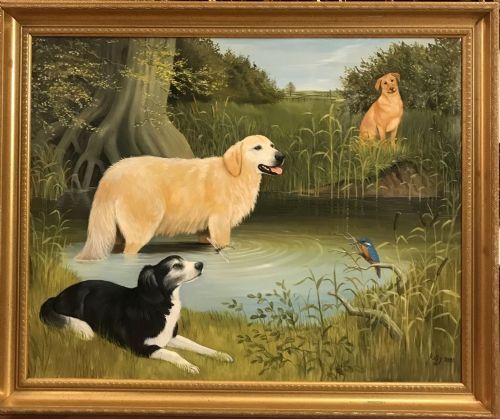
Subjects range from aristocratic women in yellow dresses and artists' daughters playing instruments to nudes and air aces in cockpits. Animals such as border collies and golden retrievers also feature in the selection.
Each subject reflects the social context and artistic conventions of its respective period.