
Brown Animal Canvas Art
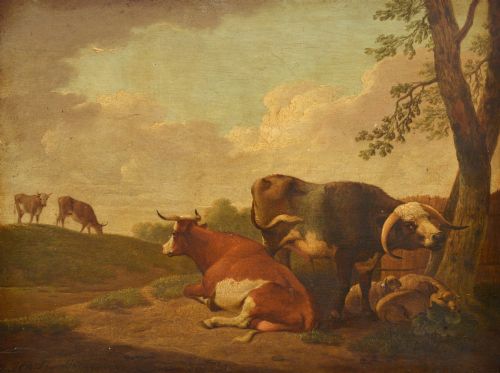
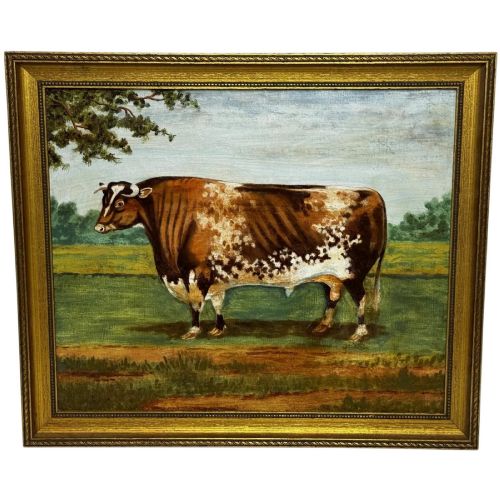
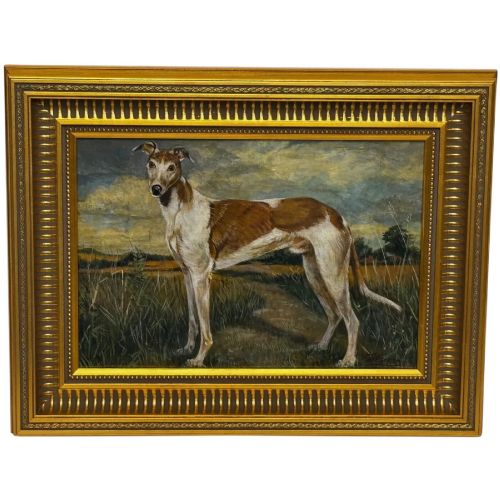
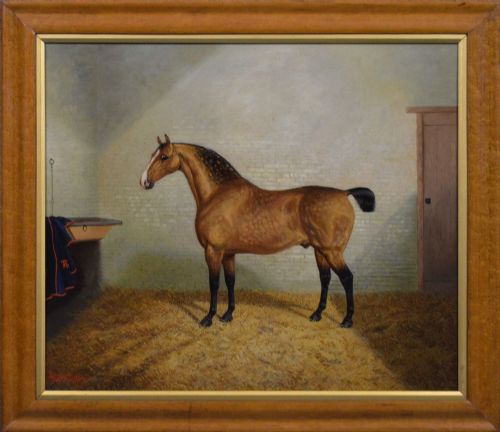
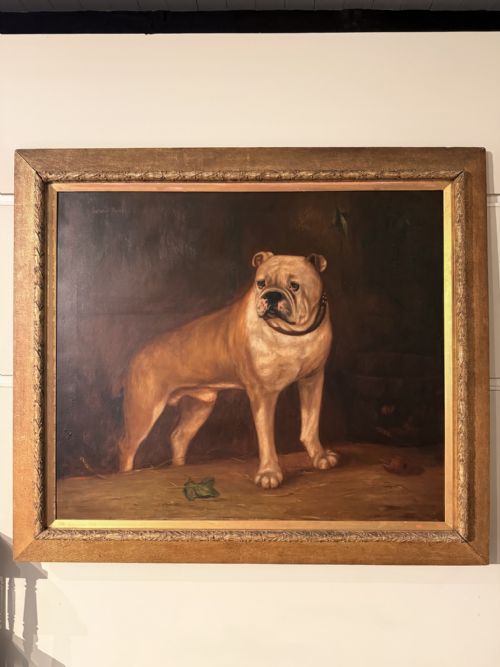
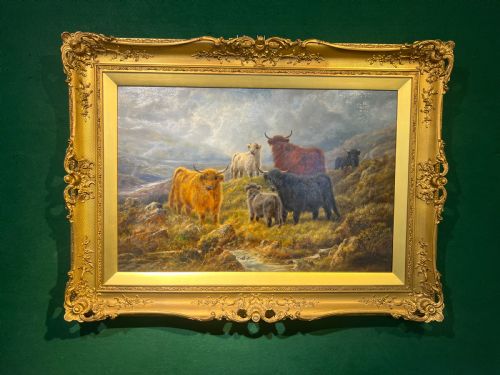
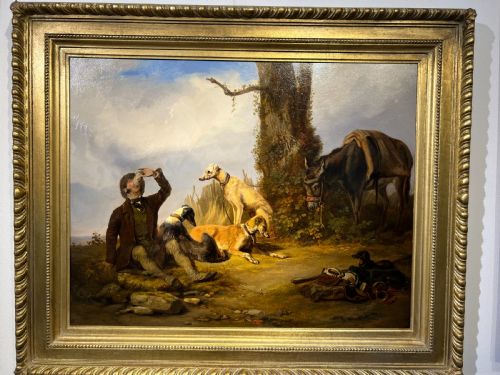
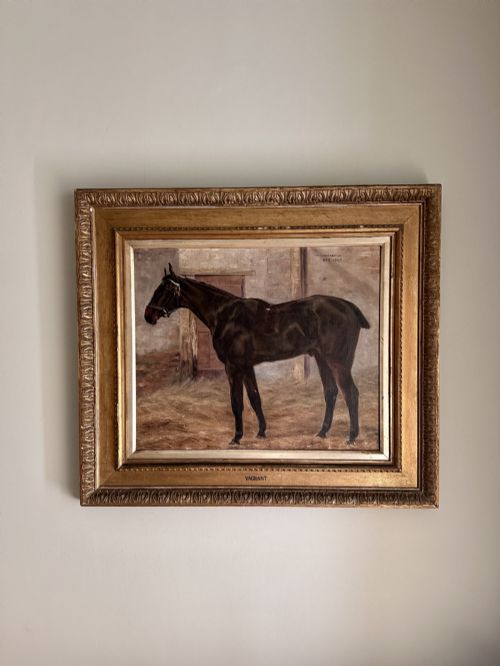
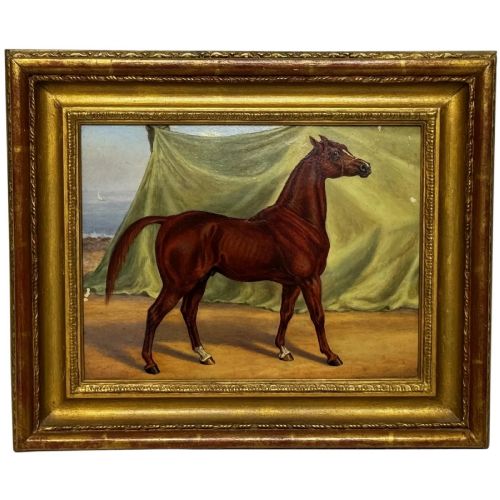
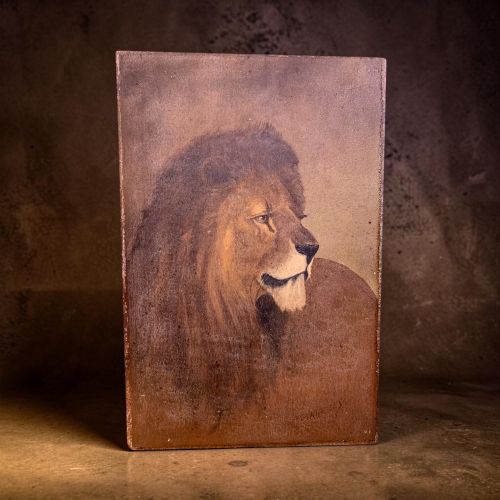
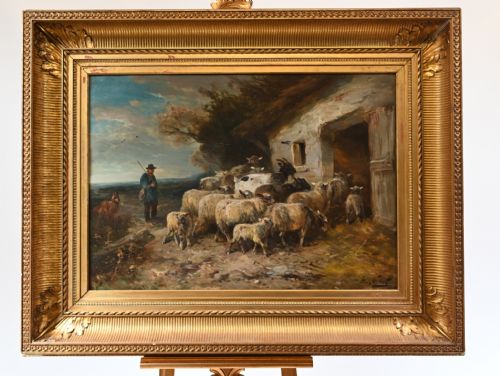
Brown animal canvas art spans centuries of oil painting on canvas, capturing hounds, cattle, horses and fowl in framed works.
Brown Animal Canvas Art
These works consist primarily of oil paintings on canvas depicting creatures ranging from prize cattle and farmyard sheep to hunting hounds, horses and domestic pets. The phrase brown animal canvas art describes traditional painted depictions where natural earthy tones dominate the palette of fur, feather and landscape.
The selection on this page relies on periods stretching from the 17th century through the Victorian era into the early 20th century. Buyers will frequently encounter Victorian sporting art, naive folk portraits and pastoral landscapes featuring livestock within these listings.
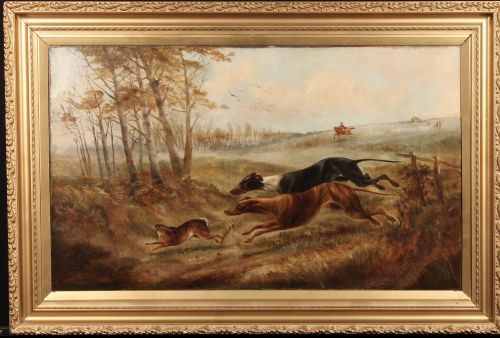
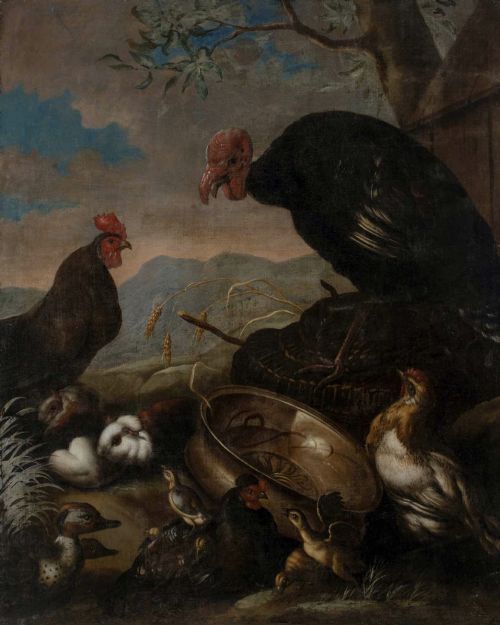
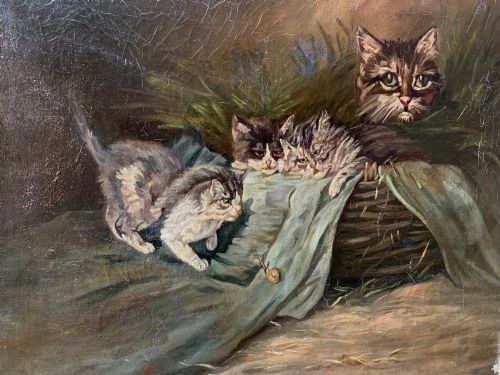
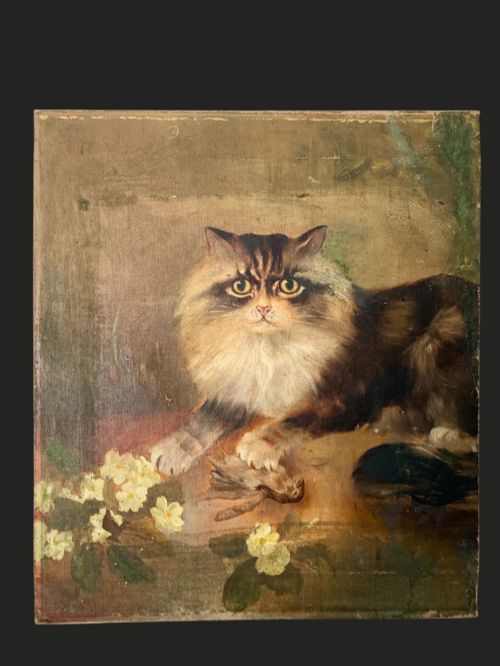
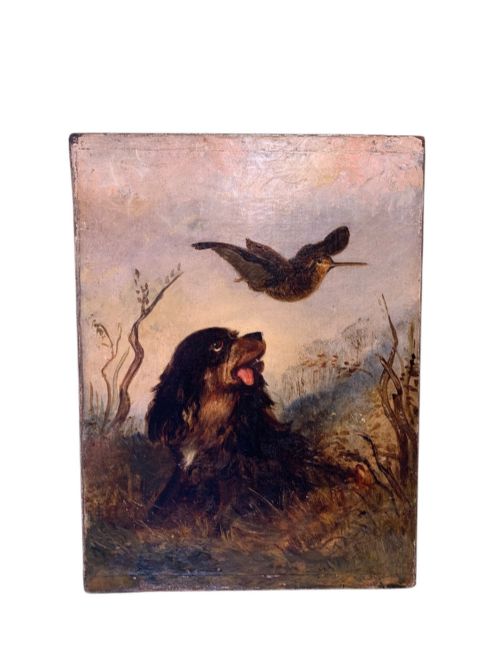
Subjects appear individually or in groups, placed within rural settings, farmyards, stables or castle ruins. Works include depictions of specific named racehorses, working collies, spaniels and wild fowl rendered by named artists and regional schools.
Materials and Construction
Artists painted using oil paint applied to woven canvas supports, often stretched over wooden frames and housed in decorative gilt wood mouldings. The combination of oil medium and canvas allowed for rich layering of earthy browns, ochres and greens to build depth in animal coats and natural scenery.
Many pieces retain their original or period gilt frames which complement the dark tones of the canvases. Wood and gold leaf feature heavily in the framing techniques used to finish these historical fine art paintings.
Listings feature oil on canvas mediums set in gilt wood frames, spanning the 17th century through the Edwardian period.
Assessing Quality and Execution
Execution of anatomical detail and psychological expression separates standard decorative pieces from superior works by accomplished animal artists. Master painters captured the texture of a dog coat or the musculature of a horse with precision, whereas naive school works rely on simpler stylistic proportions.
The integration of the subject within its background landscape dictates overall artistic success. Stronger compositions balance the light on the animal with the surrounding environment, utilising tonal contrast rather than flat application.
George Armfield·Angelo Maria Crivelli·Hendrik Willem Schweickhardt·Albert Clark·Sir Edwin Henry Landseer·Fred Fitzpatrick·Henry Schouten·John Emms·Henry Robinson Hall·Samuel Joseph Clark·Marmaduke Cradock·John Frederick Herring
The Brown Animal Canvas Art Glossary
- Canvas
- A heavy woven fabric used as a surface for oil painting. It is typically stretched tightly over a wooden frame before work begins.
- Gilt Wood
- Wood that has been treated with a thin layer of gold leaf or metallic gilt finish. Frames of this material are common in historical paintings.
- Sporting Art
- A genre of painting dedicated to depicting field sports, hunting dogs, horses and livestock. This style flourished particularly during the Victorian period.
- Naive School
- Art produced by individuals with little formal training, characterised by flat perspective and direct expression. These works often carry charm through their unvarnished approach to form.
Brown Animal Canvas Art: Frequently Asked Questions
What periods do these paintings come from?
The works span from the 17th century through the Georgian and Victorian eras up to the early 20th century. They reflect the changing tastes in animal portraiture and sporting art over three hundred years.
Earlier examples often lean towards Dutch and Flemish influences, while later 19th-century pieces capture British agricultural and sporting subjects in pastoral settings.
How should I hang these framed canvases?
These oil paintings require stable indoor environments away from direct sunlight and excessive moisture to protect the canvas and gilt wood frames. Hanging them securely on sturdy wall anchors is essential given the weight of the traditional wooden framing.
Pairing them with traditional lighting helps highlight the dark earth tones and brushwork characteristic of historical animal portraiture.
How do I identify naive school works?
Naive school paintings display a simpler, less academic approach to perspective, proportion and anatomy compared to formal academic art. The brushwork tends to be direct and unpretentious, focusing on the character of the animal rather than strict anatomical accuracy.
These pieces often date from the 19th century and offer a charming, unpolished record of farm animals and household pets.
What is sporting art?
Sporting art is a genre focused on country pursuits, horses, hounds, shooting and fishing. In these listings, it encompasses Victorian paintings of hunting dogs, racehorses and game in natural landscapes.
Artists specialising in this genre documented prized livestock and working animals with careful attention to breed characteristics.