




Antique Natural History Picture
An antique natural history picture brings the observation of birds, animals, and insects straight to the wall in framed watercolour, engraving, or taxidermy.
Antique Natural History Picture
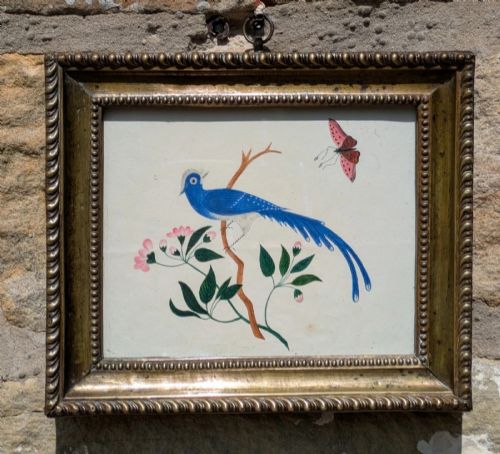
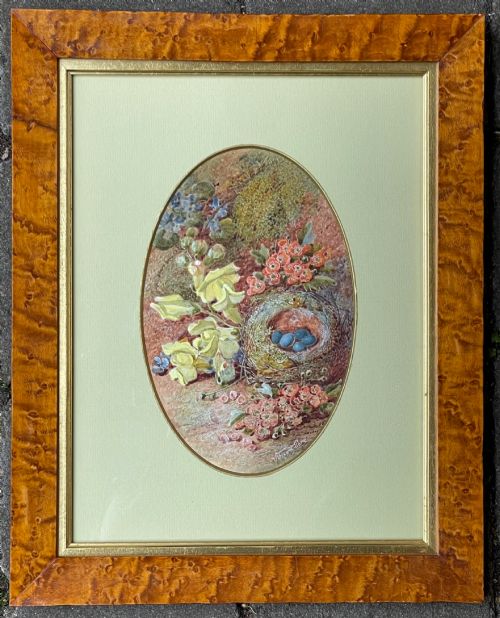
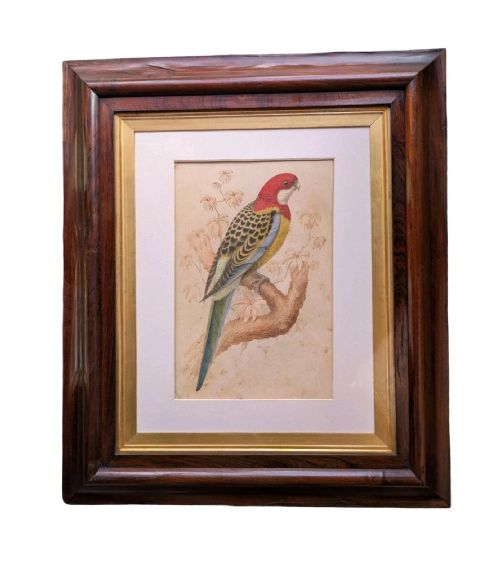
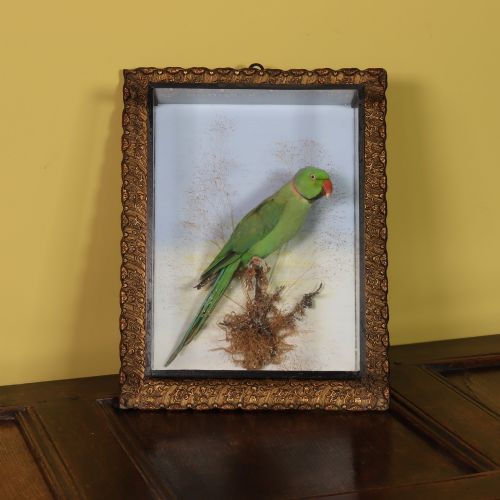
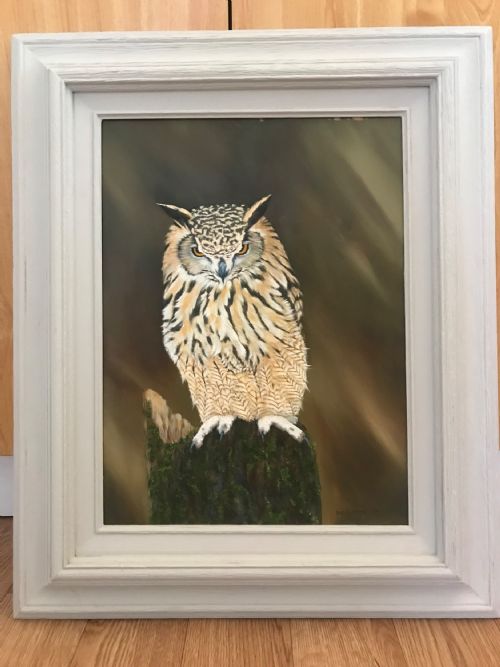
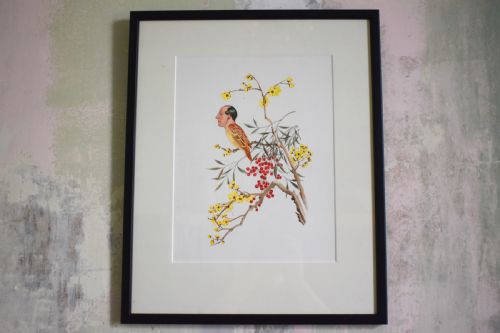
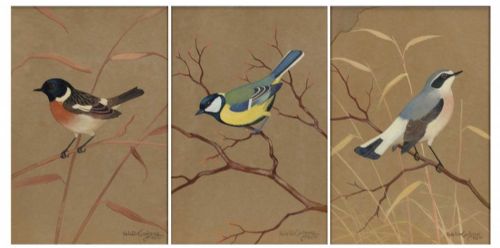
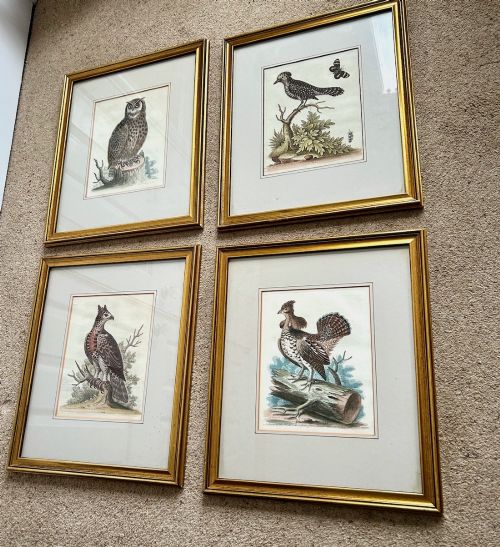
An antique natural history picture spans framed watercolours, hand-coloured lithographs, engravings, and taxidermy cases depicting birds, animals, and insects. These works capture scientific observation through an artistic lens, reflecting centuries of documenting the natural world.
The selection ranges widely across periods, encompassing Georgian and Regency ornithological studies alongside Victorian watercolours and Edwardian bird prints. Domestic subjects such as garden birds and squirrels sit alongside exotic parrots and anatomical studies.
Framing plays a defining role in how these pieces appear today, with many surviving in period ebonised frames, deep giltwood mounts, or original glazed shadow boxes. Buyers meet everything from single intimate watercolours to large matched sets of botanical and zoological prints.
Materials and Technique
Paper forms the primary support for these works, carrying delicate watercolours, detailed copperplate engravings, and early lithographs that often received hand-colouring. Pigments applied to paper required a steady hand, particularly when capturing the subtle plumage of exotic birds or the intricate patterns of butterfly wings.
Frames rely on wood, gold leaf, and gilt, creating distinct borders that protect the fragile paper or taxidermy specimens within. Ebonised finishes and deep giltwood mounts frequently frame watercolours and prints, adding depth and structural support to the display.
Taxidermy cases combine wood, glass, and prepared specimens to present three-dimensional ornithological scenes inside picture frame settings. The construction protects the contents from dust and environmental damage while maintaining a clear view of the mounted subject.
Listings feature paper, glass, wood, and gold leaf applied across watercolours, engravings, lithographs, and taxidermy cases.
Distinctions in Quality
The precision of the draftsmanship and the vibrancy of the remaining pigment separate standard decorative plates from exceptional artistic and scientific studies. Works by named artists or naturalists demonstrate superior anatomical accuracy and finer brushwork.
The integrity of the framing and the preservation of the paper influence the standing of each piece. Original mounts, undisturbed backboards, and frames appropriate to the period maintain the historical context of the artwork.
Vincent Clare·R. Hurst·William Bazeley & Sons·Ralston Gudgeon·George Edwards·Harry Bright·R Lauritsch·Bernhard Siegfried·William Swainson·Eleazor Albin·James Malcolm Stewart·Rev B. Morris
The Antique Natural History Picture Glossary
- Lithography
- A planographic printing method using a stone or metal plate to produce multiple impressions. Artists and publishers utilised this technique to create detailed natural history prints.
- Ornithological
- Pertaining to the branch of zoology that studies birds. These scientific studies focus on accurate plumage and anatomical detail.
- Ebonised
- Wood finished to resemble ebony through staining or painting. This dark treatment frequently appears on nineteenth-century picture frames.
- Giltwood
- Wood coated with gold leaf or gold paint. Deep giltwood mounts enhance the visual weight of framed watercolours and prints.
- Taxidermy
- The art of preparing, stuffing, and mounting the skins of animals for display. Picture frame cases present these specimens in shallow wall-hanging boxes.
Antique Natural History Picture: Frequently Asked Questions
What is an antique natural history picture?
These pieces comprise framed watercolours, engravings, lithographs, and taxidermy cases documenting birds, animals, and insects from past centuries. They combine scientific observation with decorative art.
Created across the eighteenth, nineteenth, and early twentieth centuries, they reflect the period fascination with natural philosophy and zoology.
How were these pictures originally used?
Naturalists, scholars, and affluent households kept these works in libraries, studies, and drawing rooms for reference and visual enjoyment. Bound folios and loose plates were frequently framed for display.
Taxidermy cases and detailed watercolours served to bring specimens of foreign and domestic wildlife into the domestic interior.
How do I care for framed paper and taxidermy?
Keep these pieces away from direct sunlight to prevent the fading of watercolours, hand-coloured lithographs, and delicate feathers. Stable indoor humidity protects both fragile paper supports and taxidermy mounts.
Glazed frames protect the contents from dust and handling, requiring only occasional gentle cleaning of the glass exterior.
How can I tell the period of a piece?
The paper stock, printing technique, and framing style offer clear indications of a work's age. Hand-coloured engravings and early watercolours often display distinct watermark papers and period mountings.
Stylistic cues in the calligraphy, signatures, and framing materials align with Georgian, Regency, Victorian, or Edwardian manufacturing methods.