
Bronzed Metal Vases
These bronzed metal vases bring weight and classical form to a room, ranging from Japanese Meiji period castings to French Grand Tour urns.
Bronzed Metal Vases
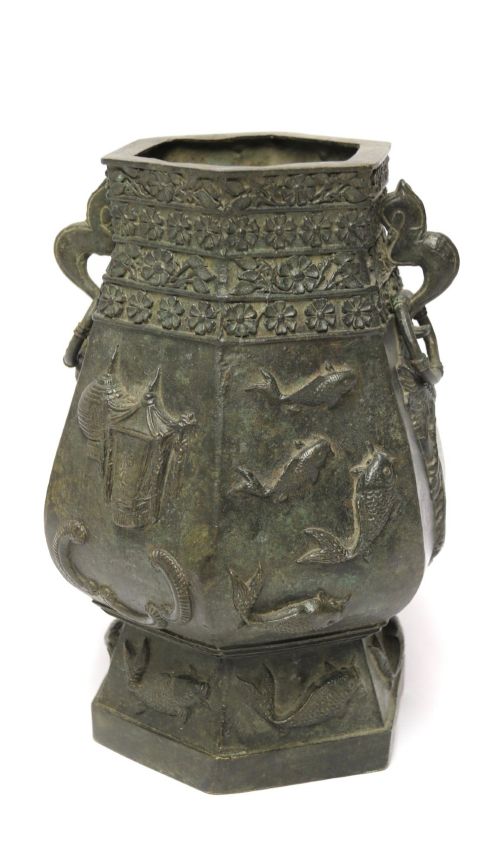
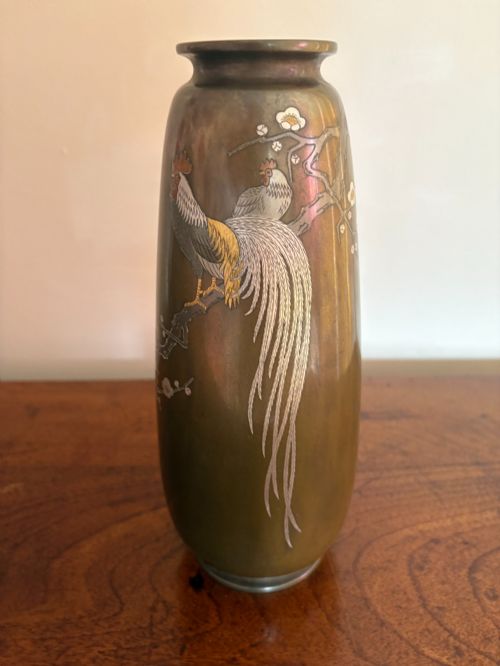
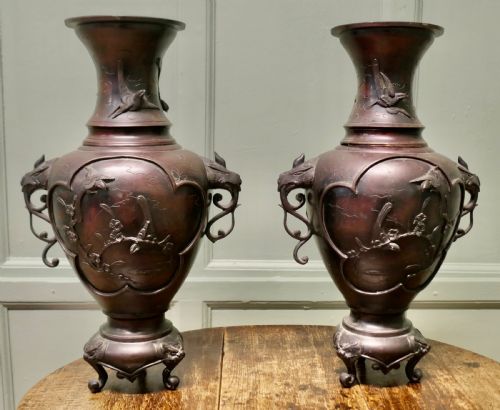
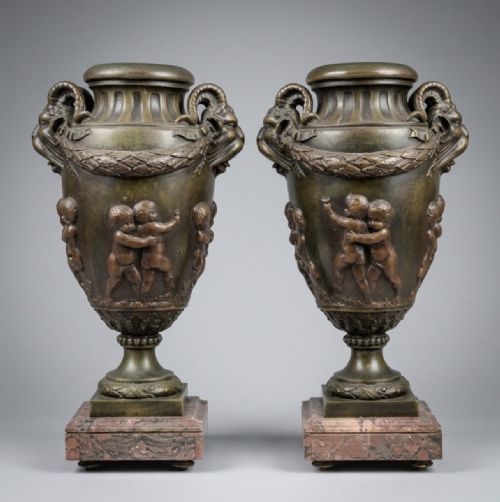
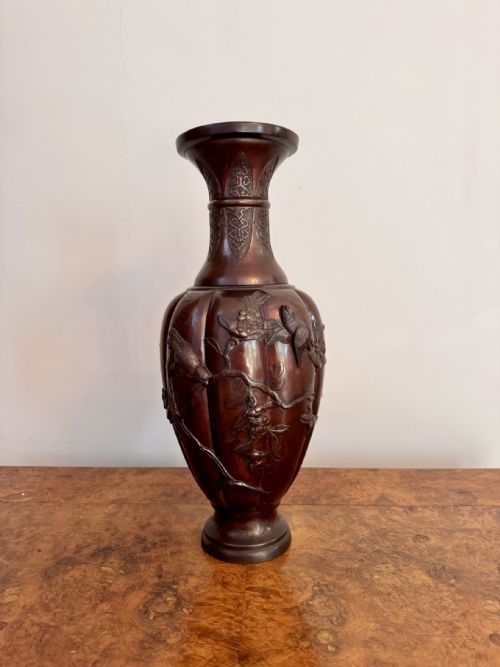
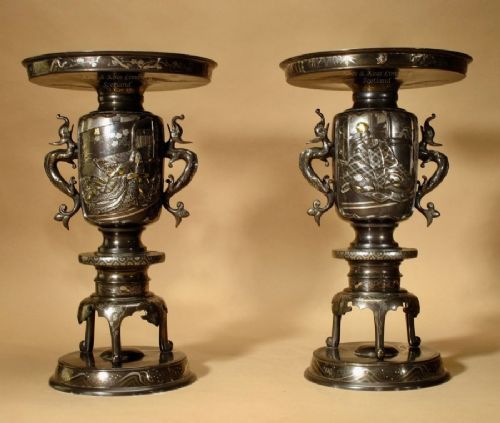
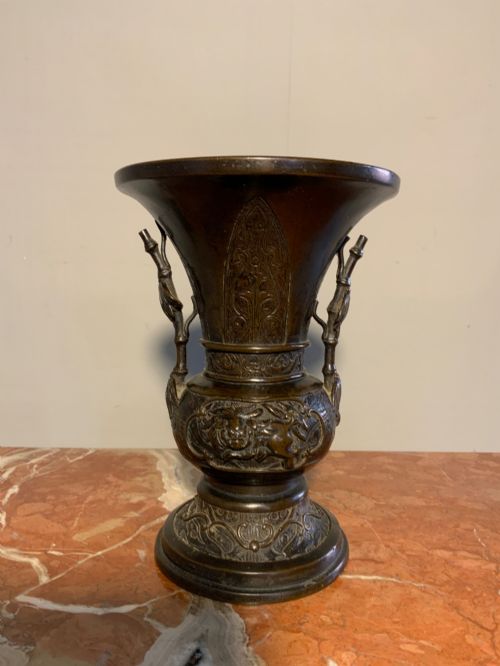
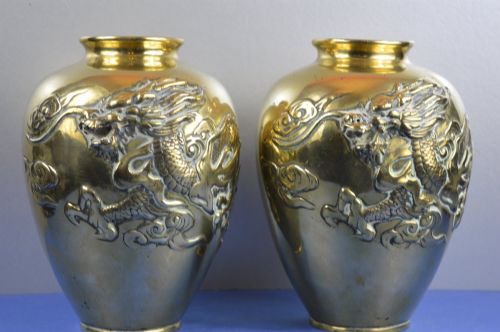
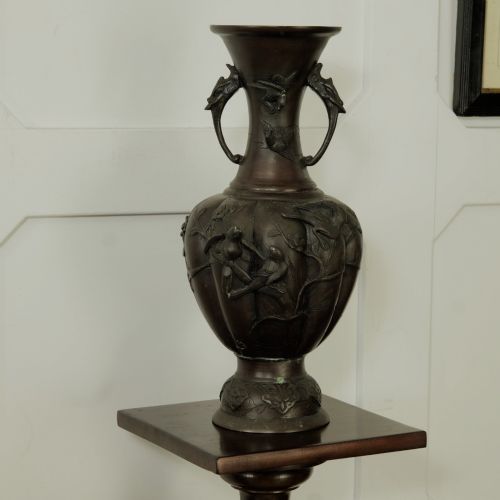
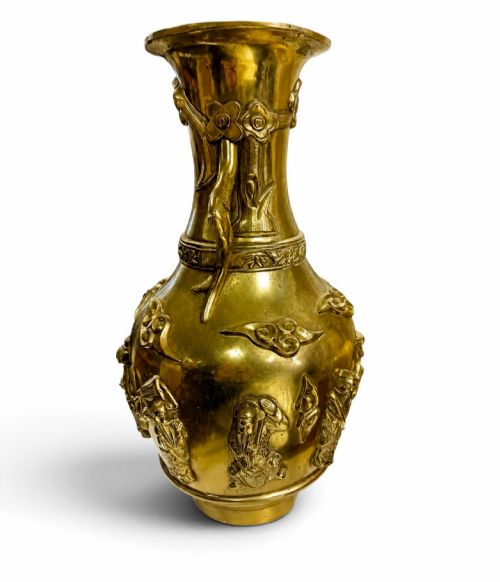
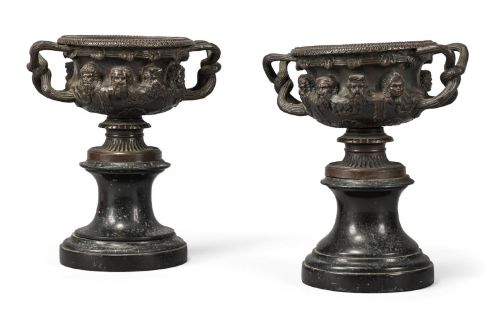
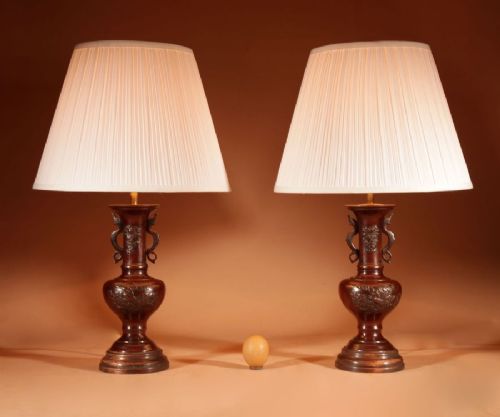
When you search for bronzed metal vases, you encounter a distinct blend of nineteenth-century European classical revival pieces and intricate East Asian metalwork. The examples meeting you on this page span French Grand Tour reductions, Japanese Meiji period vases, and Chinese vessels featuring intricate high-relief castings.
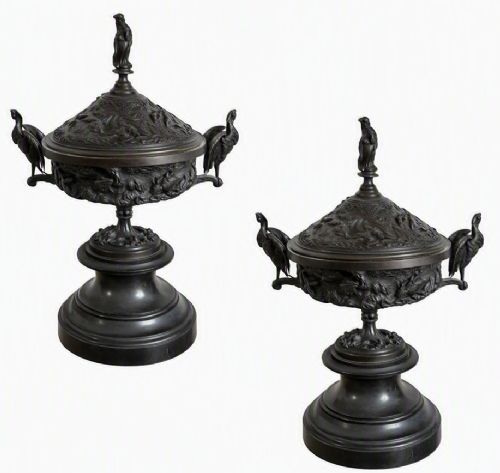
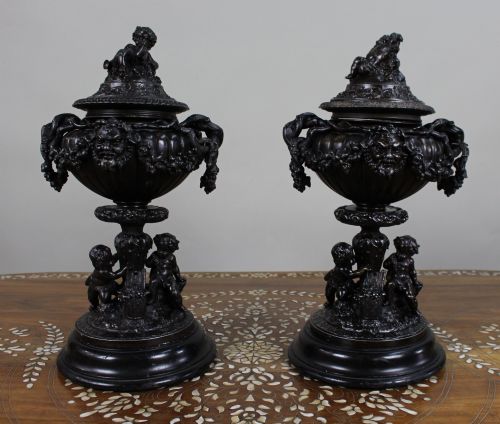
The forms encompass traditional campana urns, baluster shapes, and lidded decorative vessels mounted upon marble bases. Makers from these periods utilised diverse fabrication methods, producing everything from patinated spelter to solid cast bronze.
Originating largely from the nineteenth century, these objects reflect both European interpretations of classical antiquity and authentic Asian export production. They serve primarily as decorative focal points, often appearing in pairs with handles shaped as mythical figures or natural motifs.
How they were made
Artisans produced these vessels using traditional casting techniques, frequently employing bronze, copper-alloy, or patinated spelter for the primary body. Many pieces incorporate secondary metals such as ormolu, gilt bronze, and brass to highlight handles, rims, and figural reliefs.
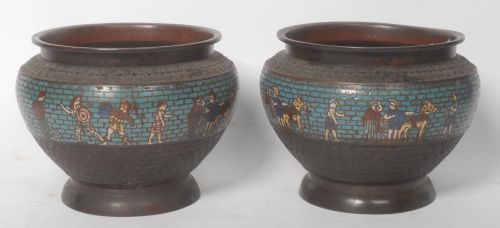
Surface decoration often involved intricate inlay work, champlevé enamel, or applied patination to achieve deep brown and metallic tones. Grand Tour examples relied on precise reduction casting after ancient models, while Japanese and Chinese pieces frequently featured detailed high-relief carving and engraved baseline marks.
Materials represented across the inventory include bronze, gilt bronze, brass, copper, enamel, marble, ormolu, and patinated bronze.
What varies in quality
Material composition significantly alters the weight and longevity of the piece, with solid bronze and heavy copper-alloys outlasting softer substitute metals like spelter. Furthermore, the complexity of integrated elements, such as multi-part handles or multi-coloured enamel work, separates ordinary decor from important studio pieces.
KANASAWA
The Bronzed Metal Vases Glossary
- Grand Tour
- A nineteenth-century tradition where wealthy travellers collected classical antiquities and miniature bronze reductions of famous monuments in Italy. These reproductions served as sophisticated souvenirs for home display.
- Campana Urn
- A bell-shaped vessel with a flaring rim and a footed base, popular in classical Greece and Rome. Nineteenth-century makers frequently replicated this silhouette in bronze and marble.
- Spelter
- A zinc-based alloy commonly used as a cost-effective substitute for bronze in nineteenth-century decorative foundry work. It typically requires patination to mimic the appearance of heavier metals.
- Champlevé
- An enamelling technique where troughs or cells are hollowed out of a metal surface and filled with vitreous enamel before firing. It frequently appears on Eastern and European lidded vases.
- Ormolu
- Gilt bronze created by applying a finely ground high-carat gold-mercury amalgam to a bronze object. The method produces a rich, durable golden surface finish.
Bronzed Metal Vases: Frequently Asked Questions
What is the difference between bronze and spelter vases?
Bronze is a heavy, durable copper alloy that takes a deep, lasting patina and allows for sharp, crisp cast details. Spelter is a softer, zinc-based metal that is significantly lighter in weight and was often used for more accessible decorative castings.
Items cast in spelter generally require more careful handling to avoid bending or surface damage. Checking the weight and inspecting the underside often reveals which metal was utilised by the foundry.
How do I care for antique patinated metal vases?
Dusting gently with a dry, soft cloth is the best method for maintaining the surface without disturbing the historic patina. Avoid using chemical polishes, abrasive cloths, or modern cleaning liquids that can strip away the original finish.
Keeping these pieces away from direct sunlight and excessive moisture helps protect any marble bases or enamel inlays. Occasional light waxing can protect exposed bronze surfaces if recommended by a professional conservator.
How can I tell a Japanese Meiji period bronze from a European one?
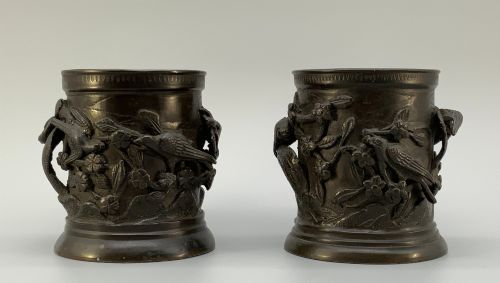
Japanese Meiji pieces often feature naturalistic motifs such as birds, blossoms, and intricate inlaid metalwork reflecting Eastern artistic traditions. The casting techniques and surface patinas differ distinctly from the classical revival styles favoured in European foundries.
Examining the base and the style of handles can also offer clues to the origin of the piece. Japanese workshops frequently utilised high-relief casting for flora and fauna, whereas European makers focused on mythological figures and classical urn shapes.