





Bronze Soldier Sculptures
These bronze soldier sculptures capture historical military figures in heavy metal, offering enduring craftsmanship and classical presence for your study or library.
Bronze Soldier Sculptures
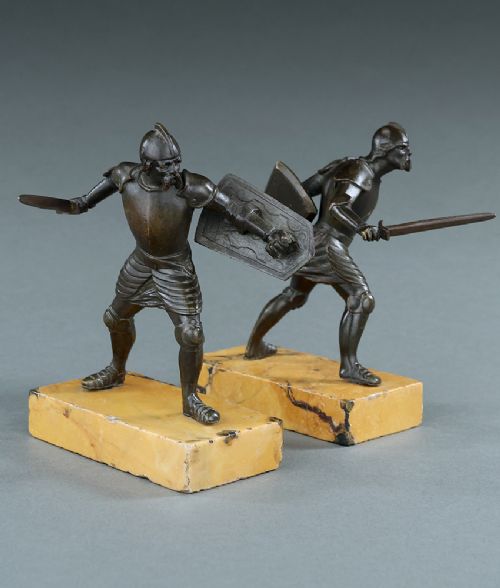
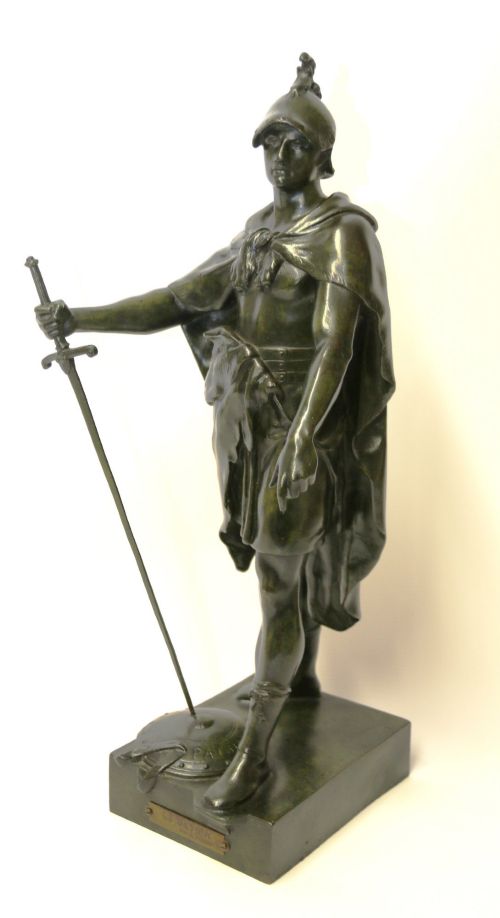
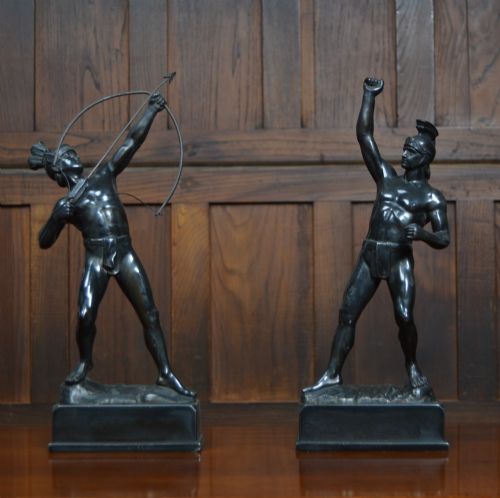
When you search for bronze soldier sculptures, you encounter figural representations spanning Roman warriors, Renaissance knights, and Napoleonic troops. These works frequently emerge from nineteenth-century French and Austrian studios.
How they were made
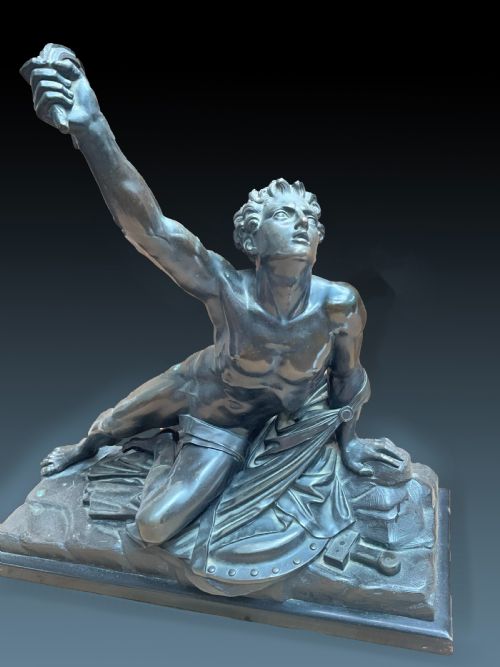
Foundries utilised traditional casting methods to shape molten metal into detailed armour, weaponry, and uniform folds. Artisans then applied dark patinas to create depth and contrast across the metallic surfaces.
Alternative pieces employed spelter or zinc alloy as a cost-effective substitute for solid bronze, finished with surface patination to mimic heavier metal. Bases incorporated sienna marble or turned wood to provide stability and support.
Bronze Soldier Sculptures Retail Price Guide 2026
Typical asking prices for bronze soldier sculptures among the pieces listed under this phrase on Sellingantiques today, from the lower quarter to the upper quarter. They describe what is for sale here now, not the wider market.
The listings feature Victorian historicism alongside nineteenth-century French academic styles, incorporating patinated bronze, spelter, and sienna marble.
What varies in quality
The precision of the metal chasing and the depth of the applied patina dictate visual fidelity. Superior examples preserve crisp details in facial expressions and military regalia without softening from worn moulds.
The choice of primary material significantly influences the character of the object. Solid bronze offers substantial weight and enduring surface integrity, whereas alloy substitutes exhibit lighter density and different ageing patterns.
Émile Louis Picault·E.H. Dumaige·Salmson·Richard Aurili·C.Anfrie
The Bronze Soldier Sculptures Glossary
- Bronze
- An alloy consisting primarily of copper combined with tin. It provides exceptional durability and accepts rich surface patination.
- Spelter
- A zinc alloy frequently utilised as a substitute for bronze in nineteenth-century figural casting. It is softer and lighter than copper-based metals.
- Patina
- A thin layer that forms on the surface of bronze through age and chemical treatment. It enhances sculptural contours and protects the underlying metal.
- Neoclassical
- An artistic style drawing inspiration from the classical art and culture of ancient Greece and Rome. It influences the heroic postures seen in these figures.
- Sienna Marble
- A yellow or brownish decorative marble sourced from Italy. It frequently forms the plinths supporting nineteenth-century statuary.
Bronze Soldier Sculptures: Frequently Asked Questions
Are these figures solid bronze?
Many examples are cast in solid bronze, while others utilise spelter or zinc alloy with a dark patina applied to resemble bronze.
Material composition varies across different nineteenth-century European foundries and production tiers.
How should I clean my sculpture?
Dust the surface gently with a soft, dry cloth to prevent accumulation without disturbing the original patina.
Avoid using water, abrasives, or chemical polishes that can strip the protective chemical finish from the metal.
Where were these statues made?
The listings show production primarily rooted in French and Austrian workshops during the nineteenth century.
Sculptors created these pieces to satisfy a Victorian appetite for historicism and classical revival subjects.
What do marble bases indicate?
Marble plinths, particularly sienna varieties, provide stability and an elevated architectural presentation for the metal figure above.
Such mountings were standard practice for nineteenth-century mantel and desk sculptures.