




Yellow Marble Figures
Yellow marble figures combine carved stone bases or pedestals with cast bronze and metal sculptures.
Yellow Marble Figures
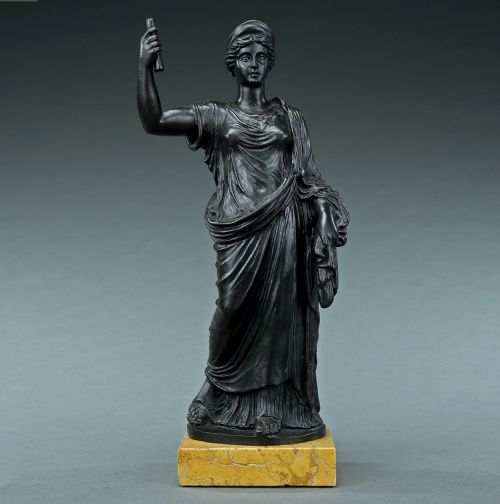
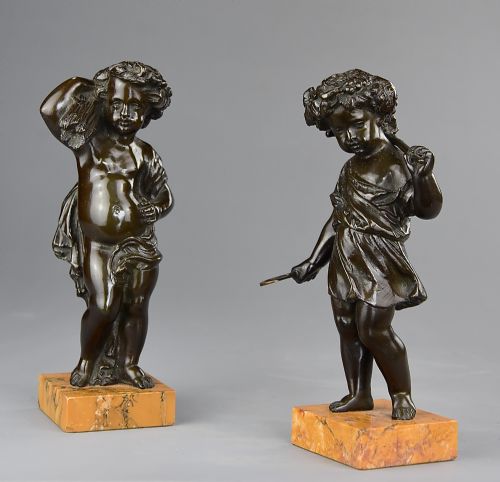
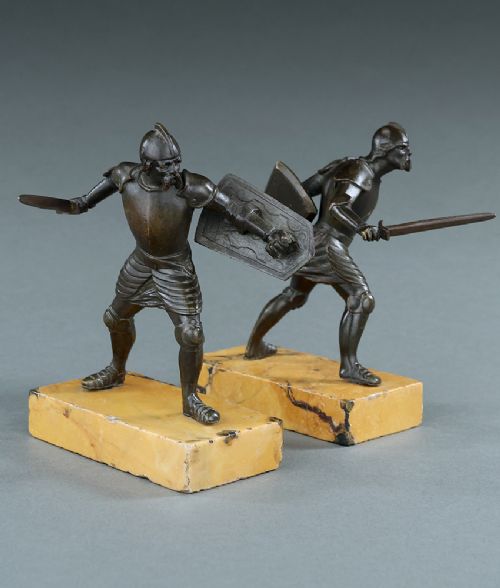
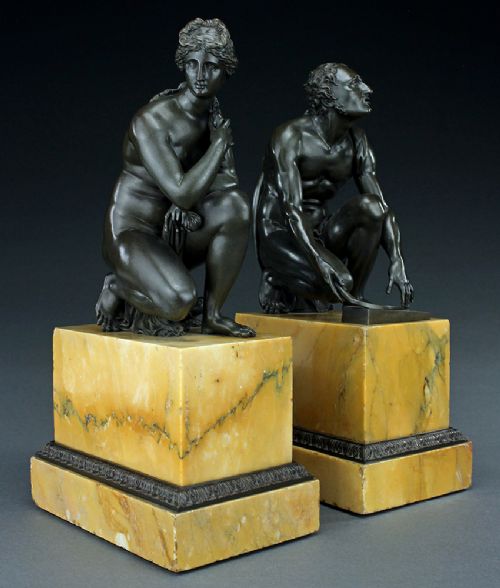
When you search for yellow marble figures, you are looking at nineteenth-century decorative sculptures and clock garnitures mounted on bases of Siena marble. These pieces typically pair patinated bronze figures with rich yellow stone plinths or columns.
The selections found here lean towards classical subjects, including mythological deities, historical philosophers, and allegorical putti. They reflect the grand tour tastes of the Victorian era, bringing continental sculpture into nineteenth-century drawing rooms.
How they were made
Maker workshops cast figures in bronze or metal using traditional foundry methods before applying patination. These metallic elements were then mounted onto turned and polished bases of Siena marble or Carrara marble.
Yellow Marble Figures Retail Price Guide 2026
Typical asking prices for yellow marble figures among the pieces listed under this phrase on Sellingantiques today, from the lower quarter to the upper quarter. They describe what is for sale here now, not the wider market.
Listings feature nineteenth-century dates predominantly, alongside materials such as bronze, Siena marble, and patinated metal in sculptural forms.
What varies in quality
The depth of colour and lack of heavy veining flaws in the Siena marble base contribute significantly to desirability. Clean stone turning with sharp edges demonstrates a higher grade of craftsmanship.
The Yellow Marble Figures Glossary
- Siena marble
- A distinctive yellow Italian marble featuring deep purple or brown veining, frequently used for nineteenth-century sculpture bases. It originates from the quarries around Siena in Tuscany.
- Patinated bronze
- Bronze that has been chemically treated to produce a controlled surface colour or dark brown finish. This treatment protects the metal and accentuates sculptural contours.
- Grand Tour
- The nineteenth-century tradition where wealthy travellers collected classical antiquities and bronzes across Italy and France. These souvenirs formed the basis of many domestic collections.
- Putto
- A plump, naked male child figure often depicted as a winged cherub in classical and Renaissance art. They appear frequently in pairs holding attributes or seated on rocks.
- Ormolu
- Finely ground high-carat gold applied to a bronze object through a mercury gilding process. It provides a bright golden finish seen on garniture bases and clock mounts.
Yellow Marble Figures: Frequently Asked Questions
What are yellow marble figures?
Yellow marble figures are nineteenth-century decorative sculptures featuring cast bronze subjects mounted on polished Siena marble bases. They draw on classical, mythological, and historical themes popular during the Victorian period.
These pieces were designed as mantel ornaments, bookends, or clock garnitures for formal reception rooms. The combination of dark patinated metal and yellow stone creates a striking visual contrast.
How do I date yellow marble figures?
Dating relies on examining the casting quality of the bronze, the style of the mounting hardware, and the character of the marble base. Most examples date from the nineteenth century during the height of the grand tour.
Changes in patination techniques and foundry marks also help narrow down the period. Pieces inspired by French Restauration or Empire styles often carry specific decorative motifs typical of those decades.
Where were yellow marble figures made?
The majority of these decorative objects were produced in European workshops, particularly in France and Italy, during the eighteen-eighties and surrounding decades. French foundries specialised in the bronze casting.
Italian craftsmen often supplied the turned Siena marble bases and carved marble busts. Many items were retailed specifically for British collectors touring the continent.
How do I clean yellow marble figures?
Dust the bronze and marble components gently with a soft, dry brush to prevent the accumulation of grit in crevices. Avoid using water, soap, or chemical cleaners on the stone or metal.
Siena marble is porous and susceptible to staining from moisture or acidic substances. Patinated bronze surfaces can be damaged easily by aggressive wiping.