
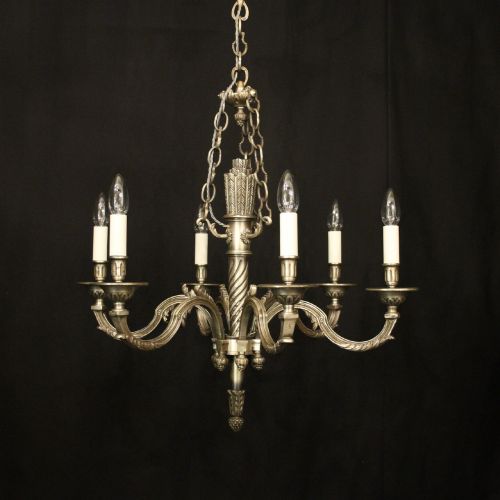
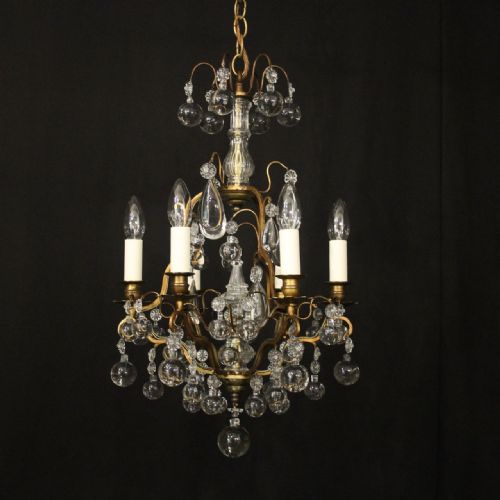

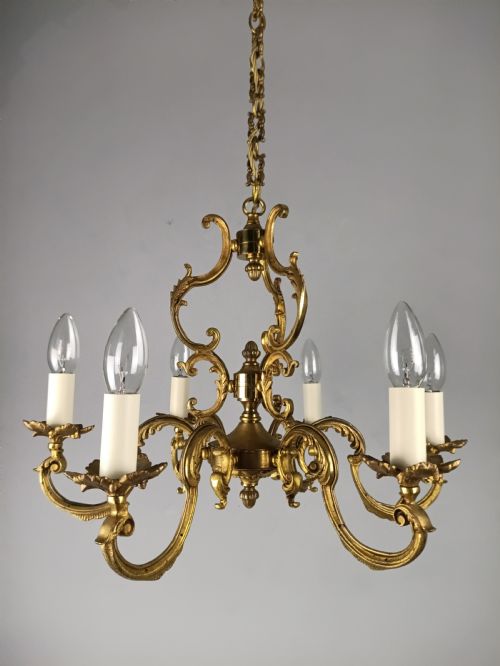


Bronze Six Light Chandelier
A bronze six light chandelier brings immediate warmth and formal presence to a room, cast in heavy metal and built to last generations.
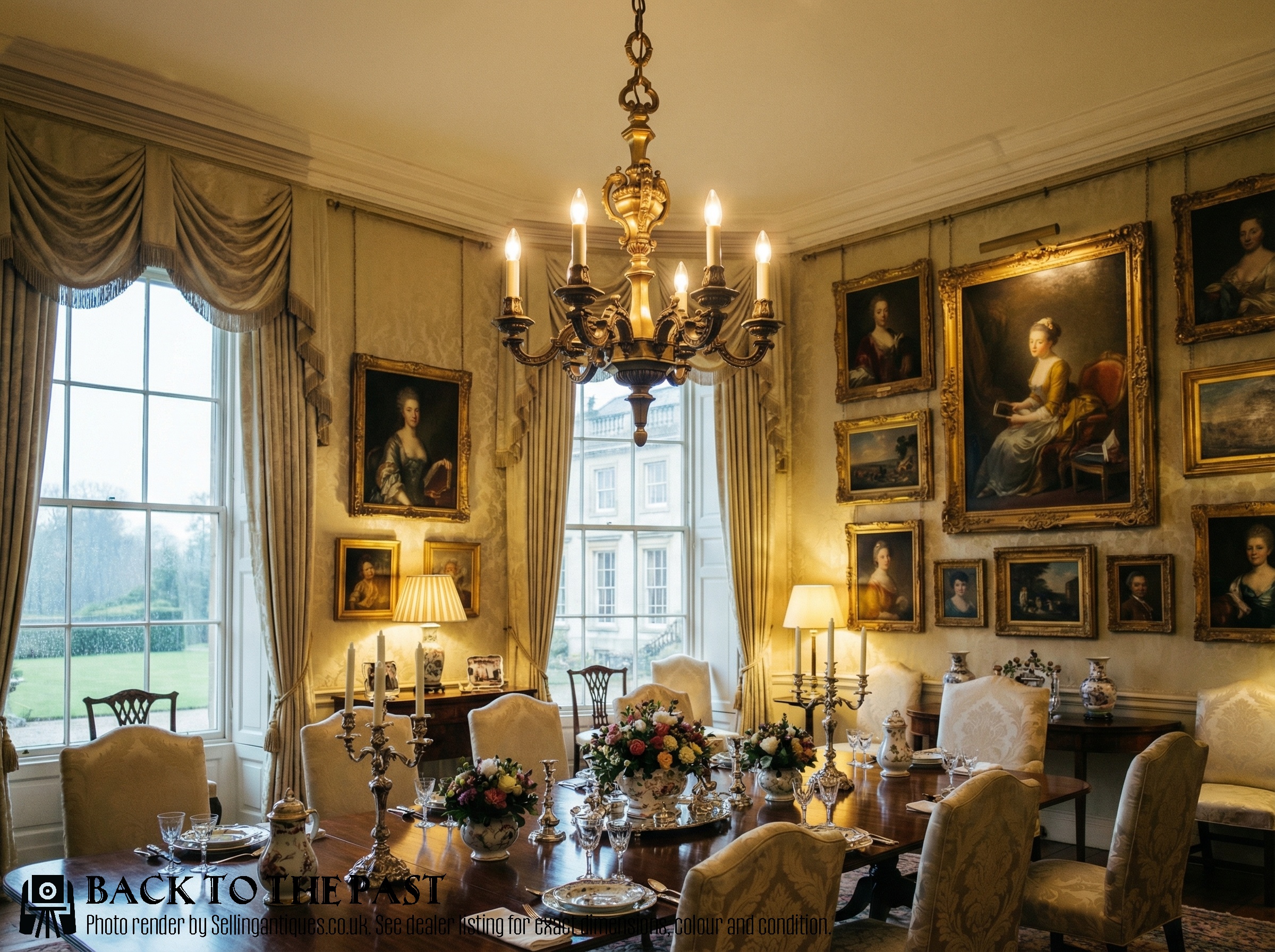
Bronze Six Light Chandelier
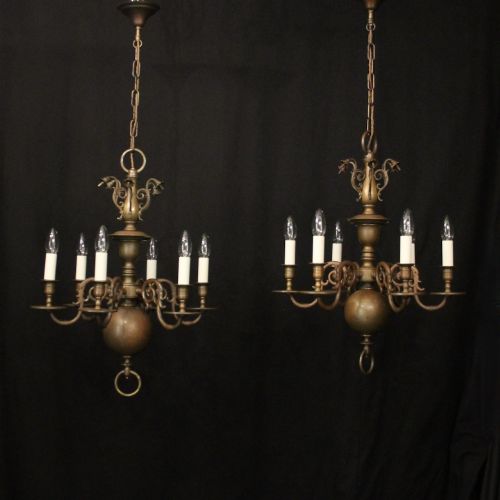
A bronze six light chandelier is a substantial ceiling light designed to illuminate large spaces with multiple arms branching from a central stem. When searching for this specific form, you encounter heavy metal frames fitted for six individual bulbs or candles across various historical periods.
The selections span from the late nineteenth century through the 1930s, encompassing Victorian, Edwardian, and early twentieth-century examples. French workshops dominate the origin points, though English and Italian pieces also appear regularly on the market.
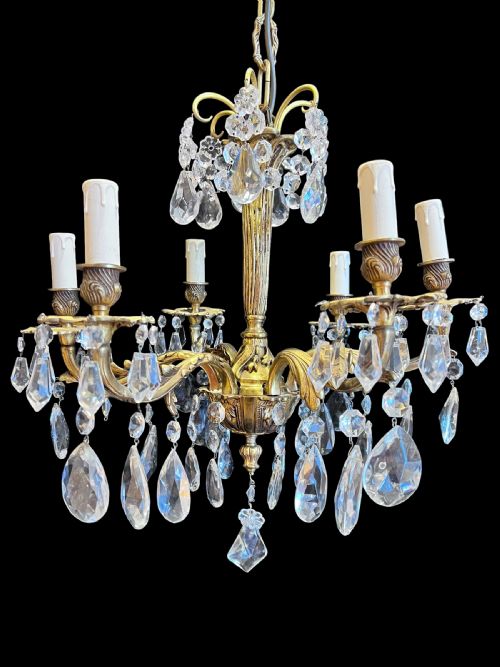
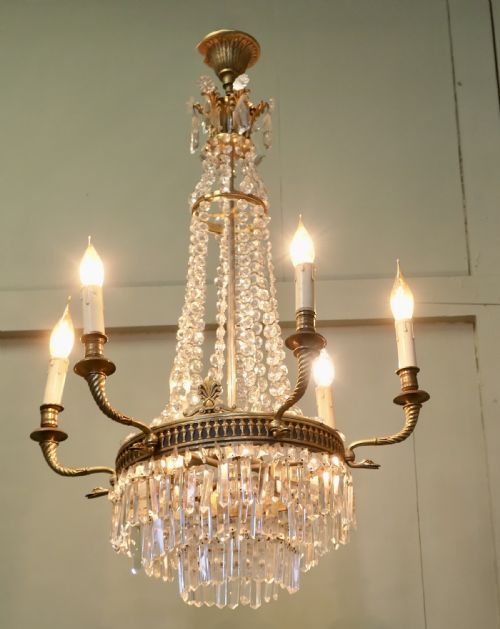
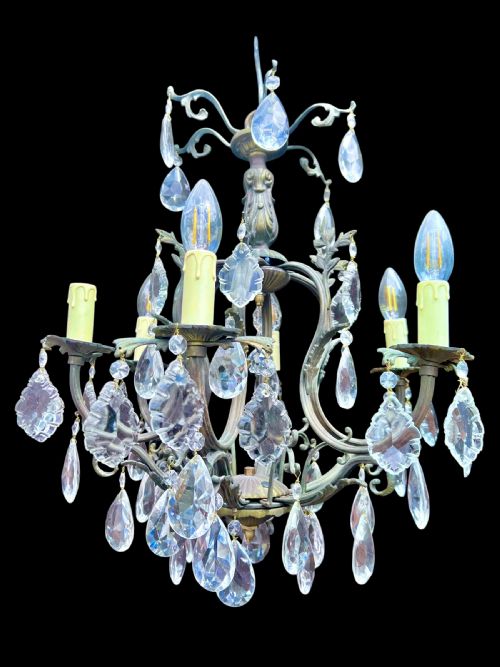
Stylistic variety runs from French Rococo and Empire designs to Art Nouveau and Florentine Baroque. These fixtures frequently incorporate glass or crystal elements alongside the metal work to enhance the spread of light.

How they were made
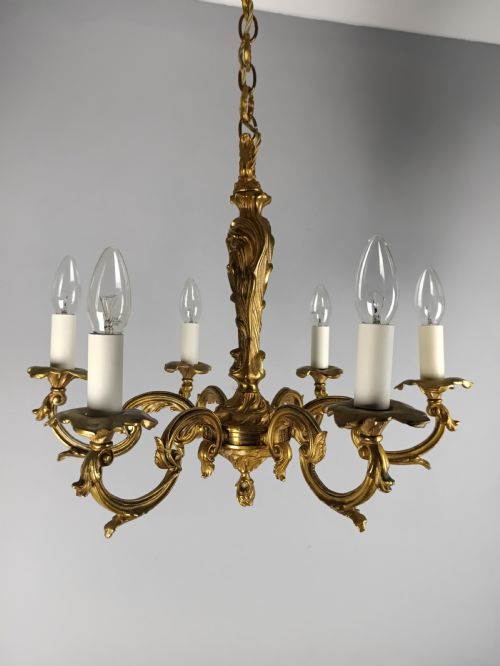
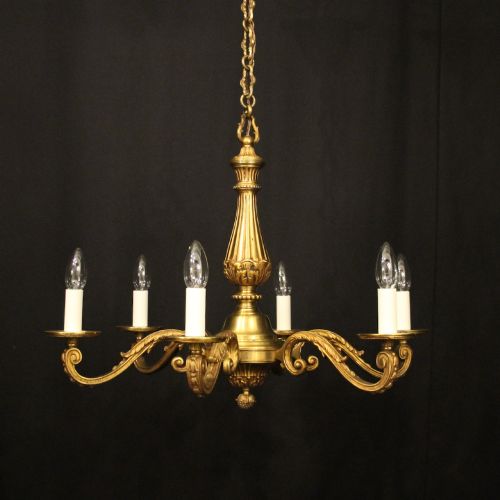
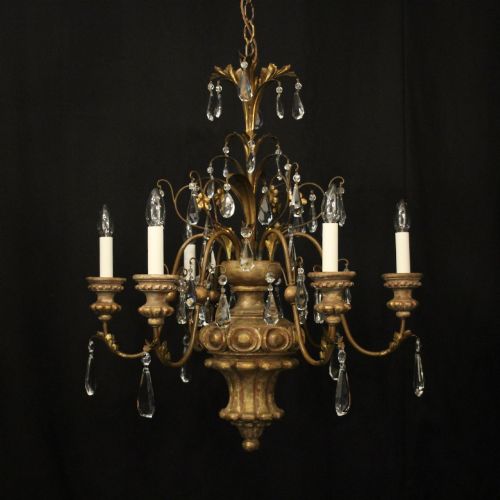
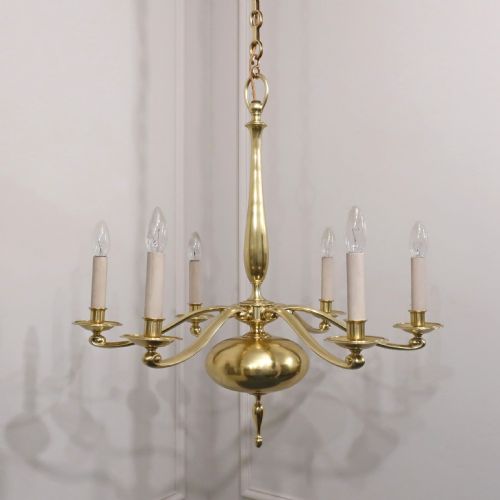
Makers utilised bronze, brass, and gilt bronze as the primary structural metals, often casting the components in sections before assembling them by hand. Gilded surfaces received thin layers of gold leaf or gilt finish to enrich the metallic sheen under artificial illumination.
Glass and crystal adornments, including tent and waterfall configurations, were integrated into the metal frames to refract light. Wooden elements occasionally appeared as gilded wood details on specific French and English models.
One exceptional nineteenth-century design even doubles as a billiard snooker light.
What varies in quality
The refinement of the casting work dictates the visual depth of the ornamentation, separating standard production from superior artistry. Crisp leaf motifs, sharp facial details on figural mounts, and clean chased lines indicate skilled craftsmanship.
The integrity of the gilt finish and the weight of the bronze frame determine the overall durability and visual presence of the fixture. Substantial metal thickness and well-preserved gilding reflect higher manufacturing standards during the initial creation.
G.E.C
The Bronze Six Light Chandelier Glossary
- Gilt Bronze
- Bronze that has been coated with a thin layer of gold or gold leaf to give it a rich golden appearance. This technique protects the underlying metal from tarnishing while adding decorative brilliance.
- Tent and Waterfall Chandelier
- A lighting design featuring beaded glass strings gathered in a tent shape at the top, cascading down into a waterfall effect around the arms. This configuration maximises light reflection through thousands of crystal facets.
- French Empire
- A neoclassical design style popular in the nineteenth century, characterised by military motifs, classical symmetry, and heavy use of gilt bronze. These pieces often display strong architectural lines and formal dignity.
- Art Nouveau
- An ornamental style from the turn of the twentieth century defined by flowing, organic lines inspired by natural plant forms. Chandeliers in this style eschew strict symmetry in favour of undulating, plant-like metalwork.
- Cast Bronze
- Metal poured into a mould to create solid, highly detailed structural components and decorative arms. This foundational manufacturing method allows for intricate sculptural elements.
Bronze Six Light Chandelier: Frequently Asked Questions
How do I clean a bronze chandelier?
Dust the metal surfaces gently with a soft, dry brush to prevent the accumulation of grime over time. Avoid harsh chemical cleaners that might strip the original gilt finish or damage delicate crystal components.
For glass drops, remove them carefully and wash them in warm soapy water before drying them thoroughly. Reattach each piece in its correct position to maintain the structural balance of the fixture.
Are these chandeliers heavy to hang?
Cast bronze and metal frames possess considerable weight, requiring secure ceiling joists and appropriate fixings for safe installation. Professional mounting is strongly recommended to support the load of a six-arm metal fixture.
Electrical wiring should also be inspected by a qualified electrician to ensure compliance with current safety standards before the light is put into regular use.
How do I date a bronze chandelier?
Examine the casting quality, screw types, and mounting construction to establish a chronological baseline for the piece. Stylistic markers such as Art Nouveau curves or Empire symmetry also point toward specific decades of manufacture.
Comparing the patination and wear patterns on the metal helps confirm whether the components belong to the nineteenth or early twentieth century.
What rooms suit a six light chandelier?
Dining rooms and high-ceilinged hallways benefit greatly from the substantial illumination and vertical presence of a six-arm fixture. The spread of light across multiple branches fills larger spaces effectively without relying on auxiliary wall lights.
Ensure the hanging height allows adequate clearance beneath the lowest crystal or metal drop for everyday movement in the room.