


Crystal Teardrop Light
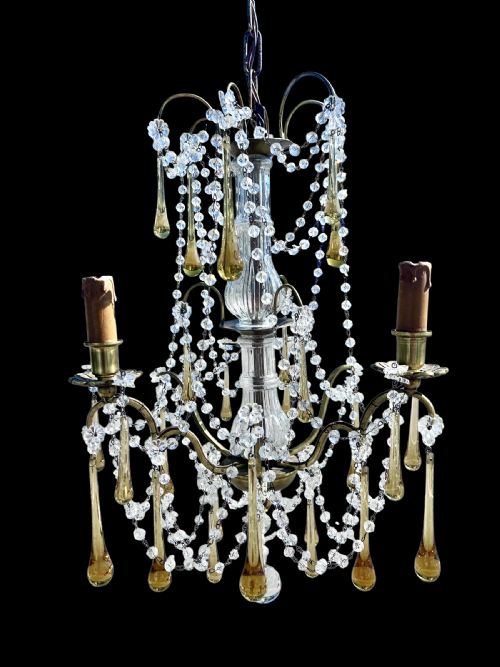
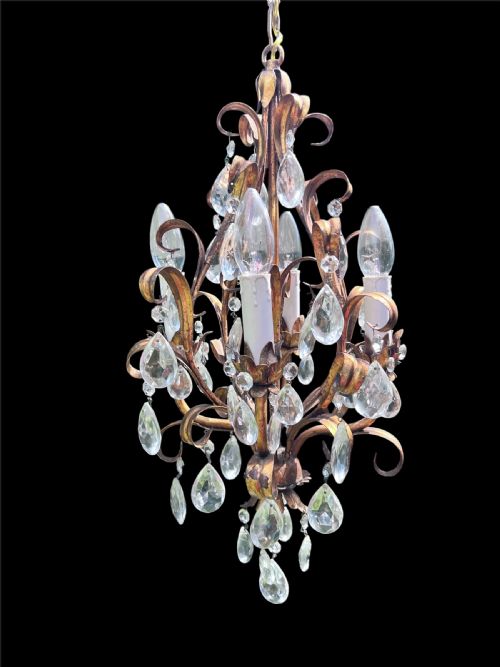
A crystal teardrop light catches the daylight and scatters illumination, bringing historical grace and sparkling glass to a room.
Crystal Teardrop Light
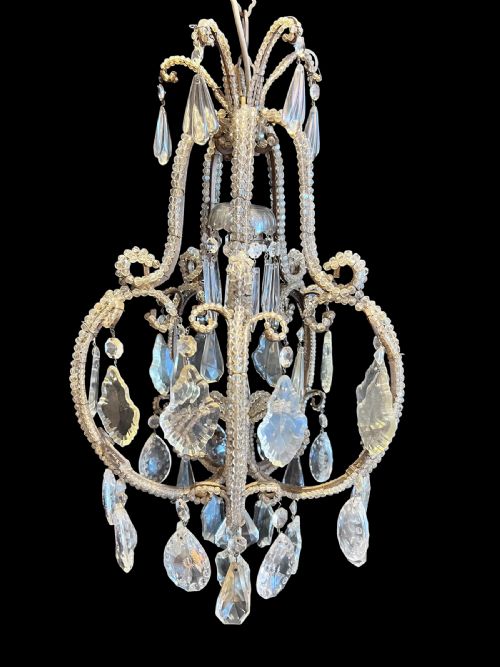
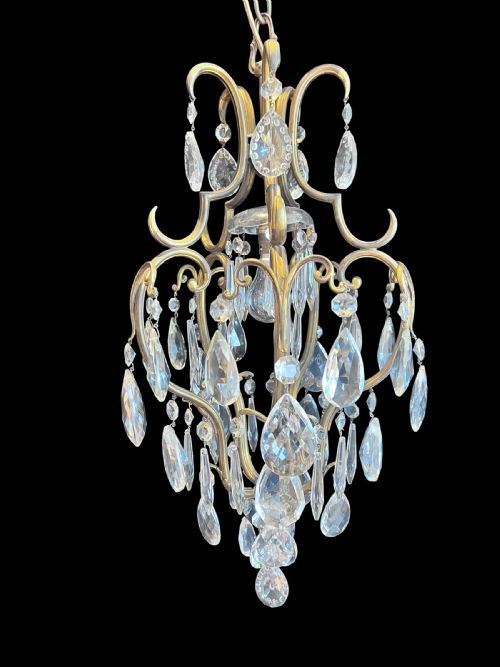
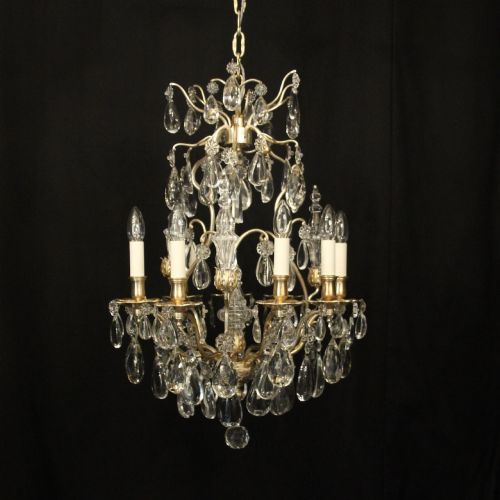
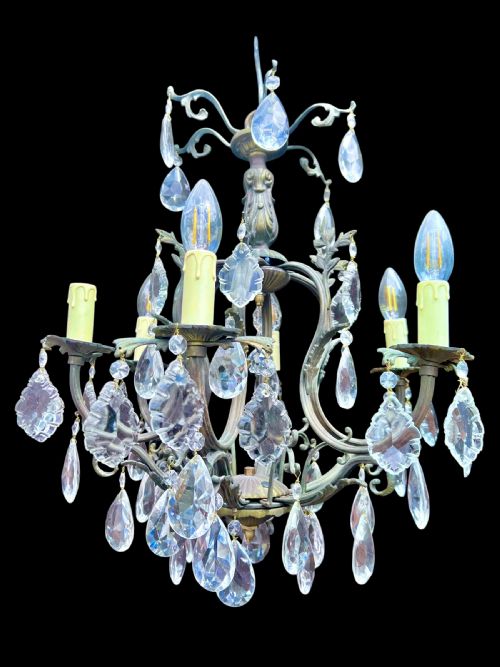
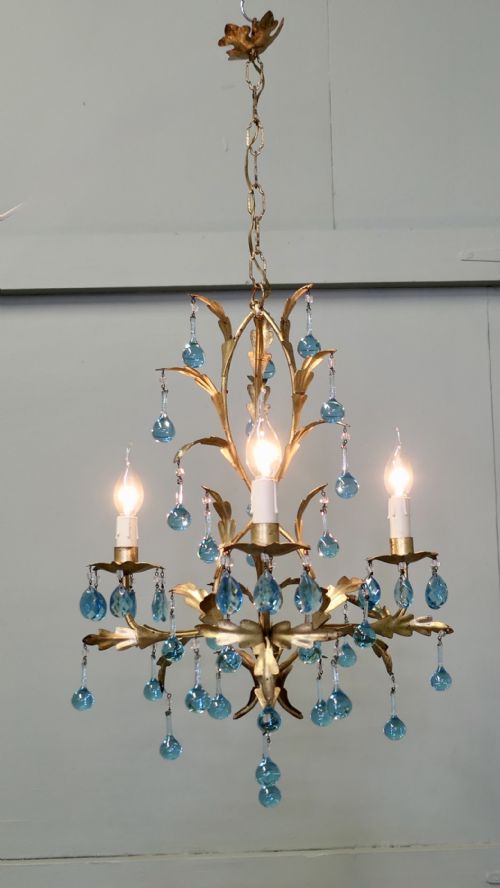
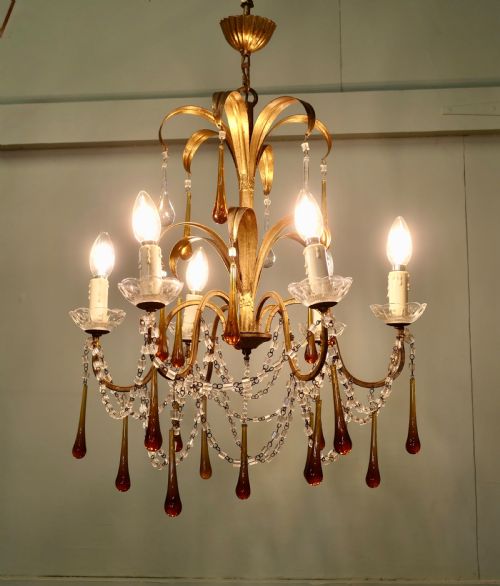
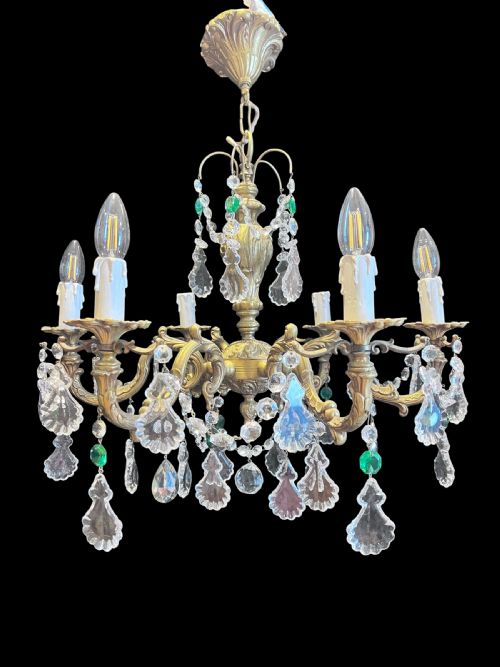
A crystal teardrop light combines illumination with hanging glass pendants, creating a sparkling focal point for any interior space. When you search for a crystal teardrop light, you encounter multi-light chandeliers and wall lights spanning the Edwardian era through the nineteen-thirties.
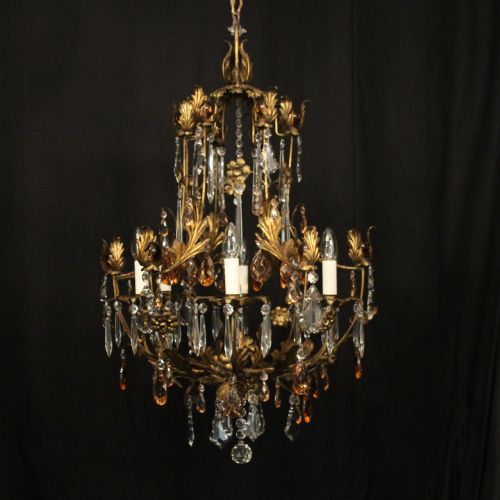
French and Italian designs dominate this selection, featuring styles from French Chateau and Italian Rococo to Florentine traditions. These fixtures range from single-light pendants to grand multi-armed chandeliers hung with amber, turquoise, or clear glass drops.
The primary forms comprise chandeliers, wall lights, and ceiling lighting configured with drops, beads, and swags. Smaller drip chandeliers measure a modest height, whilst substantial multi-light fixtures provide dramatic illumination for larger rooms.
Assessing Quality and Craftsmanship
Quality rests in the substantial weight of the metal frame and the clarity of the glass or crystal drops. Heavier gilded bronze or brass structures with intricate leaf or grape decoration demonstrate superior craftsmanship compared to simpler iron frameworks.
The density and cutting of the crystal pendants dictate how brilliantly the light refracts across the room. Original pairings of coloured crystals and intact bead swags indicate higher preservation and design ambition.
Listings feature crystal teardrop lights spanning from eighteen-eighty to nineteen-fifty, alongside Edwardian examples.
La Mason Bagues
The Crystal Teardrop Light Glossary
- Chandelier
- A branched decorative ceiling fixture designed to hold multiple electric lamps or candles. These fixtures often feature elaborate metal frames hung with glass drops.
- Tolewear
- Painted sheet metal used in decorative objects and light fittings. This material frequently appears in French lighting with coloured finishes.
- Gilt
- Covered thinly with gold leaf or gold paint to give a lustrous metallic appearance. Gilded bronze and brass are common in period lighting.
- Teardrop
- A pear-shaped pendant of glass or crystal suspended from a lighting fixture. These drops catch and refract the light.
- Cage chandelier
- A style of light fitting enclosed within a metal framework resembling a cage. Glass beads and drops drape across the structural wires.
Crystal Teardrop Light: Frequently Asked Questions
How do I clean a crystal teardrop light?
Cleaning requires a gentle solution applied directly to the glass pendants using a soft cloth while they remain on the frame. Avoid harsh chemicals that might damage the gilt metal or bronze surfaces.
Taking down every individual teardrop is rarely necessary unless a deep restoration is required. Regular dusting keeps the crystal reflecting light properly.
Are these lights wired for modern electricity?
Most antique lighting found here has been adapted or rewired for contemporary electrical standards over time. It remains prudent to have a qualified electrician inspect the internal wiring before installation.
Checking the lamp holders and maximum wattage ensures safe operation in your home. Professional installation also guarantees secure mounting for heavier bronze and crystal fixtures.
What rooms suit a crystal teardrop light?
Smaller drip chandeliers and single-light fixtures fit well in hallways, bedrooms, or compact dining spaces. Wall lights provide balanced accent illumination in sitting rooms and corridors.
Larger multi-armed chandeliers require higher ceilings to accommodate their drop and spread. Placing them over a dining table or in a principal reception room maximises their decorative impact.
How do I date a crystal teardrop light?
Dating relies on the manufacturing techniques, metal alloys, and stylistic indicators present in the frame. Edwardian and early twentieth-century pieces often combine traditional forms with specific wiring channels and distinctive glass cuts.
Stylistic cues such as Italian Florentine leaf motifs or French Rococo revival curves help narrow the decade of production. Comparing the construction to documented pieces from the same era confirms the period.