
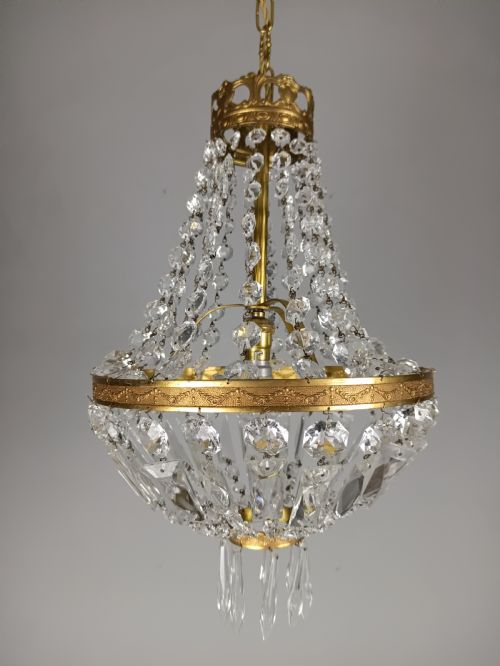


French Empire Light Fixture
A french empire light fixture brings classical symmetry and brilliant illumination to a room, drawing the eye upwards through tiered crystal drops and gilded metal.

French Empire Light Fixture
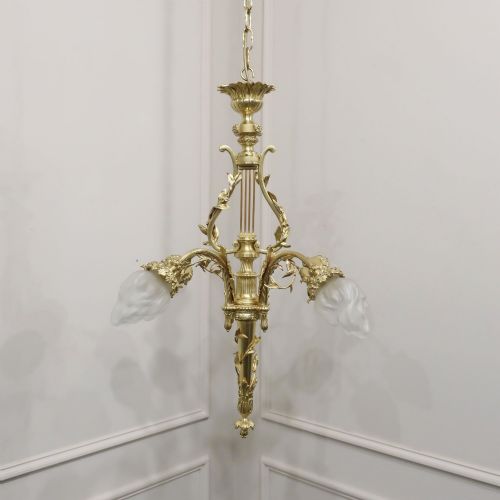
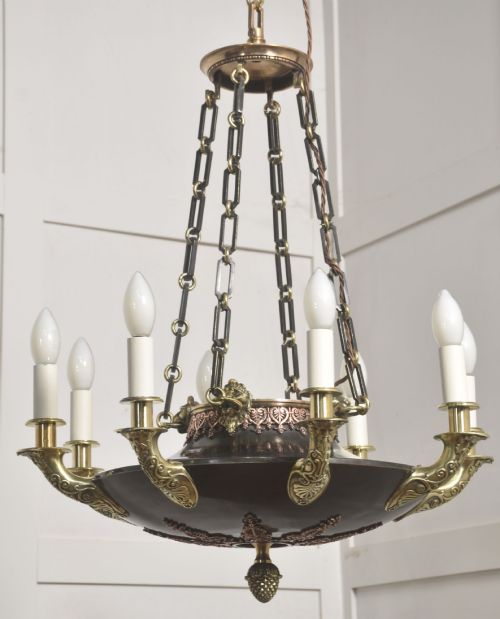
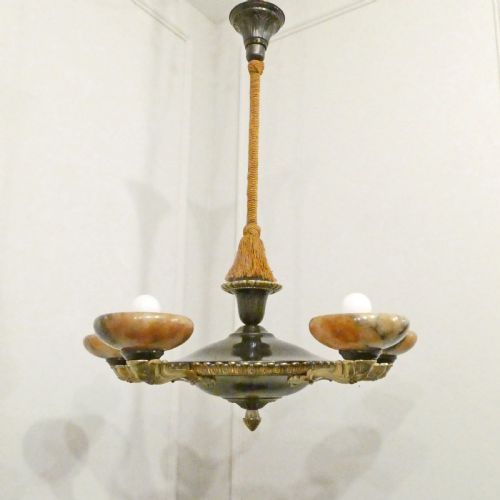
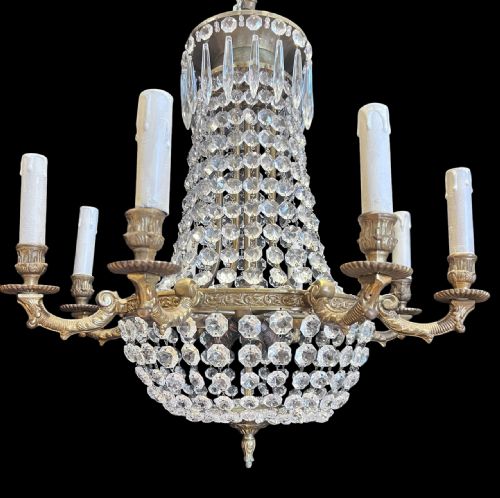
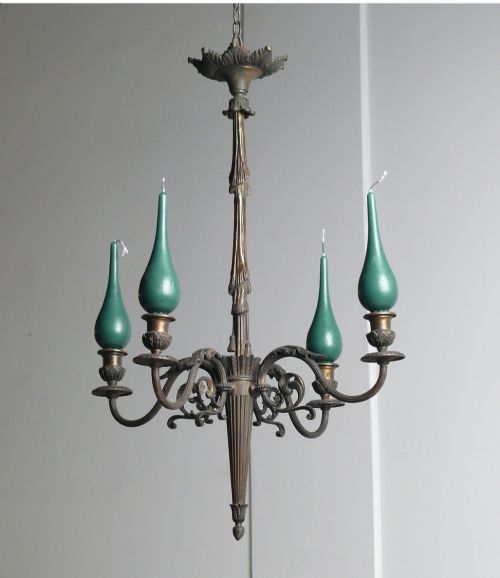
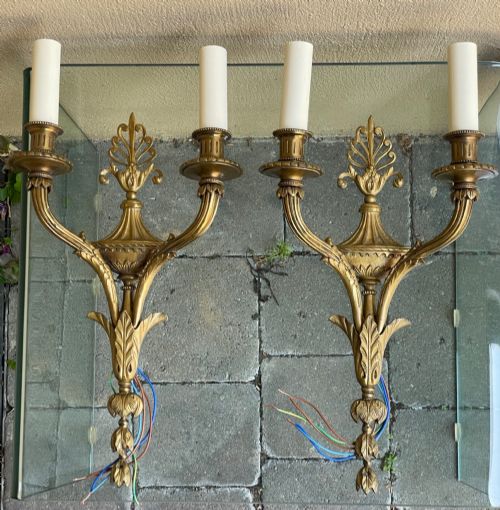
A french empire light fixture takes many shapes across ceilings and walls, appearing primarily as multi-armed chandeliers alongside smaller wall lights, lanterns, and floor lamps. Buyers encounter these pieces in configurations ranging from single-light baskets to expansive multi-tiered designs.
The aesthetic bridges the late eighteenth century into twentieth-century revivals, drawing on neoclassical motifs that prioritize balanced proportions and architectural dignity. Pieces span from the nineteenth century into the interwar decades, reflecting enduring tastes for classical French design.
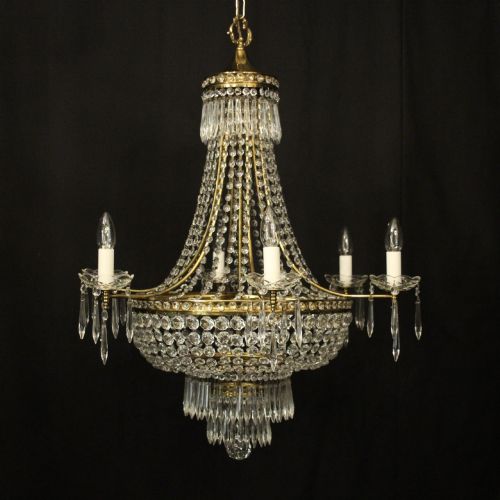
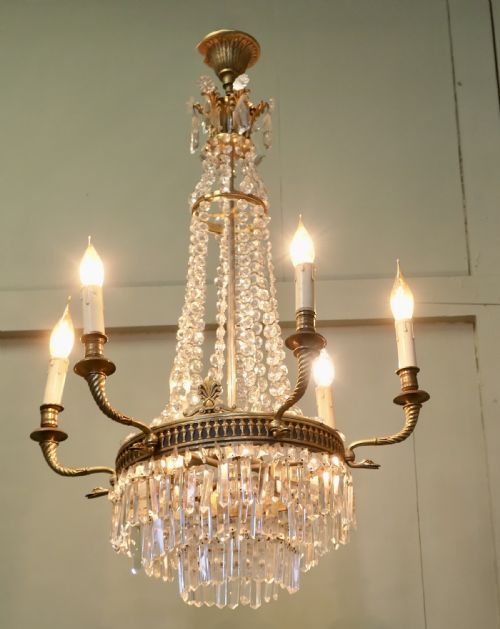
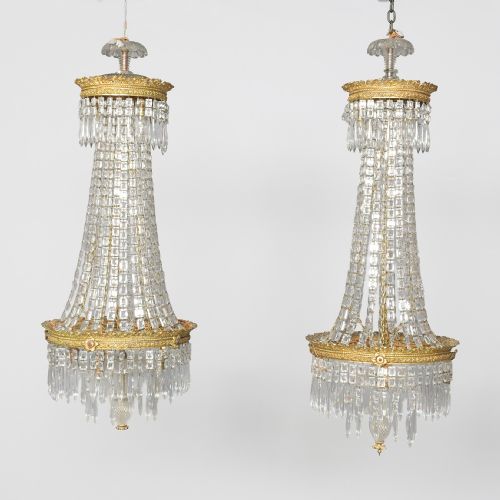
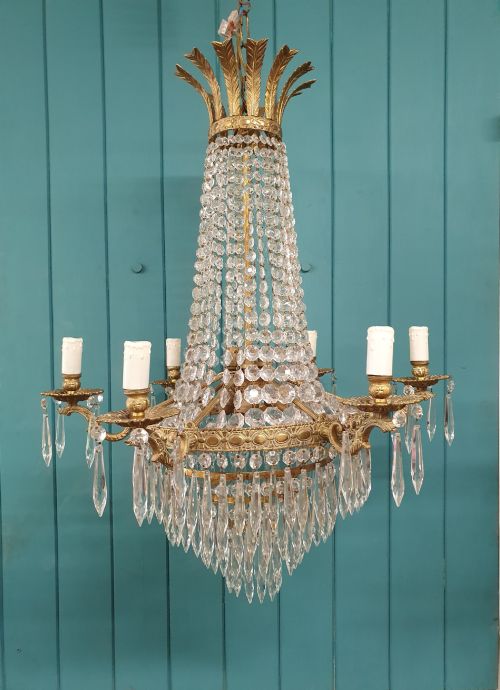
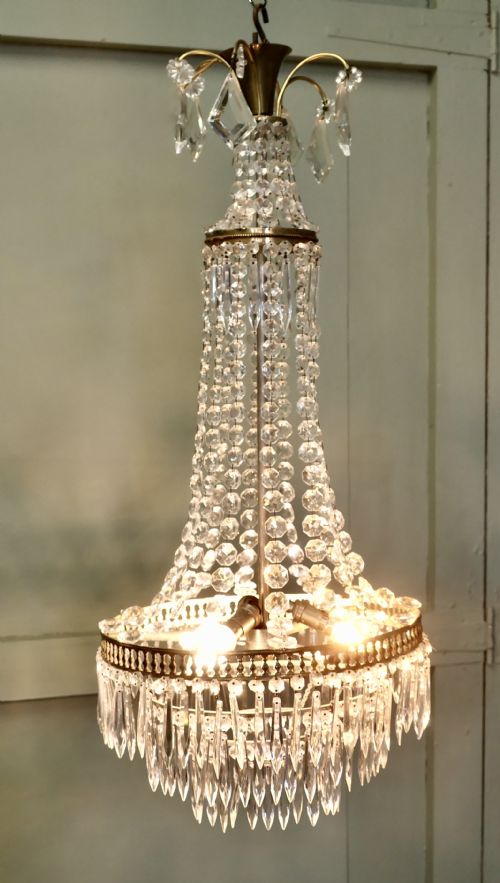
Chandeliers dominate the selection, frequently featuring upper tent sections cascading down to lower rings of lights. These fixtures populate domestic and grand interiors alike, serving as central focal points that define the decorative character of a space.
Materials and Construction Methods
Makers constructed these fixtures using robust metal foundations of brass, bronze, and copper, frequently applying surface gilding to create a rich, reflective finish. Metal components were cast, chased, and joined to form the structural skeleton supporting the glass elements.
Illumination relies heavily on the interplay between metal frames and transparent adornments such as cut glass, crystal, and crystal glass. Prisms, drops, and beads were meticulously wired or pinned to the upper tents and waterfalls to refract light across the room.
The listings span multiple centuries, incorporating eighteenth-century elements alongside nineteenth-century bronze works and twentieth-century revival pieces.
Distinctions in Quality and Execution
The refinement of the cast metalwork dictates the underlying merit of the fixture, separating heavy, sharply detailed bronze castings from simpler brass fabrications. Finer examples display crisp leaf decoration, figural elements, and precise chasing that retain their definition across complex arms and mounts.
The clarity and cut of the crystal components also divide the standard of execution, with hand-cut prisms and polished glass drops yielding superior light refraction. Complete cascading tiers with intact bead chains and matching drops represent a higher level of original assembly.
François-Christophe-Armand Toussaint·Wedgwood
The French Empire Light Fixture Glossary
- Tent and waterfall
- A chandelier configuration featuring an upper conical section of glass strings known as the tent, flowing down past the arms into a lower waterfall of cascading drops. This layout maximises the reflective surface area of the fixture.
- Gilt bronze
- Metal cast in bronze and treated with a gold finish, often referred to as ormolu in traditional French pieces. This material provides a warm, durable lustre that resists tarnishing over decades.
- Toleware
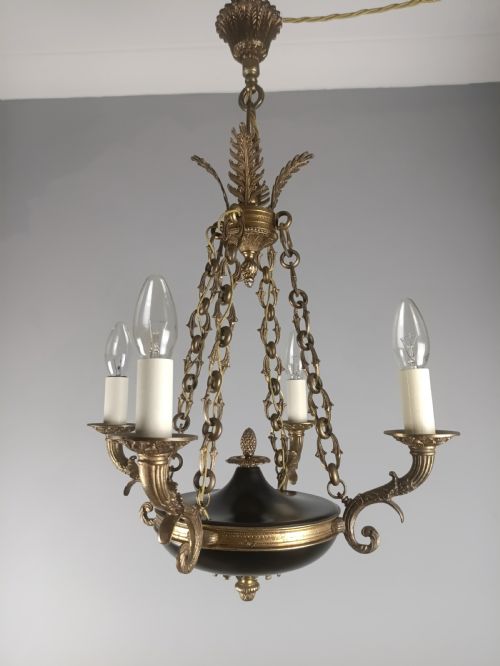
- Painted sheet metal used in specific components like shades or body elements, often finished in green or other traditional colours. It introduces a contrasting matte texture against polished brass and crystal.
- Bag chandelier
- A lighting form enclosed in a bag-like net of crystal beads tapering toward a bottom pendant. This compact design distributes light evenly while containing the visual weight of the glass.
French Empire Light Fixture: Frequently Asked Questions
How do I clean a crystal chandelier safely?
Maintenance requires wiping individual crystals with a lint-free cloth dampened in a mild solution of warm water and isopropyl alcohol. Supporting the glass elements firmly prevents strain on the original brass or bronze wiring frames during the process.
Heavier fixtures benefit from cleaning in situ rather than dismantling the entire tent and waterfall structure. Care must be taken to protect any gilded surfaces from harsh chemical cleaners that could strip the finish.
Are these fixtures wired for modern electricity?
Many period pieces arrive with contemporary internal wiring installed to meet modern safety standards while preserving the exterior antique components. Rewiring is often performed carefully through the central hollow shaft to conceal modern cables.
Buyers should inspect the lampholders and internal circuits upon acquisition to confirm they match current electrical requirements. Professional installation is recommended for large multi-light chandeliers due to their substantial weight.
Where should I hang a tent chandelier?
These fixtures suit dining rooms, high-ceilinged hallways, and drawing rooms where vertical space allows the cascading crystal to catch the light. The drop height must be measured carefully to ensure adequate clearance below the lowest tier.
Placing the fixture centrally in a room creates a strong focal point that balances classical interior proportions. Wall sconces and lanterns from the same period help coordinate the lighting scheme across adjacent spaces.
How do I identify an Empire Revival piece?
Revival pieces produced during the early twentieth century echo the classical motifs, symmetry, and materials of nineteenth-century originals. They often employ standardised brass casting techniques and distinct wiring methods characteristic of that era.
Examining the construction joints, patination, and mounting hardware helps distinguish between nineteenth-century production and later interpretations. Both categories share the characteristic tents, waterfalls, and neoclassical proportions.