

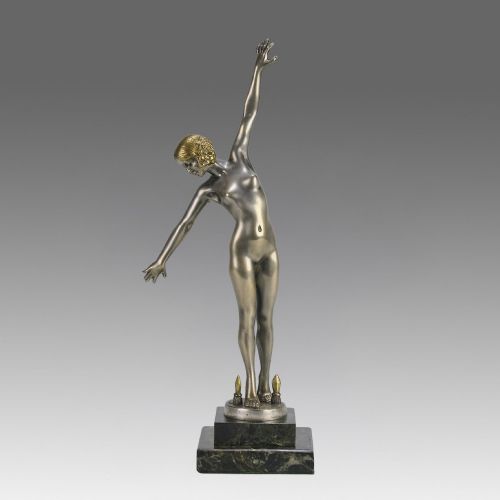
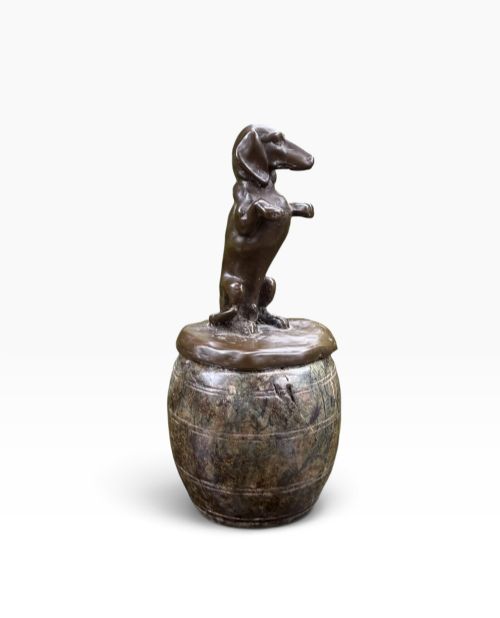

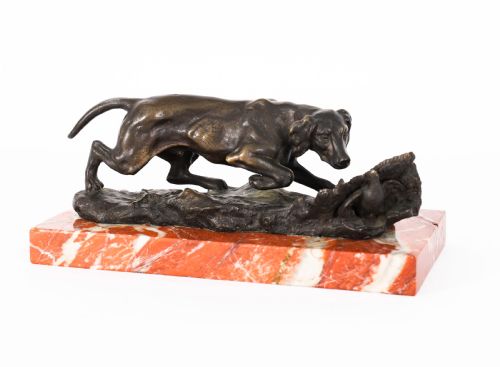
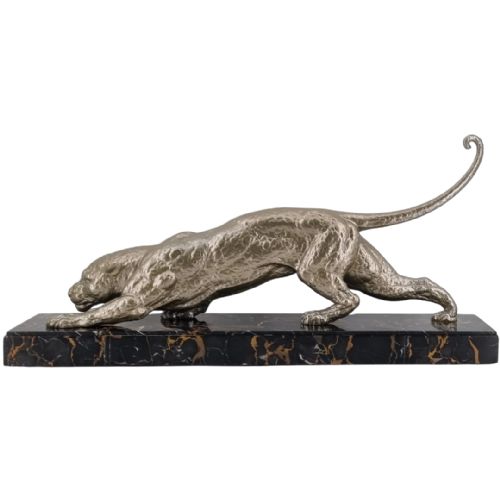
Bronze Sculpture with Marble Base
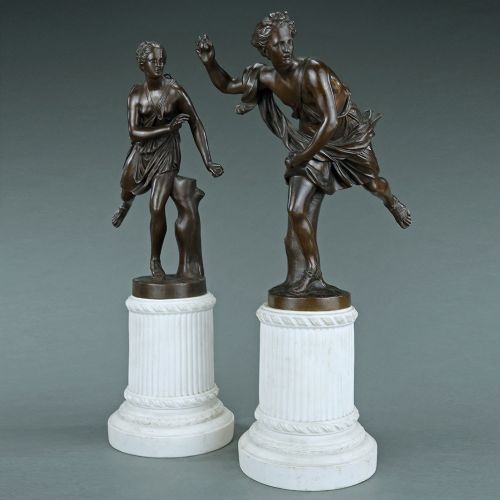
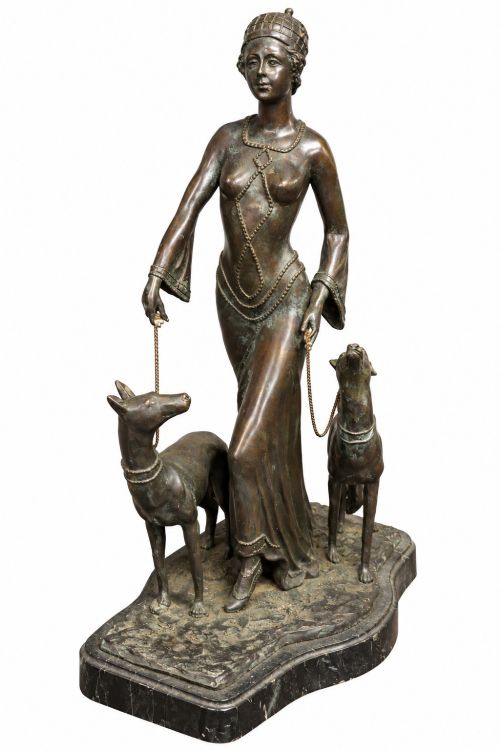
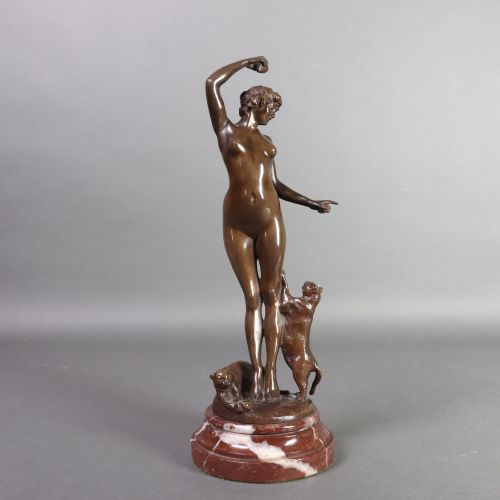
A bronze sculpture with marble base combines cast metal figures with stone plinths, offering weight and classical presence for interior display.
Bronze Sculpture with Marble Base
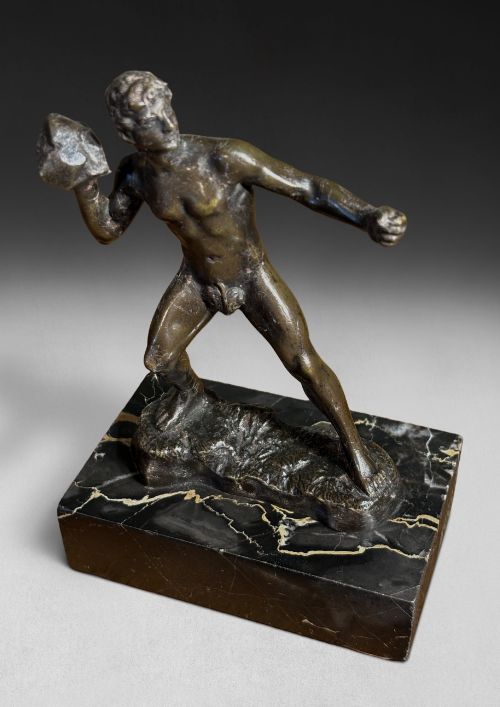
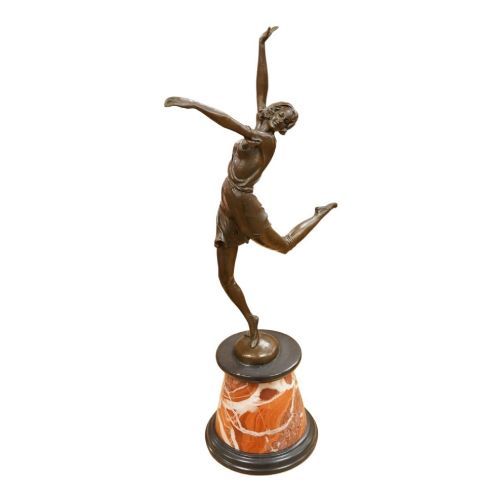
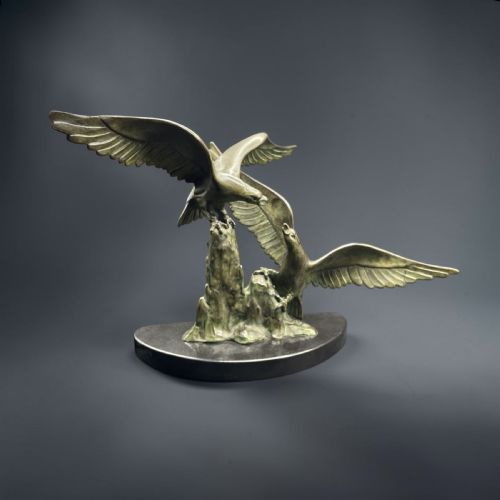
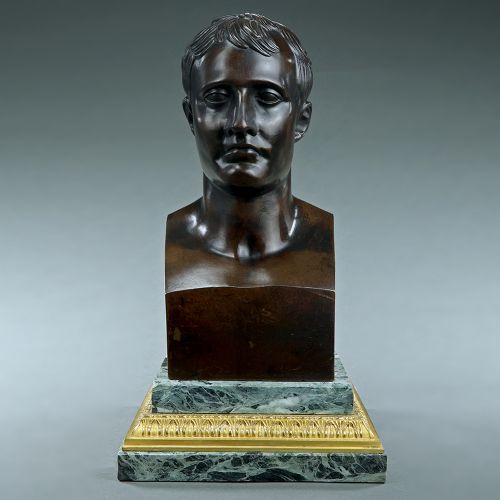
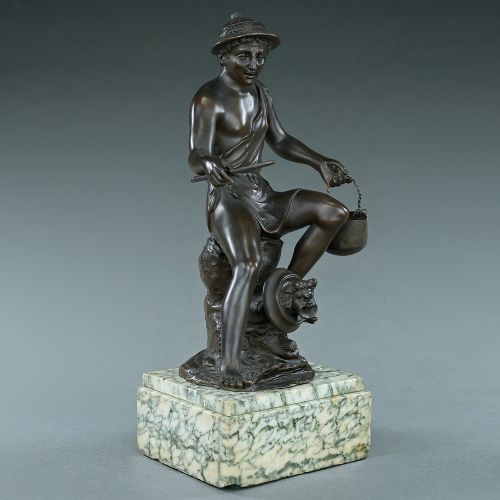
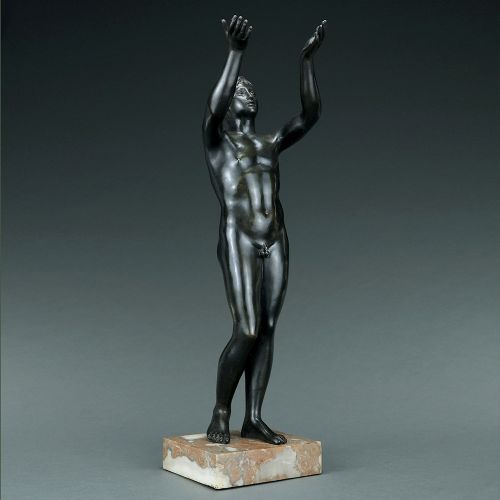
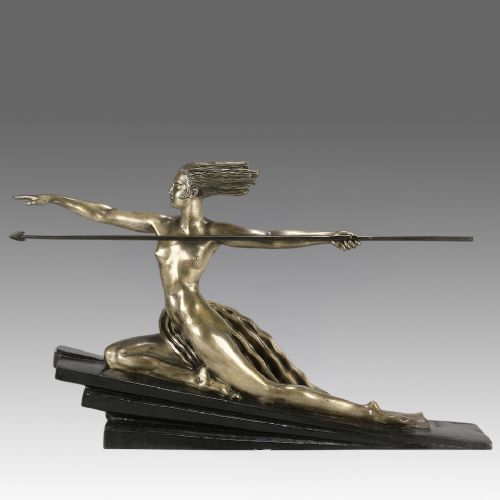
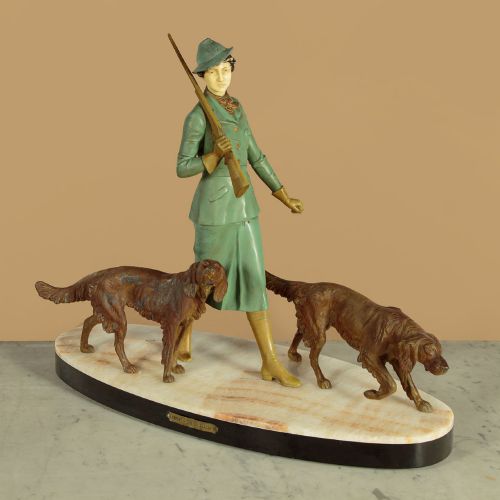
A bronze sculpture with marble base brings together cast metal figures and stone plinths, ranging from grand nineteenth century mythological groups to sleek twentieth century dancer figures. The examples found here cross several distinct movements, from neoclassical Grand Tour souvenirs to French animalier studies and sharp Art Deco creations.
The most common pieces on this page are French and Italian works from the nineteenth and early twentieth centuries, frequently pairing patinated metal figures with contrasting white, black, or variegated marble plinths. These pieces encompass mantle clocks, mythological heroes, and children with animals, mounted securely upon stone bases designed to anchor the composition.
Makers recorded in these listings include notable European sculptors such as Hans Müller, Emile Carlier, Alexandre Kelety, and Pierre le Faguays. Their works demonstrate the shifting aesthetic preferences across decades, moving from ornate nineteenth century revival styles toward streamlined modernist geometries.
Materials and casting methods
Figures are typically produced through traditional metal casting methods, utilising bronze, silvered bronze, gilt bronze, or sometimes spelter and brass. These metals receive various surface treatments, including dark patination or gilding, to accentuate the anatomical details and drapery of the subjects.
The sculptural elements are then permanently secured to marble bases, which provide both structural stability and visual contrast to the dark or gilt metals. Selected pieces incorporate supplementary materials such as ormolu or enamel details to enhance specific decorative elements within the overall design.
Bronze Sculpture with Marble Base Retail Price Guide 2026
Typical asking prices for bronze sculpture with marble base among the pieces listed under this phrase on Sellingantiques today, from the lower quarter to the upper quarter. They describe what is for sale here now, not the wider market.
Listings feature works from the nineteenth century through the 1930s, utilising bronze, silvered bronze, and marble.
Factors determining quality
The refinement of the metal chasing and the crispness of the cast define the upper tier of these works, where every facial expression, feather, and fold of fabric remains sharp. Lesser examples show softened details from worn production moulds or simpler surface finishes that obscure the underlying metalwork.
The selection and preparation of the stone plinth also separate standard examples from superior ones, with fine pieces utilising solid, dense marble cut and polished to complement the proportions of the bronze above. Inferior mountings often feature simpler stone slabs with less attention paid to the integration between the metal figure and its base.
Hans Müller·Emile Carlier·Alexandre Kelety·Pierre le Faguays·Geo Maxim
The Bronze Sculpture with Marble Base Glossary
- Patinated bronze
- Bronze metal treated with chemical solutions to produce a specific surface colour, most commonly dark brown, green, or black. This finish protects the metal and defines the sculptural contours.
- Grand Tour
- A nineteenth century practice where wealthy travellers collected souvenir bronzes in Italy, typically depicting classical figures and monuments mounted on marble plinths. These pieces served as tangible records of European education and travel.
- Ormolu
- Finely ground high-carat gold applied to a bronze base using a mercury amalgamation technique, creating a bright golden surface. This decorative treatment appears frequently on nineteenth century clock mounts and garnitures.
- Animalier
- A nineteenth century sculptural movement focusing on realistic depictions of animals, particularly dogs, horses, and wild beasts. Artists in this tradition studied anatomy closely to capture creatures in motion.
Bronze Sculpture with Marble Base: Frequently Asked Questions
How do I clean marble bases?
Clean marble using a soft, damp cloth with mild soap, avoiding acidic cleaners that etch the polished stone surface. Dry thoroughly with a soft cloth to restore the natural sheen.
Keep moisture away from the metal figures during the cleaning process to prevent water spots or corrosion on the bronze surface.
What periods are represented?
The pieces span from the mid nineteenth century through the 1930s, encompassing neoclassical revivals, Art Nouveau curves, and geometric Art Deco designs. Most items originate from European workshops, particularly in France and Austria.
Dates are established through stylistic markers, signatures, and casting techniques characteristic of specific decades.
Are these sculptures signed?
Many sculptures feature artist signatures cast directly into the bronze or engraved onto the surface near the base. These signatures link the piece to documented European bronze founders and sculptors.
Unsigned pieces rely on style, foundry marks, and material quality for attribution.
How are figures mounted to marble?
Figures are typically attached using threaded bolts or pins running from the underside of the marble up through the base into the bronze feet or plinth. This secure fastening method ensures stability for heavy metal castings.
Inspect the underside of the stone to view the mounting hardware if authentication or conservation is required.