

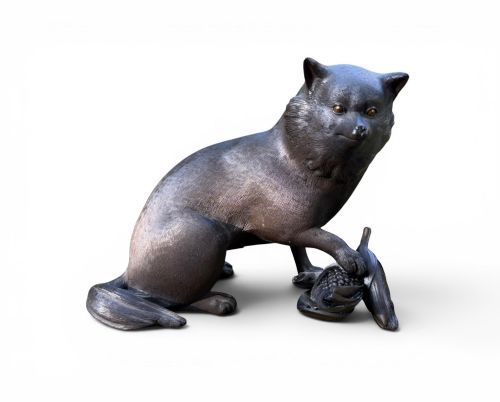
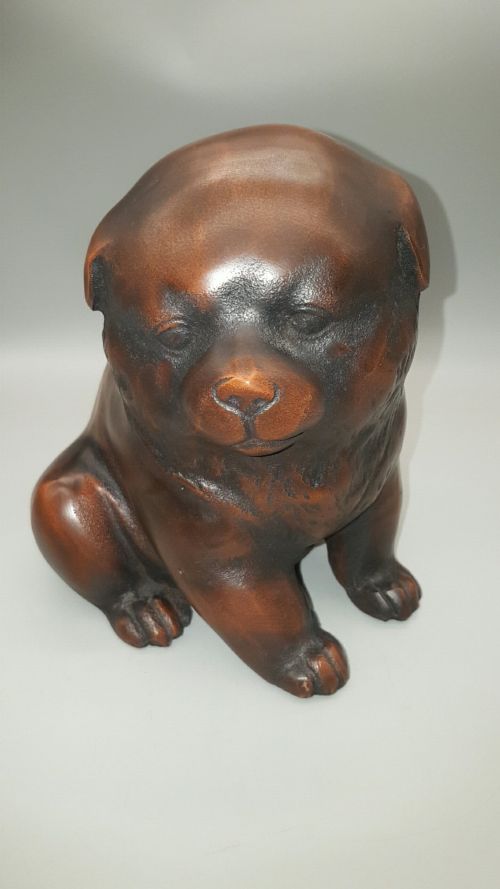
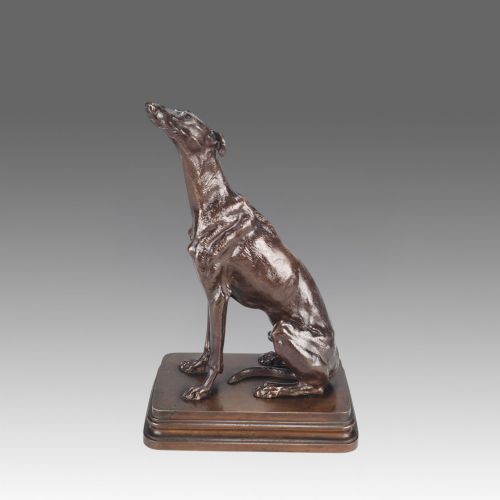
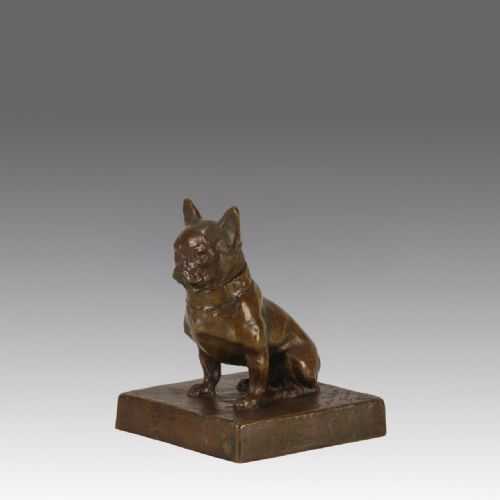
Bronze Sculpture of Dog
A bronze sculpture of dog captures canine form through enduring metal, ranging from nineteenth-century animalier studies to twentieth-century desk ornaments.
Bronze Sculpture of Dog
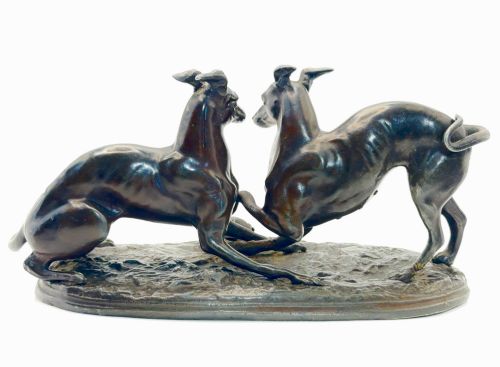
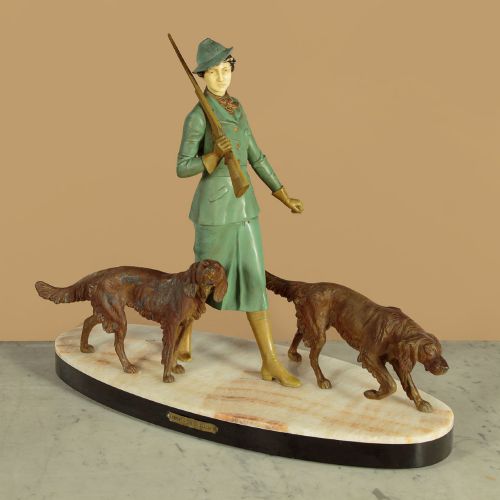
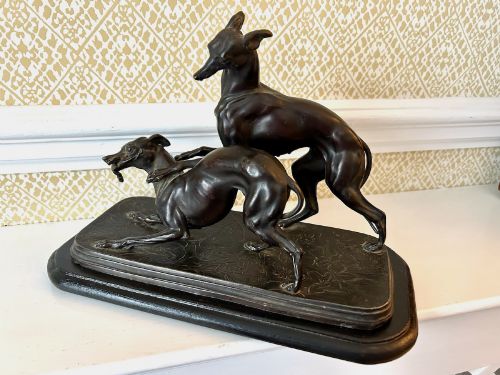
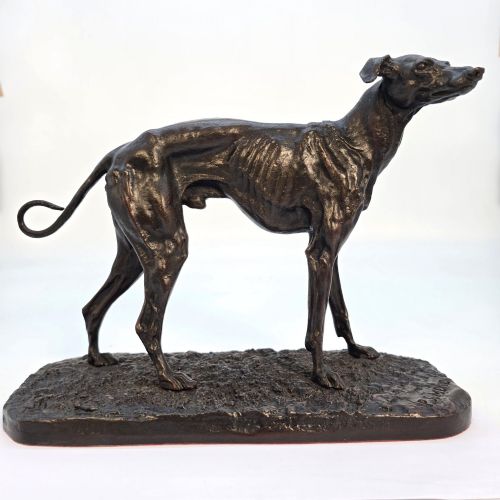
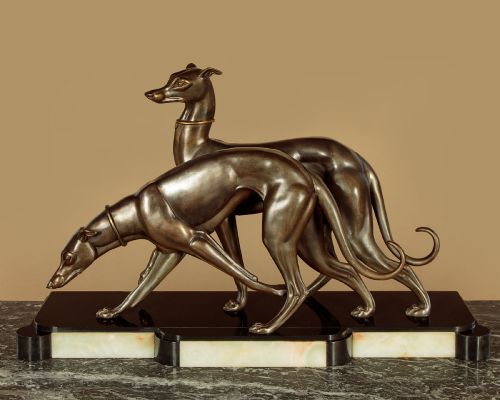
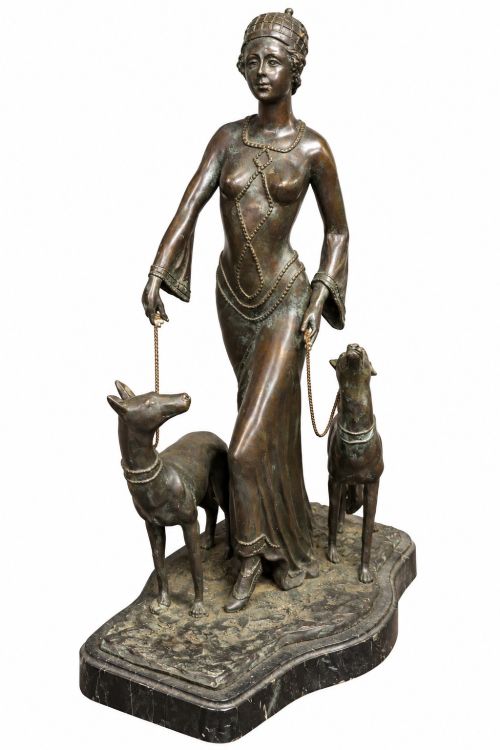
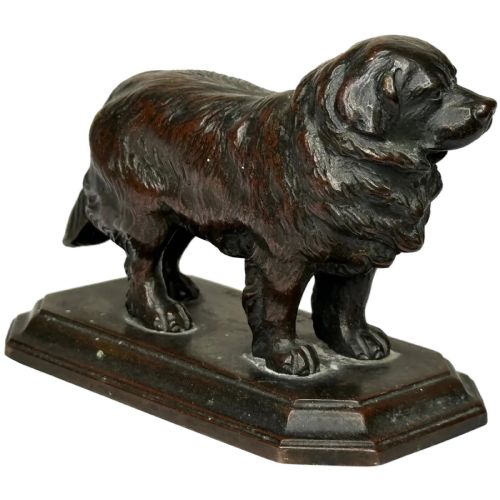
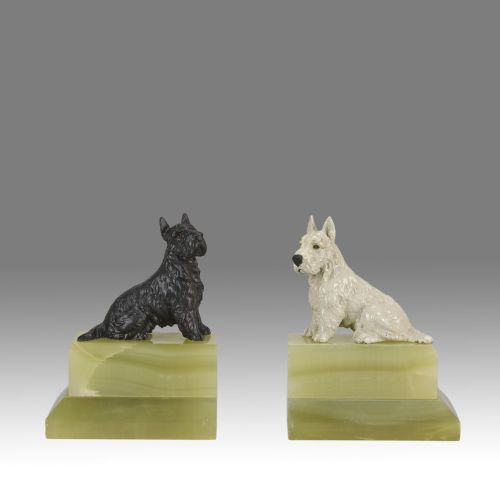
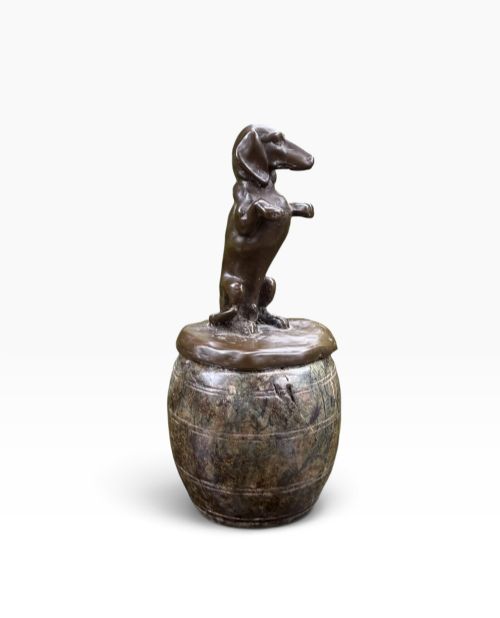
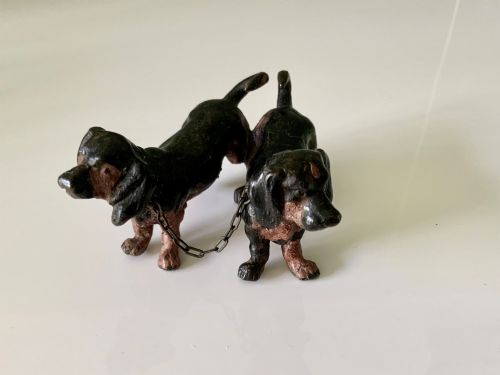
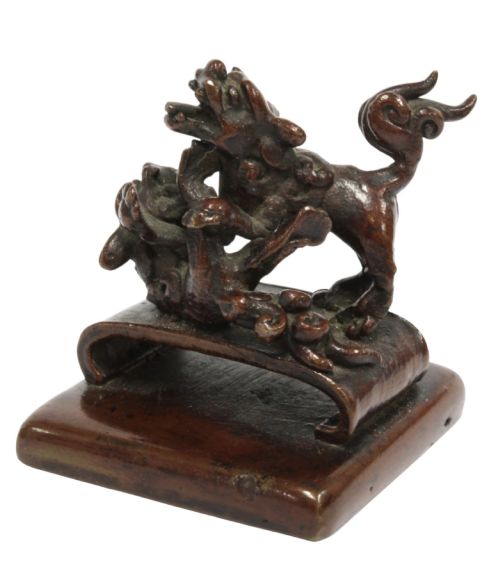
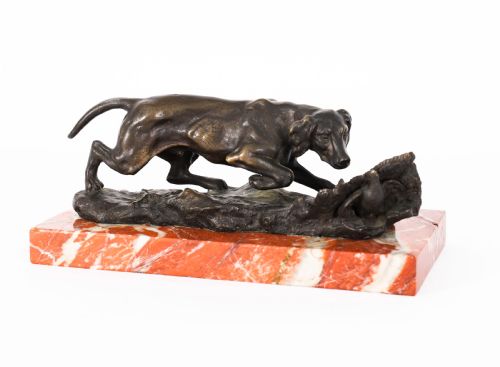
A bronze sculpture of dog encompasses a broad range of nineteenth-century and early twentieth-century creations, spanning European animalier bronzes, Japanese okimono, and Austrian cold-painted figures. These works depict specific breeds like greyhounds, terriers, dachshunds, and setters in naturalistic or stylised poses.
The pieces appearing on this page most frequently take the form of tabletop studies, bookends, and inkwells mounted on marble or onyx bases. French animalier school examples alongside Vienna bronzes dominate the selection, showing distinct regional approaches to capturing canine anatomy.
Materials and Technique
The majority of these sculptures utilise traditional lost-wax casting methods to capture fine muscular detail and texture in metal. Patinated bronze provides deep brown and green tones, while alternative pieces employ cold-painting techniques over cast metal surfaces.
Bases frequently incorporate contrasting materials such as marble, onyx, or brass to support the heavier metallic figures. Spelter appears as an alternative casting metal in several twentieth-century works, often finished with applied paint.
Bronze Sculpture of Dog Retail Price Guide 2026
Typical asking prices for bronze sculpture of dog among the pieces listed under this phrase on Sellingantiques today, from the lower quarter to the upper quarter. They describe what is for sale here now, not the wider market.
Listings feature periods spanning from the nineteenth century through the 1930s, incorporating marble, onyx, and patinated bronze materials.
Assessing Quality
The standard of a bronze sculpture of dog rests upon the crispness of the chase work, where the metalworker refines the raw cast by hand to define fur, eyes, and musculature. Superior examples retain sharp anatomical transitions without softening in the details.
The integrity of the original patina or cold-painted surface dictates much of the visual success, alongside the quality of the stone base and the presence of a distinct signature from a known foundry or sculptor.
P. J. Mène·Carl Kauba·Alfred Dubucand·Franz Bergman·Jules Moigniez
The Bronze Sculpture of Dog Glossary
- Animalier
- A nineteenth-century artistic movement dedicated to the realistic portrayal of animals, particularly predators and hounds. Practitioners achieved widespread acclaim across Europe for their anatomical precision.
- Cold-painted bronze
- A technique where bronze figures receive layers of polychrome paint applied without heat, common in Austrian production. The paint remains susceptible to flaking over decades of handling.
- Spelter
- An alloy of zinc and lead used as a less costly substitute for bronze in decorative figures. It is softer than bronze and often displays a painted or faux-bronze finish.
- Okimono
- A Japanese carved or cast decorative object designed for display on a shelf or in a tokonoma alcove. These pieces often depict animals and figures with intricate attention to texture.
Bronze Sculpture of Dog: Frequently Asked Questions
How do I clean a bronze sculpture?
Dust the surface gently with a soft, dry cloth to remove accumulated particles without disturbing the underlying patination. Avoid using chemical polishes, water, or abrasive cloths that strip the aged finish.
Apply a very thin coat of microcrystalline wax occasionally if the metal appears dry, buffing it away completely with a clean brush.
What is an animalier bronze?
An animalier bronze is a nineteenth-century sculpture focused specifically on realistic animal subjects, including dogs, horses, and wildlife. These works celebrate natural anatomy and movement rather than allegorical themes.
French founders popularised this genre extensively, producing both small cabinet bronzes and larger monumental groups.
How can I tell bronze from spelter?
Bronze feels notably heavier, rings with a clearer tone when lightly tapped, and resists scratching beneath the base where the metal is exposed. Spelter is softer, lighter, and often reveals a greyish or silvery metal underneath worn paint.
Magnification often reveals minor casting flaws or bubbling in spelter that differs from the dense grain of cast bronze.
Where were Vienna bronzes made?
Vienna bronzes originated in Austrian workshops during the late nineteenth and early twentieth centuries, specialising in small, hand-painted animal figures. These charming pieces often served as desk ornaments, match-strikers, or novelties.
The distinctive multi-layered cold-painting technique defines their output, though the paint requires careful preservation.