





Bronze Sculpture Lamp
A bronze sculpture lamp combines fine figural casting with functional illumination, bringing classical form and period character directly into a room.
Bronze Sculpture Lamp
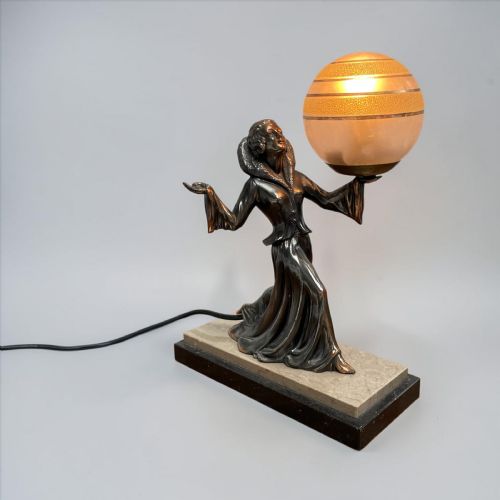
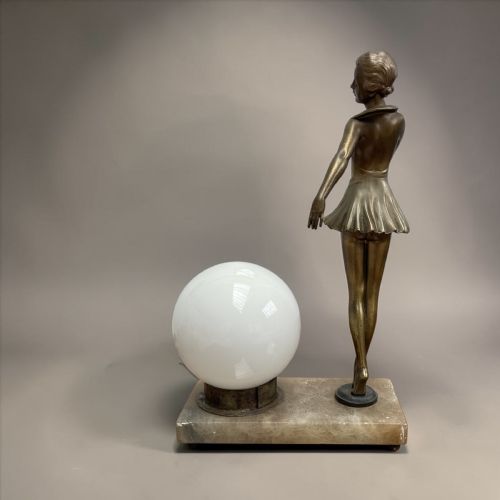
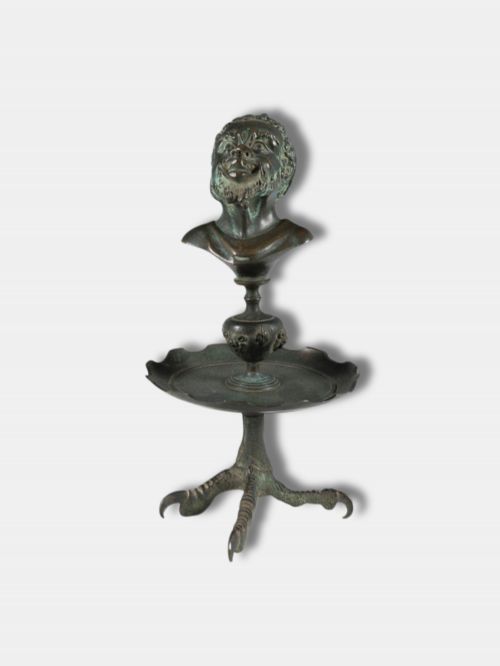
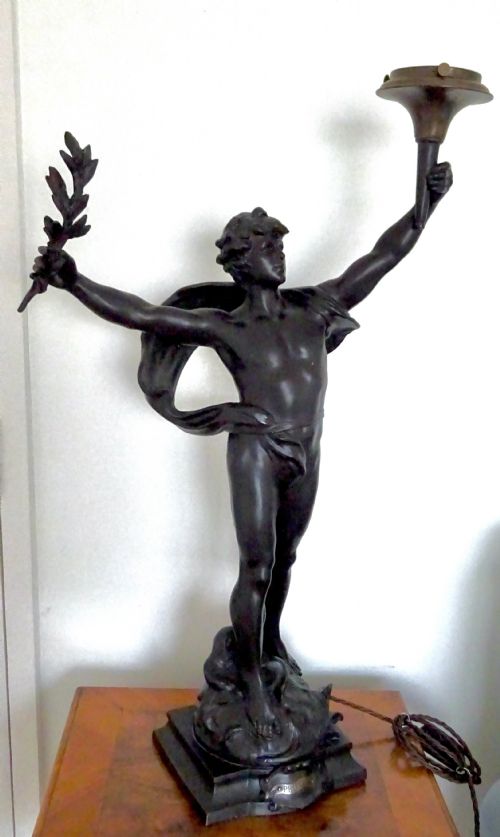
A bronze sculpture lamp uses cast metal figures, mythological subjects and allegorical themes to support a lighting mechanism, functioning simultaneously as sculpture and illumination. Buyers searching for a bronze sculpture lamp will encounter figural subjects ranging from classical deities and historical figures to Art Deco dancers and animals.
The pieces span periods from the early nineteenth century through the Art Nouveau and Art Deco eras, reflecting shifting tastes in interior decoration. French workshops dominate the selection, producing both grand architectural torcheres and intimate table lamps.
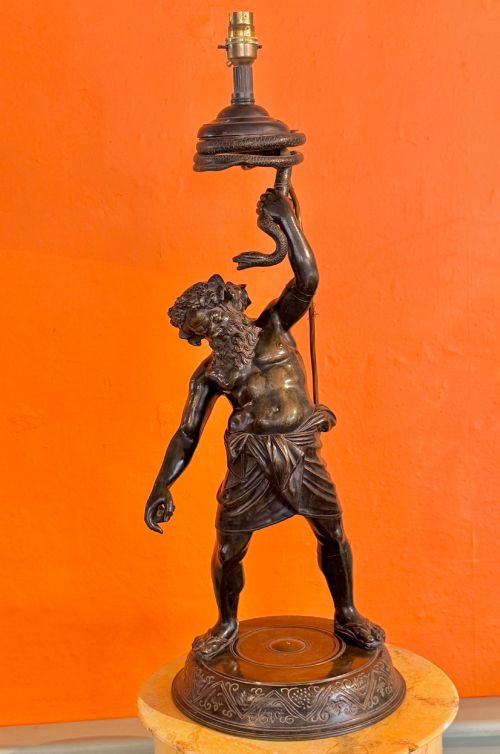
Table lamps, floor lamps, oil lamps and torcheres appear across the inventory, often mounted on marble plinths. The most frequent iteration is the nineteenth-century French figural lamp, where human or mythological forms hold aloft torchere shades or lamp holders.
How they were made
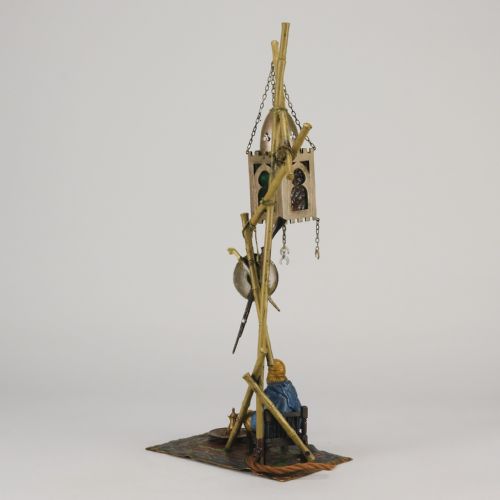
Foundries utilised traditional casting methods to produce the metal components, employing patinated bronze, ormolu, gilt bronze and sometimes spelter as a more accessible alternative. Cold-painted finishes and silvered treatments frequently add colour and detail to the cast figures.
Marble plinths and bases provide solid foundations for the heavier metal sculptures, whilst glass elements such as frosted shades complete the light fittings. Fabric components appear on certain lamp designs to diffuse the light cast by the bulbs or oil burners.
Bronze Sculpture Lamp Retail Price Guide 2026
Typical asking prices for bronze sculpture lamp among the pieces listed under this phrase on Sellingantiques today, from the lower quarter to the upper quarter. They describe what is for sale here now, not the wider market.
Several heavy metal hounds and loyal best friends keep watch on marble night lights, ensuring the hallway stays lit long after dark.
What varies in quality
The definition and crispness of the chasing on the bronze surface separate standard castings from superior works. Finer pieces retain intricate facial expressions, drapery folds and feather work applied by hand after the casting process.
The quality of the material foundation dictates the weight and stability of the piece, with dense marble bases and genuine heavy bronze outperforming lighter spelter and hollow assemblies. Signed works by recognised sculptors and foundries carry greater sculptural integrity.
G. Amodio Naples·Franz Bergman·Humphrey Hopper·Ivan Zaiec·Jean-Jules Cambos·H. Moreau·Aug. Moreau·François-Christophe-Armand Toussaint·Coutan·Bruno Zach·P.Sega·Henri Honore Ple·Adrien Gaudez·Auguste Moreau
The Bronze Sculpture Lamp Glossary
- Torchere
- A tall ornamental stand or lamp designed to hold a light source. They often take the form of monumental figural statues holding lights aloft.
- Ormolu
- Finely ground high-carat gold applied to a bronze object using a mercury amalgamation process. This technique produces a rich, durable golden surface.
- Patinated bronze
- Bronze treated with chemical solutions to produce a specific surface colour or tone. Common patinas range from deep brown to greenish verdigris.
- Spelter
- An alloy of zinc and lead used as a less costly alternative to bronze. It takes fine detail well but has a lighter weight and softer composition.
- Cold-painted bronze
- Bronze sculpture painted with oil or enamel paints after casting without subsequent firing. This finish requires careful handling to prevent flaking.
Bronze Sculpture Lamp: Frequently Asked Questions
How do I identify a true bronze lamp from spelter?
Bronze offers a heavier weight and a colder touch than spelter, with greater resistance to bending at thin points. A discreet scratch on an unexposed underside will reveal yellow or reddish bronze metal rather than the dull grey typical of spelter.
Makers often finished spelter with a bronze-coloured paint to mimic the more expensive alloy. Examining the underside or the interior of the casting usually clarifies the material composition.
Were these lamps originally made for electricity?
Most nineteenth-century pieces began as oil lamps, torcheres or candelabra before conversion to electricity during the twentieth century. Makers also produced dedicated electrical table lamps and night lights by the Art Deco period.
Conversions often integrate modern wiring through the existing central channel of the bronze casting without altering the outer sculpture.
How should I clean a patinated bronze lamp?
Dust the surface regularly with a soft, dry lint-free cloth to prevent particulate accumulation. Avoid chemical polishes, water and abrasive cleaners, as these substances strip the historic patina from the metal.
Applying a microcrystalline wax very sparingly can protect the surface finish from moisture and handling marks. Consult a specialist if the patina shows active corrosion.
What indicates an earlier nineteenth century date?
Earlier pieces exhibit Neoclassical or Regency design motifs, heavier cast components and natural patination developed over decades. Signatures and foundry marks, where present, correspond to active nineteenth-century registry dates and maker records.
Stylistic influences from the Grand Tour and classical antiquity point towards the first half of the century. Later Art Nouveau and Art Deco works display distinct curvilinear or geometric styling.