

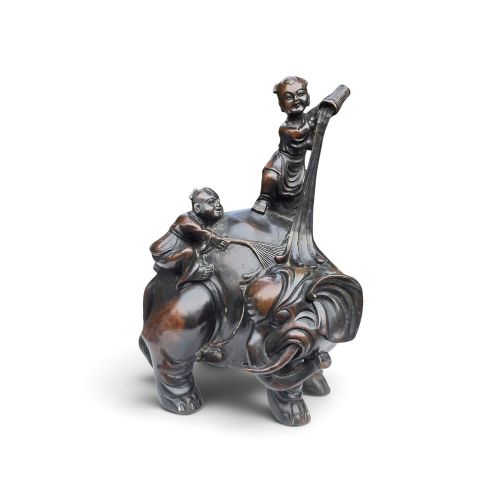

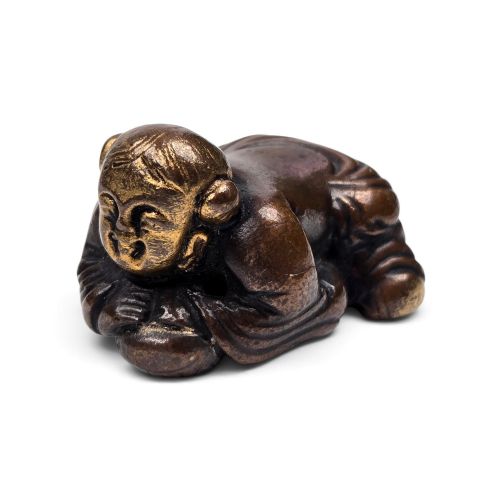


Bronze Scholar Figure Sculpture
A bronze scholar figure sculpture brings scholarly contemplation to a desk, cast in metal and shaped by centuries of tradition.
Bronze Scholar Figure Sculpture
A bronze scholar figure sculpture encompasses depictions of learned men, writers, and students cast across periods from the sixteenth century to the twentieth century. These pieces emerge in styles ranging from Ming Dynasty and Meiji Period works to Neoclassical and Orientalist interpretations.
Most examples found here appear as figures engaged in reading, writing, or resting beside desk accessories and animals. The forms serve both decorative purposes and practical functions, including paperweights and small desk sculptures.
Origins span across China, Japan, and European workshops, reflecting diverse cultural traditions dedicated to learning and poetry. Pieces take the shape of solitary figures, boys, monkeys in human roles, and poets modelled in bronze, brass, and mixed metals.
Materials and casting methods
Makers utilised solid-cast bronze and patinated bronze, often enhancing surfaces with gold leaf, gold inlay, or cold-painted pigments. These metallic mediums provided the durability required for detailed facial expressions and draped robes.
Japanese and Chinese works frequently employed mixed metals and precise casting to delineate individual hairs, garments, and books. European pieces from the nineteenth and early twentieth centuries applied patination and selective fire-gilding to achieve tonal depth.
Bronze Scholar Figure Sculpture Retail Price Guide 2026
Typical asking prices for bronze scholar figure sculpture among the pieces listed under this phrase on Sellingantiques today, from the lower quarter to the upper quarter. They describe what is for sale here now, not the wider market.
Listings feature works spanning the sixteenth century to the 1930s, executed in bronze, brass, gold inlay, and cold-painted bronze.
Assessing quality and execution
The sophistication of the surface finish distinguishes finer works, whether through delicate cold-painted colours, controlled patination, or precise gold inlay. Workshops with skilled metalworkers achieved depth and texture that lesser productions omitted.
Franz Bergman·Leofanti Adolphe
The Bronze Scholar Figure Sculpture Glossary
- Patinated bronze
- Bronze treated with chemicals or heat to produce a stable coloured surface layer. This finish protects the metal and defines the contours of the figure.
- Cold-painted bronze
- Bronze painted after casting using oil or enamel paints that are not kiln-fired. This technique allows for vivid coloration on small decorative objects.
- Mixed metals
- An alloy technique combining different metals such as copper, brass, and bronze within a single object. It creates subtle colour contrasts across the sculpture.
- Okimono
- A Japanese decorative object designed for display on a shelf or desk. These carvings and castings depict figures, animals, and mythological subjects.
- Paperweight
- A heavy small object placed on loose papers to prevent them from blowing away. Scholar's desk versions often double as miniature figural sculptures.
Bronze Scholar Figure Sculpture: Frequently Asked Questions
What is a scholar figure?
A scholar figure represents a learned individual, poet, or student engaged in intellectual pursuits such as reading, writing, or contemplation. These figures often hold books, scrolls, or brushes.
Rooted in East Asian traditions and later adopted by European sculptors, they celebrate education and literary culture on a desk or shelf.
How old are these sculptures?
The pieces span from the sixteenth century through the nineteenth century and into the early twentieth century. Dates reflect specific periods like the Ming Dynasty, Meiji Period, and the 1930s.
Each era brings distinct casting techniques and stylistic conventions to the depiction of the scholar.
Were they used on desks?
Many examples were created specifically for scholars' desks as paperweights, brush rests, or decorative ornaments. Their compact size suited them for close placement beside writing materials.
Their dual function as art and desk accessory made them popular among literate elites.
What metals are used?
The primary material is bronze, sometimes supplemented by brass, copper, and mixed metals. Surfaces are frequently enhanced with gold inlay, gold leaf, or cold-painted finishes.
These treatments give the metal varied tones and textures.
How do I style one at home?
Place a bronze scholar figure sculpture on a wooden desk, bookshelf, or side table where its details can be appreciated up close. Pair it with books or natural materials to echo its traditional scholarly themes.
Allow adequate light to highlight the patination and surface textures of the metal.