
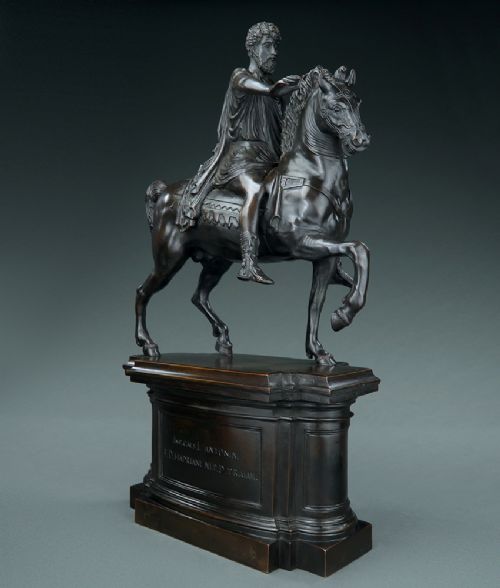
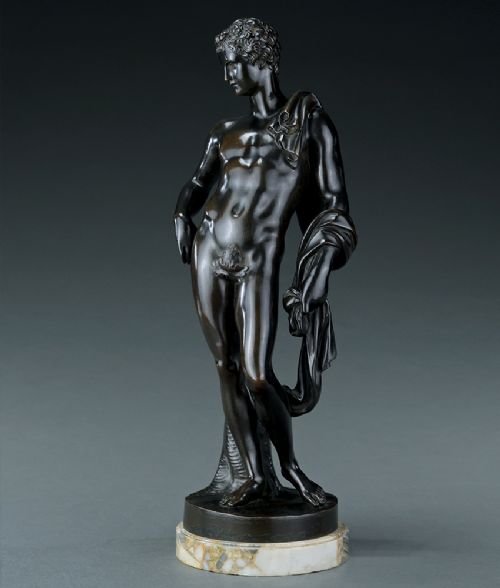
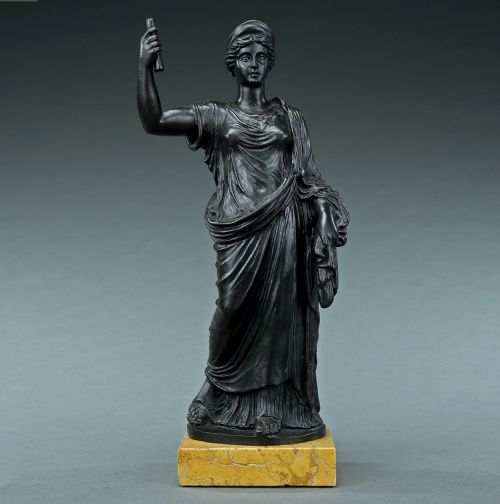


Bronze Roman Figure
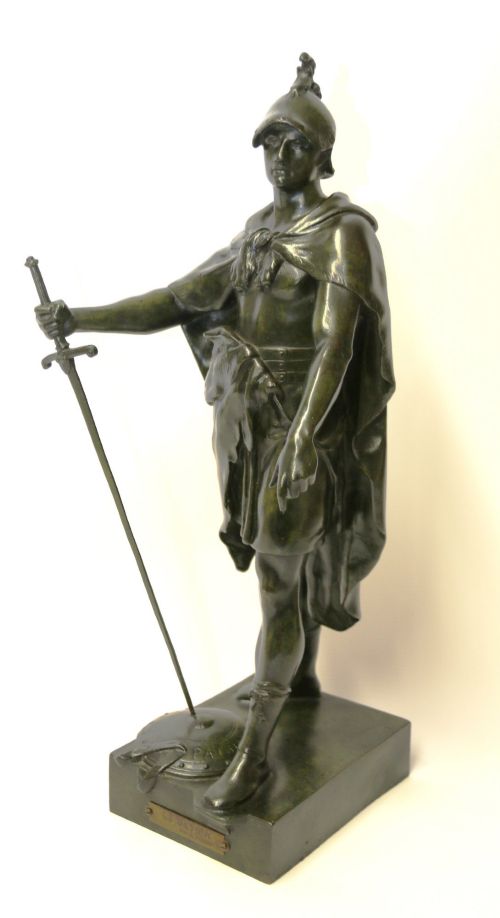
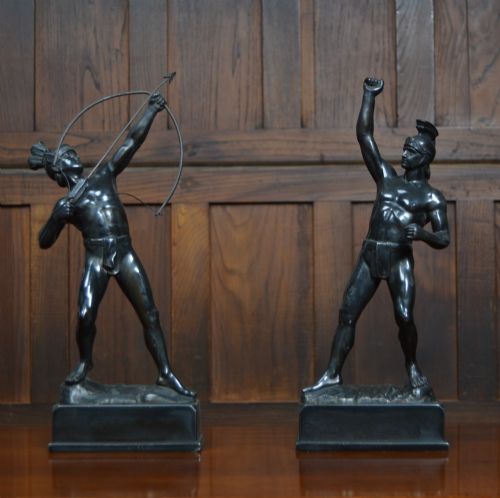
These bronze roman figure pieces capture classical antiquity through nineteenth-century interpretations, offering collectors tactile pieces of history.
Bronze Roman Figure
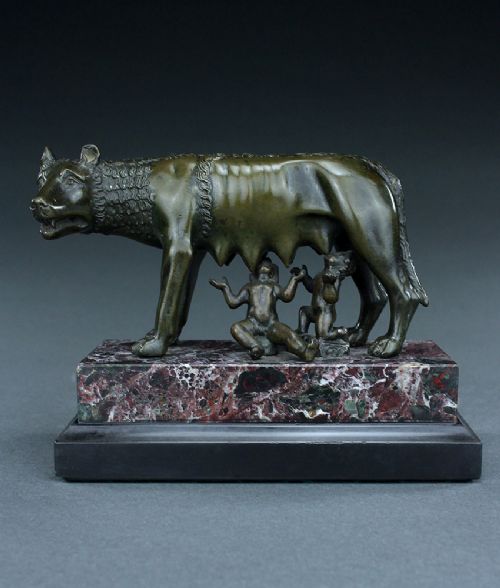
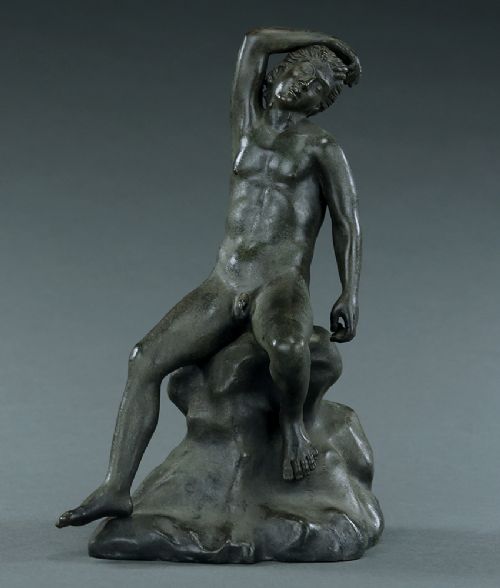
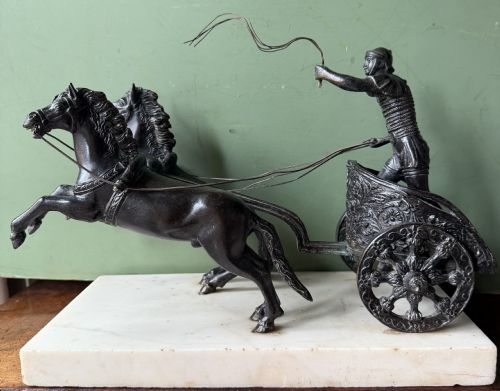
A bronze roman figure typically embodies classical subjects such as mythological deities, emperors, gladiators, and famous sculptures discovered during excavations in Italy. Buyers searching for a bronze roman figure frequently encounter Grand Tour souvenirs produced across the nineteenth century to satisfy travellers returning from Italy.
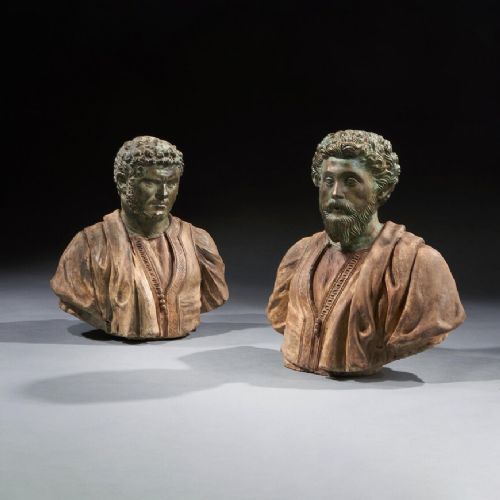
The objects span varied forms including standing statues, fountain heads, portrait busts, and cachepots mounted upon marble bases. These pieces reflect nineteenth-century academic and neoclassical tastes rather than ancient production, yet they remain highly collectible works of nineteenth-century foundry art.
Distinctions in craftsmanship and finish
Quality in a bronze roman figure rests upon the crispness of the casting detail in musculature, drapery, and facial expression. Superior examples preserve the fine nuances of the original classical prototypes without softening during the reduction and casting process.
The depth and stability of the patination, together with the quality of the supporting marble plinth and mounting work, separate standard souvenir foundry pieces from masterworks signed by notable nineteenth-century sculptors.
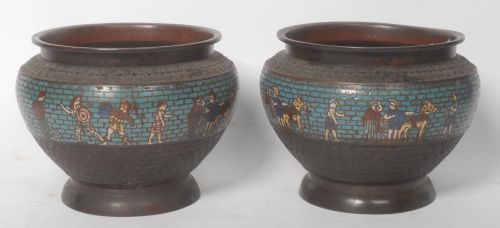
The listings show nineteenth-century bronze roman figure examples incorporating marble plinths, stone bases, and champlevé enamel.
Émile Louis Picault·Zoffoli·Mathurin Moreau·Richard Aurili·Eden Antony Paul Noel·E.Beck·Barbedienne
The Bronze Roman Figure Glossary
- Grand Tour
- A cultural journey undertaken by wealthy young Europeans through France and Italy during the eighteenth and nineteenth centuries, resulting in the acquisition of souvenirs such as small bronzes.
- Patination
- The chemical treatment or natural weathering applied to the surface of a metal sculpture to alter its colour and create an aged finish.
- Spelter
- A zinc alloy frequently used as a cheaper alternative to bronze for nineteenth-century decorative statuary.
- Reduction
- A smaller copy of a larger sculpture, achieved by mechanical pantograph casting methods popular in nineteenth-century European foundries.
- Champlevé
- An enamelling technique where troughs are carved into the metal surface and filled with vitreous enamel before firing.
Bronze Roman Figure: Frequently Asked Questions
What is a bronze roman figure?
A bronze roman figure is a nineteenth-century sculptural representation of classical subjects, often created as a Grand Tour souvenir after ancient statues discovered in Italy.
These pieces range from small cabinet bronzes to detailed portrait busts of emperors, soldiers, and mythological figures mounted on marble plinths.
How do I identify a Grand Tour bronze?
Grand Tour bronzes typically date from the nineteenth century and show specific surface patination designed to mimic ancient buried artefacts. They replicate famous classical sculptures found in Italian museums and archaeological sites.
Look for fine chasing work on the bronze surface and substantial mounting materials like marble or rosso levanto bases.
Are all these figures solid bronze?
While the majority are cast in bronze or brass, some nineteenth-century examples utilise alternative metals such as spelter or zinc alloy. Catalogues usually distinguish between patinated bronze and mixed metal alloy castings.
Examining the underside or weight of the base often helps determine the specific metal composition used by the foundry.
How should I display my bronze figure?
Display your bronze roman figure in a stable environment away from direct sunlight and excessive humidity to protect the patinated surface. Marble bases should rest on level surfaces capable of supporting their weight.
Dust the sculpture gently with a soft dry cloth without applying modern cleaning polishes that could damage the antique patina.