


Bronze Ritual Incense Burner
A bronze ritual incense burner brings centuries of craftsmanship and solemn beauty into a room, offering both sculptural presence and historical depth.
Bronze Ritual Incense Burner
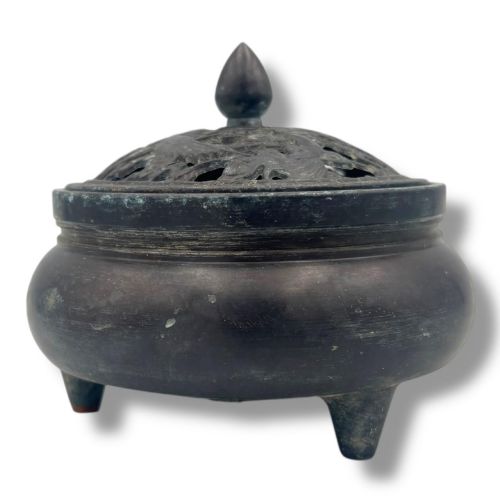
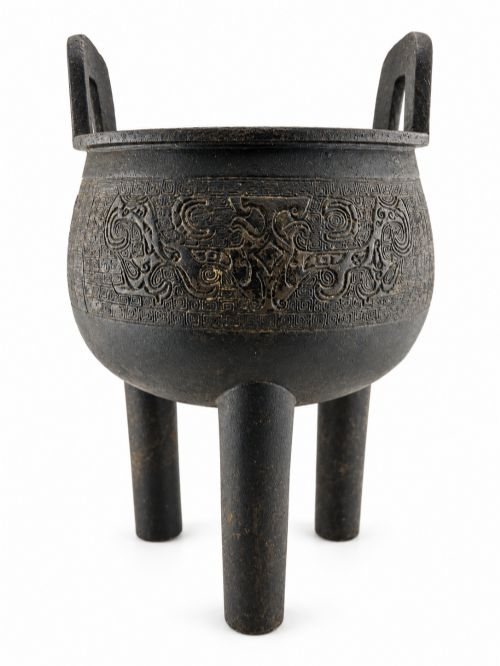
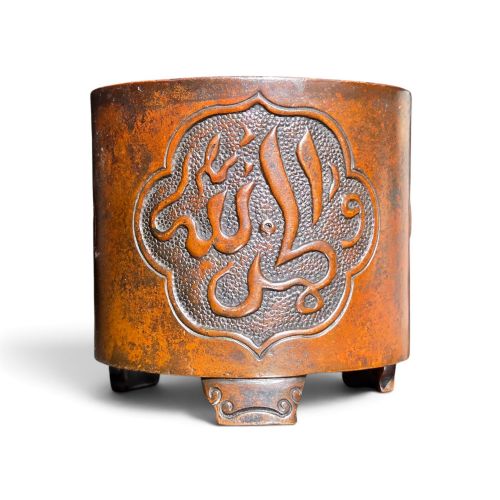
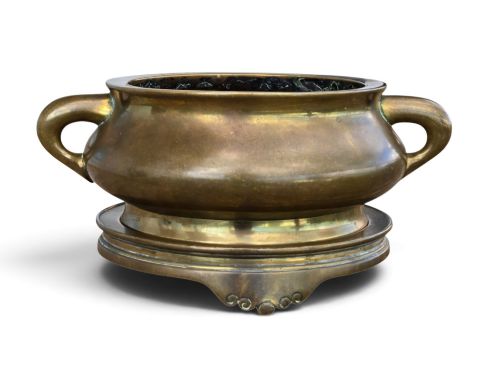
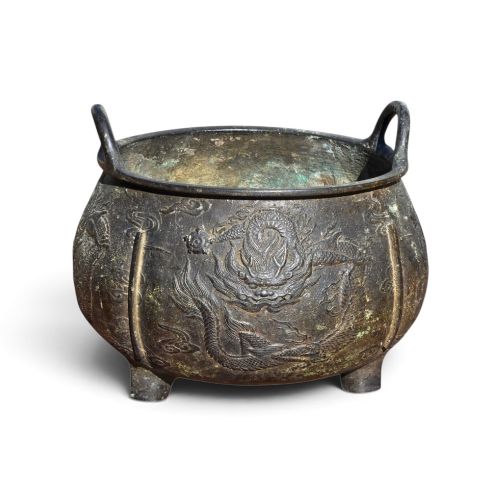
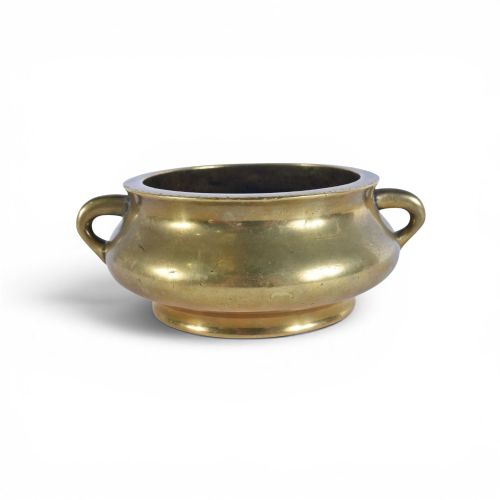
A bronze ritual incense burner is an ancient vessel form designed for sacred and scholarly spaces, frequently encountered in forms such as tripod censers, ding vessels, and gui bowls. These pieces emerge from rich stylistic traditions spanning the Ming and Qing Dynasties, alongside Japanese Edo period works and Anglo-Indian adaptations.
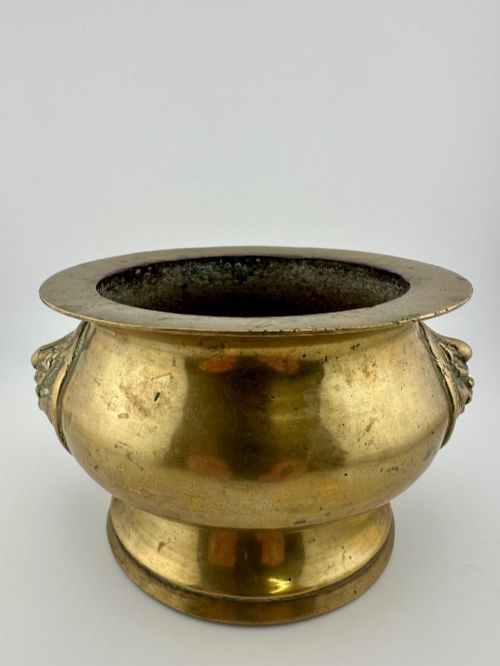
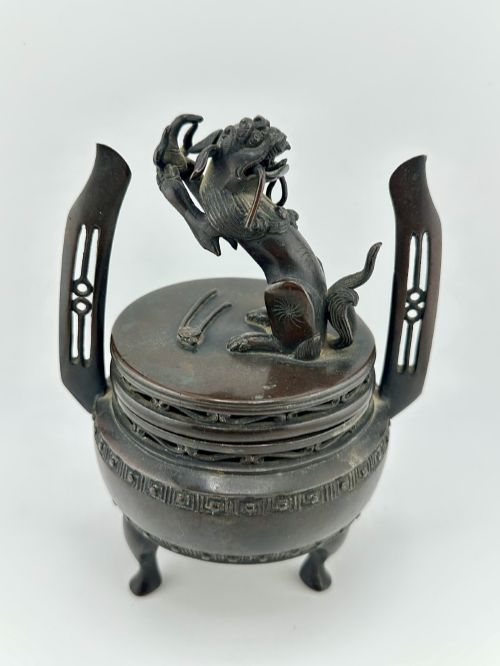
Collectors searching for a bronze ritual incense burner will find examples ranging from heavy cast scholar pieces bearing Xuande marks to archaic revival designs featuring taotie decoration. The selection includes utilitarian bowls and lidded vessels adorned with dragon, phoenix, and qilin finials.
Materials and casting methods
The construction relies predominantly on bronze, brass, and copper alloy, often finished with a dark patination that highlights the metallic grain over centuries of handling. Many examples are heavily cast to achieve substantial weight, which contributes to their bell-ring resonance and structural permanence.
Makers utilised traditional foundry techniques, incorporating intricate cast decorations such as lion-mask handles, lobed lotus forms, and low-relief friezes. Secondary components occasionally introduce contrasting materials like wood or glass to complement the primary metal body.
Materials across the selection span patinated bronze, traditional brass, and copper alloy, frequently paired with wooden display stands.
Distinctions in execution and presence
Quality rests in the precision of the casting and the crispness of surface detailing, where superior examples exhibit sharp taotie motifs and evenly distributed patination rather than soft, obscured contours. The physical heft of the vessel plays a decisive role, as denser, heavily cast bronzes demonstrate greater stability and superior acoustic resonance.
The presence of scholarly marks, well-integrated handles, and matching lids elevates certain pieces beyond standard decorative bowls. Superior pieces maintain an authentic surface character that reflects their historical period without losing the structural integrity of the original form.
The Bronze Ritual Incense Burner Glossary
- Censer
- A vessel designed for burning incense during ceremonial or scholarly practices. These objects often feature pierced covers to allow fragrant smoke to drift out.
- Tripod
- A vessel supported by three feet, commonly seen in ancient Chinese ritual bronzes. This configuration provides both physical stability and symbolic elevation.
- Patination
- The natural or artificial ageing of the bronze surface over time. This process alters the colour and texture, creating a protective and aesthetic skin.
- Xuande Mark
- A stamp or inscription referencing the Xuande Emperor of the Ming Dynasty. Later periods often replicated these marks in homage to the era's renowned metallurgy.
Bronze Ritual Incense Burner: Frequently Asked Questions
How were these burners used historically?
These vessels were placed in temples, shrines, and scholar's studios to burn aromatic resins and woods during meditation, ritual offerings, or quiet contemplation.
The rising smoke created a contemplative atmosphere, while the physical vessel served as an anchor for the scholarly appreciation of ancient forms and materials.
What do reign marks tell us?
Reign marks, such as those referencing the Xuande period, indicate the stylistic inspiration behind a piece rather than a guaranteed date of manufacture.
Later workshops frequently applied these seals to honour earlier masterworks, making stylistic analysis and casting characteristics essential alongside the mark itself.
How should I care for a bronze surface?
Maintenance requires only occasional dusting with a soft, dry cloth to preserve the historical patination developed over centuries of handling.
Avoid using metal polishes, harsh cleaning agents, or oils, as these interventions can strip away the authentic surface character and diminish the historical value.
How do I distinguish regional styles?
Chinese examples often lean towards archaic ritual forms like the ding and gui, featuring taotie decoration or dragon motifs, while Japanese pieces from the Edo period emphasise minimalist bowl forms and subtle patinas.
Material variations, such as the specific copper alloy composition and casting weight, further help differentiate between regional foundry traditions.