




Bronze Mounted Jardiniere
A bronze mounted jardiniere brings nineteenth-century botanical display indoors through ornate metalwork and rich timber forms.

Bronze Mounted Jardiniere
A bronze mounted jardiniere acts as an elevated vessel for indoor plants, combining functional planting space with decorative furniture design. When exploring these pieces, a buyer encounters forms ranging from table stands to floor-standing display pieces rooted in nineteenth-century French design.
Originating predominantly across the nineteenth century, including Victorian periods and specific decades like 1880 and 1900, these vessels showcase diverse structural shapes. Octagonal tables, inlaid side pieces, and tall stands populate the selection, each designed to integrate horticulture with interior ornamentation.
Materials and Construction Techniques
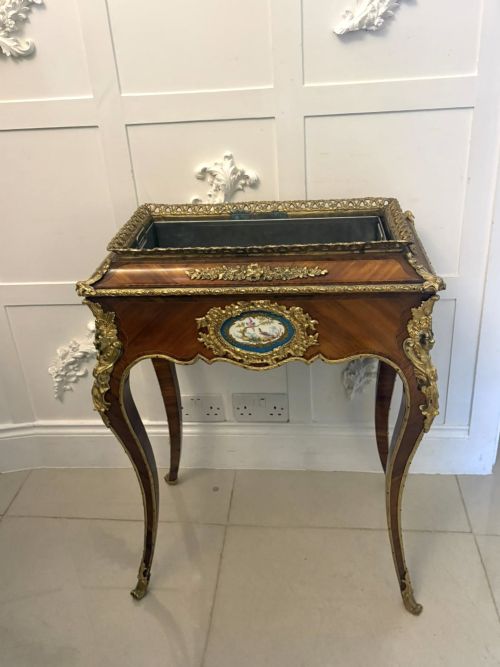
Construction relies upon combining substantial timber carcases with cast metal embellishments. Makers utilise woods such as kingwood, burr walnut, mahogany, and ebonised finishes to build the primary planter bodies and supporting stands.
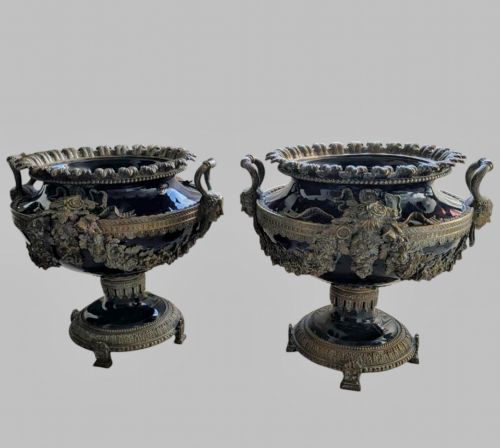
Ornaments of ormolu, gilt bronze, and gilt metal provide the characteristic mounts that frame ceramic plaques, porcelain inserts, and cut glass bodies. Zinc liners frequently provide practical waterproofing within the timber or ceramic outer vessels to protect the structure from moisture.
Inlay techniques such as marquetry add surface pattern to the timber surfaces, while cloisonné enamel and ceramic elements introduce colour and texture. The integration of metal mounts requires precise fitting around curved wooden panels and ceramic bodies.
Listings span the nineteenth century, including specific years like 1850, 1860, 1880, 1890, 1900, and 1920, alongside Victorian and Edwardian examples.
Distinctions in Quality and Craft
Quality separates pieces through the crispness of the bronze or ormolu casting and the depth of the timber figuring. Superior examples display sharply chiselled metal mounts that follow the contours of the wood precisely rather than generic cast decoration.
The choice of secondary materials dictates the standard of the piece, with genuine porcelain plaques and intricate marquetry inlay elevating the workmanship. Integration of fitted zinc liners and robust internal joinery indicates high standards of original manufacture for interior use.
The Bronze Mounted Jardiniere Glossary
- Ormolu
- Gilt bronze applied as a decorative mount to furniture and decorative objects. This technique was widely utilised by nineteenth-century French makers to accent timber and porcelain surfaces.
- Kingwood
- A dense, heavily figured exotic timber prized for its rich grain patterns. It appears frequently in the veneered surfaces of nineteenth-century French stands.
- Jardiniere
- An ornamental pot or stand designed to hold plants or flowers indoors. The form developed into elaborate furniture pieces during the Victorian and Napoleon III periods.
- Marquetry
- Decorative veneer work created by fitting small pieces of wood and other materials into a design. This technique adorns the flat and curved surfaces of many nineteenth-century planter tables.
Bronze Mounted Jardiniere: Frequently Asked Questions
How were bronze mounted jardinieres used?
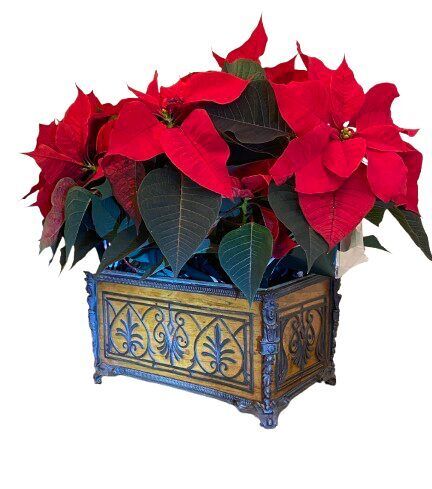
These vessels served primarily as indoor planters for potted ferns, flowering plants, or floral arrangements in nineteenth-century drawing rooms and parlours.
They allowed homeowners to bring living botany inside protected reception spaces without risking water damage to surrounding furnishings, thanks to internal metal liners.
What woods are commonly found on these pieces?
Makers relied heavily on exotic and decorative veneers such as kingwood, burr walnut, mahogany, and satinwood for the main bodies. Ebonised finishes and marquetry inlay also appear frequently across the surviving examples.
These timbers provided stable foundations that contrasted sharply with the bright metallic finish of applied ormolu and gilt bronze mounts.
How do I distinguish between revival styles?
French Louis XV and Rococo revival pieces are characterised by asymmetrical curves, naturalistic leaf motifs, and flowing floral scrollwork cast in metal. Later Empire revival works tend to feature stricter symmetry, classical architectural proportions, and military or geometric motifs.
Examining the overall silhouette and the specific vocabulary of the bronze mounts helps separate mid-nineteenth-century organic designs from later formal revivals.
Can I still use an antique jardiniere for live plants?
Many examples retain their original removable zinc or metal liners designed to catch water drainage from potted plants. However, protecting the antique timber and internal joins from direct moisture exposure remains essential for long-term preservation.
Placing a modern saucer inside the historical liner or using potted arrangements that can be watered externally helps safeguard the surrounding woodwork.